Lupinus Albifrons (Silver Lupine)
Lupinus albifrons, commonly known as Silver Lupine, is a stunning flowering plant that belongs to the Fabaceae family. Native to the coastal scrub and.
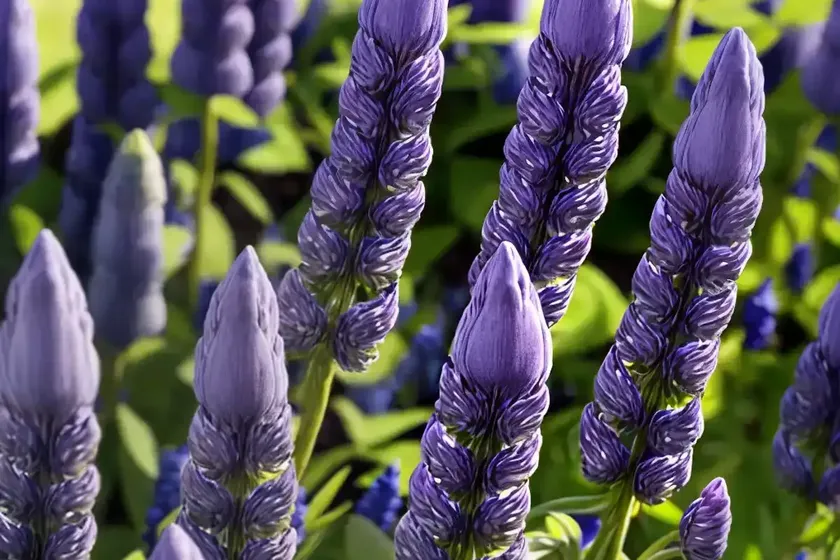
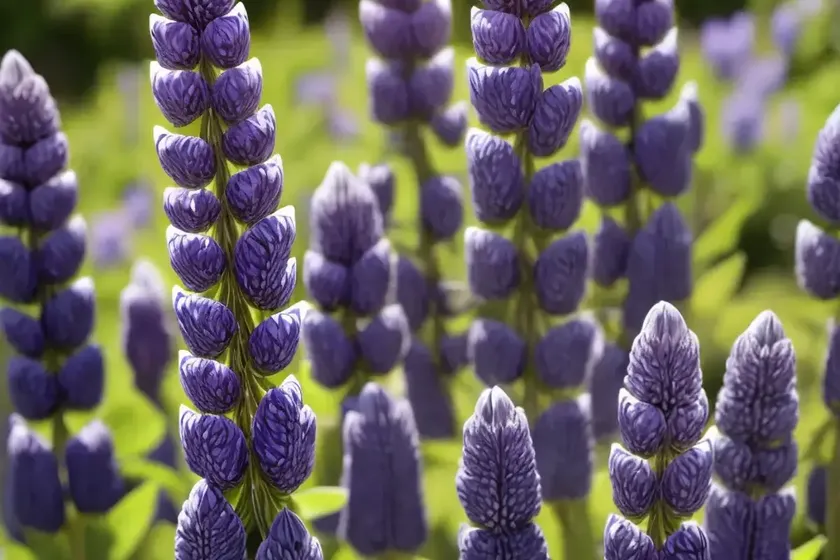
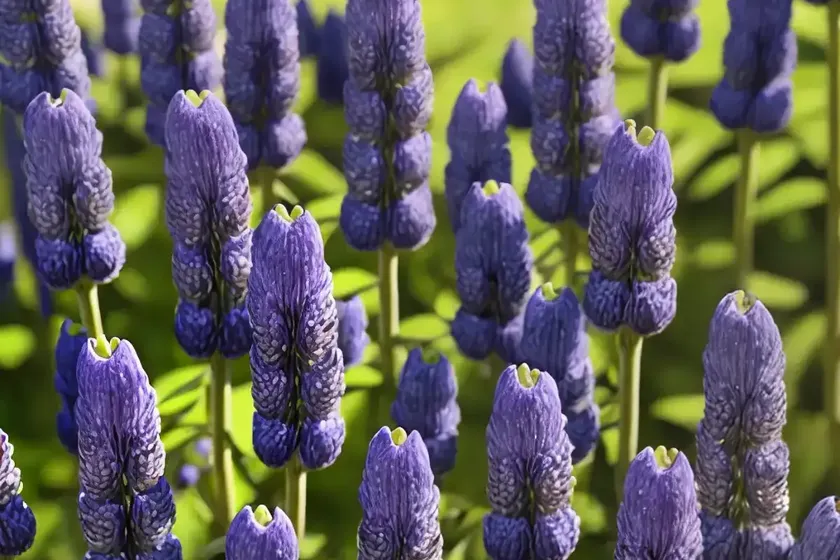
Lupinus albifrons, commonly known as Silver Lupine, is a stunning flowering plant that belongs to the Fabaceae family. Native to the coastal scrub and chaparral regions of western North America, Silver Lupine is admired for its attractive flower spikes and its ability to thrive in various garden settings. In this comprehensive guide, we will delve into the cultivation, care, and fascinating attributes of this beautiful plant.
What is Lupinus albifrons?
Lupinus albifrons, also referred to as Silver Lupine, is a perennial herbaceous plant with distinct silvery green leaves and tall spires of blue to violet pea-like flowers. This species typically reaches a height of 3 to 6 feet and blooms profusely from late spring to early summer, adding a splash of vibrant color to the landscape.
Key Takeaways – Lupinus albifrons (Silver Lupine)
Let’s start by exploring some key takeaways about Silver Lupine, which will provide a foundation for our in-depth discussion on its culture, uses, care requirements, and more.
- Scientific Name: Lupinus albifrons
- Common Name: Silver Lupine
- Family: Fabaceae
- Native Habitat: Coastal scrub and chaparral regions of western North America
- Blooming Season: Late spring to early summer
- Flower Color: Blue to violet
- Foliage: Silvery green
- Height: 3 to 6 feet
- Type: Perennial
Now that we have a general overview of Silver Lupine, let’s dive into the specific aspects of its cultivation and care.
Culture
Understanding the culture requirements of Silver Lupine is crucial for successfully nurturing this plant. From soil preferences to pruning techniques, each aspect plays a pivotal role in the overall well-being of the Silver Lupine.
Uses
Silver Lupine serves various purposes in gardening and landscaping. Some common uses of Silver Lupine include:
- Ornamental Purposes: The striking appearance of Silver Lupine makes it a popular choice for ornamental gardens and naturalistic landscapes.
- Wildlife Habitat Enhancement: The nectar-rich flowers attract pollinators such as bees and butterflies, thus contributing to the ecological diversity of the area.
- Soil Improvement: Being a leguminous plant, Silver Lupine has the ability to fix atmospheric nitrogen, thereby improving soil fertility.
- Erosion Control: Its deep taproot system helps in preventing soil erosion, making it an ideal plant for stabilizing slopes.
Water
Silver Lupine thrives in well-draining soil and prefers moderate watering. However, it’s crucial to avoid waterlogged conditions, as this can lead to root rot. During the establishment phase, regular watering is essential to promote healthy root development. Once established, Silver Lupine displays a moderate level of drought tolerance.
Sunlight
As a native of coastal scrub and chaparral regions, Silver Lupine exhibits a preference for full sun to light shade. It flourishes in locations with direct sunlight for at least 6-8 hours per day, enabling it to produce an abundance of flowers.
Fertilizer
When it comes to fertilizing Silver Lupine, a balanced, slow-release fertilizer applied in early spring can provide the necessary nutrients for healthy growth and prolific flowering. However, excessive nitrogen can lead to lush foliage at the expense of flowers, so it’s important to use a fertilizer with a lower nitrogen content.
Soil
Silver Lupine prefers well-draining, slightly acidic to neutral soil. It thrives in sandy or loamy soil types with good aeration. Amending the soil with organic matter can further enhance its growth and flowering.
Pruning
Pruning plays a crucial role in maintaining the health and vigor of Silver Lupine. Deadheading spent flowers and removing leggy or diseased growth not only promotes continuous flowering but also prevents the plant from expending energy on seed production. Pruning should be performed after the blooming season to encourage a bushy, well-rounded growth habit.
Propagation
Silver Lupine can be propagated through both seeds and cuttings. Direct sowing of seeds in the desired location is a common method for starting new plants. Additionally, softwood or hardwood cuttings can be taken from healthy, vigorous plants and rooted in a suitable propagation medium.
Container Popularity
While Silver Lupine is often grown in garden beds, it can also thrive in containers, adding a striking vertical element to container gardens and patios. Its adaptability to containers makes it a versatile choice for urban and small-space gardening.
Common Diseases
Like many plants, Silver Lupine is susceptible to certain diseases that can affect its overall health and appearance. Being aware of these common diseases and their management is essential for ensuring the longevity of Silver Lupine in garden settings.
Disease Diagnosis
Some common diseases that may affect Silver Lupine include:
- Powdery Mildew: A fungal disease that appears as a powdery, white substance on the leaves, leading to leaf distortion and eventual decline if left untreated.
- Root Rot: Overly wet or poorly drained soil can lead to root rot, causing wilting, yellowing of foliage, and stunted growth.
- Leaf Spot: Characterized by dark, water-soaked spots on the leaves, this fungal disease can lead to premature defoliation if not addressed promptly.
Proper sanitation, adequate spacing between plants to promote air circulation, and prompt removal of infected plant parts can help mitigate the impact of these diseases.
Common Pests
Aphids, spider mites, and caterpillars are among the common pests that may target Silver Lupine. These pests can cause damage by sucking sap from the plant, leading to stunted growth, distorted leaves, and reduced flowering. Regular monitoring and the use of natural predators or horticultural oils can help manage pest populations without resorting to chemical intervention.
Botanist’s Tips
To ensure the successful cultivation of Silver Lupine, it is essential to keep a few botanist’s tips in mind. These expert insights can help create an optimal environment for the plant to thrive.
- Mulching: Applying a layer of organic mulch around the base of the plant helps conserve soil moisture, suppress weed growth, and regulate soil temperature.
- Support Structures: Taller varieties of Silver Lupine may require staking or support to prevent the flower spikes from bending or breaking, especially in windy conditions.
- Companion Planting: Pairing Silver Lupine with other native species and pollinator-friendly plants can create a harmonious and biodiverse garden ecosystem.
Fun Facts
To add an element of intrigue and fascination, here are some fun facts about Silver Lupine that showcase its unique qualities and ecological significance:
- In its native habitat, Silver Lupine plays a vital role in the ecosystem by providing nectar for a variety of pollinators, including bees, hummingbirds, and butterflies.
- Native American tribes historically used Silver Lupine for medicinal purposes, employing different parts of the plant to address various ailments.
Links to External Resources
For further exploration of Silver Lupine and related topics, here are some valuable external resources:
- University of California – Silver Lupine
- USDA Plants Database – Lupinus albifrons
- California Native Plant Society – Silver Lupine
- Las Pilitas Nursery – Lupinus albifrons
With a deeper understanding of the culture, uses, care requirements, diseases, and pests associated with Silver Lupine, we can now appreciate the intricate beauty and ecological importance of this captivating plant. Whether grown in a garden bed or a container, Silver Lupine continues to enchant and enrich diverse landscapes with its stunning flowers and valuable ecological contributions.


