Pride Of Madeira (Echium Candicans)
The Pride of Madeira, scientifically known as Echium candicans, is a stunning ornamental plant that originates from the island of Madeira. This captivating.
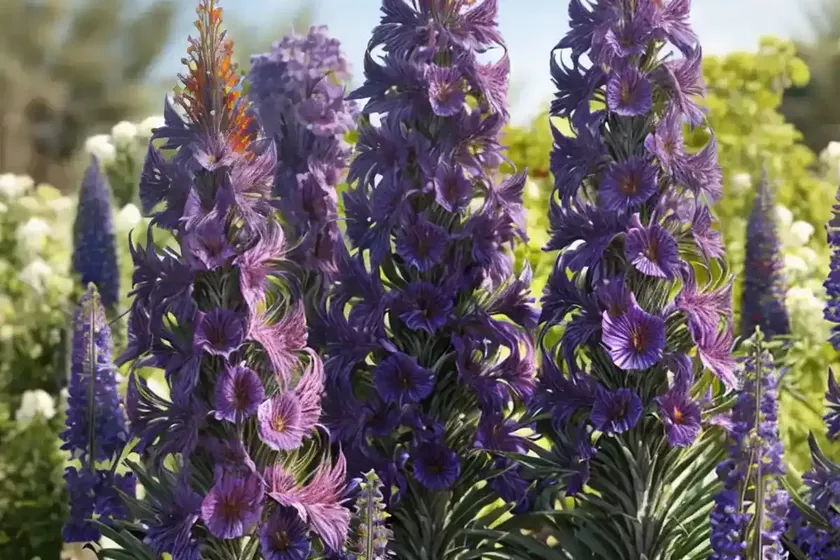
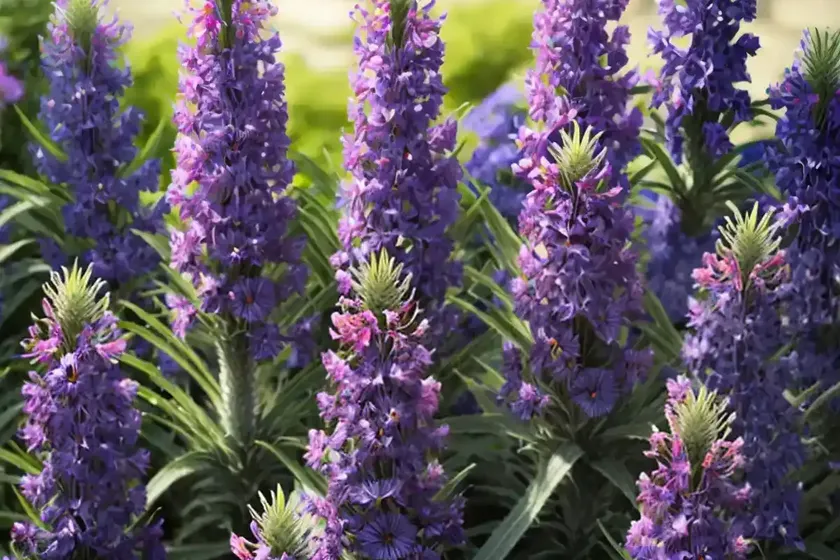
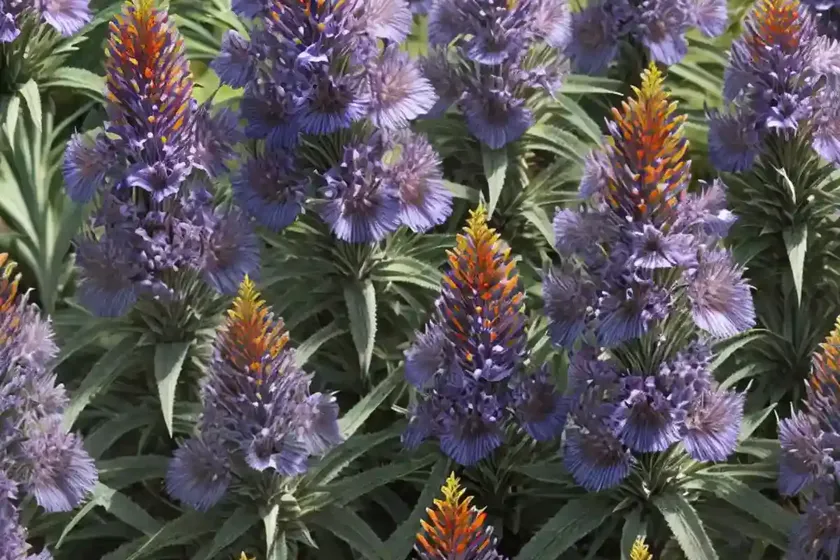
The Pride of Madeira, scientifically known as Echium candicans, is a stunning ornamental plant that originates from the island of Madeira. This captivating plant is cherished for its vibrant and bountiful purple flowers, as well as its ability to thrive in various landscapes and climates. In this comprehensive guide, we will explore the characteristics, care requirements, uses, and fascinating aspects of the Pride of Madeira. Whether you are a seasoned gardener or a novice plant enthusiast, this article will equip you with the knowledge and skills to cultivate and appreciate this botanical marvel.
What is the Pride of Madeira (Echium candicans)?
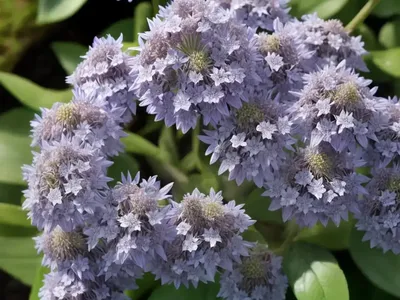
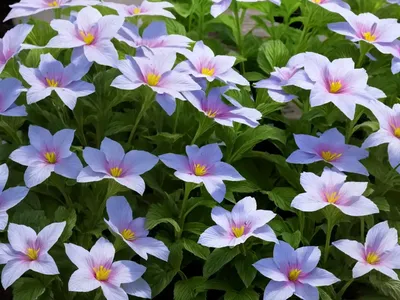
The Pride of Madeira, belonging to the Boraginaceae family, is a perennial evergreen shrub that is renowned for its striking floral displays and architectural presence in gardens. This plant is native to the Portuguese island of Madeira, where it flourishes in its natural habitat, adorning the landscape with its magnificent blooms. Echium candicans is characterized by its lance-shaped, silver-green foliage and elongated flower spikes that bear a plethora of vivid purple blossoms, exuding an irresistible allure to pollinators and onlookers alike.
Echium candicans Characteristics
The Pride of Madeira is distinguished by the following characteristics:
– Flower Color: Vivid purple
– Foliage: Lance-shaped, silver-green leaves
– Habit: Evergreen perennial shrub
– Height: Can reach heights of 6 to 8 feet
– Flowering Season: Typically blooms in late spring to early summer
– Attracts: Bees, butterflies, and hummingbirds
– Hardiness: Suitable for USDA hardiness zones 9 to 11
– Sun Requirements: Thrives in full sun to partial shade
Key Takeaways – Pride of Madeira (Echium candicans)
Before delving into the intricate care and maintenance aspects of the Pride of Madeira, let’s highlight the key takeaways for this captivating plant:
– The Pride of Madeira, or Echium candicans, is celebrated for its vibrant purple flowers and evergreen foliage.
– It is a hardy perennial shrub that thrives in full sun to partial shade, making it adaptable to diverse growing conditions.
– This plant is a magnet for pollinators such as bees, butterflies, and hummingbirds, contributing to the ecological vitality of garden spaces.
– Echium candicans is well-suited for coastal landscapes and boasts drought tolerance, adding resilience to garden designs.
Now, let’s embark on a journey to understand the meticulous care requirements, uses, and fascinating attributes of the resplendent Pride of Madeira.
Culture
Cultivating the Pride of Madeira involves a combination of attentive care, suitable growing conditions, and an appreciation for its natural beauty. Understanding the cultural preferences of this plant is essential for fostering its optimal growth and ensuring its enduring vitality in the garden.
Uses
The Pride of Madeira (Echium candicans) is esteemed for its diverse uses in garden landscapes and beyond. Some of its notable uses include:
– Ornamental Display: The vibrant purple flowers and silver-green foliage make the Pride of Madeira a captivating addition to garden beds, borders, and coastal landscapes.
– Wildlife Habitat: This plant serves as a valuable nectar source for pollinators, attracting bees, butterflies, and hummingbirds to the garden.
– Architectural Element: With its tall, spiky flower clusters, Echium candicans adds architectural interest to garden designs, serving as a focal point or backdrop in landscape compositions.
– Drought-Tolerant Planting: Due to its resilience to dry conditions, the Pride of Madeira is suitable for xeriscapes, coastal gardens, and arid landscapes.
Water
Providing adequate water is crucial for the establishment and sustained growth of the Pride of Madeira. While this plant demonstrates a remarkable tolerance to drought once established, it thrives with regular watering, particularly during its early stages of growth and flowering.
Watering Guidelines for Pride of Madeira:
– Establishment Phase: Water deeply and consistently during the first growing season to facilitate root development and establishment.
– Mature Plants: Once established, reduce the frequency of watering, allowing the soil to dry out between waterings to promote resilience and drought tolerance.
– Elevated Temperatures: During periods of intense heat, provide supplemental watering to prevent the soil from becoming excessively dry.
Sunlight
Echium candicans flourishes in sun-drenched environments, basking in the radiance of full sun to partial shade. Adequate sunlight is instrumental in promoting robust growth, prolific flowering, and the overall vitality of this captivating plant.
Sunlight Requirements for Pride of Madeira:
– Full Sun: Position the plant in an area that receives ample sunlight, ideally exposed to at least 6 to 8 hours of direct sunlight per day.
– Partial Shade: While the Pride of Madeira thrives in full sun, it can also tolerate partial shade, particularly in regions with intense summer heat, to shield it from excessive sun exposure.
Fertilizer
Feeding the Pride of Madeira with a balanced fertilizer can enhance its vigor and flowering capacity, contributing to the ongoing health and beauty of the plant. Selecting an appropriate fertilizer and applying it judiciously can fortify the plant’s nutrient reserves, promoting abundant blooms and lush foliage.
Fertilization Recommendations for Pride of Madeira:
– Timing: Apply a balanced, slow-release fertilizer in early spring to provide essential nutrients for the growing season.
– Frequency: Fertilize Echium candicans annually or as needed, avoiding excessive applications that may lead to excessive foliage growth at the expense of flowering.
– Soil Amendment: Incorporate organic matter into the soil to enrich its fertility and support the nutritional requirements of the Pride of Madeira.
Soil
Understanding the soil preferences of the Pride of Madeira is pivotal in cultivating a thriving and resilient plant. The composition, drainage, and fertility of the soil significantly influence the growth, blooming, and overall well-being of Echium candicans.
Soil Requirements for Pride of Madeira:
– Well-Drained Soil: Plant Echium candicans in well-drained soil to prevent waterlogging, which can adversely impact root health and vigor.
– Slightly Acidic to Neutral pH: The Pride of Madeira thrives in soil with a pH range of 6.0 to 7.0, creating an optimal environment for nutrient uptake and root development.
– Amendment: Incorporate organic matter, such as compost or well-rotted manure, into the soil to improve its structure and fertility, promoting the robust growth of the plant.
Pruning
Pruning plays a pivotal role in shaping the growth, appearance, and flowering capacity of the Pride of Madeira. Strategic pruning techniques can rejuvenate the plant, manage its size, and encourage the prolific production of vibrant flowers.
Pruning Guidelines for Pride of Madeira:
- Deadheading: Remove spent flower spikes to stimulate the emergence of new blossoms and prolong the flowering season of Echium candicans.
- Size Management: Trim back the plant to control its size and shape, promoting a tidy and well-proportioned appearance in the garden.
- Rejuvenation Pruning: Perform rejuvenation pruning by cutting back the plant to a few inches above ground level if it becomes leggy or overgrown, facilitating fresh growth and improved flowering in the subsequent season.
Propagation
Propagating the Pride of Madeira allows for the expansion of its presence in the garden and the sharing of its natural beauty with fellow plant enthusiasts. Understanding the propagation techniques enables the multiplication of Echium candicans while preserving its desirable traits and characteristics.
Propagation Methods for Pride of Madeira:
- Sowing Seeds: Collect seeds from mature flower spikes and sow them in well-drained seed-starting mix, maintaining adequate moisture and warmth to facilitate germination.
- Softwood Cuttings: Take softwood cuttings in early summer, ensuring they have a healthy portion of the stem and foliage, and propagate them in a suitable rooting medium to establish new plants.
- Division: Divide mature clumps of the Pride of Madeira by separating the root ball into sections, each containing viable roots and shoots, to propagate multiple individual plants.
Container Popularity
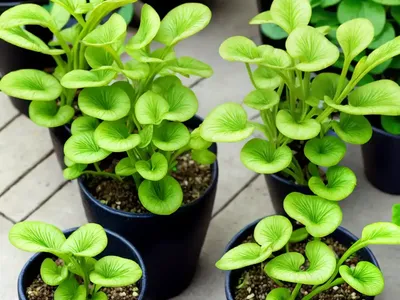
The Pride of Madeira’s allure extends to container gardening, where its striking presence and adaptability make it an excellent choice for enhancing outdoor spaces, patios, and balconies. Growing Echium candicans in containers allows for versatile placement and the creation of captivating focal points in confined areas.
Container Gardening Tips for Pride of Madeira:
- Container Selection: Choose a spacious and sturdy container with adequate drainage holes to accommodate the plant’s root system and promote proper moisture management.
- Potting Mix: Use a well-draining potting mix formulated for container plants to ensure sufficient aeration and moisture retention, supporting the robust growth of Echium candicans.
- Placement: Position the container in a sunny location, providing the plant with the requisite sunlight for vigorous growth and abundant flowering.
- Watering: Monitor the soil moisture closely and water the plant as needed, allowing excess water to drain freely from the container to prevent waterlogging.
Common Diseases
While the Pride of Madeira is generally resilient to diseases, certain conditions and environmental stressors can make it susceptible to specific ailments. By recognizing and addressing common diseases promptly, the plant’s vitality and visual appeal can be safeguarded.
Common Diseases of Pride of Madeira:
– Powdery Mildew: A fungal disease that manifests as a powdery white coating on leaves, affecting plant vigor and aesthetics. Addressing this disease involves improving air circulation, avoiding overhead watering, and applying appropriate fungicidal treatments.
– Root Rot: Excessive soil moisture and poor drainage can lead to root rot, causing the plant to exhibit wilting, yellowing foliage, and overall decline. Implementing measures to improve soil drainage and reduce watering can mitigate the risk of root rot.
Disease Diagnosis
Diagnosing diseases in the Pride of Madeira involves keen observation and an understanding of the symptoms, causal agents, and contributing factors. Prompt and accurate diagnosis enables effective intervention and management to mitigate the impact of diseases on the plant.
Steps for Disease Diagnosis in Pride of Madeira:
– Symptom Identification: Observe the plant for irregularities such as discolored foliage, spots, wilting, or unusual growth patterns.
– Causal Analysis: Investigate potential causes, such as environmental stress, pests, or fungal pathogens, to ascertain the underlying factors contributing to the observed symptoms.
– Treatment Protocol: Based on the diagnosed disease, implement targeted treatments, cultural adjustments, or preventive measures to address the specific ailment and restore the plant’s health.
Common Pests
While the Pride of Madeira exhibits resilience to many pests, certain insects and arthropods can pose a threat to its well-being. Understanding the common pests and their management empowers gardeners to safeguard Echium candicans from potential infestations.
Common Pests Affecting Pride of Madeira:
– Aphids: Small, sap-sucking insects that cluster on young foliage and flower buds, potentially causing distorted growth and diminished vigor. Controlling aphids involves physical removal, insecticidal treatments, and fostering natural predators.
– Spider Mites: These tiny arachnids can inflict damage by feeding on plant sap, leading to stippled foliage and webbing. Mitigating spider mite infestations involves regular monitoring, improving humidity, and applying horticultural oils or insecticidal soaps.
Botanist’s Tips
As a botanist seeking to enhance the cultivation and appreciation of the Pride of Madeira, consider the following tips to maximize the plant’s beauty and ecological contributions:
Botanist’s Tips for Cultivating Pride of Madeira:
– Pollinator Support: Embrace the role of the Pride of Madeira as a pollinator magnet by creating pollinator-friendly gardens and observing the diverse array of visitors it attracts.
– Naturalistic Planting: Incorporate Echium candicans into naturalistic designs, coastal landscapes, and Mediterranean-themed gardens to highlight its adaptability and visual allure.
– Disease Resistance: Foster conditions that promote plant health, such as adequate air circulation and proper watering practices, to bolster the plant’s resilience to diseases.
Fun Facts
Uncover the captivating and intriguing aspects of the Pride of Madeira through these fascinating fun facts that underscore its botanical significance and visual appeal:
Fun Facts about Pride of Madeira:
– The Pride of Madeira is known for its ability to self-seed prolifically, contributing to its naturalization in suitable climates and habitats.
– The plant’s nectar-laden flowers serve as a vital food source for bees, supporting their foraging activities and contributing to the ecological balance of the garden ecosystem.
– Echium candicans is renowned for its use in flower arrangements and cut flower displays, adding a touch of natural splendor to indoor settings.
Links to External Resources
To delve deeper into the wondrous realm of the Pride of Madeira and expand your knowledge of this remarkable plant, explore the following external resources:
– Royal Horticultural Society – Echium candicans
– University of Florida – Pride of Madeira
– Missouri Botanical Garden – Echium candicans
– The Spruce – Growing Pride of Madeira
The Pride of Madeira (Echium candicans) stands as a testament to the captivating beauty and ecological significance of botanical treasures. Whether adorning coastal landscapes, enriching pollinator habitats, or gracing garden compositions with its resplendent blooms, this plant continues to captivate and inspire all who encounter its natural splendor. As you embark on your journey of cultivating and cherishing this botanical marvel, may the knowledge and insights shared in this guide kindle a fervent appreciation for the enduring allure of the Pride of Madeira.