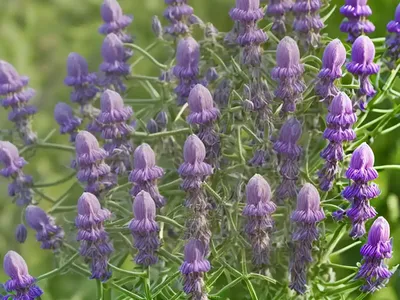
Lotus Vine (Lotus Berthelotii)
Plants have always been an integral part of human life, adding beauty and tranquility to our surroundings. Lotus vine, scientifically known as Lotus.



Plants have always been an integral part of human life, adding beauty and tranquility to our surroundings. Lotus vine, scientifically known as Lotus berthelotii, is one such plant that has enamored plant enthusiasts and horticulturists with its stunning foliage and trailing habits. In this extensive guide, we will delve into the world of Lotus vine, exploring its culture, uses, care requirements, and much more.
What is Lotus Vine (Lotus berthelotii)?
Lotus vine, a member of the Fabaceae family, is an ornamental plant known for its mesmerizing foliage and trailing growth habit. Native to the Canary Islands, this plant has made its mark in gardens and landscapes around the world due to its unique characteristics and versatility.
Key Takeaways
Before we dive deep into the various aspects of Lotus vine, let’s take a moment to highlight the key takeaways related to this fascinating plant.
-
Lotus flower: Despite being commonly referred to as Lotus vine, it is essential to distinguish that the Lotus vine (Lotus berthelotii) is not related to the sacred Lotus flower.
-
Vine plants: Lotus vine is categorized as a trailing or vine-like plant, making it a perfect choice for hanging baskets and vertical gardening.
-
Ornamental plants: This plant is primarily grown for ornamental purposes due to its attractive foliage and trailing nature.
-
Hanging plants: Its cascading growth habit makes it an ideal candidate for hanging planters and baskets, adding an exquisite touch to any space.
-
Trailing plants: Lotus vine’s trailing nature and unique foliage set it apart as a stunning trailing plant for gardens and landscapes.
Now, let’s venture into the various facets of Lotus vine, from its cultural significance to its care requirements and propagation techniques.
Culture of Lotus Vine
Understanding the cultural requirements of Lotus vine is crucial for successfully growing and maintaining this alluring plant. Let’s explore its cultural preferences in terms of water, sunlight, fertilizer, soil, and pruning.
Water
-
Water requirements: Lotus vine prefers a moderate level of moisture, and it is important to allow the soil to dry out slightly between waterings to prevent waterlogging, which can lead to root rot.
-
Watering frequency: During the growing season, typically spring to fall, water the plant thoroughly whenever the top inch of the soil feels dry. Reduce watering during the winter months while ensuring that the soil does not completely dry out.
Sunlight
-
Sunlight requirements: Lotus vine thrives in bright, indirect light. While it can tolerate some direct sunlight, especially during the morning hours, it is best to provide partial shade during the hottest part of the day to prevent leaf scorching.
-
Indoor lighting: If grown indoors, ensure that the plant receives ample light from a south or west-facing window. Supplemental grow lights can also be used to provide the necessary light intensity.
Fertilizer
-
Fertilization frequency: Feed Lotus vine with a balanced, water-soluble fertilizer diluted to half-strength every 2-4 weeks during the growing season. Reduce or suspend fertilization during the winter months when the plant’s growth slows down.
-
Fertilizer type: Opt for a fertilizer with equal NPK (nitrogen, phosphorus, potassium) ratio to promote overall plant health and foliage development.
Soil
-
Soil type: Lotus vine thrives in well-draining, slightly acidic to neutral soil. A mix of peat moss, perlite, and coarse sand works well for providing the necessary aeration and drainage for the plant’s roots.
-
Container drainage: When planting Lotus vine in containers, ensure that the pots have drainage holes to prevent water from pooling at the bottom, which can lead to root rot.
Pruning
-
Pruning habits: Regularly prune Lotus vine to encourage bushier growth and maintain its trailing shape. Pinching back the stems and removing leggy growth helps in promoting new growth and a compact form.
-
Pruning frequency: Prune the plant as needed throughout the growing season, but avoid heavy pruning during the winter months when the plant is relatively dormant.
Now that we have covered the cultural requirements of Lotus vine, let’s explore its diverse uses in gardens and landscapes.
Uses of Lotus Vine
Lotus vine’s unique attributes make it a versatile plant with a wide range of uses, from enhancing the beauty of hanging baskets to serving as an ornamental addition to floral arrangements. Let’s delve into its various applications.
Ornamental Plantings
-
Hanging baskets: Lotus vine is widely popular as a hanging basket plant, cascading gracefully from the container and adding a touch of elegance to any space.
-
Vertical gardens: Due to its trailing nature, Lotus vine is an excellent choice for vertical gardens, where its vibrant foliage creates stunning visual displays.
-
Ground cover: In suitable climates, Lotus vine can be used as a ground cover, filling in areas with its lush foliage and vibrant colors.
Floral Arrangements
-
As a filler: The delicate, intricate foliage of Lotus vine makes it an ideal filler for floral arrangements, adding texture and a pop of color to bouquets and centerpieces.
-
Trailing techniques: Florists often use Lotus vine for its trailing abilities, allowing it to elegantly drape from arrangements and provide a flowing, natural look.
Indoor Gardens
-
Container plantings: When grown in containers, Lotus vine adds a refreshing touch to indoor gardens, effortlessly trailing over the edges and softening the lines of the pot.
-
Low-maintenance: Its low maintenance requirements and ornamental appeal make Lotus vine a preferred choice for indoor gardening, especially for those looking to add trailing plants to their collection.
Now that we have explored the cultural preferences and uses of Lotus vine, let’s focus on its propagation methods and its suitability for container gardening.
Propagation and Container Gardening
Understanding how to propagate Lotus vine and its suitability for container gardening is essential for expanding its presence in gardens and enhancing its ornamental value.
Propagation
-
Seed propagation: While Lotus vine can be grown from seeds, it is a relatively slow process, and propagating from seeds may not maintain the characteristics of the parent plant.
-
Stem cuttings: Propagation through stem cuttings is the preferred method for maintaining the traits of the parent plant. Select healthy stems, take 3-4 inch cuttings, and root them in a well-draining rooting medium.
-
Root division: Mature Lotus vine plants can also be propagated through root division, though this method is less commonly used compared to stem cuttings.
Container Gardening
-
Container size: When planting Lotus vine in containers, choose pots that provide ample space for the plant to trail and spread. Hanging baskets with coco coir or wire baskets lined with moss are popular choices.
-
Trailing techniques: Allow the stems of Lotus vine to trail over the edges of the container, creating an enchanting cascade of foliage. Regular pruning can help maintain the desired shape and size within the container.
-
Companion plants: Pair Lotus vine with complementary plants in containers to create visually appealing displays. Consider combining it with flowering plants or contrasting foliage for added visual interest.
With its exquisite foliage and trailing habits, Lotus vine has become popular among gardeners and plant enthusiasts. However, like all plants, it is susceptible to certain diseases and pests. Let’s explore the common diseases, pests, and their management strategies for Lotus vine.
Common Diseases and Pests
As a plant scientist, it is essential to understand the potential challenges that Lotus vine may face in terms of diseases and pests. By being aware of these issues, appropriate preventive measures and management strategies can be implemented.
Disease Diagnosis
-
Leaf spot: Fungal pathogens can cause leaf spots on Lotus vine, leading to the development of dark or discolored spots on the foliage. Ensure good air circulation and avoid overhead watering to prevent this issue.
-
Root rot: Overwatering or poor drainage can result in root rot, causing the plant to exhibit wilting, yellowing, or browning of the foliage. Adjust the watering practices and improve the soil’s drainage to mitigate this problem.
-
Powdery mildew: Humid conditions can promote the development of powdery mildew on Lotus vine, characterized by a white, powdery growth on the leaves. Maintain proper air circulation and consider applying fungicidal treatments if necessary.
Common Pests
-
Aphids: These tiny, sap-sucking insects can infest Lotus vine, causing distorted growth and the presence of sticky honeydew. Use insecticidal soap or neem oil to control aphid infestations.
-
Spider mites: Spider mites may target Lotus vine, especially in dry and arid conditions, leading to stippled or discolored foliage. Regularly mist the plant to increase humidity and use predatory mites or insecticidal sprays to manage spider mite populations.
-
Mealybugs: These soft-bodied insects can cluster on the stems and foliage of Lotus vine, feeding on the plant sap and causing weakening of the plant. Prune and dispose of heavily infested areas and use natural predators or insecticidal treatments to control mealybug populations.
While preventing diseases and pests is crucial, it is equally important to provide optimal care and maintenance to keep Lotus vine healthy and thriving. Let’s explore some expert tips for growing and caring for Lotus vine.
Botanist’s Tips for Lotus Vine Care
As an experienced plant scientist, I would like to share some valuable tips for caring for Lotus vine, ensuring its vigor and longevity in gardens and landscapes.
-
Regular inspection: Routinely inspect the foliage of Lotus vine for signs of diseases, pests, or nutrient deficiencies. Early detection allows for prompt intervention and mitigates potential issues.
-
Balanced nutrition: Provide the plant with balanced nutrition through regular fertilization and supplementing with micronutrients if necessary. A well-fed plant is better equipped to resist diseases and pests.
-
Proper training: When growing Lotus vine in containers or as a vertical display, gently guide its stems to encourage trailing and cascading growth. This not only enhances the plant’s aesthetic appeal but also prevents overcrowding and encourages air circulation.
-
Environmental considerations: Take into account the environmental conditions when placing Lotus vine, ensuring it receives adequate light, optimal humidity, and suitable temperatures for its growth.
-
Pruning practices: Adopt appropriate pruning practices, focusing on removing dead or diseased growth, as well as promoting a balanced and attractive form for the plant.
Now, let’s explore some fascinating and lesser-known facts about Lotus vine, adding to its allure and charismatic presence in gardens and landscapes.
Fun Facts about Lotus Vine
-
Canary Islands native: Lotus vine is indigenous to the Canary Islands, where it thrives in the subtropical climate and adds a touch of vibrant color to the natural landscape.
-
Attracts pollinators: The flowers of Lotus vine, though not the focal point of the plant, can attract pollinators such as bees and butterflies, contributing to ecological diversity in the garden.
-
Historical symbolism: In various cultures, the Lotus flower has been symbolically significant. While Lotus vine is not directly related to the sacred Lotus flower, its presence can evoke a sense of tranquility and beauty.
-
Drought-tolerant: Despite its lush appearance, Lotus vine exhibits good drought tolerance once established, making it suitable for xeriscaping and water-wise gardening practices.
By uncovering these intriguing facts, we gain a deeper appreciation for the unique qualities and potential benefits of incorporating Lotus vine into our garden designs.
Links to External Resources
After thoroughly exploring the cultivation, uses, and nuances of Lotus vine, I recommend delving into additional resources for a comprehensive understanding of this captivating plant:
- Royal Horticultural Society – Lotus vine care tips
- University of Florida IFAS Extension – Lotus vine in subtropical regions
- Missouri Botanical Garden – Growing plants for hanging baskets
By leveraging these external resources, you can gain valuable insights and guidance on cultivating Lotus vine, expanding your horticultural knowledge, and integrating this stunning plant into your gardening endeavors.
In conclusion, Lotus vine (Lotus berthelotii) exemplifies nature’s artistry with its delightful trailing habit and intricate foliage. From its cultural preferences to its diverse uses and care tips, this plant offers an enchanting addition to gardens, indoor spaces, and floral arrangements. By understanding its unique characteristics and attending to its specific needs, you can create captivating displays and experience the joy of nurturing this remarkable plant.
As a plant scientist and enthusiast, I encourage you to embrace the allure of Lotus vine and explore the myriad possibilities it offers for enhancing your botanical landscapes and enriching your horticultural journey.
Happy gardening!
Disclaimer: The information provided in this article is for educational and informational purposes only. The cultivation and care of plants may vary based on specific climatic conditions and individual gardening practices.