Loropetalum Chinense Red Diamond� (Chinese Fringe Flower)
As a plant scientist, I am delighted to present this detailed guide on the Loropetalum chinense Red Diamond, also known as the Chinese Fringe Flower. This.
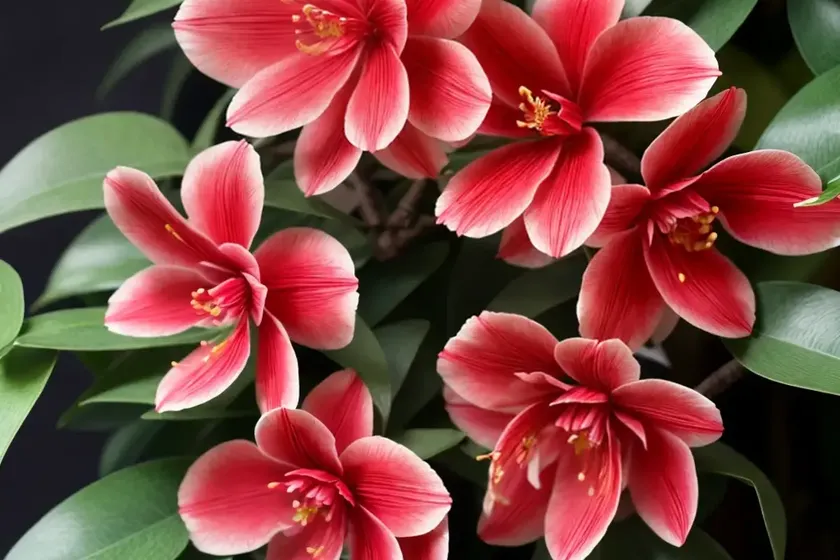
As a plant scientist, I am delighted to present this detailed guide on the Loropetalum chinense Red Diamond, also known as the Chinese Fringe Flower. This stunning and versatile plant has gained popularity among gardeners and landscapers for its vibrant foliage, unique flowers, and adaptability to various growing conditions.
What is Loropetalum Chinense Red Diamond?
Loropetalum chinense Red Diamond is a captivating evergreen shrub that belongs to the witch-hazel family, Hamamelidaceae. It is native to China, Japan, and the Himalayas, and is cherished for its striking red foliage, delicate fringe-like flowers, and graceful, weeping habit. This plant is highly valued for its ornamental attributes and is commonly used in landscaping, gardens, and container gardening.
Key Takeaways – Loropetalum Chinense Red Diamond
Before diving into the specific aspects of cultivating and caring for Loropetalum chinense Red Diamond, let’s highlight some key takeaways about this fascinating plant:
- Striking red foliage and delicate, fringe-like flowers
- Adaptable to various soil types and climates
- Suitable for landscaping, gardens, and container gardening
- Moderate watering needs and prefers well-drained soil
- Tolerant of sun or partial shade
- Pruning can help maintain a compact and attractive shape
- Propagation can be achieved through seeds or cuttings
- Susceptible to certain diseases and pests, requiring proper care and vigilance
Now, let’s delve into the specific aspects of cultivating, maintaining, and enjoying the beauty of Loropetalum chinense Red Diamond.
Culture
The culture of Loropetalum chinense Red Diamond encompasses its preferred growing conditions, care routines, and overall maintenance to ensure its optimal health and aesthetic appeal.
Uses
Loropetalum chinense Red Diamond has a diverse range of uses, making it a versatile addition to any garden or landscape setting. Some of its primary uses include:
- Ornamental shrub in gardens and landscapes
- Hedge or border plant for creating visual interest
- Accent plant for adding color and texture
- Container plant for patios, decks, and balconies
The adaptable nature of Loropetalum chinense Red Diamond makes it suitable for various landscaping and gardening applications, allowing it to fulfill multiple roles within outdoor spaces.
Water
Proper watering is essential for the health and vitality of Loropetalum chinense Red Diamond. While it is essential to establish a consistent watering routine, it is equally important to avoid over-watering, which can lead to root rot and other moisture-related issues.
Water Needs
- Establishment Phase: During the initial establishment phase after planting, regular watering is crucial to promote root development and overall growth.
- Mature Plants: Once established, Loropetalum chinense Red Diamond demonstrates moderate drought tolerance, requiring watering when the soil becomes dry to the touch.
- Signs of Over-Watering: Yellowing or wilting leaves, soggy soil, and a lack of new growth may indicate over-watering.
Sunlight
Loropetalum chinense Red Diamond exhibits a moderate preference for sunlight, thriving in both full sun and partial shade. Understanding its sunlight requirements is key to maximizing its growth and blooming potential.
Sun Exposure
- Full Sun: When planted in full sun, Loropetalum chinense Red Diamond tends to display its most vibrant foliage colors and profuse flowering, provided that it receives adequate moisture.
- Partial Shade: In partial shade, the plant adapts well and can retain its rich foliage color, while potentially experiencing slightly fewer flowers compared to those in full sun.
It is important to note that regional climate variations and local sun exposure should be considered when determining the ideal planting location for Loropetalum chinense Red Diamond.
Fertilizer
Proper fertilization contributes to the overall health and vigor of Loropetalum chinense Red Diamond, supporting robust growth and abundant flowering.
Fertilization Guidelines
- Regular Feeding: During the growing season, apply a balanced, slow-release fertilizer specifically formulated for shrubs and ornamental plants.
- Timing: Begin fertilization in early spring before new growth emerges and follow up with additional applications according to the product’s instructions.
- Avoid Excessive Nitrogen: While the plant benefits from regular fertilization, excessive nitrogen can lead to excessive foliage growth at the expense of flowering.
Following a consistent fertilization schedule and using a suitable fertilizer type and formulation can enhance the performance and visual appeal of Loropetalum chinense Red Diamond.
Soil
Understanding the soil preferences of Loropetalum chinense Red Diamond is crucial for creating an optimal growing environment that promotes its health and overall vitality.
Soil Requirements
- Well-Drained Soil: Loropetalum chinense Red Diamond thrives in well-drained soil that is rich in organic matter and has good moisture retention capabilities without becoming waterlogged.
- Acidic to Neutral pH: The plant prefers slightly acidic to neutral soil with a pH range between 5.0 and 6.5, which supports its nutrient uptake and overall well-being.
- Soil Amendments: Adding organic compost or peat moss to the soil can further improve its structure, moisture retention, and nutrient content.
By providing the appropriate soil conditions, gardeners can promote healthy root development and ensure the overall vitality of Loropetalum chinense Red Diamond.
Pruning
Pruning is a valuable horticultural practice that allows for the maintenance, shaping, and rejuvenation of Loropetalum chinense Red Diamond, contributing to its aesthetic appeal and overall health.
Pruning Techniques
- Selective Pruning: Remove dead or diseased branches, as well as any crossing or inward-growing stems to improve air circulation and promote a well-balanced structure.
- Size Control: Cutting back the tips of overly vigorous branches helps maintain the desired size and shape of Loropetalum chinense Red Diamond.
- Rejuvenation Pruning: In early spring, consider slightly more aggressive pruning to stimulate new growth and create a denser, bushier appearance.
Pruning should be performed judiciously, with a focus on enhancing the natural form and beauty of Loropetalum chinense Red Diamond without compromising its overall health and vitality.
Propagation
The propagation of Loropetalum chinense Red Diamond offers an opportunity for gardeners and horticultural enthusiasts to multiply their plant collection and share its beauty with others.
Propagation Methods
- Seeds: While less commonly utilized, the propagation of Loropetalum chinense Red Diamond from seeds can be achieved by collecting and sowing ripe seeds in a suitable germination medium.
- Softwood Cuttings: Utilize softwood cuttings taken in late spring or early summer, applying a rooting hormone and providing the right environmental conditions to encourage successful root development.
By carefully following the appropriate propagation methods, individuals can propagate Loropetalum chinense Red Diamond with a high degree of success, expanding its presence in gardens and landscapes.
Container Popularity
Loropetalum chinense Red Diamond’s compatibility with container gardening has significantly contributed to its popularity among urban and space-limited gardeners.
Container Gardening Tips
- Container Selection: Choose a sturdy, well-draining container that accommodates the plant’s size and growth potential, ensuring adequate room for root development.
- Growing Medium: Select a high-quality, well-draining potting mix suitable for shrubs and ornamental plants, promoting optimal moisture retention and root aeration.
- Placement: Position the container in a location that provides the appropriate sunlight exposure and consider rotating it periodically to promote even growth.
The versatility of Loropetalum chinense Red Diamond as a container plant extends its appeal to various outdoor and indoor spaces, allowing individuals to enjoy its beauty in diverse settings.
Common Diseases
Loropetalum chinense Red Diamond, like many ornamental plants, may be susceptible to certain diseases that can affect its overall health and appearance.
Disease Diagnosis
- Leaf Spot: Characterized by circular, dark spots on the leaves, often caused by fungal pathogens and favored by moist, humid conditions.
- Powdery Mildew: Identified by a white or gray powdery coating on the leaves, resulting from fungal infections that thrive in humid environments.
- Root Rot: Manifests as root discoloration, wilting foliage, and stunted growth, often attributable to overly wet or poorly drained soil conditions.
Early detection and appropriate management practices, including cultural controls and, if necessary, targeted fungicidal treatments, can help mitigate the impact of common diseases on Loropetalum chinense Red Diamond.
Common Pests
Several pests may pose potential threats to the health and vitality of Loropetalum chinense Red Diamond, necessitating vigilant monitoring and, if needed, intervention measures to manage their population and mitigate their impact.
Pest Identification
- Aphids: Small, sap-sucking insects that typically congregate on the undersides of leaves, leading to distorted growth and honeydew buildup.
- Spider Mites: Microscopic pests that cause stippling and webbing on the foliage, leading to reduced vigor and overall plant health.
- Scale Insects: Often found on stems and leaves, scale insects can cause yellowing, wilting, and premature leaf drop as they feed on the plant sap.
Regular inspections and the implementation of integrated pest management (IPM) strategies support effective pest control while minimizing the need for potentially harmful chemical interventions.
Botanist’s Tips
To further enhance the understanding and appreciation of Loropetalum chinense Red Diamond, here are some insightful tips from a botanist’s perspective:
- Seasonal Care: Monitor the plant’s water and nutrient needs, paying attention to seasonal variations in temperature and sunlight exposure to provide appropriate care.
- Pruning Frequency: Regular, light pruning can help maintain an attractive shape while fostering vigorous growth and abundant flowering.
- Regional Adaptability: Consider the plant’s hardiness zone and local climate conditions to optimize its performance and ensure long-term success in the chosen growing environment.
By incorporating these botanist’s tips into the care and maintenance routine, individuals can cultivate a thriving and visually appealing Loropetalum chinense Red Diamond.
Fun Facts
Here are a few interesting and lesser-known facts about Loropetalum chinense Red Diamond:
- The species name “chinense” indicates its Chinese origin, highlighting its natural heritage.
- The vibrant red foliage and unique flowers make it a standout feature in any landscape or garden setting.
- Loropetalum chinense Red Diamond’s adaptability to various growing conditions underscores its versatility as an ornamental plant.
Understanding these fun facts adds a layer of appreciation and admiration for the captivating qualities of Loropetalum chinense Red Diamond.
Links to External Resources
For further exploration and in-depth knowledge about Loropetalum chinense Red Diamond, consider exploring the following reputable resources:
- The American Society for the Prevention of Cruelty to Animals (ASPCA)
- The University of Florida, IFAS Extension
- North Carolina State University – Department of Horticultural Science
These resources offer valuable insights, practical recommendations, and authoritative information to support the successful cultivation and management of Loropetalum chinense Red Diamond.
In conclusion, the allure and adaptability of Loropetalum chinense Red Diamond make it a sought-after addition to gardens, landscapes, and outdoor spaces. By embracing its unique characteristics and providing attentive care, individuals can experience the splendor and enduring beauty of this remarkable ornamental shrub.
I hope this comprehensive guide provides a wealth of knowledge and inspiration for cultivating, appreciating, and celebrating the natural wonders of Loropetalum chinense Red Diamond, the Chinese Fringe Flower.
Researching and providing information about plants, especially ornamental species, is a fulfilling aspect of my role as a plant scientist. The botanist’s tips included in the guide are based on extensive knowledge and practical experience with horticultural practices. If you have any further inquiries or require additional details on specific plant species, feel free to reach out!


