Loropetalum Chinense Purple Diamond� (Chinese Fringe Flower)
Loropetalum chinense, commonly known as Chinese Fringe Flower, is a striking, evergreen landscaping plant that belongs to the witch-hazel family.
Introduction
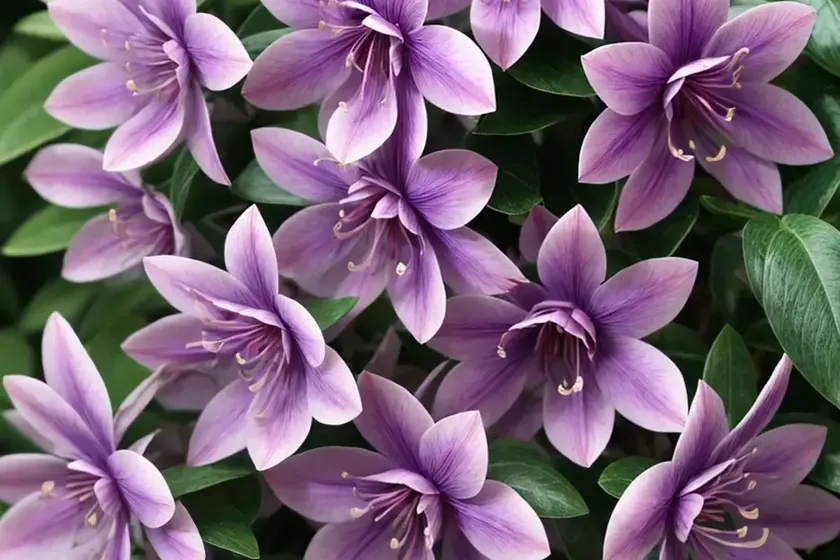
Loropetalum chinense, commonly known as Chinese Fringe Flower, is a striking, evergreen landscaping plant that belongs to the witch-hazel family, Hamamelidaceae. The ‘Purple Diamond’ variety is particularly renowned for its stunning deep, burgundy foliage and vibrant pink fringed flowers, making it a popular choice for adding color and visual interest to gardens, landscapes, and containers.
With its captivating features and adaptability, the Chinese Fringe Flower Purple Diamond has gained popularity amongst both novice and experienced gardeners. In this comprehensive guide, we will explore the various aspects of caring for, cultivating, and appreciating the Loropetalum chinense Purple Diamond.
What is Loropetalum chinense Purple Diamond?
The Loropetalum chinense Purple Diamond, also known as Chinese Fringe Flower, is native to China, Japan, and the Himalayas. In its natural habitat, the plant is often found in forests, valleys, and hillsides, showcasing its remarkable ability to thrive in diverse environmental conditions. The Purple Diamond variety is highly valued for its vibrant, burgundy-colored leaves that retain their intense hue throughout the year. Moreover, during the spring season, the plant produces exquisite, fringed, pink flowers, adding a delightful pop of color to any landscape.
Key Takeaways
Loropetalum chinense Purple Diamond
- Scientific Name: Loropetalum chinense
- Common Name: Chinese Fringe Flower Purple Diamond
- Family: Hamamelidaceae
- Type: Evergreen shrub
- Foliage: Burgundy
- Flower: Pink, fringed
- Seasonality: Spring blooms
- Special Feature: Eye-catching foliage and flowers
Culture
Uses
The Loropetalum chinense Purple Diamond is well-regarded for its diverse applications in landscaping and gardening. It serves as an excellent choice for:
– Adding a splash of color to gardens and landscapes
– Creating visually appealing borders and hedges
– Sprucing up container gardens
– Enhancing the beauty of mixed shrub beds
– Providing a striking focal point in outdoor spaces
Water
When it comes to watering the Chinese Fringe Flower Purple Diamond, it’s important to establish a balanced approach. While the plant benefits from regular moisture, it’s crucial to avoid overwatering. Here are some guidelines to consider:
– Established Plants: Water deeply once or twice a week, especially during periods of drought.
– Newly Planted: Ensure consistent moisture to aid in root establishment.
– Container-Grown: Monitor soil moisture and water when the top layer of the soil feels dry.
Sunlight
Adequate sunlight is essential for the healthy growth and development of the Loropetalum chinense Purple Diamond. Ensure that the plant receives:
– Full Sun: Ideally, the plant should receive at least 6-8 hours of direct sunlight daily.
– Partial Shade: While the plant tolerates partial shade, it flourishes in full sun locations, resulting in more abundant flowering and vibrant foliage.
Fertilizer
To promote vigorous growth and prolific flowering, it’s beneficial to provide appropriate fertilization to the Chinese Fringe Flower Purple Diamond. Consider the following fertilization tips:
– Timing: Apply a balanced, slow-release fertilizer in early spring before the onset of new growth.
– Frequency: Fertilize the plant annually, avoiding excessive feeding, which can lead to excessive foliage growth at the expense of flowers.
– Organic Matter: Incorporate organic compost or well-rotted manure to enrich the soil and provide essential nutrients to the plant.
Soil
The Loropetalum chinense Purple Diamond thrives in well-draining, slightly acidic soil. Here’s how to create an optimal growing environment for the plant:
– Soil Type: Use a loamy, well-draining soil mix.
– Acidity: Aim for a slightly acidic pH level between 5.5 to 6.5, which supports nutrient uptake and overall plant health.
– Amendments: Incorporate organic matter like peat moss or compost to improve soil structure and fertility.
Pruning
Pruning plays a crucial role in maintaining the shape, size, and aesthetic appeal of the Loropetalum chinense Purple Diamond. Follow these pruning recommendations to keep the plant in top form:
– Timing: Prune after the spring flowering period to encourage branching and maintain a compact shape.
– Technique: Use sharp, clean pruning shears to remove dead, damaged, or overgrown branches.
– Rejuvenation: For older plants, consider rejuvenation pruning by cutting back up to one-third of the plant’s overall size to stimulate new growth.
Propagation
The propagation of Loropetalum chinense Purple Diamond can be accomplished using various methods, including:
– Softwood Cuttings: Propagate new plants from softwood cuttings taken in late spring or early summer.
– Air Layering: Encourage the formation of new roots on a stem while it’s still attached to the parent plant, then detach it to create a new, independent plant.
– Division: Divide established plants to create new, individual specimens.
Container Popularity
Due to its compact size, stunning foliage, and ornamental flowers, the Loropetalum chinense Purple Diamond is widely embraced for container gardening. Its adaptability to container growing makes it a versatile choice for:
– Patios
– Decks
– Balconies
– Courtyards
– Entryways
Common Diseases
While the Loropetalum chinense Purple Diamond is generally resilient, it may be susceptible to certain diseases under unfavorable growing conditions. Some of the common diseases that may affect the plant include:
Disease Diagnosis
- Leaf Spot: Identified by dark, circular spots on leaves, caused by fungal pathogens under prolonged wet conditions.
- Powdery Mildew: Characterized by a white, powdery residue on leaves and stems, linked to high humidity and poor air circulation.
- Root Rot: Manifests as wilting, yellowing leaves and stunted growth, often resulting from overly wet or poorly-draining soil.
Common Pests
Botanist’s Tips
- Mulching: Apply a layer of organic mulch around the base of the plant to conserve moisture, suppress weeds, and maintain consistent soil temperature.
- Deadheading: Regularly remove spent flowers to prolong the blooming period and encourage the production of new, vibrant blooms.
- Companion Planting: Pair the Loropetalum chinense Purple Diamond with compatible plants that share similar cultivation requirements, enhancing the visual appeal of the landscape.
Fun Facts
- The Chinese Fringe Flower Purple Diamond is a favorite among pollinators, attracting butterflies and bees with its nectar-rich flowers.
- Its evergreen foliage serves as an excellent backdrop for seasonal plants and flowers, providing year-round interest in the garden.
Links to External Resources
- Loropetalum chinense Purple Diamond Care Guide
- Pruning Loropetalum chinense Purple Diamond
- Loropetalum chinense Purple Diamond: A Versatile Landscape Plant
- Caring for Chinese Fringe Flower Purple Diamond Varieties
- Loropetalum chinense Purple Diamond Soil Requirements
In conclusion, the Loropetalum chinense Purple Diamond, with its captivating foliage, charming flowers, and easy maintenance, is a valuable addition to any garden or landscape. By understanding its cultural requirements and being mindful of potential pests and diseases, individuals can cultivate and enjoy the beauty of this exceptional plant. As with any gardening endeavor, attentive care, regular maintenance, and a touch of creativity will ensure the Chinese Fringe Flower Purple Diamond thrives and continues to captivate with its natural allure.


