Loropetalum Chinense ‘Emerald Snow’ (Chinese Fringe Flower)
Loropetalum chinense ‘Emerald Snow’, commonly known as Chinese Fringe Flower, is a stunning and versatile plant that has gained popularity among gardeners.
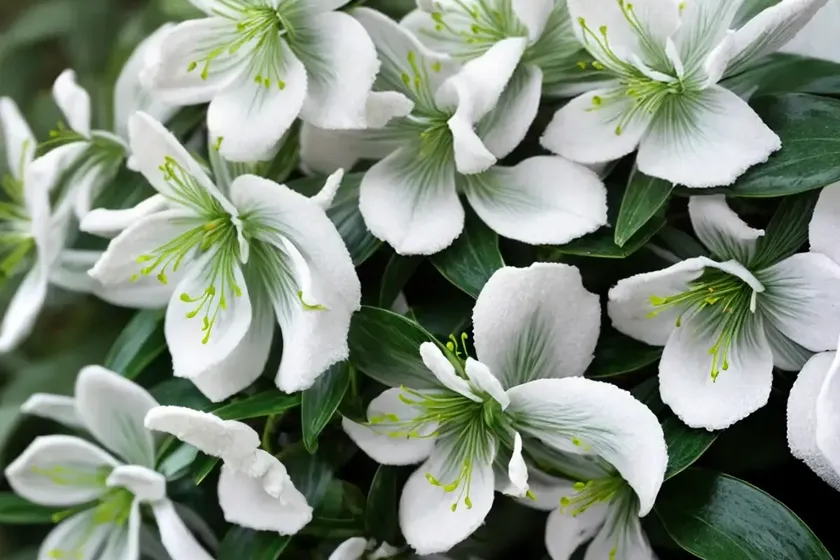


Loropetalum chinense ‘Emerald Snow’, commonly known as Chinese Fringe Flower, is a stunning and versatile plant that has gained popularity among gardeners and landscapers alike. Its delicate, snow-white flowers and rich evergreen foliage make it a sought-after addition to gardens, landscapes, and even containers. In this extensive guide, we will delve into the various aspects of Loropetalum chinense ‘Emerald Snow’ – from its culture and uses to its care requirements, common diseases, and much more.
What is Loropetalum Chinense ‘Emerald Snow’?
Loropetalum chinense ‘Emerald Snow’ is a member of the witch-hazel family, Hamamelidaceae, and is native to Japan, China, and the Himalayas. This evergreen shrub is distinguished by its vibrant, deep green foliage and striking snow-white, fringe-like flowers that cascade from its branches. Its compact size and year-round appeal make it a popular choice for gardens, borders, and landscapes.
Key Takeaways – Loropetalum chinense ‘Emerald Snow’
Before we dive into the specifics of Loropetalum chinense ‘Emerald Snow’, let’s take a quick look at the key takeaways concerning this unique and captivating plant:
- Scientific Name: Loropetalum chinense ‘Emerald Snow’
- Common Name: Chinese Fringe Flower ‘Emerald Snow’
- Family: Hamamelidaceae
- Type: Evergreen shrub
- Native Range: Japan, China, Himalayas
- Key Features: Snow-white flowers, deep green foliage, compact size
- Uses: Landscapes, gardens, borders, containers
Now that we have an overview of Loropetalum chinense ‘Emerald Snow’, let’s delve into the various aspects of its culture, uses, care requirements, and more.
Culture
Understanding the culture and requirements of Loropetalum chinense ‘Emerald Snow’ is crucial for ensuring its optimal growth and development. Let’s explore the key cultural aspects related to this exquisite plant.
Water
Loropetalum chinense ‘Emerald Snow’ thrives in well-drained soil and prefers moderate moisture levels. When establishing a watering routine for this plant, consider the following guidelines:
- Watering Frequency: Water deeply and regularly during the plant’s establishment period. Once established, Loropetalum chinense ‘Emerald Snow’ generally requires watering during dry spells.
- Avoid Waterlogging: Ensure that the plant is not subjected to waterlogging, as it may lead to root rot and other moisture-related issues.
- Drought Tolerance: Once established, Loropetalum chinense ‘Emerald Snow’ exhibits good drought tolerance but benefits from occasional deep watering during prolonged dry periods.
Sunlight
Proper sunlight exposure is essential for the healthy growth and flowering of Loropetalum chinense ‘Emerald Snow’. Consider the following sunlight-related guidelines:
- Optimal Sun Exposure: Plant Loropetalum chinense ‘Emerald Snow’ in a location that receives full to partial sunlight. Approximately 6-8 hours of sunlight per day is ideal for robust growth and prolific flowering.
- Sunlight Protection: While the plant thrives in sunlight, it may benefit from afternoon shade in excessively hot climates to prevent stress and foliage burn.
Fertilizer
Fertilizing Loropetalum chinense ‘Emerald Snow’ is integral to promoting healthy growth and vibrant blooms. Consider the following fertilization recommendations:
- Timing: Apply a balanced, slow-release fertilizer formulated for acid-loving plants in early spring before the onset of new growth.
- Frequency: Repeat the fertilizer application in mid-summer to support the plant’s growth and flowering.
- Avoid Overfertilization: Refrain from overfertilizing as it may lead to excessive foliage growth at the expense of flowers and may also harm the plant’s overall health.
Soil
Loropetalum chinense ‘Emerald Snow’ thrives in well-drained, slightly acidic soil. When considering the soil requirements for this plant, keep the following points in mind:
- Preferred Soil Type: Plant Loropetalum chinense ‘Emerald Snow’ in loamy, well-draining soil with a slightly acidic pH range of 5.0-6.5.
- Soil Amendments: Incorporate organic matter such as peat moss, compost, or pine bark into the soil to enhance its drainage and acidity levels.
- Avoid Waterlogged Soil: Ensure that the soil has good drainage to prevent waterlogging, which can compromise the plant’s health and vitality.
Pruning
Pruning plays a vital role in maintaining the shape, size, and overall appearance of Loropetalum chinense ‘Emerald Snow’. Here are some essential pruning guidelines for this plant:
- Pruning Time: Prune Loropetalum chinense ‘Emerald Snow’ immediately after flowering to shape the plant and remove any dead or damaged branches.
- Minimal Pruning: Generally, minimal pruning is required for Loropetalum chinense ‘Emerald Snow’ to maintain its natural form and aesthetic appeal.
- Renewal Pruning: If necessary, perform renewal pruning by selectively removing older branches to encourage new growth and rejuvenation.
Propagation
Propagating Loropetalum chinense ‘Emerald Snow’ allows for the expansion of its presence in gardens and landscapes. Consider the following methods for propagating this captivating plant:
- Softwood Cuttings: Propagate Loropetalum chinense ‘Emerald Snow’ from softwood cuttings taken in late spring or early summer. Use a rooting hormone to enhance the success rate of the cuttings.
- Air Layering: Air layering can also be employed to propagate Loropetalum chinense ‘Emerald Snow’, particularly for larger, more established specimens.
- Division: In some cases, the plant can be gently divided to create new plants, especially during the transplanting process.
Container Popularity
Loropetalum chinense ‘Emerald Snow’ is well-suited for container gardening, allowing for its cultivation in various settings, including patios, balconies, and small gardens. The following considerations highlight its popularity as a container plant:
- Compact Growth: The compact size and ornamental appeal of Loropetalum chinense ‘Emerald Snow’ make it a favored choice for container gardening.
- Versatile Display: Plant the Chinese Fringe Flower ‘Emerald Snow’ in containers to create eye-catching focal points, accentuate outdoor living spaces, or adorn entrances with its vibrant foliage and delicate flowers.
- Seasonal Containers: Utilize containers to showcase Loropetalum chinense ‘Emerald Snow’ as a seasonal feature, accentuating its unique growth habits and aesthetic charm.
Common Diseases
While Loropetalum chinense ‘Emerald Snow’ is relatively resilient, it may be susceptible to certain diseases that can impact its health and appearance. Understanding these common diseases is essential for effective prevention and management.
Disease Diagnosis
Recognizing the symptoms and signs of common diseases affecting Loropetalum chinense ‘Emerald Snow’ is crucial for timely intervention and control. Some common diseases to be mindful of include:
- Powdery Mildew: This fungal disease manifests as a powdery white coating on the plant’s foliage, potentially leading to stunted growth and distorted leaves.
- Cercospora Leaf Spot: Identified by the presence of dark, irregularly shaped spots on the leaves, this fungal disease can weaken the plant and detract from its visual appeal.
- Root Rot: Excessive soil moisture and waterlogging can predispose Loropetalum chinense ‘Emerald Snow’ to root rot, leading to wilting, yellowing foliage, and overall decline.
Understanding the cues and symptoms associated with these diseases enables proactive measures to be taken to protect the plant from their detrimental effects.
Common Pests
Loropetalum chinense ‘Emerald Snow’ may occasionally attract certain pests that can compromise its vitality and aesthetics. Familiarizing oneself with these common pests is pivotal for implementing suitable pest control measures.
Pest Identification
Being able to identify the pests that may afflict Loropetalum chinense ‘Emerald Snow’ is essential for prompt pest management. Some common pests to watch out for include:
- Aphids: These tiny, sap-sucking insects may gather on the plant’s tender shoots and foliage, potentially causing distortion and yellowing of the leaves.
- Spider Mites: Spider mites can infest Loropetalum chinense ‘Emerald Snow’, leading to stippled, discolored foliage and the formation of fine webbing on the plant.
- Scale Insects: Scale insects may attach themselves to the stems and leaves of the plant, appearing as small, raised bumps and potentially causing weakening and yellowing of the affected areas.
By recognizing these pests and their impact on the plant, appropriate pest control measures can be implemented to safeguard Loropetalum chinense ‘Emerald Snow’ from their detrimental effects.
Botanist’s Tips
As a plant scientist with a penchant for Loropetalum chinense ‘Emerald Snow’, I have compiled a set of expert tips to aid in the successful cultivation and care of this captivating plant. These tips encompass various aspects, from planting and care to disease prevention and landscape uses:
- Proper Planting: When planting Loropetalum chinense ‘Emerald Snow’, ensure that the soil is well-drained and amend it with organic matter to create an optimal growing environment for the plant.
- Regular Inspection: Periodically inspect the plant for signs of pests, diseases, or nutrient deficiencies, and address any issues promptly to maintain its health and vigor.
- Mulching Benefits: Apply a layer of organic mulch around the base of the plant to conserve soil moisture, regulate soil temperature, and deter weed growth.
- Seasonal Considerations: Tailor your care practices for Loropetalum chinense ‘Emerald Snow’ according to seasonal requirements, such as adjusting watering frequency and providing protection during adverse weather conditions.
- Companion Planting: Integrate Loropetalum chinense ‘Emerald Snow’ into the landscape alongside suitable companion plants that complement its growth habits and aesthetic attributes.
- Pruning Precautions: Exercise care and precision when pruning Loropetalum chinense ‘Emerald Snow’, aiming to retain its natural form and promoting healthy growth while removing any damaged or diseased portions.
By embracing these botanist’s tips, gardeners and enthusiasts can optimize the growth, longevity, and visual appeal of Loropetalum chinense ‘Emerald Snow’ within their outdoor spaces.
Fun Facts
Before we conclude our comprehensive guide to Loropetalum chinense ‘Emerald Snow’, let’s explore a few fun and intriguing facts about this captivating plant:
- Natural Habitat: In its native range across Japan, China, and the Himalayas, Loropetalum chinense ‘Emerald Snow’ thrives in woodland areas and forest margins, showcasing its adaptability to diverse growing conditions.
- Historical Medicinal Uses: Traditionally, various parts of Loropetalum chinense, including its leaves and bark, have been used in traditional Chinese medicine for their purported pharmacological properties, including their potential for promoting cardiovascular health.
- Landscape Design Darling: Renowned for its ornamental appeal and versatile nature, Loropetalum chinense ‘Emerald Snow’ is a favorite among landscape designers and architects, lending itself to various design styles and applications.
- Wildlife Attraction: The vibrant flowers of Loropetalum chinense ‘Emerald Snow’ can attract pollinators such as bees and butterflies, contributing to the biodiversity and ecological vitality of outdoor spaces.
These fun facts offer a deeper insight into the natural history, cultural significance, and ecological contributions of Loropetalum chinense ‘Emerald Snow’, further enhancing its allure and appeal to enthusiasts and nature lovers.
Links to External Resources
For further exploration and in-depth information about Loropetalum chinense ‘Emerald Snow’, I have curated a selection of external resources encompassing cultivation tips, plant care guidance, and additional insights:
- The Spruce – Growing Loropetalum Plants
- Better Homes & Gardens – Loropetalum
- North Carolina State University – Loropetalum
- Royal Horticultural Society – Loropetalum care
These resources offer comprehensive insights, practical guidance, and expert recommendations for cultivating and caring for Loropetalum chinense ‘Emerald Snow’, enriching one’s knowledge and understanding of this captivating plant.
In conclusion, Loropetalum chinense ‘Emerald Snow’, with its captivating flowers, vibrant foliage, and versatile attributes, stands as a compelling choice for gardens, landscapes, and container displays. By embracing the cultural insights, care recommendations, and botanist’s tips highlighted in this guide, enthusiasts and gardeners can embark on a rewarding journey of cultivating, appreciating, and showcasing the allure and charm of Loropetalum chinense ‘Emerald Snow’ in their outdoor spaces.


