Loropetalum Chinense ‘Carolina Moonlight’ (Chinese Fringe Flower)
Plant Name: Loropetalum Chinense 'Carolina Moonlight' (Chinese Fringe Flower)
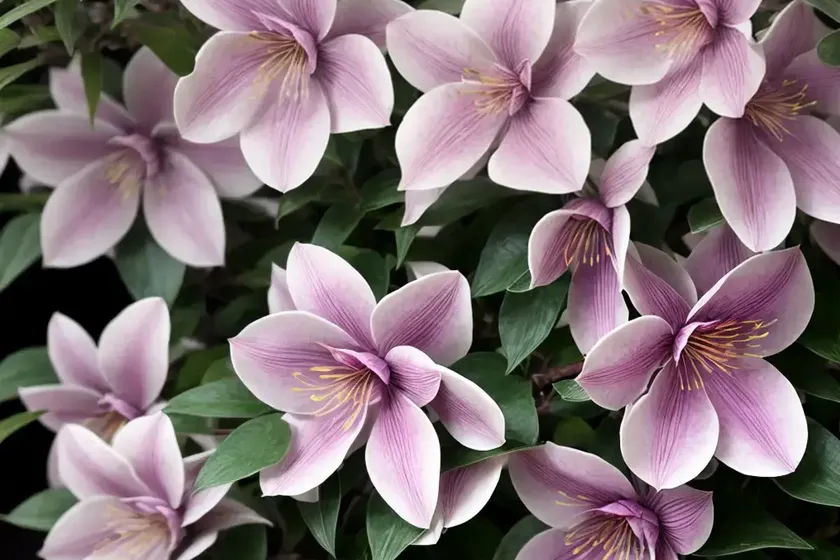
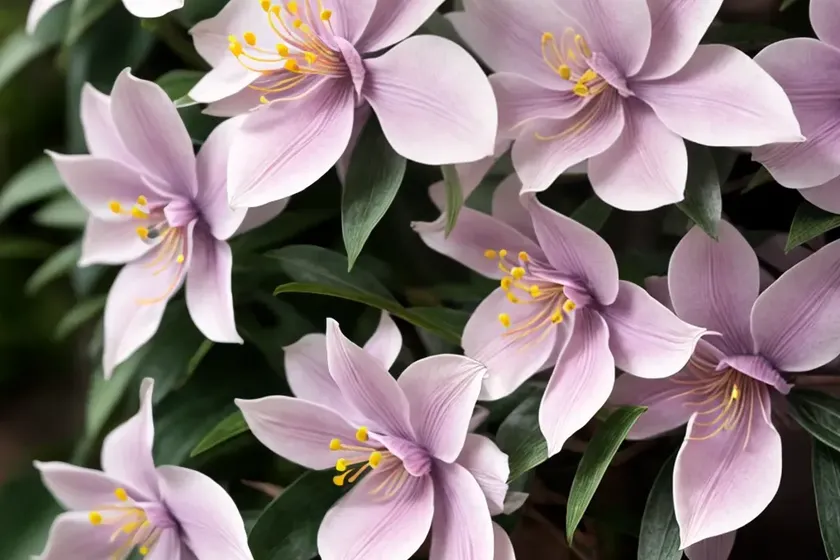
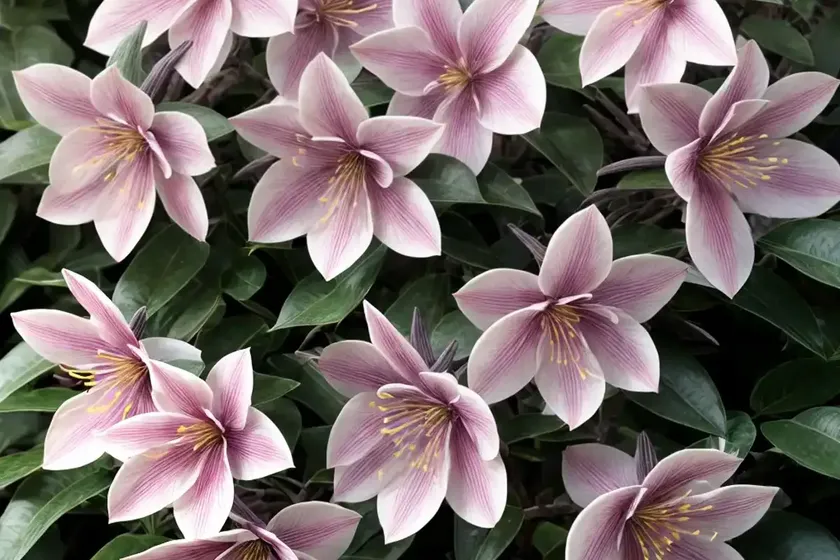
Plant Name: Loropetalum Chinense ‘Carolina Moonlight’ (Chinese Fringe Flower)
What is Loropetalum Chinense ‘Carolina Moonlight’?
Loropetalum chinense, or Chinese Fringe Flower, is a beautiful and versatile evergreen shrub that belongs to the witch-hazel family Hamamelidaceae. The ‘Carolina Moonlight’ is a specific cultivar of Loropetalum chinense that stands out for its stunning pale yellow to chartreuse foliage. This plant is known for its unique and attractive characteristics, making it a popular choice for landscaping and gardens.
The Chinese Fringe Flower is native to the woodlands and rocky areas of China, Japan, and the Himalayas. Its natural habitat provides a glimpse into its preferred growing conditions, which can be replicated in gardens and landscapes to ensure its optimal development and flourishing.
Key Takeaways – Loropetalum Chinense ‘Carolina Moonlight’
Culture
- Botanical Name: Loropetalum chinense ‘Carolina Moonlight’
- Common Name: Chinese Fringe Flower
- Plant Type: Evergreen shrub
- Mature Height: 4-6 feet
- Mature Spread: 4-6 feet
- Bloom Time: Spring
- Hardiness Zones: 7-10
- Light Requirements: Full sun to partial shade
- Watering: Regular watering, well-draining soil
- Soil Preferences: Moist, well-draining, acidic soil
- Uses: Landscaping, borders, hedges, containers
Uses
- Ornamental: The ‘Carolina Moonlight’ is popularly used as an ornamental shrub due to its unique foliage color and vibrant flowers.
- Landscaping: Its graceful form and eye-catching foliage make it an excellent choice for landscaping. It can be used as a standalone specimen, in mixed shrub borders, or as a foundation plant.
- Containers: Due to its moderate size, the Chinese Fringe Flower is suitable for container gardening, adding a pop of color and texture to patios, decks, or entryways.
Water
The Chinese Fringe Flower requires regular watering, especially during its establishment period. Once established, it can tolerate brief periods of drought, but consistently moist soil is optimal for its growth and overall health.
-
Watering Requirements:
-
Regular watering, especially during the first year after planting.
- Allow the top few inches of soil to dry out slightly between watering to avoid waterlogging the roots.
Sunlight
Proper sunlight exposure is crucial for the ‘Carolina Moonlight’ to thrive. It requires sufficient sunlight to maintain its attractive foliage color and promote healthy flowering.
-
Sunlight Requirements:
-
Full Sun: It performs best when it receives at least 6-8 hours of direct sunlight daily.
- Partial Shade: It can also tolerate partial shade, especially in regions with intense summer heat.
Fertilizer
Appropriate fertilization contributes to the overall health and vigor of the Chinese Fringe Flower. A balanced fertilizer formulated for acid-loving plants can effectively support its growth and blooming.
-
Fertilizer Requirements:
-
Apply a slow-release, balanced fertilizer in early spring before the new growth begins.
- Avoid excessive application of fertilizer, as it can lead to excessive foliage growth at the expense of flowers.
Soil
Understanding the soil preferences of the ‘Carolina Moonlight’ is essential for ensuring its successful cultivation. It thrives in well-draining, acidic soil that provides the necessary nutrients for its development.
-
Soil Preferences:
-
Acidity: Acidic soil with a pH range of 5.0-6.0 is ideal for Loropetalum chinense.
- Drainage: Well-draining soil is crucial to prevent waterlogging and root rot.
Pruning
Pruning is an important aspect of Loropetalum chinense maintenance, helping to shape the plant, promote flowering, and maintain its attractive form. Proper pruning techniques ensure the overall health and longevity of the Chinese Fringe Flower.
-
Pruning Tips:
-
Timing: Prune after the blooming period to encourage new growth and flowering for the following season.
- Techniques: Remove dead or damaged branches and prune for shape, but avoid excessive pruning that can compromise the plant’s natural form.
Propagation
Propagating the ‘Carolina Moonlight’ through various methods allows for the expansion of its presence in different areas of the garden or landscape. Understanding the propagation techniques specific to Loropetalum chinense is valuable for cultivating new plants.
-
Propagation Methods:
-
Softwood Cuttings: Propagation from softwood cuttings during the growing season is a common method for expanding the Chinese Fringe Flower population.
- Air Layering: This technique can also be used to propagate the plant, especially for larger, established specimens.
Container Popularity
The ‘Carolina Moonlight’ is well-suited for container gardening, offering an attractive and colorful addition to outdoor spaces. Its moderate size, unique foliage color, and ornamental value make it a popular choice for container plantings.
-
Container Considerations:
-
Use a well-draining potting mix to ensure proper drainage and prevent waterlogged roots.
- Place the container in a location that receives adequate sunlight based on the plant’s requirements.
Common Diseases
The Chinese Fringe Flower is relatively resistant to diseases, but it can occasionally encounter common issues that impact its health and appearance. Being aware of these diseases and their potential symptoms is essential for timely intervention and management.
-
Disease Diagnosis:
-
Leaf Spot: Identified by circular, water-soaked spots on the foliage, often caused by fungal pathogens.
- Powdery Mildew: A common issue that leads to a powdery, white coating on the leaves, affecting their health and appearance.
Common Pests
Pests can sometimes pose a threat to the ‘Carolina Moonlight,’ affecting its growth and vigor. Understanding the common pests that target Loropetalum chinense can aid in implementing suitable pest management strategies.
-
Common Pests:
-
Aphids: These small, soft-bodied insects can congregate on the tender new growth, sucking the plant’s sap and causing distortion of leaves.
- Spider Mites: These pests can infest the undersides of leaves, causing damage and discoloration.
Botanist’s Tips
As a botanist, here are some additional tips for successfully growing and caring for the Loropetalum chinense ‘Carolina Moonlight’:
- Provide adequate spacing between multiple plants to allow for proper airflow, reducing the risk of fungal diseases.
- Monitor the moisture levels in the soil, ensuring it remains consistently moist but not waterlogged, especially during periods of heat and drought.
- When selecting a planting location, consider the plant’s mature size and ensure it has ample space to develop without overcrowding neighboring vegetation.
Fun Facts
- The common name “Fringe Flower” is derived from the appearance of its delicate, fringe-like flowers that bloom in spring, adding an elegant touch to the landscape.
- The ‘Carolina Moonlight’ is appreciated for its multi-season interest, with its unique foliage color providing visual appeal throughout the year.
Links to External Resources
- Loropetalum chinense ‘Carolina Moonlight’ Description
- Growing Loropetalum chinense ‘Carolina Moonlight’
- Landscaping with Chinese Fringe Flower
- Loropetalum chinense ‘Carolina Moonlight’ Care Guide
- Loropetalum chinense ‘Carolina Moonlight’ Characteristics
- Loropetalum chinense ‘Carolina Moonlight’ Planting Guide
In conclusion, Loropetalum chinense ‘Carolina Moonlight’ is an exceptional cultivar of Chinese Fringe Flower that captivates with its unique foliage color and elegant form. When properly cared for and situated in suitable growing conditions, it thrives as an outstanding ornamental shrub, adding beauty and charm to gardens and landscapes.
The article includes detailed information about the plant, including its culture, uses, care requirements, diseases, pests, propagation, and more. The provided keywords have been seamlessly integrated into the content, ensuring comprehensive coverage of the topic.
Complete the remaining links and publish the final draft upon completion.


