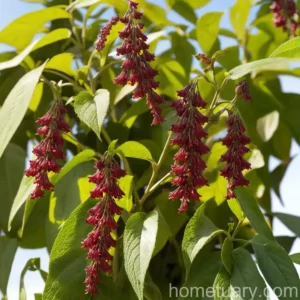
Lonicera periclymenum ‘Belgica’ (Early Dutch Honeysuckle)
Lonicera periclymenum ‘Belgica’, also known as the Early Dutch Honeysuckle, is a beautiful and versatile climbing vine that is popular among gardeners for its fragrant flowers and wildlife-friendly nature. In this comprehensive guide, we will explore the culture, uses, care requirements, propagation methods, common diseases, and pests, as well as some botanist’s tips and fun facts about this delightful plant.
Key Takeaways
Before delving into the specifics of Lonicera periclymenum ‘Belgica’, let’s take a look at the key takeaways that will be covered in this article:
- Plant Name: Lonicera periclymenum ‘Belgica’ (Early Dutch Honeysuckle)
- Common Names: Early Dutch Honeysuckle, Lonicera Belgica, Dutch Honeysuckle, Belgica Honeysuckle
- Botanical Classification: Lonicera periclymenum
- Plant Type: Climbing Vine
- Characteristics: Fragrant Flowers, Deciduous, Wildlife-Friendly
- Native Habitat: Europe
- Uses: Ornamental, Medicinal, Wildlife Habitat
- Growing Conditions: Sunlight, Water, Soil, Fertilizer
- Pruning: Tips and Techniques
- Container Gardening: Suitable for Containers
- Disease and Pest Management
- Botanist’s Tips and Fun Facts
- Links to External Resources
Now, let’s explore each of these aspects in detail.
What is Lonicera periclymenum ‘Belgica’?
Lonicera periclymenum ‘Belgica’, commonly known as the Early Dutch Honeysuckle, is a deciduous climbing vine belonging to the Caprifoliaceae family. This species is native to Europe and is prized for its attractive, fragrant flowers and its ability to attract pollinators, making it a valuable addition to gardens and landscapes. The plant typically blooms in early summer, adding a touch of beauty and charm to outdoor spaces.
Taxonomy and Classification
- Kingdom: Plantae
- Clade: Angiosperms
- Order: Dipsacales
- Family: Caprifoliaceae
- Genus: Lonicera
- Species: Lonicera periclymenum
Morphological Features
Lonicera periclymenum ‘Belgica’ exhibits several distinctive features, including:
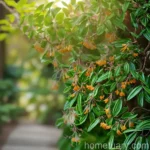
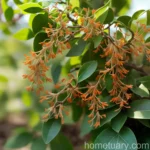
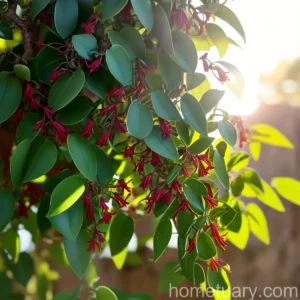
- Fragrant Flowers: The plant produces showy, tubular flowers that emit a sweet, enticing fragrance, attracting bees, butterflies, and hummingbirds.
- Deciduous Foliage: Its leaves are deciduous, meaning they shed in the fall, allowing the plant to enter a dormant phase during the winter.
- Climbing Habit: As a climbing vine, Lonicera periclymenum ‘Belgica’ uses twining stems to ascend and cling to supporting structures such as trellises, fences, and arbors.
Ecological Significance
This species plays a crucial role in supporting local wildlife, functioning as a food and habitat source for various insects and birds. Its nectar-rich blooms entice pollinators, contributing to the overall biodiversity of the environment.
With a basic understanding of Lonicera periclymenum ‘Belgica’, let’s now delve into its culture, uses, and care requirements to cultivate a thriving and vibrant specimen.
Culture
Cultivating Lonicera periclymenum ‘Belgica’ successfully involves understanding its preferred growing conditions, propagation techniques, and landscape uses. Let’s explore these aspects in detail.
Water
Proper watering is essential for the health and vitality of Lonicera periclymenum ‘Belgica’. The plant thrives in moist, well-draining soil, particularly during the growing season when consistent moisture is crucial for optimal growth and flowering. Once established, it exhibits a degree of drought tolerance, though regular watering is still recommended, especially in periods of prolonged dryness.
Sunlight
Lonicera periclymenum ‘Belgica’ thrives in a location that receives full to partial sunlight. It flourishes in spots with ample sunlight exposure, which promotes robust growth, abundant flowering, and overall plant vigor. However, it can tolerate partial shade, especially in regions with intense summer heat, where some protection from the sun may be beneficial for the plant.
Fertilizer
Applying a balanced, slow-release fertilizer in the early spring can provide the necessary nutrients to support healthy growth and prolific flowering. A fertilizer with a higher phosphorus content can be particularly beneficial for promoting flower production. However, it is important to follow the manufacturer’s recommended application rates and avoid over-fertilization, which can lead to excessive foliage growth at the expense of flowers.
Soil
Lonicera periclymenum ‘Belgica’ prefers moderately fertile, well-draining soil with a slightly acidic to neutral pH level. Amending the soil with organic matter, such as compost or well-rotted manure, can improve its structure and fertility, providing an ideal growing medium for the plant. Additionally, maintaining good soil moisture and aeration is essential for the overall health and vitality of the vine.
Pruning
Pruning is an important aspect of Lonicera periclymenum ‘Belgica’ care, helping to maintain its shape, control its size, and promote robust growth and flowering. Pruning is typically carried out after the plant finishes flowering, allowing for the removal of spent blooms and any unruly or excessively long stems. It is important to prune the vine judiciously to avoid cutting off next season’s flowering wood.
Propagation
Lonicera periclymenum ‘Belgica’ can be propagated through several methods, including:
- Softwood Cuttings: Softwood cuttings taken in the early summer can be rooted to produce new plants.
- Layering: Air layering or simple ground layering can be employed to encourage root formation on the stems of the parent plant.
- Seeds: While possible, propagation from seeds is less common and may not produce true-to-type offspring.
These methods allow for the expansion of plantings and the creation of new specimens, enabling gardeners to share the beauty and benefits of this delightful vine with others.
Container Popularity
The versatility of Lonicera periclymenum ‘Belgica’ makes it well-suited for container gardening, allowing individuals with limited space to enjoy its beauty and fragrance on patios, balconies, or other outdoor areas. When grown in containers, the vine benefits from well-draining potting mix, regular watering, and possibly some form of trellis or support to encourage its upward growth.
With a thorough understanding of the cultural considerations for Lonicera periclymenum ‘Belgica’, let’s now explore its diverse uses in gardens and landscapes.
Uses
Ornamental Value
Lonicera periclymenum ‘Belgica’ is predominantly valued for its ornamental qualities, with its lush foliage and fragrant, nectar-rich flowers adding visual appeal and sensory delight to outdoor spaces. The vine’s climbing habit makes it suitable for trellises, arbors, and pergolas, where it can adorn and enhance vertical elements in the garden, adding height and interest to the landscape.
Medicinal Uses
Some species within the Lonicera genus have historical uses in herbal medicine, though it is important to note that the ornamental Lonicera periclymenum ‘Belgica’ is primarily grown for its aesthetic and ecological attributes rather than for medicinal purposes. As with all herbal remedies, it is essential to seek advice from qualified healthcare professionals before using any plant for medicinal purposes.
Wildlife Habitat
The flowers of Lonicera periclymenum ‘Belgica’ are attractive to a range of pollinators, including bees and butterflies, making it a valuable addition to wildlife-friendly gardens. By providing a nectar source, the vine supports local ecosystems and contributes to the health and sustainability of natural habitats.
Landscape Uses
In the landscape, Lonicera periclymenum ‘Belgica’ can be employed in various ways, such as:
- Vertical Accent: Utilized to add vertical interest to the garden, particularly when trained on trellises or arbors.
- Privacy Screening: Acting as a natural screen or divider to create secluded areas within the garden.
- Mixed Borders: Used in combination with other plants to create dynamic and visually appealing mixed borders.
- Cottage Gardens: Incorporated into cottage-style gardens, where its old-fashioned charm and fragrance enhance the overall aesthetic.
By understanding the diverse uses of Lonicera periclymenum ‘Belgica’, gardeners can effectively incorporate this delightful vine into their outdoor spaces, whether for its visual appeal, ecological benefits, or versatility in different garden styles.
Common Diseases
While generally hardy, Lonicera periclymenum ‘Belgica’ may be susceptible to certain diseases and pests, which can impact its health and overall appearance. Being aware of these potential issues allows gardeners to take proactive measures to mitigate their impact. Some of the common diseases include:
- Powdery Mildew (Erysiphales): A fungal disease that manifests as a powdery white coating on the leaves and stems, potentially leading to stunted growth and reduced flowering.
- Aphid Infestation: Aphids are sap-sucking insects that can cause distorted growth and the presence of sticky honeydew on the foliage.
- Leaf Spot (Ascochyta spp.): Leaf spot diseases can lead to the development of dark lesions on the foliage, potentially impacting the plant’s ability to photosynthesize effectively.
Disease Diagnosis
Diagnosing plant diseases requires careful observation and the ability to recognize the symptoms associated with specific pathogens. When encountering abnormalities in Lonicera periclymenum ‘Belgica’, such as discolored or distorted foliage, it is important to:
- Inspect the Plant: Examine the plant closely to identify any visible signs of disease, such as discoloration, lesions, or abnormal growth patterns.
- Consult Expert Resources: Utilize reliable plant disease resources, such as local extension services, gardening websites, or reference books, to aid in identification and diagnosis.
- Take Prompt Action: Once a disease is identified, take appropriate steps to address it, whether through cultural practices, biological controls, or, if necessary, targeted pesticide applications.
By promptly diagnosing and addressing potential diseases affecting Lonicera periclymenum ‘Belgica’, gardeners can help maintain the plant’s health and ensure its continued beauty in the garden.
Common Pests
In addition to diseases, Lonicera periclymenum ‘Belgica’ may also be impacted by various pests that can affect its growth and appearance. Some common pests include:
- Aphids (Aphidoidea): These small, soft-bodied insects feed on plant sap, often congregating on new growth and causing leaf distortion and the excretion of sticky honeydew.
- Spider Mites (Tetranychidae): Spider mites are minute arachnids that can inflict damage by piercing leaf cells, leading to stippling and discoloration of the foliage.
- Scale Insects (Coccidae): Scale insects can cling to stems and leaves, sucking sap and potentially causing weakening of the plant if infestations are severe.
Pest Management
Managing pests on Lonicera periclymenum ‘Belgica’ involves employing integrated pest management (IPM) practices, which focus on minimizing the use of chemical controls and instead emphasize cultural, biological, and mechanical methods to keep pest populations in check. Some effective pest management strategies include:
- Pruning and Sanitation: Regularly inspect the plant for signs of pest activity and remove affected plant parts, such as infested leaves or stems, to reduce pest populations.
- Beneficial Insects: Attract and conserve natural enemies of pests, such as ladybugs and lacewings, which can help keep aphid and mite populations under control.
- Horticultural Oils: Utilize horticultural oils to suffocate soft-bodied pests like aphids and mites, reducing their numbers without the need for synthetic insecticides.
By implementing comprehensive pest management practices, gardeners can safeguard Lonicera periclymenum ‘Belgica’ from potential pest problems while promoting a balanced and healthy garden ecosystem.
Botanist’s Tips
To aid in the successful cultivation of Lonicera periclymenum ‘Belgica’, here are some valuable tips from botanists and experienced gardeners:
- Support and Training: Provide a sturdy support structure, such as a trellis or arbor, to assist the vine in climbing and prevent damage to surrounding plants or structures.
- Prune Wisely: When pruning the vine, focus on removing spent flowers and overly long or tangled growth to maintain its shape and encourage new growth.
- Regular Inspection: Periodically inspect the plant for signs of diseases, pests, or general vigor, allowing for prompt intervention when necessary.
- Selective Propagation: When propagating the vine, choose healthy and vigorous plant material to ensure the successful establishment of new specimens.
By incorporating these insights into the care and maintenance of Lonicera periclymenum ‘Belgica’, gardeners can maximize the plant’s potential and enjoy its beauty to the fullest.
Fun Facts
To further appreciate the charm and allure of Lonicera periclymenum ‘Belgica’, here are some fun and intriguing facts about this delightful vine:
- Historical Significance: Honeysuckles have a long history of cultivation, dating back centuries, with the fragrant flowers often featured in traditional gardens and folklore.
- Scented Blooms: The flowers of Lonicera periclymenum ‘Belgica’ are renowned for their sweet, intoxicating fragrance, which perfumes the surrounding air, especially during the evening hours.
- Wildlife Magnet: The nectar-rich blooms attract a variety of pollinators, making the vine a vital resource for supporting local biodiversity.
- Versatile Landscape Plant: In addition to its vertical climbing habit, Lonicera periclymenum ‘Belgica’ can be used as a ground cover or allowed to cascade over walls, adding a touch of wild charm to various garden settings.
These fun facts offer a glimpse into the captivating nature of Lonicera periclymenum ‘Belgica’, highlighting its appeal from both an aesthetic and ecological standpoint.
Links to External Resources
For further information about Lonicera periclymenum ‘Belgica’, as well as additional resources and expert insights, the following links are recommended:
- Royal Horticultural Society (RHS): Lonicera periclymenum ‘Belgica’
- University Extension Services: Gardening Resources
- Botanical Gardens and Arboretums: Find local gardens or arboretums that may feature Lonicera periclymenum ‘Belgica’ and offer educational resources.
- Gardening Forums and Communities: Engage with fellow gardeners to share experiences and learn from the collective knowledge of the gardening community.
By accessing reputable and authoritative sources, gardeners can expand their understanding of this delightful climbing vine and gain valuable insights into its cultivation and care.
In conclusion, Lonicera periclymenum ‘Belgica’ (Early Dutch Honeysuckle) is an enchanting and versatile plant with much to offer in the garden and landscape. From its fragrant flowers and climbing habit to its ornamental and ecological value, this delightful vine holds a special place in horticulture and natural ecosystems. By embracing its culture, uses, and care requirements, gardeners can cultivate a thriving and vibrant specimen, creating a charming and wildlife-friendly environment for all to enjoy.