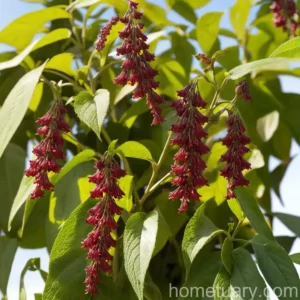
Plant Profile: Honeyberry (Lonicera caerulea ‘Kiev #8’ Blue Velvet)
Honeyberry, also known as Lonicera caerulea ‘Kiev #8’ Blue Velvet, is a captivating and intriguing plant that has been gaining popularity among gardeners and fruit enthusiasts. With its unique characteristics and versatile uses, the honeyberry plant is a fascinating addition to any garden or landscape. In this comprehensive guide, we will delve into the culture, uses, care, propagation, and more of the honeyberry plant, providing valuable insights for both experienced horticulturalists and novice gardeners.
What is Honeyberry?
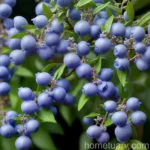
Honeyberry (Lonicera caerulea) is a deciduous shrub native to eastern Russia, Japan, and Kamchatka. It belongs to the Caprifoliaceae family and is known for its flavorful and nutritious berries. The plant is characterized by its early flowering, which makes it an excellent choice for regions with cold climates, as it can withstand frost and low temperatures. The honeyberry plant produces elongated, blueberry-like fruits that are sweet and tangy, with a hint of honey flavor, hence the name “honeyberry.”
Key Takeaways – Honeyberry (Lonicera caerulea ‘Kiev #8’ Blue Velvet)
- Botanical Name: Lonicera caerulea ‘Kiev #8’ Blue Velvet
- Common Name: Honeyberry
- Family: Caprifoliaceae
- Origin: Eastern Russia, Japan, and Kamchatka
- Fruit: Elongated blueberries with a sweet and tangy flavor
- Hardiness: Cold-hardy and can withstand frost
- Uses: Culinary (fresh consumption, jams, jellies, and desserts) and ornamental
- Growth Habit: Deciduous shrub
Now, let’s explore the various aspects of the honeyberry plant, including its culture, uses, care, common diseases, pests, and more.
Culture
Water
Honeyberry plants have moderate water requirements and thrive in well-drained soils. Adequate moisture is crucial, especially during the flowering and fruiting stages. However, it is essential to avoid waterlogging, as excessive moisture can lead to root rot and other diseases.
Sunlight
Honeyberries prefer full sun to partial shade for optimal growth and fruit production. While they can tolerate some shade, providing ample sunlight will promote better fruiting and overall plant vigor.
Fertilizer
Applying a balanced fertilizer in early spring, before the start of the growing season, can provide essential nutrients for the honeyberry plant. It is important to follow the recommended application rates to prevent over-fertilization, which can be detrimental to the plant’s health.
Soil
Honeyberries thrive in well-drained, slightly acidic soils with a pH range of 5.5 to 7.0. Amending the soil with organic matter, such as compost or well-rotted manure, can improve soil structure and fertility, benefiting the overall growth and productivity of the plant.
Uses
Culinary Uses
One of the primary appeals of honeyberries is their delectable fruits, which can be enjoyed fresh or used in a variety of culinary applications. The berries are ideal for making preserves, jams, jellies, pies, and desserts, offering a unique and flavorful twist to traditional recipes. Moreover, the antioxidant-rich nature of honeyberries makes them a valuable addition to a health-conscious diet.
Ornamental Uses
Apart from its edible fruits, the honeyberry plant possesses ornamental value, thanks to its attractive foliage and early spring flowers. The delicate blooms, which precede the fruiting season, add visual interest to the landscape and attract pollinators, contributing to biodiversity in the garden.
Pruning
Proper pruning is essential for maintaining the health and productivity of honeyberry plants. Pruning should be done during the dormant season, typically in late winter or early spring, to remove dead or damaged wood, improve air circulation, and shape the plant for optimal fruit production.
Propagation
Honeyberry plants can be propagated through various methods, including:
- Softwood cuttings: Softwood cuttings taken in early summer can be rooted to propagate new plants.
- Layering: Air layering or ground layering techniques can be employed to encourage root development on the stem, leading to the formation of a new plant.
- Division: Established honeyberry plants can be divided to create new plants, particularly during the dormant season.
Container Popularity
Due to their compact size and adaptability, honeyberry plants are well-suited for container cultivation, making them a popular choice for urban and small-space gardening. Container-grown honeyberries can thrive on patios, balconies, or rooftop gardens, providing an opportunity for home gardeners with limited space to enjoy the bountiful harvest of these delightful berries.
Container Care
When growing honeyberries in containers, it is crucial to ensure proper drainage and select a well-draining potting mix to prevent waterlogging. Regular watering and fertilization are essential for container-grown plants, as the limited soil volume can lead to rapid nutrient depletion and moisture fluctuations.
Common Diseases
Honeyberry plants are generally resilient, but they may be susceptible to certain diseases, including:
- Powdery Mildew: A fungal disease that manifests as a powdery white coating on leaves and stems, affecting plant vigor and fruit quality.
- Leaf Spot: Circular, dark spots on the foliage caused by fungal pathogens, potentially leading to defoliation and reduced photosynthetic capacity.
Disease Diagnosis
Early detection and proper diagnosis of diseases are crucial for effective management. Regular monitoring of the plant for any signs of discoloration, distortion, or unusual growth can help identify potential issues. Additionally, consulting with local horticultural extension services or plant health professionals can provide valuable insights into disease management strategies tailored to specific regions and conditions.
Common Pests
Honeyberry plants may encounter pest infestations, including:
- Aphids: Small, sap-sucking insects that can cause stunted growth and distortion of new growth.
- Spider Mites: Tiny arachnids that feed on plant sap, leading to stippled, discolored foliage and reduced vigor.
Pest Management
Integrated pest management (IPM) practices, such as the use of beneficial insects, horticultural oils, and insecticidal soaps, can help mitigate pest populations while minimizing the impact on non-target organisms and the environment. Regular monitoring, proper sanitation, and cultural practices, such as removing plant debris and promoting adequate air circulation, are integral components of an effective pest management strategy.
Botanist’s Tips
- Companion Planting: Pairing honeyberry plants with compatible companion species, such as pollinator-attracting flowers and beneficial herbs, can enhance biodiversity and ecological balance in the garden.
- Mulching: Applying a layer of organic mulch around the base of honeyberry plants can help retain soil moisture, suppress weed growth, and regulate soil temperature.
Fun Facts
- The honeyberry plant is often referred to as the “blue honeysuckle,” highlighting the rich blue color of its berries and their slight resemblance to elongated blueberries.
- Honeyberries are known for their adaptability to diverse climates, including regions with harsh winters and short growing seasons.
Links to External Resources
As we continue to explore the captivating world of honeyberry plants, it is valuable to seek additional information from reputable sources. Below are some recommended resources for further insights into honeyberry cultivation, uses, and best practices:
- University of Saskatchewan – Honeyberry Production Manual
- Agriculture and Agri-Food Canada – Honeyberry Cultivar Evaluation
- Northeast Sustainable Agriculture Research & Education – Growing Honeyberries
- North American Fruit Explorers – Honeyberry Varieties
By leveraging the wealth of knowledge and expertise available through these resources, enthusiasts and professionals alike can further enrich their understanding of honeyberry cultivation and contribute to the sustainable and rewarding practice of growing this remarkable plant.
In conclusion, the honeyberry (Lonicera caerulea ‘Kiev #8’ Blue Velvet) stands as a captivating and resilient addition to horticulture, offering delightful fruits, ornamental beauty, and a host of beneficial attributes. Its cold-hardy nature, adaptability to diverse growing conditions, and culinary versatility make it a valuable asset for gardeners, homesteaders, and fruit enthusiasts around the world. As we continue to appreciate and explore the unique qualities of the honeyberry plant, we embark on a journey of discovery and enrichment, fostering a deeper connection to nature and the bountiful gifts it bestows upon us.
Remember to share your experiences and insights with fellow plant enthusiasts, and may the allure of the honeyberry plant inspire many fruitful endeavors in gardens and landscapes far and wide.