Sweet Breath Of Spring (Lonicera Fragrantissima)

The Sweet Breath of Spring Plant – Lonicera fragrantissima

Welcome to the intriguing world of Lonicera fragrantissima, also known as the sweet breath of spring plant or fragrant winter honeysuckle. This captivating species brings forth delightful fragrance and serves as a focal point in winter gardens. Let’s delve into the wonders of this exquisite plant and explore its characteristics, cultivation techniques, and much more.

What is the Sweet Breath of Spring Plant?

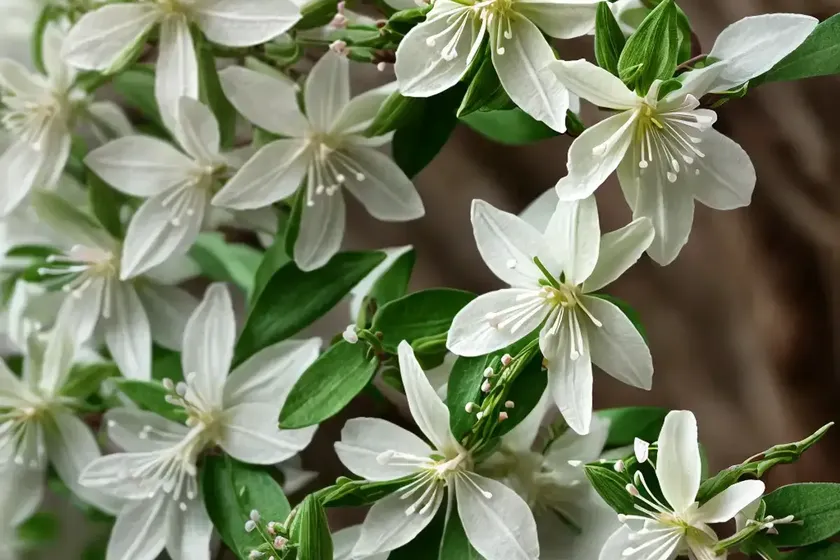
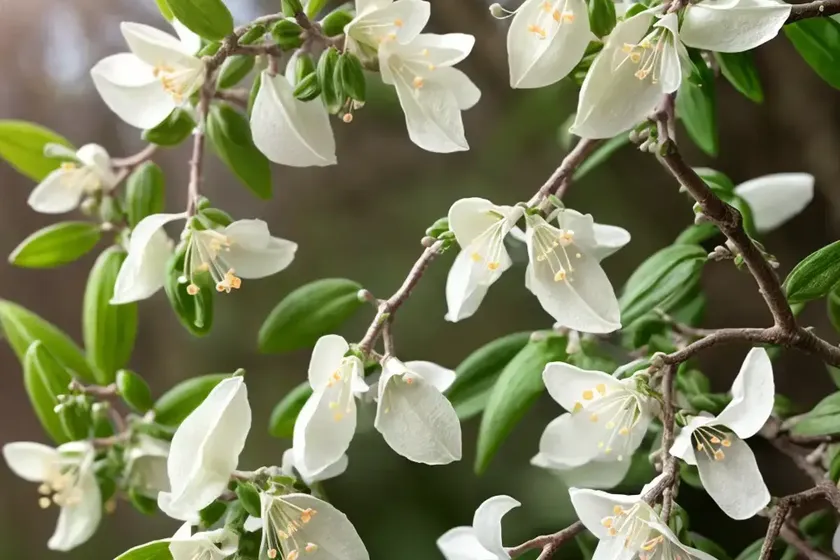
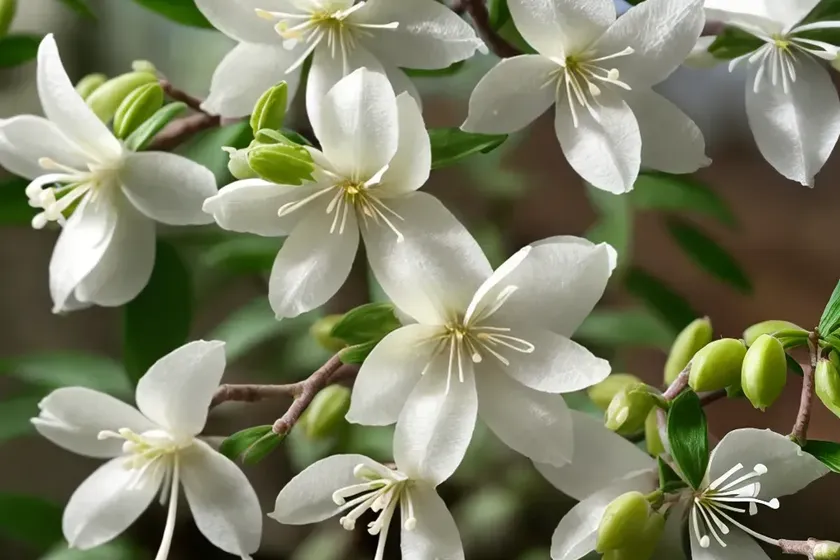
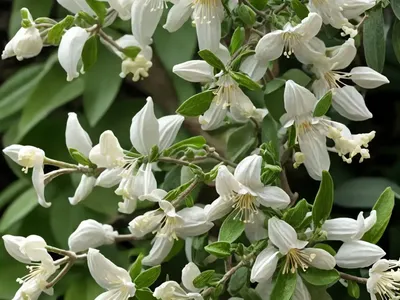
Lonicera fragrantissima, a member of the Caprifoliaceae family, is a deciduous shrub native to China. This species is cherished for its mesmerizing fragrance and the ability to flourish during the winter months. The plant is characterized by its creamy white, tubular flowers which emit a captivating scent, making it a valuable addition to gardens, landscapes, and even urban spaces.

Key Takeaways – Sweet Breath of Spring (Lonicera fragrantissima)

Before diving deeper into the cultivation and maintenance of Lonicera fragrantissima, let’s glance at some key takeaways:

  • Common Names: Sweet Breath of Spring, Fragrant Winter Honeysuckle, Chinese Honeysuckle
  • Noteworthy Features: Fragrant winter flowers, adaptable in cold climates, winter-blooming, wildlife-friendly
  • Cultivation Aspects: Requires well-drained soil, moderate sunlight, and regular pruning
  • Versatile Uses: Ornamental garden shrub, fragrant hedges, wildlife habitat creation

Now, let’s explore each aspect of this captivating plant, starting with its preferred culture and growth requirements.

Culture

Uses

Ornamental Garden Plant: Lonicera fragrantissima is primarily cultivated for ornamental purposes, adding a touch of elegance and fragrance to gardens, parks, and landscapes. Its charming flowers and delightful scent make it a popular choice for garden enthusiasts looking to enrich their outdoor spaces with winter interest.

Wildlife Habitat Creation: The plant’s nectar-rich flowers attract pollinators, making it an excellent addition to wildlife gardens. Furthermore, the dense growth habit of Lonicera fragrantissima provides shelter for small birds and insects, contributing to the local ecosystem.

Water

Watering Requirements: While Lonicera fragrantissima exhibits a degree of drought tolerance once established, it benefits from regular watering, particularly during dry spells. Adequate moisture levels are crucial, promoting healthy growth and abundant flowering.

Sunlight

Light Preferences: Lonicera fragrantissima thrives in partial to full sunlight. It favors a location with adequate exposure to sunlight, aiding in the development of robust foliage and profuse flowering. However, it can also tolerate partial shade, making it adaptable to various garden settings.

Fertilizer

Nutrient Needs: When it comes to fertilization, Lonicera fragrantissima appreciates a balanced, slow-release fertilizer. Apply the fertilizer in spring as new growth emerges, followed by a light application in early summer. Avoid over-fertilization, as it may lead to excessive foliage growth at the expense of flower production.

Soil

Soil Requirements: Well-drained, loamy soil with a slightly acidic to neutral pH level is ideal for Lonicera fragrantissima. Adequate drainage is essential to prevent waterlogging and root rot. Incorporating organic matter into the soil enhances its structure and fertility, supporting the plant’s overall health and vitality.

Pruning

Pruning Guidelines: Regular pruning plays a crucial role in maintaining the shape and vigor of Lonicera fragrantissima. Prune the plant right after flowering to remove any dead or overcrowded stems, thereby stimulating new growth and ensuring a tidy appearance. Additionally, light pruning can be performed during the growing season to control the plant’s size and encourage branching.

Propagation

Propagation Methods: Lonicera fragrantissima can be propagated through several methods, including softwood cuttings, hardwood cuttings, and layering. Softwood cuttings, taken during the active growth period, root readily under favorable conditions. Hardwood cuttings, collected during the dormant season, can also be employed for propagation. Layering, where a stem is encouraged to root while still attached to the parent plant, offers an additional propagation avenue.

Container Popularity

Container Gardening: The adaptability of Lonicera fragrantissima to container cultivation is a noteworthy aspect for urban and small-space gardening. Its lush foliage and fragrant flowers can bring a touch of natural beauty to balconies, patios, and urban landscapes, enhancing the aesthetics of confined outdoor spaces.

Common Diseases

Disease Susceptibility: While Lonicera fragrantissima is generally resistant to many common garden diseases, it can be susceptible to certain issues under specific conditions. Powdery mildew and leaf spot are among the potential ailments that may afflict the plant, particularly in humid environments. Proper cultural practices, such as ensuring good air circulation and avoiding overhead watering, can aid in preventing such diseases.

Disease Diagnosis

Identifying Issues: When monitoring the health of Lonicera fragrantissima, look for signs of abnormal leaf discoloration, white fungal growth on leaves, or any unusual patterns of leaf spot. Prompt intervention, such as adjusting watering practices or employing targeted fungicidal treatments, can help mitigate disease development and safeguard the plant’s well-being.

Common Pests

Pest Resilience: Lonicera fragrantissima demonstrates a high degree of resistance to most garden pests. However, occasional infestations by aphids, scale insects, or spider mites may occur. Vigilant inspection of the plant and immediate countermeasures, such as spraying with insecticidal soap or horticultural oil, effectively manage these potential pest challenges.

Botanist’s Tips

Enhancing Fragrance:

To intensify the fragrance of Lonicera fragrantissima and fully appreciate its captivating aroma, consider planting this delightful shrub near walkways, patios, or outdoor sitting areas. The proximity to frequently visited spots enables effortless enjoyment of the plant’s delightful scent.

Wildlife Attraction:

Incorporate Lonicera fragrantissima within wildlife-friendly garden designs to attract beneficial insects and small birds. By providing a habitat and a nectar source, this species contributes to the ecological balance of the garden, nurturing a harmonious and vibrant outdoor environment.

Fun Facts

  • The fragrant flowers of Lonicera fragrantissima are often utilized in floral arrangements, infusing indoor spaces with their enchanting scent.
  • The plant’s adaptability to cold climates and winter flowering makes it a valuable asset in regions where seasonal interest is highly coveted.
  • Lonicera fragrantissima’s botanical name, “fragrantissima,” aptly denotes its exceptional fragrance, captivating the senses of all who encounter it.

Links to External Resources

For additional information on Lonicera fragrantissima and related topics, feel free to explore the following external resources:

  1. Royal Horticultural Society – Lonicera fragrantissima
  2. University of Missouri Extension – Honeysuckle, Fragrant Winter – Lonicera fragrantissima
  3. Missouri Botanical Garden – Lonicera fragrantissima
  4. The Spruce – Learn to Grow Winter Honeysuckle

In conclusion, Lonicera fragrantissima embodies the essence of enduring beauty and fragrance, enriching winter gardens with its charming allure. Through thoughtful cultivation and maintenance, this captivating plant continues to captivate garden enthusiasts and nature lovers alike, offering an invaluable contribution to the realm of ornamental horticulture.