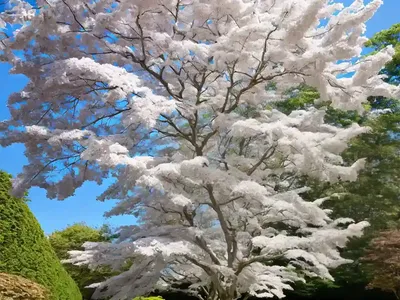
Maple Snake (Acer Capillipes)
Maple Snake, scientifically known as Acer Capillipes, is a unique and stunning tree that is often referred to as Snakebark Maple. It is renowned for its.

Maple Snake, scientifically known as Acer Capillipes, is a unique and stunning tree that is often referred to as Snakebark Maple. It is renowned for its snake-like appearance, with its bark resembling the skin of a snake. This distinctive feature adds a touch of elegance and intrigue to any landscape or garden. In this comprehensive guide, we will explore the various aspects of cultivating and caring for Maple Snake, covering its cultural requirements, uses, common diseases, pests, and more.
What is Maple Snake (Acer Capillipes)?
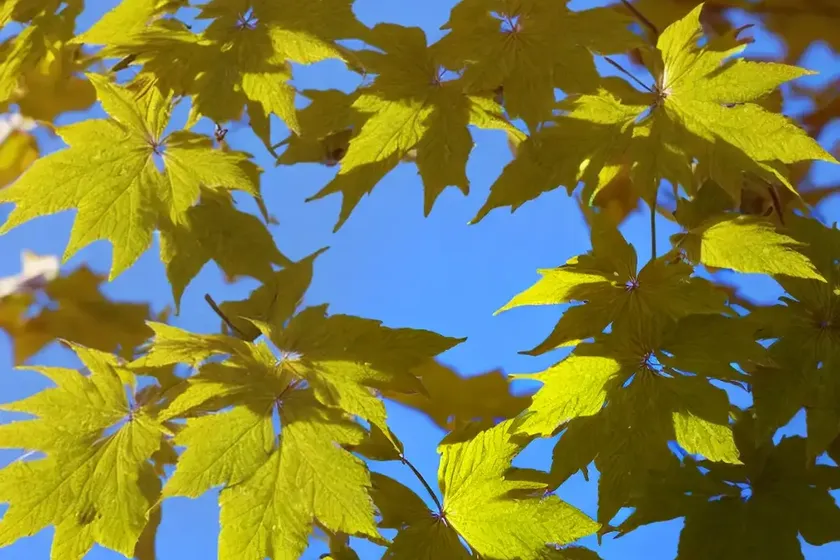
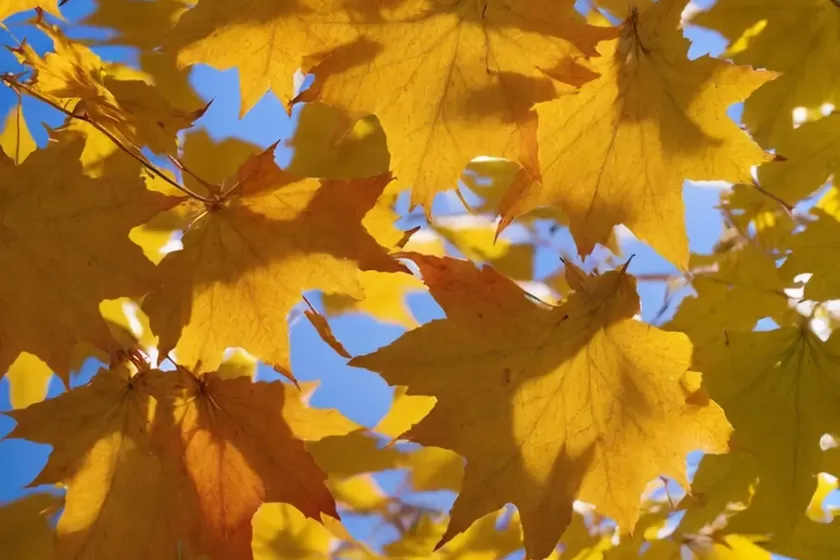
Maple Snake, a deciduous tree belonging to the Acer genus, is native to Japan and Korea. It is widely known for its striking appearance, featuring green leaves and greenish-white flowers in spring, followed by attractive red fruits in the fall. The most intriguing characteristic of this tree is its bark, which displays a green and white striped pattern resembling the skin of a snake, hence the name “Snakebark Maple.”
Key Takeaways – Maple Snake (Acer Capillipes)
Before delving into the details of cultivation and care, let’s highlight some key takeaways about Maple Snake:
- Common Name: Snakebark Maple
- Scientific Name: Acer Capillipes
- Native Range: Japan and Korea
- Distinctive Feature: Snake-like bark with green and white stripes
- Cultural Uses: Ornamental tree, landscaping
- Growth Rate: Moderate
- Soil Requirements: Well-drained, acidic soil
- Sunlight: Partial to full sun
- Watering Needs: Regular watering, especially during the growing season
- Pruning: Minimal pruning required, mainly for shaping and removing dead or damaged branches
- Propagation: Can be propagated from seeds or softwood cuttings
- Common Diseases: Verticillium wilt, tar spot
- Common Pests: Aphids, scale insects
Now, let’s delve into the specific cultural requirements and care guidelines for Maple Snake.
Culture
Cultivating Maple Snake involves understanding its specific requirements in terms of water, sunlight, fertilizer, soil, and pruning. By providing the right conditions, you can ensure the healthy growth and vitality of this unique tree.
Uses
Maple Snake is primarily valued for its ornamental characteristics. Its distinctive bark and seasonal foliage make it an attractive addition to gardens, parks, and landscapes. Additionally, its moderate size and shape make it suitable for various landscaping designs, including as a focal point or specimen tree.
Water
Proper watering is crucial for the health and vigor of Maple Snake. During the growing season, regular watering is necessary to maintain adequate soil moisture. However, it is important to avoid waterlogging, as excessive water can lead to root rot and other issues. Once established, the tree exhibits moderate drought tolerance, but it is advisable to provide supplemental watering during prolonged dry spells.
Sunlight
Maple Snake thrives in partial to full sunlight. When selecting a planting location, ensure that the tree receives adequate sunlight for the majority of the day. Full sun exposure is beneficial for promoting healthy foliage and enhancing the development of its unique bark patterns.
Fertilizer
Fertilization is recommended to support the growth and nutrition of Maple Snake. As with many trees, a balanced fertilizer formulated for woody plants can be applied in the spring. Before applying fertilizer, it is advisable to conduct a soil test to assess the nutrient levels and make informed decisions about the specific fertilizer requirements for your tree.
Soil
The soil conditions play a critical role in the health and growth of Maple Snake. It thrives in well-drained, acidic soil with a pH range of 5.5 to 6.5. The soil should also be rich in organic matter to support the tree’s nutrient needs. If the native soil does not meet these requirements, amending it with organic matter and adjusting the pH can create an ideal growing environment for Maple Snake.
Pruning
While Maple Snake generally requires minimal pruning, occasional maintenance pruning may be necessary. This primarily involves removing any dead, diseased, or damaged branches to promote a healthy tree structure. Light shaping and pruning for aesthetic purposes can also be performed during the dormant season.
Propagation
Maple Snake can be propagated through both seeds and softwood cuttings. When propagating from seeds, it is important to collect fresh, viable seeds and provide the appropriate conditions for germination. Softwood cuttings can be taken in early summer and propagated under controlled conditions to encourage root development.
Container Popularity
The unique characteristics and moderate size of Maple Snake make it suitable for container cultivation. Growing this tree in containers allows gardeners and landscaping enthusiasts to enjoy its beauty on patios, decks, or other outdoor spaces. Additionally, container-grown Maple Snake offers the flexibility of mobility, enabling gardeners to move the tree to different locations based on seasonal preferences or design considerations.
Container Common Diseases
When cultivating Maple Snake in containers, it is important to be mindful of potential diseases that can affect container-grown plants. Common diseases that may impact container-grown Maple Snake include root rot, caused by overwatering or poor drainage, and foliar diseases such as leaf spot. Regular monitoring, proper watering practices, and timely treatment can help mitigate these disease risks.
Disease Diagnosis
Maintaining the health of Maple Snake involves regular monitoring for signs of diseases. Common diseases that can affect this tree include:
- Verticillium Wilt: This fungal disease can cause wilting, yellowing of leaves, and eventual decline in tree health. Proper cultural practices, including adequate watering and soil management, can help prevent the onset of Verticillium wilt.
- Tar Spot: Characterized by the development of black spots on the leaves, tar spot is a fungal disease that can impact the aesthetic appeal of Maple Snake. Promoting good air circulation and promptly removing and disposing of affected leaves can help manage this disease.
When diagnosing potential diseases, it is important to seek the advice of a qualified plant health specialist or extension service to accurately identify the issue and determine the most effective management strategies.
Common Pests
Maple Snake is susceptible to certain pests that can affect its foliage and overall health. Common pests include aphids, which can cause damage by feeding on the sap of the tree, and scale insects, which may appear as small, immobile bumps on the leaves or stems. Regular inspection and monitoring for pest activity can help detect infestations early, facilitating timely intervention through appropriate pest management measures.
Botanist’s Tips
For those seeking to cultivate and care for Maple Snake, here are some valuable tips from botanists and horticulture experts:
- Selecting a Planting Site: Choose a well-drained location with ample sunlight exposure for optimal growth and bark development.
- Soil Preparation: Prior to planting, assess the soil conditions and make necessary amendments to create a suitable growing environment for Maple Snake.
- Pruning Practices: Practice minimal but strategic pruning to maintain the tree’s natural form and remove any compromised or unwanted growth.
- Watering Considerations: Strike a balance in watering, ensuring consistent soil moisture without leading to waterlogged conditions.
Fun Facts
- The distinctive striped bark of Maple Snake is not only visually appealing but also provides a natural camouflage, offering protection from potential bark-related pests.
- In traditional Japanese culture, certain maple tree species, including Acer Capillipes, are revered for their symbolic significance and association with natural beauty.
Now that we have explored the cultural requirements, uses, and care guidelines for Maple Snake, let’s take a look at some external resources that provide additional information on this unique tree.
Links to External Resources
For further exploration and in-depth information on Maple Snake (Acer Capillipes), you can refer to the following external resources:
- Royal Horticultural Society – Acer Capillipes
- Missouri Botanical Garden – Snakebark Maple
- Arboretum Wespelaar – Acer Capillipes
- The American Conifer Society – Snakebark Maples
By leveraging these external resources, enthusiasts and horticulturists can access comprehensive insights, botanical descriptions, and practical guidance on cultivating and caring for Maple Snake.
In conclusion, Maple Snake (Acer Capillipes) stands out as a captivating and distinctive tree species, prized for its unique bark patterns and ornamental appeal. By understanding its cultural requirements and implementing proper care practices, gardeners and landscaping enthusiasts can celebrate the beauty of this remarkable tree while fostering its health and vitality. Whether it graces residential gardens, public parks, or botanical landscapes, Maple Snake continues to captivate admirers with its snake-like bark and seasonal splendor, testament to the enduring allure of nature’s botanical treasures.