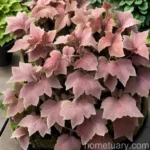
The Littleflower Alumroot (Heuchera parviflora)
Plants are an essential part of the natural world, and they play a significant role in maintaining the ecological balance of the Earth. Among the diverse plant species, the littleflower alumroot, scientifically known as Heuchera parviflora, is a captivating and versatile plant that has gained popularity among gardeners and plant enthusiasts. In this comprehensive guide, we will explore the characteristics, care requirements, uses, and much more about this fascinating plant.
What is the Littleflower Alumroot?
The littleflower alumroot, also referred to as Heuchera parviflora, is a herbaceous perennial plant that belongs to the Saxifragaceae family. It is native to North America and is commonly found in woodland areas, along streams, and in rocky slopes. The plant is known for its attractive foliage and delicate flowers, making it a popular choice for gardens and landscapes.
Key Takeaways – Littleflower Alumroot (Heuchera parviflora):
- Plant Name: Littleflower Alumroot (Heuchera parviflora)
- Family: Saxifragaceae
- Native Habitat: North America
- Common Names: Small-flowered Alumroot
- Foliage: Attractive and Varied
- Flower Colors: Delicate and Vivid
- Perennial: Herbaceous Perennial
- Garden Uses: Versatile and Aesthetic
Now, let’s delve deeper into the various aspects of the littleflower alumroot, including its culture, uses, care requirements, and more.
Culture
Water
Littleflower alumroot plants thrive in well-drained soil and prefer a moderate amount of water. It is essential to maintain a balanced watering schedule, ensuring that the soil is moist but not waterlogged. During the hot summer months, it is advisable to water the plants regularly, especially during dry spells. However, it is crucial to avoid over-watering, as excessive moisture can lead to root rot and other issues.
Sunlight
When it comes to sunlight requirements, littleflower alumroot plants exhibit a preference for partial shade to full shade. They are well-suited for shaded areas in gardens, making them an excellent choice for landscaping projects where sunlight may be limited. Adequate shade helps in preserving the vibrant colors of the foliage and ensures the overall health of the plants.
Soil
The littleflower alumroot thrives in well-draining, organic-rich soil with a slightly acidic to neutral pH. The soil should be loose and airy to facilitate healthy root development and prevent waterlogging. Adding organic matter such as compost or peat moss to the soil can enhance its fertility and texture, providing an optimal growing environment for the plants.
Fertilizer
A balanced, slow-release fertilizer can contribute to the overall growth and vigor of littleflower alumroot plants. Applying a suitable fertilizer in early spring, before the onset of new growth, can provide essential nutrients for the plants throughout the growing season. It is important to follow the recommended application rates and avoid over-fertilization, which can lead to adverse effects on the plants.
Uses
The littleflower alumroot (Heuchera parviflora) is a versatile plant that offers various uses in garden settings and landscaping projects. Some of its primary uses include:
-
Garden Borders: Littleflower alumroot plants can be used to create attractive borders in garden beds, adding a splash of color and texture to the landscape.
-
Groundcover: Due to their spreading nature and low-growing foliage, they are ideal for groundcover in shaded areas, filling in gaps with their lush leaves and delicate flowers.
-
Containers: Littleflower alumroot can be grown in containers and pots, making them suitable for patio gardens, balconies, and other outdoor spaces.
-
Woodland Gardens: With their native woodland habitat, they are well-suited for woodland gardens, adding a natural and serene touch to the landscape.
Pruning
Pruning littleflower alumroot plants is relatively simple compared to many other perennial species. Regular deadheading of spent flowers can promote continued blooming and maintain the plant’s overall appearance. Additionally, removing any damaged or diseased foliage can help prevent the spread of diseases and keep the plants looking healthy and attractive.
Propagation
Littleflower alumroot plants can be propagated through division, which involves separating the plant into smaller sections and replanting them to establish new growth. This process is typically done in the early spring or fall, taking advantage of the plant’s natural growth cycles. Division can help rejuvenate older plants and create new specimens for additional garden areas.
Container Popularity
With their compact growth habit and ornamental foliage, littleflower alumroot plants have become increasingly popular for container gardening. They can thrive in various container sizes, making them suitable for small to medium-sized pots and planters. When grown in containers, they offer an excellent option for adding visual interest and color to outdoor living spaces.
Common Diseases
Littleflower alumroot plants are generally resilient to pests and diseases, especially when grown in favorable conditions. However, they may be susceptible to certain diseases and issues, including:
-
Powdery Mildew: This common fungal disease can affect the foliage of littleflower alumroot plants, leading to a powdery white growth on the leaves. Adequate air circulation and proper spacing can help prevent powdery mildew.
-
Root Rot: Overly moist or waterlogged conditions can create a risk of root rot in littleflower alumroot plants. It is essential to ensure proper drainage and avoid water stagnation around the roots.
-
Leaf Spot: Fungal leaf spot infections can cause dark spots and blemishes on the foliage, affecting the plant’s overall aesthetics. Proper sanitation and removal of affected leaves can help manage leaf spot diseases.
Disease Diagnosis
Identifying and diagnosing potential diseases affecting littleflower alumroot plants is crucial for implementing timely and effective control measures. Visual symptoms such as unusual spots, discoloration, or deformities on the leaves, stems, or flowers can indicate potential disease issues. Conducting a thorough inspection of the plants and consulting with horticultural experts can aid in accurate diagnosis and appropriate treatment strategies.
Common Pests
While littleflower alumroot plants are relatively resistant to pests, they may occasionally encounter pest infestations that can impact their health and appearance. Some of the common pests that may affect littleflower alumroot plants include:
-
Aphids: These small, soft-bodied insects can feed on the sap of the plants, causing distortion and discoloration of the leaves. Regular monitoring and the use of natural predators or insecticidal soaps can help manage aphid populations.
-
Spider Mites: Infestations of spider mites can lead to stippled or discolored foliage, affecting the overall vigor of the plants. Maintaining adequate humidity levels and using miticides can help control spider mite infestations.
-
Slugs and Snails: These mollusks can feed on the leaves and tender shoots of littleflower alumroot plants, causing visible damage. Implementing barriers and using organic control methods can help protect the plants from slug and snail damage.
Botanist’s Tips
As a plant species with distinct characteristics and growing requirements, littleflower alumroot (Heuchera parviflora) benefits from certain tips and insights to ensure its successful cultivation and maintenance. Here are some valuable tips for growing littleflower alumroot plants:
-
Mulching: Applying a layer of organic mulch around the base of the plants can help conserve moisture, suppress weed growth, and maintain a consistent soil temperature, contributing to the overall health of the plants.
-
Companion Plants: Consider planting littleflower alumroot alongside compatible companion plants such as hostas, ferns, and astilbes to create visually appealing and harmonious garden combinations.
-
Wildlife Benefits: The flowers of littleflower alumroot plants can attract pollinators such as bees and butterflies, contributing to the biodiversity and ecological value of garden landscapes.
-
Rockery Plants: Due to their low-growing habit and attractive foliage, littleflower alumroot plants are suitable for rock gardens and alpine plantings, adding texture and color to these specialized landscapes.
Fun Facts
-
The foliage of littleflower alumroot plants can exhibit a wide range of colors, including shades of green, purple, silver, and variegated patterns, making them prized for their ornamental value.
-
The delicate flowers of littleflower alumroot plants can bloom in various colors, such as pink, white, red, and coral, providing a charming display in garden settings.
-
Littleflower alumroot plants are known for their adaptability to different climates and growing conditions, showcasing their resilience and versatility as garden perennials.
With their captivating aesthetics and adaptable nature, littleflower alumroot (Heuchera parviflora) stands out as a plant species that offers both visual appeal and functional advantages in garden landscapes and horticultural settings.
Links to External Resources
For further information about the littleflower alumroot and additional insights into its cultivation, characteristics, and uses, consider exploring the following external resources:
- Royal Horticultural Society – Heuchera Cultivation
- Missouri Botanical Garden – Heuchera parviflora
- University of Maryland Extension – Perennial Plants: Alumroot
- American Horticultural Society – Growing Heuchera
- North Carolina State University – Common Diseases of Heucheras
It is essential to continue learning and gathering knowledge about the cultivation and maintenance of littleflower alumroot plants, ensuring their optimal growth and longevity in garden landscapes and natural habitats.
In conclusion, the littleflower alumroot (Heuchera parviflora) represents a distinct and valuable addition to horticulture, offering a blend of ornamental beauty, ecological benefits, and gardening versatility. With proper care and attention to its specific requirements, this exceptional plant species can thrive and enrich diverse garden environments, captivating the hearts of plant enthusiasts and nature lovers alike.