Little Leaf Linden (Tilia Cordata)
Little Leaf Linden, scientifically known as Tilia Cordata, is a remarkable tree species that holds both cultural and ecological significance. This article.
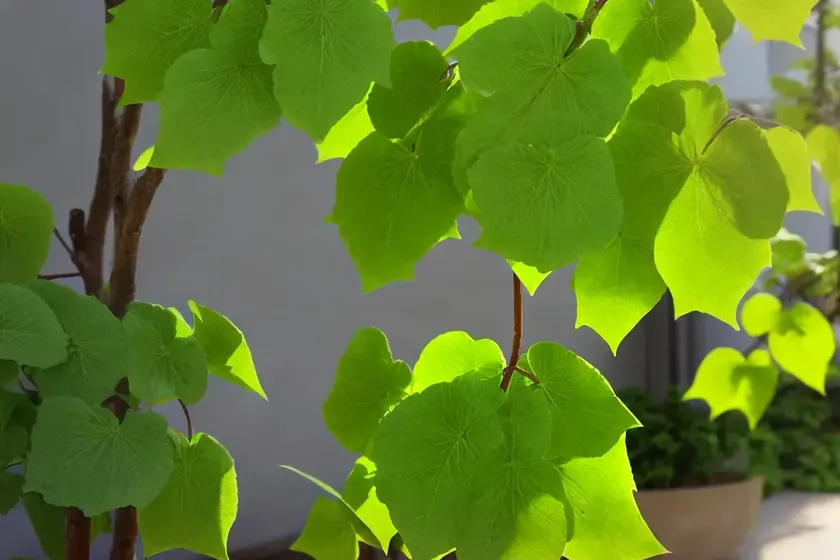


Little Leaf Linden, scientifically known as Tilia Cordata, is a remarkable tree species that holds both cultural and ecological significance. This article aims to provide a comprehensive understanding of the Little Leaf Linden tree, including its characteristics, cultivation requirements, uses, and ecological importance. We will delve into essential topics such as water and sunlight needs, fertilizer requirements, common diseases and pests, and propagation methods. Additionally, we will explore the botanist’s tips, fun facts, and provide links to external resources for a deeper understanding of this fascinating plant.
What is Little Leaf Linden (Tilia Cordata)?
The Little Leaf Linden, or Tilia Cordata, is a deciduous tree belonging to the genus Tilia and the family Malvaceae. It is commonly known for its small, heart-shaped leaves and fragrant, yellow-white flowers. This species is native to Europe and Western Asia and is widely cultivated as an ornamental tree in urban and rural landscapes. Additionally, it holds historical, medicinal, and folklore significance in various cultures.
Key Takeaways – Little Leaf Linden (Tilia Cordata)
Culture
- Little Leaf Linden is deeply rooted in European culture, often associated with folklore, traditional medicine, and ecological importance.
- Used in perfumery for its fragrant flowers and in traditional medicine for its medicinal properties.
Uses
- Little Leaf Linden is commonly used as an ornamental tree in urban landscapes and gardens.
- The flowers are utilized for their fragrance in perfumery and herbal teas, while the timber is valued for its quality and used in woodworking.
Water
- Little Leaf Linden trees require consistent moisture, especially during the initial years of growth. Adequate watering is essential for its establishment and long-term health.
Sunlight
- Prefers full sun to partial shade, thriving in well-lit areas with at least six hours of direct sunlight per day.
Fertilizer
- Requires a balanced fertilizer in the spring to support healthy growth and flower production.
Soil
- Thrives in well-drained, loamy soil with good fertility. It can tolerate a range of soil pH levels but prefers slightly acidic to neutral soil.
Pruning
- Pruning is beneficial to shape the tree, promote airflow, and remove dead or diseased branches. It is best performed during the dormant season.
Propagation
- Little Leaf Linden can be propagated through seeds, cuttings, or grafting. Each method has its benefits and considerations, catering to different propagation needs.
Container Popularity
- Suitable for container planting, allowing it to be grown in urban settings, patios, and smaller spaces.
Container Common Diseases
- Little Leaf Linden may be susceptible to certain diseases, including powdery mildew and leaf spot. Proper care and monitoring can help prevent and manage these issues.
Disease Diagnosis
- Understanding common diseases and their symptoms enables early detection and effective disease management.
Common Pests
- Aphids, scales, and mites are potential pests that can affect the Little Leaf Linden. Regular inspection and integrated pest management strategies are essential for pest control.
Botanist’s Tips
- Consider the tree’s mature size and growth habit when selecting a planting location.
- Provide adequate support and protection for young trees to ensure strong and healthy development.
Fun Facts
- The fragrant flowers of the Little Leaf Linden attract bees and other pollinators, contributing to its ecological importance.
- In many cultures, the tree is associated with luck, protection, and love, often planted near homes for its symbolic significance.
Links to External Resources
With a deeper understanding of the Little Leaf Linden’s characteristics, cultivation requirements, and uses, let’s explore each aspect in detail to gain comprehensive insights into this intriguing plant species.
Plant Name: “Little Leaf Linden (Tilia Cordata)”
Tilia Cordata – Exploring the Intriguing Aspects
Little Leaf Linden Tree
The Little Leaf Linden, also known as the Small Leaf Linden, is a graceful deciduous tree known for its dainty, heart-shaped leaves and fragrant flowers. It typically reaches a height of 50-70 feet at maturity, making it a suitable option for urban landscapes and gardens.
Tilia Cordata Plant
Tilia Cordata, the botanical name for the Little Leaf Linden, signifies its small, heart-shaped leaves. The species name “Cordata” is derived from the Latin word “cordatus,” which means heart-shaped, perfectly describing the characteristic foliage of this tree.
Small Leaf Linden Varieties
Several notable varieties of Tilia Cordata exist, each with unique features and attributes, catering to diverse landscaping and horticultural preferences.
Linden Tree Information
Linden trees, including the Little Leaf Linden, belong to the genus Tilia, which encompasses approximately 30 species of deciduous trees native to the temperate regions of the Northern Hemisphere.
Benefits of Little Leaf Linden
The Little Leaf Linden tree offers a multitude of benefits, ranging from its cultural and ecological significance to its ornamental value and utilitarian uses, such as in perfumery and woodworking.
Tilia Cordata Uses
The uses of Tilia Cordata extend beyond its ornamental value, encompassing medicinal, ecological, and cultural significance in various contexts.
Little Leaf Linden Characteristics
The characteristics of the Little Leaf Linden, including its foliage, flowers, and growth habit, contribute to its overall appeal and suitability for diverse landscapes.
Tilia Cordata Facts
- Common Name: Little Leaf Linden, Small-leaved Lime
- Family: Malvaceae
- Native Range: Europe, Western Asia
- Height: 50-70 feet
- Spread: 35-50 feet
- Growth Rate: Moderate
Growing Little Leaf Linden
Cultivating the Little Leaf Linden requires attention to specific growing conditions, care practices, and potential challenges to ensure successful establishment and long-term growth.
Tilia Cordata Care
Understanding the care requirements of Tilia Cordata is essential for maintaining the health and vigor of this tree species and promoting its optimal growth and flowering.
Little Leaf Linden Properties
The unique properties of the Little Leaf Linden, encompassing its ornamental, fragrant, and ecological attributes, contribute to its overall appeal and value in diverse landscapes.
Tilia Cordata Medicinal Uses
Medicinally, various parts of the Tilia Cordata tree, including the flowers, leaves, and bark, have been utilized for their potential health benefits, particularly in traditional herbal remedies.
Little Leaf Linden Cultivation
Successful cultivation of the Little Leaf Linden involves considerations of its ideal growing conditions, soil and water requirements, and management practices to support its growth and development.
Tilia Cordata Species
Tilia Cordata is a notable species within the Tilia genus, showcasing unique traits and adaptability to diverse environmental conditions.
Little Leaf Linden Leaves
The distinctive small, heart-shaped leaves of the Little Leaf Linden are a defining feature, contributing to its charm and ornamental value.
Tilia Cordata Growing Conditions
Understanding the specific growing conditions favored by Tilia Cordata is crucial for selecting suitable planting locations and providing adequate care for the tree.
Little Leaf Linden Tree Size
The mature size of the Little Leaf Linden tree influences its suitability for different landscapes, guiding its placement and potential uses in urban and rural environments.
Tilia Cordata Ornamental Plant
The ornamental value of Tilia Cordata is enhanced by its fragrant flowers, attractive foliage, and graceful form, making it a sought-after species for landscaping purposes.
Little Leaf Linden Flowering
The fragrant yellow-white flowers of the Little Leaf Linden hold aesthetic and ecological significance, attracting pollinators and contributing to its overall appeal.
Tilia Cordata Ecological Importance
The ecological role of Tilia Cordata extends to its support of pollinators, beneficial insects, and its potential contributions to urban biodiversity and green infrastructure.
Little Leaf Linden Benefits
The benefits of cultivating Little Leaf Linden encompass its ornamental, ecological, and utilitarian uses, catering to diverse needs and preferences in landscaping and horticulture.
Tilia Cordata Habitat
Tilia Cordata is native to a broad range of habitats, exhibiting adaptability to varying soil, moisture, and light conditions within its natural range.
Little Leaf Linden Gardening Tips
Incorporating Little Leaf Linden into garden designs and landscaping projects requires an understanding of its growth habits, care needs, and potential uses to maximize its aesthetic and ecological benefits.
Tilia Cordata Landscape Tree
As a landscape tree, Tilia Cordata offers numerous advantages, encompassing its ornamental value, ease of maintenance, and potential contributions to urban and rural green spaces.
Little Leaf Linden Pruning
Proper pruning practices for the Little Leaf Linden are crucial for maintaining its form, health, and promoting flowering, enhancing its overall appearance and vigor.
Tilia Cordata Soil Requirements
Understanding the soil preferences of Tilia Cordata is essential for providing optimal growing conditions and addressing potential soil-related challenges.
Little Leaf Linden Propagation
The propagation of Little Leaf Linden through seeds, cuttings, or grafting offers diverse options for expanding its cultivation and conservation.
Tilia Cordata Pest and Disease Management
Effective pest and disease management strategies are essential to protect Tilia Cordata from potential threats and sustain its health and vitality in diverse landscapes.
Little Leaf Linden Wildlife Value
Beyond its ornamental and utilitarian uses, the Little Leaf Linden provides value to wildlife, supporting beneficial insects, pollinators, and potential food sources for diverse species.
Tilia Cordata Cultural Significance
The cultural significance of Tilia Cordata spans centuries, encompassing folklore, traditional uses, and its symbolic associations in various cultural contexts.
Little Leaf Linden Uses in Perfumery
The fragrant flowers of Little Leaf Linden have been utilized in perfumery for their aromatic qualities, contributing to the creation of captivating scents and fragrances.
Tilia Cordata Wood Properties
The timber of Tilia Cordata holds valuable properties, making it suitable for woodworking and various applications in carpentry and crafts.
Little Leaf Linden Edible Uses
In certain cultures, the flowers and leaves of Little Leaf Linden are used in culinary preparations, offering unique flavors and potential nutritional benefits.
Tilia Cordata Historical Significance
Throughout history, Tilia Cordata has been revered for its significance in cultural, medicinal, and ecological contexts, shaping its portrayal in various historical narratives.
Little Leaf Linden Folklore
The folklore and symbolic associations of Little Leaf Linden enrich its cultural significance, symbolizing love, protection, and luck in various traditions and legends.
Tilia Cordata Native Habitat
Exploring the native habitat of Tilia Cordata provides insights into its ecological adaptations and the diverse environments it thrives in within its natural range.
Little Leaf Linden Climate Adaptability
The climate adaptability of Little Leaf Linden influences its range, cultivation potential, and resilience to various environmental conditions.
Tilia Cordata Importance in Urban Landscapes
Within urban landscapes, Tilia Cordata holds significant value, contributing to green spaces, biodiversity, and the overall aesthetic and environmental quality of urban environments.
Little Leaf Linden Shade Tolerance
Understanding the shade tolerance of Little Leaf Linden is essential for selecting suitable planting locations and leveraging its adaptability in diverse landscaping contexts.
Tilia Cordata Landscaping Ideas
Incorporating Tilia Cordata into landscaping projects offers numerous creative possibilities, ranging from individual tree plantings to mixed-species plantings and design features.
Little Leaf Linden Ornamental Features
The ornamental features of the Little Leaf Linden, including its fragrant flowers, attractive foliage, and graceful form, contribute to its widespread popularity in diverse landscapes.
Tilia Cordata Environmental Benefits
The environmental benefits of Tilia Cordata encompass its contributions to urban biodiversity, air quality improvement, and potential ecological services within diverse landscapes.
Little Leaf Linden Flowering Period
The flowering period of Little Leaf Linden holds specific significance, offering aesthetic beauty and ecological contributions during this seasonal display.
Tilia Cordata Insect Pollinators
The fragrant flowers of Tilia Cordata attract a range of insect pollinators, contributing to its ecological interactions and potential role in supporting pollinator diversity.
Little Leaf Linden Timber Quality
The timber quality of Little Leaf Linden provides essential raw materials for woodworking, showcasing the utility and potential economic value of this tree species.
Tilia Cordata Traditional Uses
Traditional uses of Tilia Cordata encompass its medicinal, cultural, and utilitarian applications, reflecting its diverse significance across various human interactions.
Little Leaf Linden Conservation Status
Understanding the conservation status of Little Leaf Linden provides insights into its management and potential challenges in preserving this species for future generations.
Tilia Cordata Bark Characteristics
The bark characteristics of Tilia Cordata offer unique features, influencing its overall appeal and potential applications in crafts, traditional medicine, and ecological interactions.
Little Leaf Linden Nectar Production
Beyond its ornamental value, the nectar production of Little Leaf Linden contributes to its ecological importance, supporting pollinators and beneficial insects.
Tilia Cordata Winter Hardiness
The winter hardiness of Tilia Cordata influences its adaptability to cold climates, shaping its potential distribution and resilience to seasonal environmental fluctuations.
By delving into the various aspects of Little Leaf Linden (Tilia Cordata), from its uses and ecological contributions to its ornamental and cultural significance, we gain a holistic understanding of this charismatic tree species.
Incorporating the botanist’s tips, fun facts, and the provided links to external resources, enthusiasts, horticulturists, and nature lovers can explore the Little Leaf Linden further, deepening their appreciation and knowledge of this remarkable plant.
With its intricate foliage, fragrant flowers, and cultural significance, Little Leaf Linden offers a captivating blend of ornamental, ecological, and utilitarian benefits, making it a cherished addition to diverse landscapes and human interactions.
It is essential to recognize and preserve the value of this remarkable tree species, ensuring its cultural, ecological, and aesthetic contributions endure for future generations to appreciate and benefit from. As we continue to explore and cultivate Little Leaf Linden, let us celebrate and safeguard its rich heritage and ecological value, fostering its presence within our landscapes and cultural narratives.
References
- Royal Horticultural Society. (n.d.). Tilia Cordata. https://www.rhs.org.uk/plants/19373/i-tilia-cordata-i/details
- The Morton Arboretum. (n.d.). Littleleaf Linden. https://www.mortonarb.org/trees-plants/tree-plant-descriptions/littleleaf-linden


