Little Bluestem (Schizachyrium scoparium): A Native Prairie Grass with Versatile Uses
Little bluestem, scientifically known as Schizachyrium scoparium, is a native prairie grass that holds immense ecological, aesthetic, and practical value. Its adaptability, drought tolerance, and wildlife support make it an appealing choice for landscaping and restoration projects. In this comprehensive guide, we will delve into the various aspects of little bluestem, including its cultural requirements, uses, maintenance, and ecological significance.
What is Little Bluestem (Schizachyrium scoparium)?
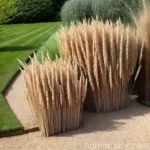
Little bluestem is a warm-season perennial bunchgrass that belongs to the Poaceae family. It is native to North America and is particularly prevalent in regions with well-drained soils, such as prairies, open woodlands, and savannas. The species name, scoparium, alludes to the broom-like appearance of the grass’s lower stems. Little bluestem typically reaches heights of 2 to 4 feet and exhibits a pleasing combination of blue-green foliage that transforms into striking copper and bronze shades during the fall.
Key Takeaways – Little Bluestem (Schizachyrium scoparium)
Before delving into the finer details of little bluestem, let’s quickly recap some key takeaways that we will explore in depth:
- Cultural Requirements: Understanding the water, sunlight, fertilizer, soil, and pruning needs of little bluestem.
- Uses: Exploring the diverse applications of little bluestem in landscaping, ecological restoration, and wildlife support.
- Propagation: Discussing effective methods for propagating little bluestem and its suitability for container cultivation.
- Common Diseases and Pests: Identifying prevalent diseases and pests that affect little bluestem and measures for their management.
- Botanist’s Tips: Valuable insights and tips from plant scientists for successful cultivation and maintenance of little bluestem.
- Fun Facts: Uncovering intriguing and lesser-known facts about little bluestem to foster a deeper appreciation for this remarkable grass.
Now, let’s embark on an exploration of the captivating world of little bluestem, touching upon its care, benefits, and ecological significance.
Cultural Requirements
Water
Little bluestem is renowned for its exceptional drought tolerance, making it an excellent choice for arid and semi-arid regions. Once established, this resilient grass can thrive with minimal supplemental watering. When planting or transplanting little bluestem, it is crucial to provide adequate moisture to support root establishment. However, it is essential to avoid waterlogged conditions, as the grass is susceptible to root rot in excessively wet soils.
Sunlight
This warm-season grass thrives in full sun, where it receives at least 6 to 8 hours of direct sunlight daily. Insufficient sunlight can lead to reduced growth and compromised vigor of the grass. Therefore, when selecting a planting site for little bluestem, prioritize locations with abundant sunlight exposure.
Fertilizer
Little bluestem showcases remarkable adaptability to nutrient-poor soils, thriving in conditions where many other plants would struggle. Generally, fertilization is unnecessary for this resilient grass. However, if the soil is severely depleted and necessitates supplementation, opt for a balanced, slow-release fertilizer with a low nitrogen content to prevent excessive vegetative growth.
Soil
The adaptability of little bluestem extends to a wide range of soil types, including sandy, loamy, and rocky soils. It is crucial to prioritize well-drained soils to prevent waterlogging, which can compromise the health of the grass. The pH of the soil, ranging from slightly acidic to slightly alkaline (pH 6.0-7.0), is suitable for little bluestem cultivation.
Pruning
Minimal maintenance is required for little bluestem, especially in naturalized settings. However, if grooming is desired or necessary, the grass can be trimmed back to a height of 4 to 6 inches during late winter or early spring before new growth emerges. This routine pruning can help rejuvenate the appearance of the grass and promote vigorous growth in the forthcoming season.
Uses
Landscaping
Little bluestem is highly valued in landscaping for its ornamental attributes, low-maintenance requirements, and striking seasonal transformations. Its upright, columnar growth habit and vibrant foliage make it a versatile choice for adding visual interest and texture to landscapes. Whether used as a standalone specimen, mass planting, or as part of a mixed grass planting, little bluestem lends a charming, naturalistic appeal to various landscape settings.
Ecological Restoration
In addition to its aesthetic appeal, little bluestem plays a pivotal role in ecological restoration initiatives, particularly in the revitalization of prairies, meadows, and natural habitats. Its extensive root system aids in soil stabilization, erosion control, and the enhancement of biodiversity by providing habitat and food sources for diverse wildlife, including birds and pollinators.
Wildfire Support
The ecological significance of little bluestem extends to its capability to provide food and cover for wildlife, contributing to the preservation of native flora and fauna in various ecosystems. Its seed heads serve as a valuable food source for birds during the winter months, bolstering the ecological balance within natural landscapes.
Propagation
Container
Little bluestem can be successfully cultivated in containers, offering a convenient and flexible option for incorporating this native grass into diverse settings, including patios, balconies, and urban gardens. When cultivating little bluestem in containers, select a sizeable container with adequate drainage holes to support healthy root development and moisture management. Opt for a well-draining potting mix and ensure that the grass receives ample sunlight to thrive in a containerized environment.
Popularity
The escalating popularity of little bluestem stems from its multifaceted benefits, including its ecological resilience, low-maintenance requirements, and ornamental appeal. This native grass has garnered attention from landscaping professionals, conservationists, and home gardeners alike, fueling its widespread utilization in diverse landscaping projects and restoration endeavors.
Common Diseases and Pests
Disease Diagnosis
While little bluestem is generally resistant to most diseases, it can occasionally be impacted by fungal infections, including rust and leaf spot diseases. Adequate air circulation and proper spacing between plants can mitigate the risk of disease development. Regular monitoring of the grass for any signs of discoloration, spotting, or abnormal growth can aid in early disease detection and prompt intervention to prevent further spread.
Common Pests
Little bluestem is relatively resistant to pest infestations, with minimal susceptibility to insect pests. However, occasional encounters with aphids, grasshoppers, and spider mites may occur. Vigilant monitoring and timely intervention through the application of organic insecticidal soaps or horticultural oils can effectively manage pest populations without compromising the overall health of the grass.
Botanist’s Tips
Little Bluestem Care
- Native Habitant Mimicry: When incorporating little bluestem into landscaping or restoration projects, prioritize mimicking its native habitat conditions to ensure optimal growth and performance of the grass.
- Erosion Control: Leverage the extensive root system of little bluestem to effectively control soil erosion and stabilize slopes, especially in areas prone to erosion.
- Seasonal Maintenance: Undertake seasonal pruning and grooming to rejuvenate the appearance of little bluestem and promote robust growth during the active growing season.
Fun Facts
- Wildlife Support: Little bluestem serves as a vital resource for a myriad of wildlife, including birds and small mammals, serving as a testament to its ecological significance beyond its ornamental allure.
- Historical Significance: The name ‘Little Bluestem’ is derived from the bluish coloration observed at the base of the grass, lending historical importance and cultural connotations to this native species.
Links to External Resources
To further enhance your understanding of little bluestem and its diverse applications, we encourage you to explore the following external resources:
- National Wildlife Federation – Little Bluestem
- USDA NRCS Plants Database: Schizachyrium scoparium
- The Morton Arboretum – Growing Native Plants: Schizachyrium scoparium
In conclusion, little bluestem (Schizachyrium scoparium) stands as a superlative example of a native grass that seamlessly integrates ecological value with ornamental appeal, making it an indispensable asset in sustainable landscaping, ecological restoration, and wildlife conservation efforts. By embracing the multifaceted virtues of this resilient grass, we can collectively contribute to the proliferation of sustainable and biodiverse landscapes, fostering a harmonious coexistence between nature and human habitats.
As we part ways, may the wistful beauty and enduring resilience of little bluestem inspire us to foster a deeper connection with the natural world and champion the conservation and appreciation of native flora within our surroundings.