Lithodora diffusa ‘Grace Ward’ (Gromwell): A Comprehensive Guide
Lithodora diffusa ‘Grace Ward’, commonly known as Gromwell, is a stunning, low-growing perennial plant that is cherished for its vibrant blue flowers and evergreen foliage. This plant belongs to the Boraginaceae family and is native to the western Mediterranean region.
In this comprehensive guide, we will explore the various aspects of Lithodora diffusa ‘Grace Ward’, including its culture, uses, maintenance requirements, and much more. Whether you are a seasoned gardener or a novice plant enthusiast, this guide will provide you with valuable insights into the care and cultivation of this remarkable plant.
Key Takeaways – Lithodora diffusa ‘Grace Ward’ (Gromwell)
Before delving into the specifics of caring for Lithodora diffusa ‘Grace Ward’, it’s beneficial to highlight some key takeaways that encapsulate the essential aspects of this plant:
- Scientific Name: Lithodora diffusa ‘Grace Ward’
- Common Name: Gromwell
- Family: Boraginaceae
- Plant Type: Perennial
- Foliage: Evergreen
- Flowers: Vivid blue
- Growth Habit: Low-growing, spreading
- Sunlight: Full sun to partial shade
- Soil: Well-draining, acidic
- Watering: Moderate
- Maintenance: Low
- Uses: Ground cover, borders, rock gardens, containers
- Attracts: Bees, butterflies
- Resistant to: Deer
- Medicinal Uses: Traditionally used for various remedies
- Native Habitat: Western Mediterranean region
This set of key takeaways provides a useful snapshot of the fundamental characteristics and requirements of Lithodora diffusa ‘Grace Ward’, setting the stage for an in-depth exploration of its cultivation and care.
What is Lithodora diffusa ‘Grace Ward’?
Lithodora diffusa ‘Grace Ward’, commonly known as Gromwell, is a perennial plant that is prized for its striking blue flowers and evergreen foliage. It is a member of the Boraginaceae family and is native to the western Mediterranean region.
Plant Characteristics
-
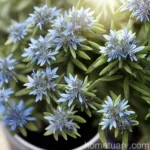
Foliage: The foliage of Lithodora diffusa ‘Grace Ward’ is evergreen, maintaining its vibrant green color throughout the year. The leaves are small, narrow, and densely arranged along the trailing stems, creating a lush and dense appearance.
-
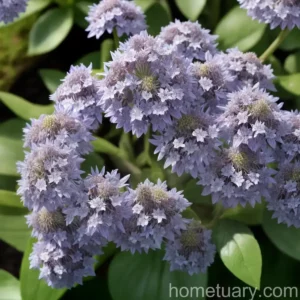
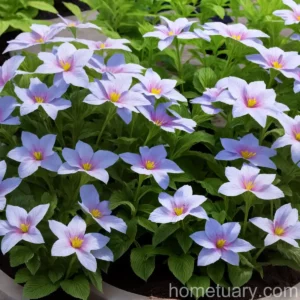
Flowers: One of the most captivating features of this plant is its brilliant blue flowers, which bloom profusely in spring and intermittently throughout the summer. The flowers are star-shaped and bear a resemblance to forget-me-nots, adding a splash of vibrant color to the landscape.
-
Growth Habit: Lithodora diffusa ‘Grace Ward’ exhibits a low-growing and spreading growth habit, making it an excellent choice for ground cover, borders, and rock gardens. Its trailing stems create a carpet-like effect, enhancing its visual appeal.
-
Hardiness: Gromwell is typically classified as hardy in USDA zones 6-9, thriving in regions with mild to moderately cold winters.
Now that we have gained an understanding of the basic characteristics of Lithodora diffusa ‘Grace Ward’, let’s delve into the specific cultural requirements and care practices essential for the successful cultivation of this captivating plant.
Culture
Successful cultivation of Lithodora diffusa ‘Grace Ward’ relies on an understanding of its cultural requirements, encompassing aspects such as sunlight, water, soil, and maintenance practices. By meeting the plant’s cultural needs, you can ensure its optimal growth and the prolific display of its enchanting blue flowers.
Uses
Lithodora diffusa ‘Grace Ward’ is prized for its versatility and ornamental value, making it well-suited for a range of landscaping and gardening applications. Some of its primary uses include:
-
Ground Cover: The low-growing and spreading nature of Gromwell makes it an excellent choice for ground cover. It forms a dense mat of foliage and blooms, effectively carpeting the ground and suppressing weeds.
-
Borders and Edging: Due to its compact growth habit and vibrant flowers, Lithodora diffusa ‘Grace Ward’ is frequently used to line borders, pathways, and garden edges, adding a pop of color and visual interest.
-
Rock Gardens: The trailing stems and vibrant blooms of Gromwell lend themselves well to rock gardens, where they can cascade over rocky terrain, softening the edges and infusing the space with color.
-
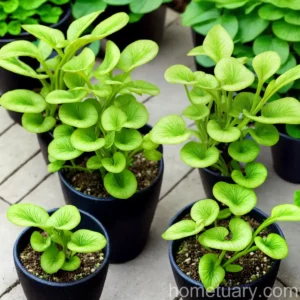
Containers: This plant can be cultivated in containers and hanging baskets, offering a beautiful accent for patios, balconies, and other outdoor spaces.
-
Wildlife Gardens: Lithodora diffusa ‘Grace Ward’ attracts bees and butterflies with its nectar-rich flowers, making it a valuable addition to wildlife-friendly gardens.
Water
When it comes to watering Lithodora diffusa ‘Grace Ward’, it’s important to strike a balance to ensure that the plant’s needs are met without subjecting it to excessive moisture. Here are some key points to consider regarding watering:
-
Moisture Requirements: While Gromwell prefers consistently moist soil, it is essential to avoid waterlogging, which can lead to root rot and other issues. Aim for evenly moist soil that allows excess water to drain away.
-
Established Plants: Once established, Lithodora diffusa ‘Grace Ward’ displays good drought tolerance, though regular watering during dry periods promotes healthy growth and flowering.
-
Watering Practices: Water the plant at the base to minimize moisture on the foliage, which can help prevent fungal diseases.
-
Considerations: Take into account the soil type and drainage characteristics of the planting site, adjusting the watering frequency accordingly to maintain the ideal moisture levels.
Sunlight
Proper sunlight exposure is crucial for the health and flowering performance of Lithodora diffusa ‘Grace Ward’. Understanding the plant’s sunlight requirements can contribute to its overall vitality and vigor. Here are some essential aspects to consider regarding sunlight:
-
Optimal Sunlight: Gromwell thrives in full sun to partial shade, with the ideal conditions being morning sun and afternoon shade in hot climates. Adequate sunlight promotes robust growth and prolific blooming.
-
Partial Shade Considerations: In regions with intense summer heat, providing afternoon shade can help protect the plant from excessive heat and sun exposure.
-
Sun-Partnership: When selecting planting locations or companion plants, factor in the sunlight needs of Lithodora diffusa ‘Grace Ward’ to ensure that it is positioned to receive the appropriate light intensity.
Fertilizer
Fertilizing practices play a role in sustaining the vigor and flowering capacity of Lithodora diffusa ‘Grace Ward’. By providing essential nutrients, you can support the plant’s growth and encourage a profusion of blooms. Here are some key considerations related to fertilization:
-
Fertilizer Type: Use a balanced, slow-release fertilizer formulated for flowering perennials in the spring to provide a steady supply of nutrients throughout the growing season.
-
Application Rate: Follow the manufacturer’s recommendations regarding the application rate, ensuring that the fertilizer is distributed evenly around the plant’s root zone.
-
Avoid Overfertilization: Exercise caution to prevent overfertilization, which can lead to excessive foliage growth at the expense of flowers and may have negative impacts on the plant’s overall health.
-
Organic Alternatives: Consider organic fertilizers or compost applications as a more sustainable and environmentally friendly approach to nourishing Lithodora diffusa ‘Grace Ward’.
Soil
The soil composition and quality significantly influence the health and performance of Lithodora diffusa ‘Grace Ward’. Understanding the plant’s soil preferences and making appropriate provisions can contribute to its overall well-being. Here are some key aspects to consider regarding soil:
-
Well-Draining Soil: Gromwell thrives in well-draining soil that prevents waterlogging and allows excess moisture to percolate through. Avoid heavy or compacted soils that retain water excessively.
-
Soil pH: This plant prefers acidic to slightly acidic soil, with a pH range of 5.5 to 6.5 being optimal. Conduct a soil test to assess the pH of the planting site, making necessary amendments to achieve the ideal acidity level.
-
Amendments: If the soil is heavy or lacks adequate drainage, incorporate organic matter, such as compost or pine bark, to improve its structure and drainage capacity.
-
Mulching: Apply a layer of mulch around the base of the plant to conserve soil moisture, suppress weed growth, and moderate soil temperatures. Use a mulch material that complements the acidic soil preferences of Lithodora diffusa ‘Grace Ward’, such as pine bark or pine needles.
Pruning
Pruning practices are essential for maintaining the compact and tidy appearance of Lithodora diffusa ‘Grace Ward’, as well as promoting healthy growth and abundant flowering. Here are some key considerations related to pruning:
-
Deadheading: Remove spent flowers promptly to encourage the continuous production of new blooms and prevent the plant from expending energy on seed production.
-
Tidying Up: Trim back any straggly or overgrown stems to maintain a neat and compact growth habit, promoting the plant’s aesthetic appeal.
-
Timing: Engage in light pruning as needed throughout the growing season, with more comprehensive pruning and shaping performed in early spring to remove any winter damage and rejuvenate the plant.
-
Sanitization: Use clean, sharp pruning shears to minimize the risk of disease transmission and to make precise, clean cuts that facilitate the healing process.
Propagation
The propagation of Lithodora diffusa ‘Grace Ward’ offers the opportunity to expand your collection of these enchanting plants or share them with fellow gardening enthusiasts. Here are some common methods of propagation for Gromwell:
-
Division: Divide established clumps of Lithodora diffusa ‘Grace Ward’ in early spring or fall, ensuring that each division possesses viable roots and growth points.
-
Stem Cuttings: Take stem cuttings from healthy, non-flowering shoots in spring or early summer, rooting them in a well-draining propagation medium under controlled conditions.
-
Seeds: While Gromwell can be grown from seeds, it is important to note that seed propagation may result in some variation in flower color and overall characteristics. Sow seeds in a suitable propagation medium and provide the necessary conditions for germination and early growth.
Container
Cultivating Lithodora diffusa ‘Grace Ward’ in containers presents an opportunity to enjoy this charming plant in various outdoor settings, including patios, balconies, and terraces. Here are some key considerations regarding container cultivation:
-
Container Size: Select a container that provides ample room for the plant’s root system to establish and grow, choosing a size that accommodates the mature dimensions of Lithodora diffusa ‘Grace Ward’.
-
Drainage: Ensure that the container possesses adequate drainage holes to prevent waterlogging, promoting healthy root development and minimizing the risk of excess moisture.
-
Potting Medium: Use a well-draining, acidic potting mix that mirrors the soil preferences of Gromwell, incorporating ingredients such as peat moss, pine bark, and perlite.
-
Sunlight: Position the container in a location that receives the appropriate sunlight for Lithodora diffusa ‘Grace Ward’, whether it be full sun or partial shade, based on the plant’s needs.
-
Watering: Monitor the moisture levels in the container, adjusting the frequency of watering to maintain even soil moisture without allowing it to become waterlogged.
Popularity
Lithodora diffusa ‘Grace Ward’ has garnered popularity among gardeners and landscapers for its captivating blue flowers, low-maintenance nature, and versatility in various garden settings. Its popularity is attributed to the following factors:
-
Aesthetics: The vibrant blue flowers and evergreen foliage of Gromwell make it a sought-after choice for adding color and visual interest to garden beds, borders, and other landscape elements.
-
Low Maintenance: With its moderate water and sunlight needs, combined with minimal pruning and fertilizer requirements, Lithodora diffusa ‘Grace Ward’ appeals to individuals seeking easily manageable plants for their gardens.
-
Versatility: This plant’s adaptability to different uses, such as ground cover, container cultivation, and rock gardens, contributes to its popularity among gardeners looking for versatile and multi-functional plants.
-
Wildlife Attraction: Lithodora diffusa ‘Grace Ward’ serves as an attractive nectar source for pollinators, contributing to its appeal in wildlife-friendly gardens and landscapes.
Common Diseases
While Lithodora diffusa ‘Grace Ward’ is generally resilient, it may be susceptible to certain diseases and issues under unfavorable growing conditions. It is important to be aware of common diseases that can affect Gromwell, taking proactive measures to mitigate their impact. Some common diseases include:
-
Powdery Mildew: This fungal disease manifests as a powdery white coating on the foliage, typically in conditions of high humidity and poor air circulation. Ensure proper spacing and ventilation to reduce the risk of powdery mildew.
-
Crown and Root Rot: Overly wet or waterlogged soil can lead to crown and root rot, causing the plant’s health to decline. To prevent rot issues, maintain well-draining soil and avoid overwatering.
-
Leaf Spot: Leaf spot diseases can manifest as discolored or spotted foliage, often under conditions of excessive moisture or poor air circulation. Implementing proper watering practices and removing affected leaves can help manage leaf spot issues.
Disease Diagnosis
When diagnosing potential diseases or issues affecting Lithodora diffusa ‘Grace Ward’, it is crucial to observe the plant closely and consider environmental factors that may contribute to its health. Here are some indicative signs and symptoms to consider when diagnosing diseases:
-
Foliage Appearance: Examine the foliage for unusual discoloration, spots, or abnormal growth patterns, which can signal the presence of diseases such as powdery mildew or leaf spot.
-
Soil Moisture: Assess the soil moisture levels and drainage characteristics, as issues such as root and crown rot are often linked to excessively wet or waterlogged soil.
-
Air Circulation: Evaluate the air circulation around the plant, particularly in densely planted areas or regions with limited airflow, as poor ventilation can contribute to the development of fungal diseases.
-
Environmental Conditions: Consider factors such as humidity, temperature, and sunlight exposure, as these can influence the plant’s susceptibility to diseases and disorders.
Common Pests
While Lithodora diffusa ‘Grace Ward’ is relatively resistant to pests, it may still encounter occasional pest issues that can impact its growth and appearance. Vigilance and early intervention are essential for managing common pests that may affect Gromwell. Some common pests include:
-
Aphids: These small, soft-bodied pests feed on plant sap, often congregating on the undersides of leaves and causing distorted growth and honeydew secretion. Use insecticidal soap or horticultural oil to manage aphid populations.
-
Spider Mites: These tiny arachnids may infest the foliage, causing stippling, webbing, and overall decline in plant vigor. Mitigate spider mite infestations by spraying the foliage with a strong stream of water or applying specialized miticides.
-
Snails and Slugs: These mollusks can feed on the foliage and flowers of Lithodora diffusa ‘Grace Ward’, causing unsightly damage. Employ physical barriers, such as copper tape or diatomaceous earth, to protect the plant from snail and slug feeding.
Botanist’s Tips
As botanists specializing in the cultivation and study of plants, we offer the following tips and recommendations for the successful care of Lithodora diffusa ‘Grace Ward’:
-
Site Selection: When selecting a planting site for Gromwell, prioritize well-draining, acidic soil and ample sunlight to ensure optimal growth and flowering performance.
-
Watering Practices: Aim for consistent soil moisture, avoiding extremes of drought or waterlogging, to support the plant’s health and vitality.
-
Pruning Techniques: Employ regular deadheading and light pruning to maintain the plant’s compact form, promote flowering, and minimize the risk of disease issues.
-
Seasonal Considerations: During winter, provide protection from harsh conditions and ensure proper drainage to safeguard the plant from potential cold damage and moisture-related issues.
-
Companion Planting: Pair Lithodora diffusa ‘Grace Ward’ with compatible companion plants that share its cultural requirements and aesthetic appeal, creating harmonious garden compositions.
-
Wildlife Support: Embrace the presence of pollinators and beneficial wildlife in the garden, viewing Gromwell as a valuable contributor to ecological diversity and balance.
Fun Facts
To further enrich our understanding and appreciation of Lithodora diffusa ‘Grace Ward’, here are some fascinating and delightful fun facts about this enchanting plant:
-
Symbolism: In the language of flowers, blue flowers, including those of Gromwell, are associated with themes of tranquility, harmony, and enduring love.
-
Heritage: The genus name “Lithodora” is derived from the Greek words “lithos” and “doros,” translating to “stone” and “gift,” potentially alluding to the plant’s alleged medicinal properties or its capacity to thrive in rocky environments.
-
Wild Habitats: In its native Mediterranean range, Lithodora diffusa ‘Grace Ward’ can be found thriving in rocky, coastal habitats, showcasing its resilience and adaptability in challenging growing conditions.
-
Traditional Uses: Gromwell has a history of traditional medicinal uses, with various parts of the plant being utilized to prepare herbal remedies and infusions for a range of health and wellness purposes.
-
Cultural Associations: The vivid blue flowers of Lithodora diffusa ‘Grace Ward’ have inspired artistic interpretations and cultural associations, symbolizing beauty, serenity, and the ephemeral nature of life.
Links to External Resources
To further delve into the world of Lithodora diffusa ‘Grace Ward’ and expand your knowledge and appreciation of this captivating plant, consider exploring the following external resources:
-
Royal Horticultural Society – Lithodora Diffusa ‘Grace Ward’
-
North Carolina State University Extension – Lithodora Diffusa ‘Grace Ward’
By exploring these external resources, you can access valuable insights, practical advice, and detailed information from reputable sources, enriching your understanding of Lithodora diffusa ‘Grace Ward’ and its cultivation.
In conclusion, Lithodora diffusa ‘Grace Ward’, also known as Gromwell, is a captivating and versatile perennial plant that embodies beauty, resilience, and horticultural charm. Its vibrant blue flowers, evergreen foliage, and low-maintenance nature make it a cherished addition to gardens, borders, and rockeries, captivating the hearts of plant enthusiasts and