Lilium Longiflorum ‘White American’ (Easter Lily)
Lilium longiflorum, commonly known as the Easter Lily, is a popular flowering plant that is widely recognized for its elegant and fragrant white blooms..
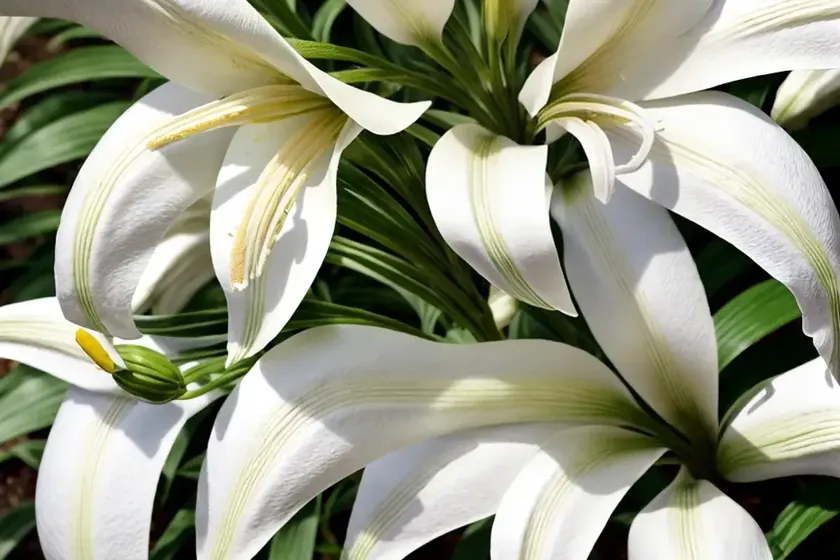
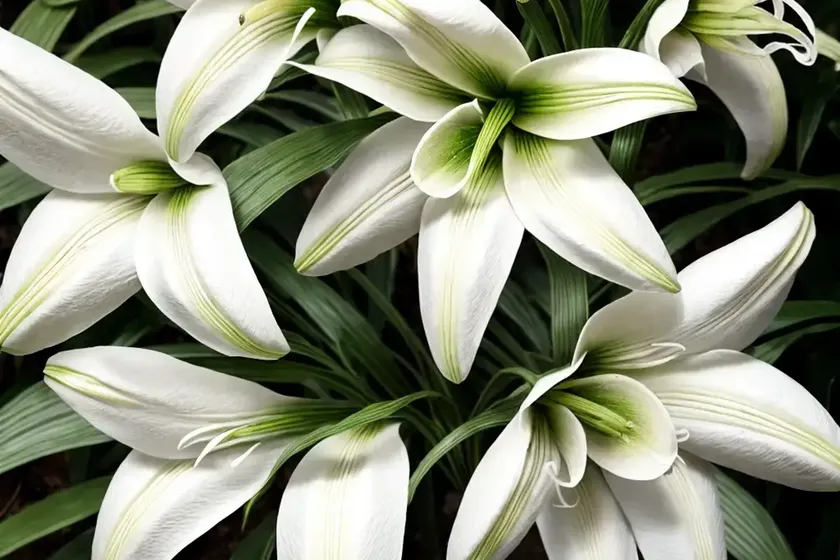
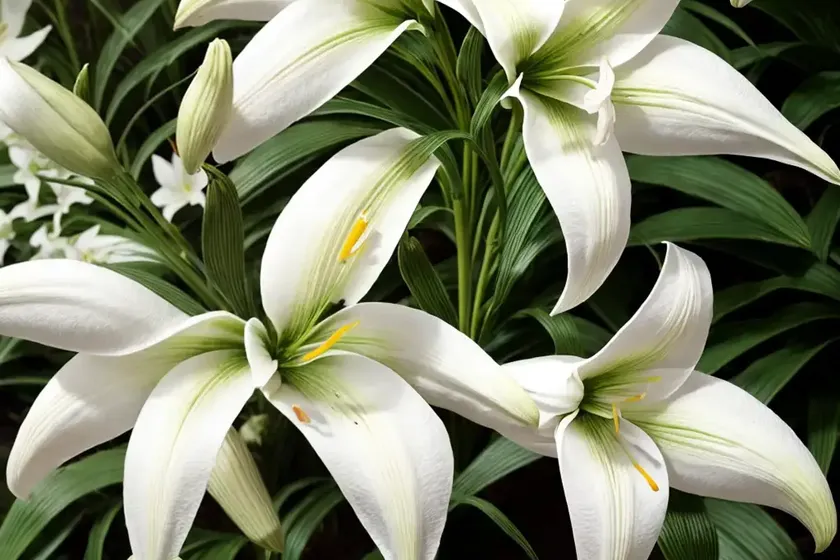
Lilium longiflorum, commonly known as the Easter Lily, is a popular flowering plant that is widely recognized for its elegant and fragrant white blooms. This perennial plant belongs to the Liliaceae family and thrives in temperate regions. The ‘White American’ variety is particularly renowned for its beautiful flowers and is a favorite for Easter decorations and gardens around the world.
In this comprehensive guide, we will explore the attributes, cultivation, uses, and maintenance of Lilium longiflorum ‘White American’. Whether you are a gardening enthusiast, a florist, or simply someone who appreciates the beauty of these lilies, this article will provide valuable insights for your journey with this exquisite plant.
Key Takeaways – Lilium longiflorum ‘White American’ (Easter Lily)
Before delving into the specifics of growing and caring for the Easter Lily, let’s highlight some key takeaways about this plant.
- Scientific Name: Lilium longiflorum ‘White American’
- Common Name: Easter Lily
- Family: Liliaceae
- Native Habitat: Japan
- Blooming Period: Late spring to early summer
- Preferred Growing Zones: USDA Zones 4-9
- Special Features: Fragrant white trumpet-shaped flowers, symbolic of purity and renewal
- Uses: Ornamental, cut flowers, religious and cultural symbolism
What is Lilium longiflorum ‘White American’ (Easter Lily)?
Lilium longiflorum ‘White American’, also known as the Easter Lily, is a strikingly beautiful and fragrant plant species that captivates with its pure white trumpet-shaped flowers. This plant is highly regarded for its ornamental value, and its association with Easter, a Christian holiday celebrating the resurrection of Jesus Christ, has contributed to its popularity and symbolism.
The Easter Lily is native to the Ryukyu Islands of southern Japan and is known for its elegant and stately appearance. The flowers are widely utilized in religious ceremonies, home decor, and floral arrangements, making it a beloved choice for various occasions.
Culture
The culture of Lilium longiflorum ‘White American’ encompasses its growing conditions, propagation methods, and historical significance.
The Easter Lily has a rich cultural heritage and holds spiritual and symbolic value in various traditions and ceremonies. Its association with Easter has elevated its status as a symbol of purity, hope, and renewal.
Uses
The Easter Lily holds immense cultural and ornamental significance, finding applications in diverse settings. Its elegant and fragrant flowers are revered for their beauty and symbolism. Some common uses of Lilium longiflorum ‘White American’ include:
- Religious Symbolism: The Easter Lily is a potent symbol of Christ’s resurrection and is often utilized in Christian religious ceremonies and decorations during Easter.
- Ornamental Plant: As an ornamental plant, it adds charm to gardens, borders, and containers, especially during the spring season when its flowers bloom in all their glory.
- Floral Decor: The fragrant flowers of the Easter Lily are often used in floral arrangements and bouquets, adding a touch of elegance and sophistication to special occasions and events.
Water
Easter Lilies require consistent moisture to thrive, especially during their active growth and blooming phases. Adequate watering practices are essential to ensure the health and vitality of the plants.
Watering Guidelines for Easter Lilies
- Consistent Moisture: The soil should be kept consistently moist, but not waterlogged. Water the plant thoroughly when the top inch of the soil feels dry to the touch.
- Avoid Overwatering: Overwatering can lead to root rot and other problems. Ensure proper drainage to prevent waterlogging.
- Leaf Mist: Occasionally misting the leaves can help maintain appropriate humidity levels, particularly in dry or arid environments.
- Reduce Watering: After the blooming period, gradually reduce the frequency of watering as the plant enters a dormant phase.
Sunlight
Adequate sunlight is crucial for the growth and blooming of Lilium longiflorum ‘White American’. Easter Lilies thrive in bright, indirect light and benefit from exposure to the morning sun.
Sunlight Requirements for Easter Lilies
- Morning Sun: Easter Lilies prefer exposure to the gentle morning sun, which promotes healthy growth and flowering.
- Partial Shade: While they require ample light, it is vital to shield them from intense midday and afternoon sun to prevent scorching of the foliage and flowers.
- Indoor Placement: Indoors, place the plant near east-facing windows or areas that receive bright, indirect light to ensure optimal growth.
Fertilizer
Feeding Easter Lilies with a balanced fertilizer regimen supports their growth and enhances the quality of their blooms.
Fertilization Tips for Easter Lilies
- Slow-Release Fertilizer: Apply a slow-release, balanced fertilizer in spring as new growth emerges, following the manufacturer’s instructions for application rates.
- Liquid Fertilizer: During the growing season, supplement the soil with a diluted liquid fertilizer every 2-3 weeks to provide essential nutrients for healthy development.
- Cease Fertilization: Discontinue fertilization after the blooming period to allow the plant to gradually transition to its dormant phase.
Soil
The choice of soil and its composition significantly influences the performance and resilience of Easter Lilies.
Ideal Soil Conditions for Easter Lilies
- Well-Draining Soil: Easter Lilies thrive in well-draining, fertile soil that retains sufficient moisture without becoming waterlogged.
- pH Level: The soil should have a slightly acidic to neutral pH (6.0-6.5) to support optimal nutrient uptake by the plant.
- Amendments: Incorporate organic matter or compost into the soil to improve its structure and nutrient content, promoting healthy root development and overall growth.
Pruning
Pruning practices play a pivotal role in maintaining the vigor and appearance of Easter Lilies. Proper pruning promotes air circulation, controls disease, and encourages robust flowering.
Pruning Guidelines for Easter Lilies
- Faded Flowers: Remove spent flowers promptly to prevent the plant from expending energy on seed production and encourage the development of new blooms.
- Yellowing Foliage: Trim yellowing or withering foliage to maintain the plant’s aesthetic appeal and prevent the spread of diseases.
- Stem Pruning: After the blooming season, prune the flower stalks near the base to redirect the plant’s energy towards bulb development and storage.
Propagation
The propagation of Lilium longiflorum ‘White American’ can be accomplished through various methods, including division and seed propagation.
Methods of Propagating Easter Lilies
- Division: Divide mature bulbs in late summer or early fall, ensuring that each division retains viable roots and a portion of the stem for successful establishment.
- Seed Propagation: Collect and sow seeds in a well-prepared seedbed in the early fall, providing the appropriate conditions for germination and subsequent growth.
Container Popularity
Easter Lilies are popular choices for container gardening, adding grace and charm to patios, balconies, and indoor spaces.
Advantages of Container Gardening with Easter Lilies
- Space Efficiency: Container planting allows individuals with limited outdoor space to enjoy the beauty of Easter Lilies on their patios, decks, or windowsills.
- Portability: Containers provide the flexibility to move the plants to different locations as needed, enabling optimal light exposure and environmental conditions.
- Decorative Appeal: The elegance of Easter Lilies enhances the visual appeal of outdoor and indoor spaces, serving as captivating focal points.
Container Common Diseases
Easter Lilies may be vulnerable to specific diseases when grown in containers. Recognizing these diseases and implementing preventive measures is vital for maintaining the health of the plants.
Common Diseases in Easter Lilies Grown in Containers
- Botrytis Blight: This fungal disease can cause gray mold on flowers and foliage, leading to wilting and decay. Proper air circulation and moisture management are essential for prevention.
- Root Rot: Excessive soil moisture in containers can lead to root rot, characterized by discolored or soft roots and wilting plants. Ensure proper drainage and avoid overwatering to mitigate this issue.
- Powdery Mildew: Powdery mildew may occur in dry and humid conditions, manifesting as a powdery white coating on the leaves. Maintain moderate humidity levels and ensure proper ventilation to minimize its impact.
Disease Diagnosis
Recognizing and diagnosing diseases in Easter Lilies is crucial for implementing timely interventions and preventing the spread of infections.
Methods for Diagnosing Diseases in Easter Lilies
- Visual Symptoms: Regularly inspect the plant for signs of discoloration, wilting, spots, or unusual growth patterns on the foliage and flowers, which may indicate the presence of diseases.
- Laboratory Tests: In cases of uncertainty or severe infections, conduct laboratory tests or consult with a plant pathologist to identify the specific pathogens and formulate an effective treatment plan.
Common Pests
Several pests can pose a threat to the health and vigor of Easter Lilies, necessitating vigilant monitoring and proactive pest management strategies.
Notable Pests Affecting Easter Lilies
- Aphids: These small, soft-bodied insects can cluster on the undersides of leaves and flower buds, sucking sap from the plant and causing distortion and yellowing of the foliage.
- Lily Leaf Beetle: The adults and larvae of these beetles can defoliate Easter Lilies, leading to significant damage. Handpicking and insecticidal treatments are commonly used for control.
- Spider Mites: These tiny pests can infest the leaves and create fine webbing, impacting the plant’s vigor. Regularly inspect the leaves and employ horticultural oils to manage spider mite populations.
Botanist’s Tips
Lilium longiflorum ‘White American’ presents a captivating blend of beauty and cultural significance. Here are some expert tips to enhance your experience with these elegant lilies:
Expert Recommendations for Growing Easter Lilies
- Proper Watering: Maintain consistent moisture levels, avoiding water stress or excessive saturation of the soil.
- Light Management: Provide adequate sunlight while protecting the plants from intense midday sun to prevent leaf scorching.
- Fertilization Schedule: Adhere to a balanced fertilization regimen to promote robust growth and prolific flowering.
- Disease Vigilance: Monitor the plants regularly for signs of diseases and pests, implementing prompt measures when necessary.
- Cultural Significance: Embrace the symbolic significance of Easter Lilies and appreciate their role in religious and cultural contexts.
Fun Facts
Discover intriguing and delightful facts about Lilium longiflorum ‘White American’ that add a touch of fascination to these enchanting plants.
Fascinating Trivia about Easter Lilies
- Religious Symbolism: The Easter Lily is often associated with purity, rebirth, and the Virgin Mary in Christian traditions and symbolizes the resurrection of Jesus Christ.
- Seasonal Significance: The blooming of Easter Lilies typically coincides with the Easter holiday, aligning with their symbolic ties to renewal and new beginnings.
- Global Appeal: Easter Lilies are admired worldwide for their elegance and fragrance, making them a beloved choice for diverse cultures and occasions.
Links to External Resources
To expand your knowledge and appreciation for Lilium longiflorum ‘White American’, explore these valuable external resources:
- American Society for the Prevention of Cruelty to Animals (ASPCA) – Toxic and Non-Toxic Plants: Easter Lily
- University of Nebraska-Lincoln Extension – Growing Lilies in Nebraska Gardens
- Royal Horticultural Society (RHS) – Lily Beetle
- University of Florida IFAS Extension – Easter Lily Production and Stock Plant Management
- North Carolina State University – Easter Lilies in the Greenhouse
- Mississippi State University Extension – Propagating Easter Lilies and Other Lilies
This comprehensive guide to Lilium longiflorum ‘White American’ (Easter Lily) equips you with the knowledge and insights needed to cultivate, admire, and cherish these stunning flowers. Whether you seek to enhance your garden, create captivating floral displays, or simply deepen your understanding of this majestic plant, the Easter Lily truly enriches our lives with its beauty, fragrance, and symbolic significance.


