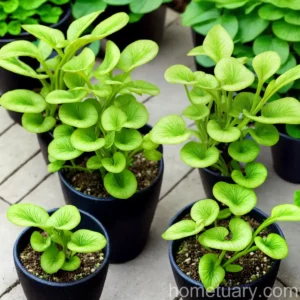
Lithodora ‘Crystal Blue’ (Gromwell) – A Stunning Addition to Your Garden
Lithodora ‘Crystal Blue,’ also known as Gromwell, is a captivating perennial plant that adds a vibrant touch to any garden landscape. This remarkable plant is revered for its vivid blue flowers and lush green foliage, making it a popular choice among gardeners and landscapers alike. In this comprehensive guide, we will explore the various aspects of Lithodora ‘Crystal Blue,’ including its cultural requirements, uses, propagation techniques, and maintenance tips. Whether you are a seasoned gardener or a novice enthusiast, this article will equip you with the knowledge and insights needed to cultivate and care for this stunning plant.
What is Lithodora ‘Crystal Blue’ (Gromwell)?
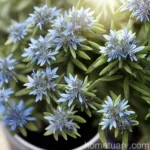
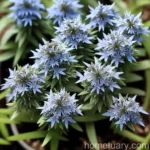
Lithodora ‘Crystal Blue’ is a species of flowering plant native to the western Mediterranean region, particularly in areas such as southern France, Italy, and the Iberian Peninsula. Belonging to the family Boraginaceae, this perennial herbaceous plant is valued for its striking clusters of cobalt-blue flowers that adorn its sprawling, evergreen foliage. The genus name “Lithodora” is derived from the Greek words “lithos,” meaning stone, and “doron,” meaning gift, alluding to the plant’s native rocky habitats and ornamental value.
This ground-hugging plant typically forms dense mats of foliage, making it an excellent choice for groundcover and border plantings. With its ability to thrive in various growing conditions and its low-maintenance nature, Lithodora ‘Crystal Blue’ has become a sought-after addition to gardens, rockeries, and container plantings.
Key Takeaways – Lithodora ‘Crystal Blue’ (Gromwell)
Before delving into the specific cultural requirements and care guidelines for Lithodora ‘Crystal Blue,’ let’s highlight some key takeaways about this enchanting plant:
- Botanical Name: Lithodora ‘Crystal Blue’
- Common Name: Gromwell
- Plant Type: Perennial
- Mature Height: 6-12 inches
- Mature Spread: 12-18 inches
- Flower Color: Cobalt blue
- Foliage: Evergreen, glossy, dark green
- Hardiness Zones: 6-9
- Uses: Groundcover, border plant, container plant
- Special Features: Drought tolerant, low maintenance, pollinator-friendly
- Toxicity: Non-toxic to humans and pets
With these essential details in mind, let’s explore the cultural requirements and care guidelines for cultivating and nurturing Lithodora ‘Crystal Blue’ in your garden or landscape.
Culture
Cultivating Lithodora ‘Crystal Blue’ successfully begins with understanding its specific cultural requirements. By providing the ideal growing conditions, gardeners can ensure that this plant thrives and showcases its full potential.
Water
Lithodora ‘Crystal Blue’ prefers consistent moisture, especially during the growing season. While the plant exhibits some drought tolerance once established, it is essential to maintain regular watering, particularly during periods of prolonged dryness. Adequate moisture not only promotes robust growth but also encourages prolific flowering, resulting in a stunning display of vibrant blue blooms.
- Watering Tips:
- Water the plant deeply and thoroughly, ensuring that the soil remains moist but not waterlogged.
- Consider using a soaker hose or drip irrigation to deliver water directly to the plant’s root zone.
- Monitor the soil moisture regularly, especially during hot and dry periods, and adjust the watering frequency as needed.
- During the winter months, reduce watering to prevent waterlogged soil and potential root rot.
Sunlight
In terms of sunlight requirements, Lithodora ‘Crystal Blue’ flourishes in a location that receives ample sunlight. Ideally, the plant should be positioned in a spot with full sun to partial shade, where it can bask in the sun’s warmth while also benefitting from some relief during the hottest parts of the day.
- Sunlight Guidelines:
- Place the plant in a location that receives at least 6 hours of direct sunlight each day for optimal growth and flower production.
- In regions with intense summer heat, afternoon shade can help protect the plant from potential sunscald and heat stress.
- When grown in partial shade, ensure that the site still provides sufficient light for the plant to thrive and bloom profusely.
Fertilizer
To support the vigorous growth and abundant flowering of Lithodora ‘Crystal Blue,’ providing a balanced fertilizer can be beneficial. By replenishing essential nutrients, gardeners can ensure that the plant maintains its lush foliage and produces an impressive floral display.
- Fertilization Recommendations:
- Apply a slow-release, granular fertilizer formulated for flowering perennials in early spring, following the manufacturer’s instructions for application rates.
- Alternatively, use a water-soluble fertilizer diluted to half the recommended strength and apply it every 4-6 weeks during the growing season.
- Avoid overfertilization, as excessive nutrients can lead to lush foliage at the expense of flower production.
Soil
Lithodora ‘Crystal Blue’ thrives in well-draining, slightly acidic soil with a rich organic content. The ideal soil type for this plant mimics its native Mediterranean habitats, where it can establish strong root systems and access the necessary nutrients for healthy growth.
- Soil Guidelines:
- Choose a growing site with well-draining soil to prevent waterlogged conditions, which can be detrimental to the plant’s roots.
- Amend heavy or compacted soils with organic matter, such as compost or peat moss, to improve drainage and enhance soil structure.
- Aim for a slightly acidic soil pH between 5.5 and 6.5, as this range supports nutrient uptake and overall plant vigor.
Pruning
Pruning plays a crucial role in maintaining the attractive appearance and vitality of Lithodora ‘Crystal Blue.’ By performing routine pruning, gardeners can remove spent flowers, shape the plant, and encourage new growth, ultimately prolonging its ornamental value.
- Pruning Tips:
- After the initial bloom period, deadhead the spent flowers to promote additional flowering and prevent the plant from expending energy on seed production.
- Trim any straggly or overgrown stems to maintain a compact, tidy growth habit, using clean, sharp pruners to make precise cuts.
- Avoid harsh pruning in late summer or early fall, as this can interfere with the plant’s ability to set flower buds for the following year.
Propagation
For gardeners looking to propagate and expand their collection of Lithodora ‘Crystal Blue,’ several reliable techniques can be employed to achieve successful propagation. By harnessing the plant’s natural propagation methods, enthusiasts can multiply their stock and introduce this captivating species to new areas of their garden or landscape.
- Propagation Methods:
- Division: In early spring, divide established clumps of Lithodora ‘Crystal Blue’ by carefully separating the root mass into smaller sections, each containing healthy foliage and roots. Replant the divisions in suitable locations with well-prepared soil and adequate moisture.
- Stem Cuttings: Collect semi-hardwood stem cuttings from the plant in late spring or early summer, ensuring that each cutting possesses at least two sets of leaves. Dip the cut ends in a rooting hormone and plant the cuttings in a moist rooting medium. Provide consistent moisture and warmth to encourage root development.
- Layering: In late spring or early summer, select a low-growing stem of the plant and gently wound the section where it meets the soil. Secure the wounded portion with a U-shaped staple or small rock, ensuring that it remains in contact with the soil. Over time, the wounded area will produce roots, and the newly rooted section can be separated and transplanted.
Container Popularity
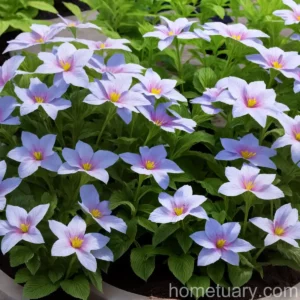
Lithodora ‘Crystal Blue’ is well-suited for container cultivation, making it an attractive choice for gardeners seeking to enhance their outdoor living spaces with vibrant floral displays. When grown in containers, this plant not only adds color and texture but also thrives in environments where traditional in-ground planting may be challenging.
- Container Considerations:
- Select a spacious container with adequate drainage holes to accommodate the plant’s root system and prevent waterlogging.
- Choose a high-quality, well-draining potting mix formulated for flowering perennials or acid-loving plants, ensuring that it provides the necessary nutrients and structure for healthy growth.
- Position the containers in locations that receive ample sunlight, such as patios, decks, or balconies, and monitor the soil moisture regularly to prevent drying out or becoming waterlogged.
Common Diseases
While Lithodora ‘Crystal Blue’ is generally resilient and resistant to many common diseases, certain environmental conditions and cultural practices can predispose the plant to specific ailments. By recognizing the signs of potential diseases and implementing proactive measures, gardeners can safeguard their plants and maintain their vitality.
- Common Diseases:
- Root Rot: Prolonged waterlogged conditions or poorly draining soil can lead to root rot in Lithodora ‘Crystal Blue.’ Symptoms include wilting, yellowing foliage, and decayed, water-soaked roots. To prevent and address root rot, ensure proper drainage and avoid overwatering the plant.
- Powdery Mildew: In humid or poorly ventilated environments, the plant may be susceptible to powdery mildew, characterized by a powdery, white coating on the leaves. Improving air circulation, avoiding overhead watering, and applying fungicidal treatments when necessary can help manage this fungal disease.
Disease Diagnosis
Diagnosing potential diseases affecting Lithodora ‘Crystal Blue’ involves careful observation of the plant’s appearance, symptoms, and growing conditions. By conducting a thorough assessment and seeking prompt intervention, gardeners can address any underlying issues and restore the plant’s health and vigor.
- Diagnostic Steps:
- Examine the plant for signs of wilting, discoloration, or unusual growth patterns that may indicate potential diseases or stress factors.
- Evaluate the growing environment, including soil moisture, sunlight exposure, and air circulation, to identify any conditions that may contribute to disease development.
- If suspected disease symptoms are present, consult with local gardening resources, extension offices, or plant health professionals for accurate diagnosis and tailored recommendations for management and treatment.
Common Pests
Lithodora ‘Crystal Blue’ possesses natural resistance to many common garden pests, thanks to its aromatic foliage and robust constitution. Despite its resilience, occasional pest infestations may occur, necessitating vigilance and appropriate measures to mitigate potential damage.
- Potential Pests:
- Aphids: These tiny, sap-sucking insects may infest the tender growth of Lithodora ‘Crystal Blue,’ causing distorted foliage and the presence of sticky honeydew. Introducing natural predators, such as ladybugs or lacewings, or using insecticidal soap can help control aphid populations.
- Spider Mites: In hot, dry conditions, spider mites may colonize the undersides of the plant’s leaves, leading to stippled, discolored foliage. Regularly spraying the foliage with water and applying horticultural oil or insecticidal soap can deter and manage spider mite infestations.
Botanist’s Tips
To ensure the successful cultivation and maintenance of Lithodora ‘Crystal Blue,’ consider the following expert tips and insights from botanists and experienced gardeners:
- Selecting Suitable Microclimates: Identify and create microclimates within your garden to cater to the specific needs of Lithodora ‘Crystal Blue,’ such as providing slightly shaded areas in regions with intense sun exposure or improving soil drainage in compacted areas.
- Pollinator Support: Embrace the plant’s pollinator-friendly nature and incorporate companion plants that attract and support beneficial insects, such as bees and butterflies, enhancing biodiversity and ecological balance in your garden.
- Mulching Techniques: Apply a layer of organic mulch, such as shredded bark or pine straw, around the base of the plant to conserve soil moisture, regulate temperature, and suppress weed growth, contributing to the overall health and longevity of the plant.
Fun Facts
As we delve deeper into the realm of Lithodora ‘Crystal Blue,’ let’s uncover some captivating and lesser-known facts about this remarkable plant:
- Native Charms: Lithodora ‘Crystal Blue’ is indigenous to the Mediterranean region, where it thrives in rocky, coastal habitats and contributes to the natural beauty and biodiversity of its native landscapes.
- Drought Tolerance: Despite its preference for regular moisture, once established, the plant exhibits admirable drought tolerance, making it an excellent choice for water-wise gardening and sustainable landscapes.
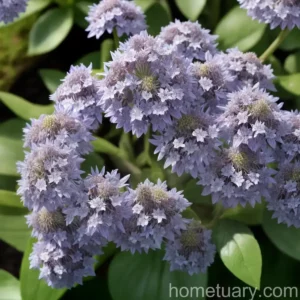
- Color Variability: While the most common cultivar of Lithodora ‘Crystal Blue’ showcases stunning cobalt blue flowers, some varieties may also exhibit shades of purple, offering a captivating range of color expressions.
Links to External Resources
To further enrich your understanding of Lithodora ‘Crystal Blue’ and its cultivation, consider exploring the following reputable resources and references:
- Royal Horticultural Society – Lithodora ‘Crystal Blue’
- University of Maryland Extension – Plant Diagnostic Resources
- American Society for the Prevention of Cruelty to Animals (ASPCA) – Toxic and Non-Toxic Plants
- Missouri Botanical Garden – Gardening Help
In conclusion, Lithodora ‘Crystal Blue’ stands as a captivating, low-maintenance plant option that offers a wealth of ornamental value and ecological benefits. By embracing its unique traits and catering to its specific cultural requirements, gardeners can harness the beauty and resilience of this stunning plant, enhancing their gardens, landscapes, and outdoor living spaces. Whether used as a vibrant groundcover, a focal point in container gardens, or a pollinator-friendly addition to diverse settings, Lithodora ‘Crystal Blue’ shines as a true gem in the horticultural world, enriching our natural surroundings and our gardening experiences.
Remember to relish the evolving beauty of Lithodora ‘Crystal Blue’ and delight in the visual spectacle it brings to your outdoor spaces, all while contributing to the well-being of our natural ecosystems. Happy gardening!