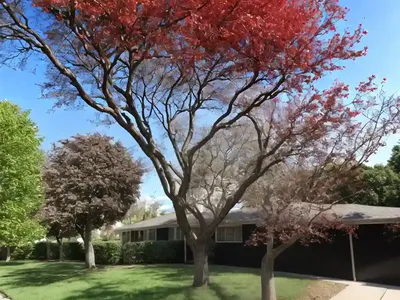
Liquidambar Styraciflua (Sweet Gum)
Plants are essential components of our environment, providing aesthetic beauty, clean air, and numerous other ecosystem services. One particularly striking.
Introduction
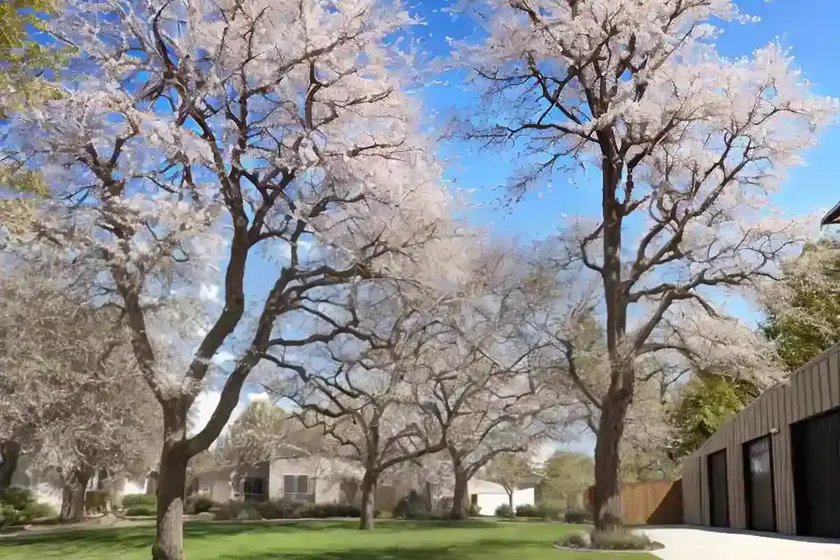
Plants are essential components of our environment, providing aesthetic beauty, clean air, and numerous other ecosystem services. One particularly striking tree species is the Liquidambar styraciflua, commonly known as the Sweet Gum tree. This tree is renowned for its vibrant autumn colors, ornamental features, and diverse landscape uses. In this comprehensive guide, we will explore the characteristics, cultivation, and care of Liquidambar styraciflua, providing valuable insights for plant enthusiasts, landscapers, and horticulturists.
What is Liquidambar styraciflua?
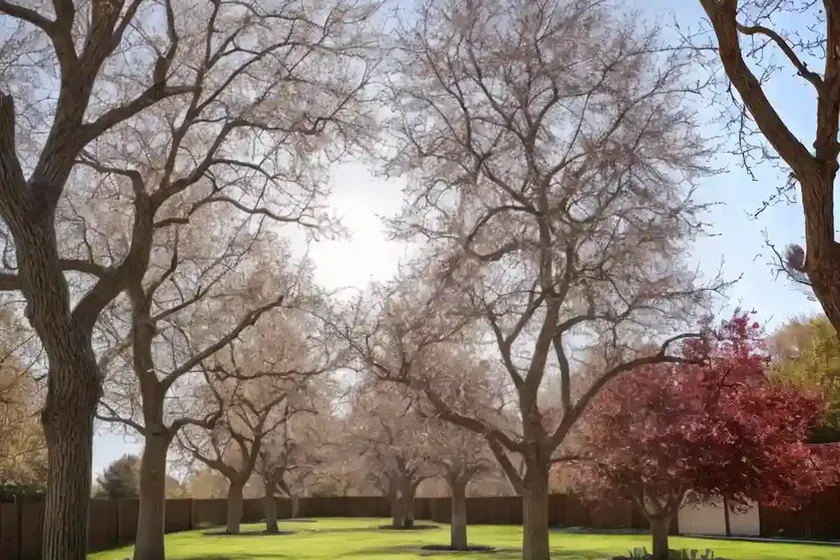
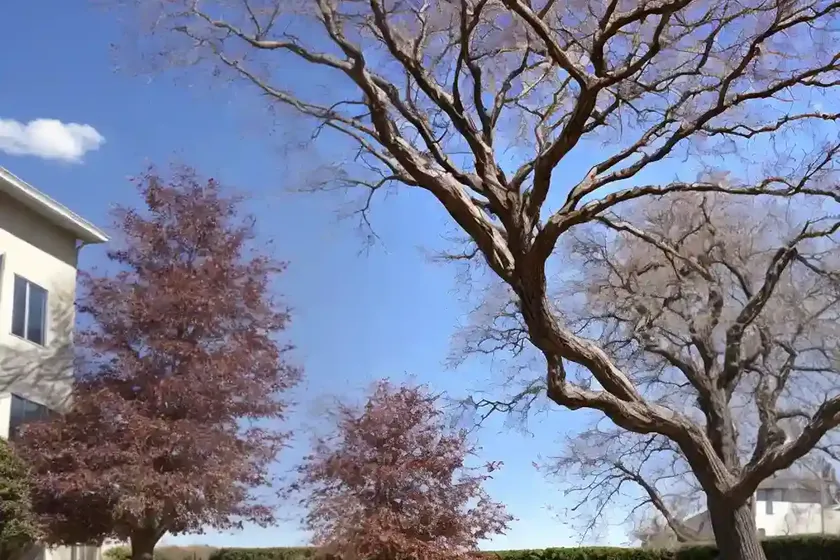
Liquidambar styraciflua, a member of the Altingiaceae family, is a deciduous tree native to North America, specifically the southeastern United States. It is commonly known as the American Sweet Gum, Red Gum, Sweet Gum, or Star-leaved Gum. This tree is notably recognized for its star-shaped leaves, spiky seed balls, and brilliant fall foliage, making it a sought-after species for landscaping and ornamental purposes.
Key Takeaways – Liquidambar styraciflua (Sweet Gum)
Before delving into the specifics of culturing and caring for Liquidambar styraciflua, let’s explore some key takeaways about this captivating tree.
Liquidambar styraciflua Facts:
- Family: Altingiaceae
- Common Names: American Sweet Gum, Red Gum, Sweet Gum, Star-leaved Gum
- Native Habitat: Southeastern United States
- Notable Feature: Vibrant autumn colors
- Ornamental Attributes: Star-shaped leaves, spiky seed balls
Liquidambar styraciflua Culture
The successful growth and development of Liquidambar styraciflua depend on various factors, including water, sunlight, soil, and fertilizer. Understanding the cultural requirements of this tree is crucial for ensuring its health and vitality.
Uses
Liquidambar styraciflua possesses multifaceted uses, making it a versatile and valuable addition to landscapes and urban environments.
Landscape Uses:
- Ornamental tree for residential and public spaces
- Shade tree for parks, gardens, and streetscapes
- Privacy screen and windbreak properties
Water
Proper water management is essential for the well-being of Liquidambar styraciflua, particularly during its establishment phase and dry periods.
- Watering Requirements:
- Adequate irrigation during the establishment phase
- Moderate water needs once established
- Optimal Soil Moisture:
- Well-drained soil to prevent waterlogging and root rot
- Regular monitoring of soil moisture levels
Sunlight
Sunlight availability greatly influences the growth and performance of Liquidambar styraciflua. Understanding its sunlight requirements is crucial for selecting suitable planting locations.
- Sunlight Preferences:
- Full to partial sunlight for optimal growth
- Tolerant of various light conditions but best with ample sunlight
Fertilizer
Proper nutrition is vital for promoting the vigor and resilience of Liquidambar styraciflua. Appropriate fertilization practices provide essential nutrients for robust growth and vibrant foliage.
- Fertilization Guidelines:
- Balanced fertilizer application in early spring
- Utilization of slow-release or organic fertilizers
- Avoidance of excessive nitrogen to prevent excessive foliage growth
Soil
The soil characteristics play a critical role in supporting the growth and development of Liquidambar styraciflua.
- Soil Requirements:
- Well-drained loamy soil with good aeration
- pH range of 5.8 to 6.5 for optimal nutrient absorption
- Mulching to retain soil moisture and suppress weeds
Pruning
Pruning is an integral aspect of maintaining the health, shape, and aesthetic appeal of Liquidambar styraciflua. Proper pruning practices contribute to the tree’s structural integrity and overall vitality.
- Pruning Considerations:
- Removal of dead or diseased branches for tree health
- Thinning out of crowded branches to improve air circulation
- Pruning in late winter or early spring before new growth emerges
Propagation
The propagation of Liquidambar styraciflua offers the opportunity to propagate new trees and diversify landscapes with this captivating species.
- Propagation Methods:
- Seed propagation for genetic diversity
- Stem cuttings for vegetative propagation
- Grafting for preserving specific cultivars
Container Popularity
The adaptability of Liquidambar styraciflua to container cultivation enhances its popularity for urban and small-scale settings.
- Container Considerations:
- Selecting large, sturdy containers for root development
- Adequate drainage to prevent waterlogging
- Regular monitoring of soil moisture and nutrient levels
Common Diseases
Despite its resilience, Liquidambar styraciflua is susceptible to certain diseases that can impact its health and aesthetics.
Disease Diagnosis
The identification and understanding of common diseases affecting Liquidambar styraciflua are essential for implementing effective management strategies.
- Common Diseases:
- Anthracnose causing leaf spots and defoliation
- Powdery mildew leading to white powdery growth on leaves
- Canker diseases affecting branches and trunk
Common Pests
Pest infestations can compromise the growth and aesthetics of Liquidambar styraciflua, necessitating vigilant monitoring and preventive measures.
- Notable Pests:
- Sweet Gum scale causing leaf yellowing and honeydew secretion
- Bagworms feeding on foliage and creating silken bags
- Fall webworms forming silken webs on branch tips
Botanist’s Tips
For enthusiasts and professionals cultivating Liquidambar styraciflua, adherence to expert tips can enhance the tree’s vitality and ornamental value.
- Best Practices:
- Regular monitoring for early pest and disease detection
- Proper mulching to conserve soil moisture and regulate temperature
- Consistent pruning to maintain a well-structured canopy
Fun Facts
Dive into some intriguing and lesser-known facts about Liquidambar styraciflua, enriching your appreciation for this remarkable tree species.
- Did You Know?:
- The aromatic resin of Liquidambar styraciflua has historical uses in traditional medicine and perfumery.
- The timber of Sweet Gum is utilized for furniture, plywood, and paper production.
- Liquidambar styraciflua is a valuable wildlife resource, attracting birds and various pollinators.
Links to External Resources
Expanding your knowledge and understanding of Liquidambar styraciflua can be augmented by exploring reputable external resources. Here are some valuable links for further exploration:
- The Morton Arboretum – Liquidambar styraciflua
- Missouri Botanical Garden – Liquidambar styraciflua
- North Carolina State Extension – Sweetgum
- University of Florida IFAS Extension – Sweetgum
In conclusion, Liquidambar styraciflua, the Sweet Gum tree, is a captivating and versatile species suited for diverse landscape applications. By understanding its cultural needs, potential diseases and pests, and propagation methods, individuals can effectively cultivate and care for this remarkable tree, enhancing the beauty and ecological value of their surroundings. Embrace the enchanting allure of Liquidambar styraciflua and witness its transformative impact on landscapes and urban environments.
Image Source: Liquidambar styraciflua