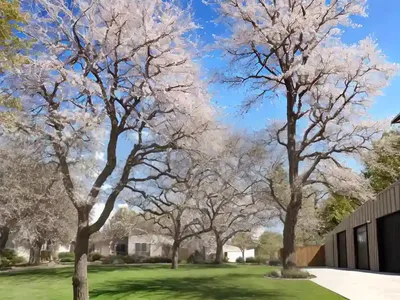
American Sweetgum (Liquidambar Styraciflua)
Introduction Plants are an essential component of our ecosystem, providing us with oxygen, food, and numerous other resources. Among these diverse plant.

Introduction
Plants are an essential component of our ecosystem, providing us with oxygen, food, and numerous other resources. Among these diverse plant species, the American Sweetgum (Liquidambar Styraciflua) stands out for its unique characteristics and wide-ranging benefits. In this comprehensive guide, we will delve into the various aspects of the American Sweetgum, ranging from its cultural significance to its ecological role, and provide valuable insights for its cultivation, care, and utilization.
What is the American Sweetgum (Liquidambar Styraciflua)?
The American Sweetgum, scientifically known as Liquidambar Styraciflua, is a deciduous tree belonging to the Altingiaceae family. It is native to the southeastern United States and is renowned for its vibrant, star-shaped leaves, which exhibit stunning colors during the fall season. This ornamental tree is esteemed for its diverse applications, including landscaping, timber production, and medicinal uses.
Key Takeaways – American Sweetgum (Liquidambar Styraciflua)
Before delving into the intricacies of the American Sweetgum, let’s glean some key takeaways outlining the fundamental aspects of this remarkable plant.
Characteristics of Liquidambar Styraciflua
– Scientific Name: Liquidambar Styraciflua
– Family: Altingiaceae
– Habitat: Native to southeastern United States
– Foliage: Distinct star-shaped leaves
– Fall Color: Exhibits vibrant and varied hues during autumn
Now that we have a fundamental understanding of the American Sweetgum, let’s explore its various facets, including cultural significance, uses, care requirements, and common diseases and pests that may affect it.
Culture
The cultivation of American Sweetgum involves several cultural practices to ensure its optimal growth and development. Understanding the cultural requirements of this tree is paramount for its thriving existence.
Water
- Watering Needs: American Sweetgum requires moderate water supply, and it is essential to maintain consistently moist soil, especially during the initial stages of growth.
- Drought Tolerance: Once established, the tree demonstrates good drought resistance, although supplemental watering during prolonged dry spells is beneficial.
Sunlight
- Sun Exposure: Thriving in full sun to partial shade, the American Sweetgum displays its best growth and fall coloration when provided with ample sunlight.
Fertilizer
- Nutrient Requirements: Application of a balanced, slow-release fertilizer in early spring helps promote healthy growth.
- Soil Enrichment: Incorporating organic matter into the soil augments its fertility, contributing to the overall vigor of the tree.
Soil
- Soil Type: The American Sweetgum flourishes in well-drained, moderately fertile soils. It can adapt to various soil types, including loam, clay, and acidic soils.
- pH Level: The optimum soil pH ranges from 5.5 to 6.5, although the plant can tolerate slightly alkaline conditions.
Pruning
- Pruning Frequency: Regular pruning is not typically necessary, barring the removal of dead or diseased branches.
- Pruning Time: Pruning is best carried out during late winter or early spring before new growth emerges.
Propagation
- Seeds: Propagation via seeds is a common method, requiring stratification for successful germination.
- Cuttings: Softwood or hardwood cuttings can also be utilized for propagation purposes.
American Sweetgum (Liquidambar Styraciflua) Varieties
Liquidambar Styraciflua boasts several notable varieties, each characterized by distinct features, including leaf coloration, growth habit, and size. Some popular varieties include:
| Variety Name | Characteristics |
|---|---|
| ‘Burgundy’ | Renowned for its rich, burgundy-colored foliage during the fall season |
| ‘Slender Silhouette’ | Exhibits a narrow, columnar growth habit, ideal for compact spaces |
| ‘Rotundiloba’ | Notable for its unique, rounded foliage, distinct from the typical star-shaped leaves |
Uses
The American Sweetgum is esteemed for its diverse applications, spanning from landscaping and timber production to its utilization in traditional medicine. Understanding its manifold uses provides valuable insights into its significance and potential benefits.
Landscaping
- Aesthetic Appeal: The striking foliage and vibrant fall colors make the American Sweetgum a popular choice in landscaping schemes, providing ornamental value and visual interest.
- Shade and Shelter: The dense canopy of the tree offers ample shade, rendering it desirable for creating sheltered outdoor spaces.
Timber Production
- Wood Properties: The timber of the American Sweetgum is valuable for its strength and versatility. It finds application in furniture construction, veneer production, and various woodworking endeavors.
Medicinal Uses
- Resin: Historically, the resin obtained from the American Sweetgum has been utilized in traditional medicine for its purported therapeutic properties, including anti-inflammatory and analgesic effects.
Water Needs
The water needs of the American Sweetgum are crucial for sustaining its growth and vitality, especially during its formative stages. Proper watering practices contribute to the development of a robust root system and overall vigor of the tree.
Watering Guidelines
- Initial Establishment: Adequate watering is essential during the initial establishment phase, ensuring that the young tree receives ample moisture to facilitate root development.
- Dry Periods: During periods of prolonged drought or dry weather, supplemental watering becomes imperative to prevent stress and dehydration.
Sunlight
Understanding the sunlight requirements of the American Sweetgum is pivotal for optimizing its growth and promoting the development of its characteristic foliage and fall coloration.
Sun Exposure
- Full Sun: Thriving in full sun, the tree exhibits vigorous growth and vibrant fall colors when provided with ample sunlight.
- Partial Shade: While the tree flourishes in full sun, it can also tolerate partial shade, making it adaptable to diverse lighting conditions.
Fertilizer
Appropriate fertilization practices play a pivotal role in enhancing the growth and overall health of the American Sweetgum. The application of suitable fertilizers contributes to the tree’s nutrient uptake and vigor.
Fertilizer Application
- Early Spring: Application of a balanced, slow-release fertilizer in early spring provides the tree with essential nutrients for robust growth and foliage development.
- Organic Amendments: Incorporating organic matter into the soil augments its fertility, contributing to the overall vigor and health of the tree.
Soil
The soil requirements of the American Sweetgum encompass considerations related to soil type, drainage, and pH levels, all of which significantly impact the tree’s growth and sustainability.
Soil Type
- Well-Drained Soil: Thriving in well-drained soils, the American Sweetgum exhibits optimal growth when planted in soils with good drainage characteristics.
- Soil Adaptability: Capable of adapting to a variety of soil types, including loam, clay, and acidic soils, the tree demonstrates versatility in its soil preferences.
pH Level
- Optimum pH: The American Sweetgum thrives in slightly acidic to neutral soil conditions, with an optimum pH range of 5.5 to 6.5, favoring the uptake of essential nutrients.
Soil Enrichment
- Organic Matter: Incorporating organic matter, such as compost or well-rotted manure, into the soil enhances its fertility, promoting the overall health and vigor of the tree.
Pruning
Pruning the American Sweetgum is a practice carried out to maintain its overall shape, remove dead or diseased branches, and promote air circulation within the canopy.
Pruning Guidelines
- Deadwood Removal: Regular inspection and removal of dead or damaged branches contribute to the tree’s health and aesthetics.
- Shaping: Occasional pruning may be necessary to shape the tree and maintain its desired form, ensuring a balanced and visually appealing canopy.
Propagation
The propagation of the American Sweetgum involves the use of seeds and cuttings, providing avenues for the generation of new trees and the perpetuation of desirable traits.
Seed Propagation
- Stratification: Seeds require cold stratification to break dormancy and facilitate successful germination.
- Sowing Depth: Planting seeds at a shallow depth in well-drained soil promotes optimal germination conditions.
Cuttings
- Softwood and Hardwood Cuttings: Both softwood and hardwood cuttings can be utilized for propagation, with the former being suitable for propagation during the growing season and the latter during the dormant season.
Varieties
The American Sweetgum encompasses several notable varieties, each characterized by distinct features and attributes, contributing to the diversity and appeal of this tree species.
Burgundy Variety
- Renowned for its rich, burgundy-colored foliage during the fall season, adding vivid shades to the landscape.
Slender Silhouette Variety
- Exhibits a narrow, columnar growth habit, making it ideal for compact spaces and urban environments, where space is limited.
Rotundiloba Variety
- Notable for its unique, rounded foliage, distinct from the typical star-shaped leaves of the species, presenting a distinctive ornamental appeal.
Common Diseases
The American Sweetgum is susceptible to certain diseases and disorders that may impact its overall health and vigor. Recognizing and addressing these ailments is crucial for maintaining the tree’s well-being.
Anthracnose
- Symptoms: Characterized by brown lesions on the leaves, which may lead to defoliation and reduced vigor.
- Management: Fungicidal sprays and maintaining good air circulation can aid in managing anthracnose.
Powdery Mildew
- Symptoms: Manifests as powdery white patches on the leaves, causing distortion and reduced photosynthetic capacity.
- Control: Application of fungicidal sprays and maintaining proper air circulation mitigate the impact of powdery mildew.
Canker Diseases
- Symptoms: Displayed as sunken lesions on the bark and wood, leading to dieback and decline.
- Preventive Measures: Ensuring proper pruning, sanitation, and maintaining overall tree vigor can help prevent canker diseases.
Disease Diagnosis
Diagnosing diseases impacting the American Sweetgum entails close observation of symptoms, identification of causal agents, and implementation of suitable management strategies.
Symptom Identification
- Visual Assessment: Careful examination of leaf, bark, and wood symptoms aids in identifying the particular disease affecting the tree.
- Pathogen Analysis: Identifying the specific pathogens responsible for the observed symptoms contributes to targeted disease management.
Management Strategies
- Cultural Practices: Implementing proper watering, fertilization, and pruning practices contributes to the overall health and resilience of the tree, reducing its susceptibility to diseases.
- Chemical Control: Application of fungicidal sprays may be necessary to manage specific fungal diseases impacting the tree.
Common Pests
In addition to diseases, the American Sweetgum is susceptible to infestations by various pests that may compromise its health and aesthetics, necessitating prompt identification and management.
Sweetgum Lace Bug
- Damage: Feeding on the undersides of leaves, they cause stippling and discoloration, leading to reduced photosynthetic capacity.
- Control: Application of horticultural oils or insecticidal soaps can aid in managing sweetgum lace bug infestations.
Scales
- Symptoms: Manifests as small, immobile insects attached to the bark, causing reduced vigor and dieback.
- Management: Introducing predatory insects and maintaining proper tree vigor can help control scale infestations.
Fall Webworm
- Damage: Forms silken webs on branch tips, encasing foliage, which may lead to defoliation and aesthetic impairment.
- Control: Pruning and removing affected branches, along with the application of targeted insecticides, contribute to fall webworm management.
Botanist’s Tips
Seasoned botanists and horticulturists offer valuable insights and tips for the successful cultivation and care of the American Sweetgum, drawing from their expertise and experience.
Tip 1: Soil Preparation
- Amending Soil: Prior to planting, enrich the soil with organic matter to enhance fertility and drainage.
Tip 2: Pruning Practices
- Selective Pruning: When pruning the American Sweetgum, focus on the removal of dead or diseased branches while avoiding excessive pruning that may compromise the tree’s health.
Tip 3: Disease Prevention
- Sanitation: Regularly remove fallen leaves and debris from around the tree to minimize the risk of disease development and pest infestations.
Tip 4: Fall Color Enhancement
- Optimal Sunlight: Providing the tree with ample sunlight enhances the vibrancy of its fall foliage, creating a striking visual display.
Fun Facts
The American Sweetgum encompasses several intriguing and captivating facts that shed light on its ecological significance, cultural relevance, and unique attributes.
- The resin obtained from the American Sweetgum has been historically utilized in traditional medicine for its purported medicinal properties, including anti-inflammatory and analgesic effects.
- The timber of the American Sweetgum is esteemed for its strength and versatile applications, ranging from furniture construction to veneer production.
- American Sweetgum leaves exhibit a stunning array of colors during the fall season, including vibrant shades of red, orange, and gold, creating a visually striking display.
Links to External Resources
To further expand your knowledge and understanding of the American Sweetgum, here are some valuable external resources offering comprehensive information and insights.
- American Sweetgum (Liquidambar Styraciflua) – The Arbor Day Foundation
- Liquidambar Styraciflua – Missouri Botanical Garden
- Liquidambar Styraciflua – North Carolina State University Extension
- American Sweetgum: Liquidambar Styraciflua – Virginia Tech Dendrology
As we conclude this comprehensive guide to the American Sweetgum (Liquidambar Styraciflua), we have explored its cultural significance, uses, care requirements, common diseases and pests, as well as valuable insights from botanists and captivating fun facts. By delving into the intricacies of this remarkable tree, we gain a deeper appreciation for its ecological role, ornamental value, and manifold contributions to our natural environment and human societies. Whether adorning landscapes with its vibrant foliage or providing valuable timber resources, the American Sweetgum stands as a testament to the remarkable diversity and significance of plant life.
Remember, the pursuit of knowledge and understanding is a continuous journey, and the botanical realm offers endless avenues for exploration and discovery. Embrace the wonder of the natural world, and let the American Sweetgum serve as a reminder of the beauty and intricacy inherent in every living organism.
References
- United States Department of Agriculture (USDA). (n.d.). Liquidambar styraciflua L. Retrieved from https://plants.sc.egov.usda.gov/home/plantProfile?symbol=LISY
- Missouri Botanical Garden. (n.d.). Liquidambar styraciflua. Retrieved from https://www.missouribotanicalgarden.org/PlantFinder/PlantFinderDetails.aspx?kempercode=a445
- Ohio State University Extension. (2016). American Sweetgum. Retrieved from https://ohioline.osu.edu/factsheet/for-39
- North Carolina State University Extension. (n.d.). Liquidambar styraciflua. Retrieved from https://plants.ces.ncsu.edu/plants/liquidambar-styraciflua/
- The Morton Arboretum. (n.d.). Liquidambar styraciflua. Retrieved from https://www.mortonarb.org/trees-plants/tree-plant-descriptions/sweetgum