Liquidambar Styraciflua ‘Lane Roberts’ (Sweet Gum)
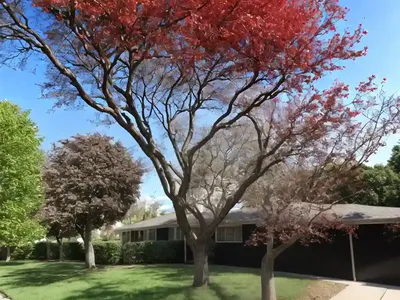
Liquidambar styraciflua ‘Lane Roberts’, commonly known as Sweet Gum, is a captivating deciduous tree renowned for its distinctive star-shaped leaves and.
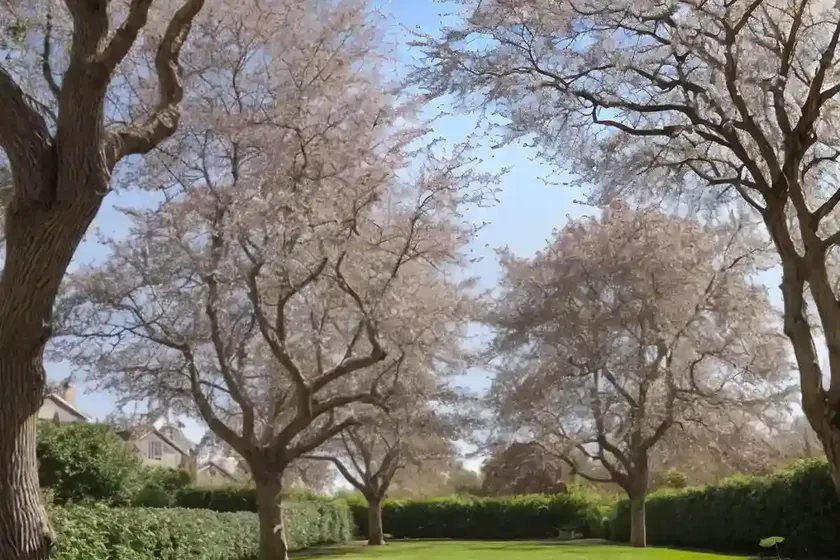
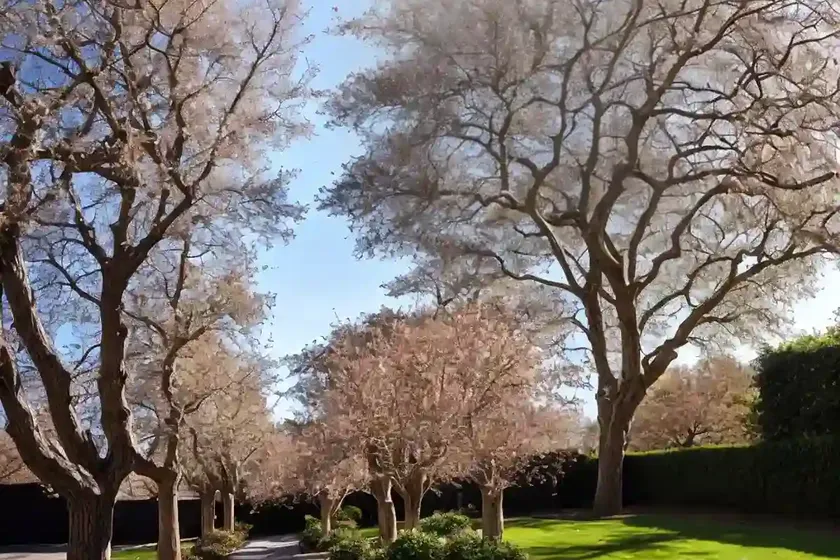
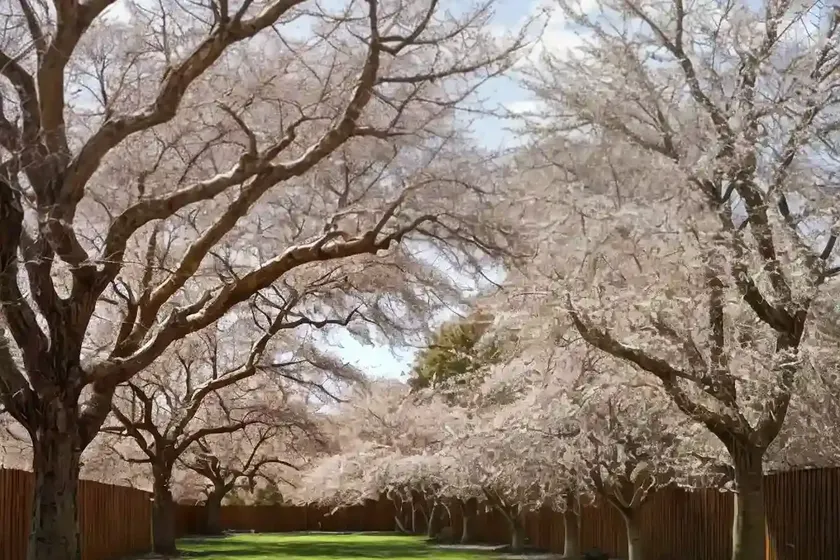
Liquidambar styraciflua ‘Lane Roberts’, commonly known as Sweet Gum, is a captivating deciduous tree renowned for its distinctive star-shaped leaves and vibrant fall foliage. This blog post is dedicated to exploring the various aspects of this remarkable plant, from its cultural requirements to its uses, and from common diseases to botanist’s tips.
What is Liquidambar styraciflua ‘Lane Roberts’ (Sweet Gum)?
Liquidambar styraciflua ‘Lane Roberts’ is a cultivar of the sweet gum tree (Liquidambar styraciflua) and is known for its exceptional ornamental value. Its striking foliage, elegant form, and adaptability make it a popular choice for landscaping and urban planting.
Key Takeaways – Liquidambar styraciflua ‘Lane Roberts’ (Sweet Gum)
To understand this plant better, let’s delve into its cultural aspects, uses, water requirements, sunlight preferences, fertilizer needs, soil preferences, pruning techniques, propagation methods, container gardening tips, popularity, common diseases, pest management, and some fascinating botanical insights.
Culture
Cultivating Liquidambar styraciflua ‘Lane Roberts’ involves providing the right conditions for its growth and ensuring its overall well-being. Let’s explore the cultural requirements in detail:
-
Water: Adequate watering is crucial for the establishment and growth of Liquidambar styraciflua ‘Lane Roberts’, particularly during the initial stages after planting. However, once established, it exhibits good drought tolerance. It is important to ensure that the soil is well-drained to prevent waterlogging, which can be detrimental to the roots.
-
Sunlight: This cultivar thrives in full sun to partial shade. When planted in a location that receives abundant sunlight, it is likely to exhibit optimal growth and showcase its vibrant foliage to its fullest potential.
-
Fertilizer: The application of a balanced slow-release fertilizer in spring can provide the necessary nutrients to promote healthy growth and vigorous foliage development. However, it is important to follow the recommended dosage to prevent over-fertilization, which can be harmful to the tree.
-
Soil: Liquidambar styraciflua ‘Lane Roberts’ prefers well-drained, loamy soil that is rich in organic matter. It is essential to ensure that the soil pH is within the appropriate range for optimal growth.
-
Pruning: Pruning can be carried out during the dormant season to remove any dead or damaged branches and to shape the tree as desired. It is important to use sharp, clean tools and to follow proper pruning techniques to avoid causing damage to the tree.
Uses
The versatility of Liquidambar styraciflua ‘Lane Roberts’ makes it suitable for various uses, ranging from ornamental landscaping to urban planting. Its uses include:
-
Landscape Ornamentation: The vibrant fall foliage and elegant form of ‘Lane Roberts’ make it an excellent choice for adding visual appeal to landscapes and gardens. It can be used as a specimen tree or as part of a mixed planting scheme to create a stunning focal point.
-
Urban Planting: This cultivar is well-suited for planting in urban environments, contributing to the greening of urban spaces and providing aesthetic and environmental benefits.
-
Wildlife Habitat: The sweet gum tree, including the ‘Lane Roberts’ cultivar, provides food and habitat for various wildlife species, making it a valuable addition to natural or wildlife-friendly gardens.
Water
Understanding the water requirements of Liquidambar styraciflua ‘Lane Roberts’ is essential for maintaining its health and promoting optimal growth. Here are some key considerations regarding its watering needs:
-
Establishment Phase: During the initial establishment phase after planting, it is important to provide regular watering to ensure that the roots become well-established. Adequate moisture is essential for supporting the tree during this critical stage.
-
Drought Tolerance: Once established, ‘Lane Roberts’ exhibits good tolerance to drought conditions. While it is resilient to periods of reduced rainfall, providing supplemental watering during prolonged dry spells can help maintain its vigor and overall health.
-
Watering Frequency: The frequency of watering may vary depending on factors such as soil type, weather conditions, and the tree’s stage of growth. It is important to monitor the soil moisture levels and adjust the watering schedule accordingly.
Sunlight
Sunlight plays a crucial role in the growth and development of Liquidambar styraciflua ‘Lane Roberts’. Understanding its sunlight preferences is essential for ensuring that it receives the appropriate light exposure for optimal growth and foliage coloration.
-
Full Sun to Partial Shade: ‘Lane Roberts’ thrives in full sun to partial shade, making it adaptable to a range of light conditions. When planted in a location that receives ample sunlight, it is likely to exhibit the most vibrant foliage colors during the fall season.
-
Shade Tolerance: While it prefers full sun, ‘Lane Roberts’ can tolerate partial shade, making it suitable for planting in areas that receive filtered sunlight for part of the day.
-
Sun Exposure for Foliage Coloration: Providing adequate sunlight is essential for enhancing the intensity of the tree’s fall foliage colors. When exposed to abundant sunlight, the leaves are likely to exhibit rich hues of red, orange, and yellow, creating a captivating display in the autumn landscape.
Fertilizer
Applying the right type of fertilizer and following appropriate fertilization practices can contribute to the health and vigor of Liquidambar styraciflua ‘Lane Roberts’. Here are some important considerations regarding its fertilizer needs:
-
Balanced Fertilizer: Applying a balanced slow-release fertilizer in spring can provide the essential nutrients required for promoting healthy growth and foliage development. A fertilizer with a balanced N-P-K ratio can support the tree’s overall vitality.
-
Dosage and Application: It is important to follow the recommended dosage and application guidelines provided by the fertilizer manufacturer. Over-fertilization should be avoided, as it can lead to excessive vegetative growth and may have detrimental effects on the tree’s long-term health.
-
Fertilization Timing: The best time to apply fertilizer is in early spring, before the onset of the active growing season. This allows the tree to benefit from the nutrients as it enters the period of vigorous growth.
Soil
The soil composition and pH level play a significant role in the growth and health of Liquidambar styraciflua ‘Lane Roberts’. Understanding its soil preferences is essential for creating a suitable growing environment. Here are the key considerations regarding its soil requirements:
-
Well-Drained Soil: ‘Lane Roberts’ thrives in well-drained soil that prevents waterlogging, which can be detrimental to the tree’s root system. Soil with good drainage helps to maintain adequate moisture levels without causing waterlogged conditions.
-
Loamy Soil with Organic Matter: It prefers loamy soil that is rich in organic matter, providing the necessary nutrients and a favorable soil structure for root development. Amending the soil with organic compost can improve its fertility and tilth.
-
Soil pH: Liquidambar styraciflua ‘Lane Roberts’ thrives in slightly acidic to neutral soil, with a pH range typically between 6.0 and 7.5. Conducting a soil pH test can help determine if any adjustments are needed to create an optimal growing environment.
Pruning
Pruning is an essential horticultural practice for maintaining the health, structure, and aesthetic appeal of Liquidambar styraciflua ‘Lane Roberts’. Understanding the principles of pruning and the appropriate techniques is important for carrying out this task effectively. Here are some key considerations regarding pruning:
-
Dormant Season Pruning: Pruning is typically performed during the dormant season, which is late winter to early spring, before the onset of new growth. This timing minimizes stress on the tree and allows for proper healing of pruning wounds.
-
Purpose of Pruning: Pruning objectives for ‘Lane Roberts’ may include removing dead, diseased, or damaged branches, shaping the tree, and promoting overall structural integrity. Regular maintenance pruning can help prevent overcrowding and improve air circulation within the canopy.
-
Pruning Techniques: When pruning, it is important to use sharp, clean pruning tools to make precise cuts. Proper pruning techniques, such as pruning at the branch collar and avoiding leaving stubs, can help minimize the risk of pests and diseases while promoting efficient wound closure.
Propagation
The propagation of Liquidambar styraciflua ‘Lane Roberts’ can be carried out using various methods, including seed propagation and vegetative propagation techniques. Understanding the propagation methods can provide insights into expanding the population of this cultivar. Here are the key considerations regarding its propagation:
-
Seed Propagation: Propagating ‘Lane Roberts’ from seeds involves collecting mature seeds from the tree and sowing them in a suitable growing medium. The seeds require a period of stratification to break dormancy before germination can occur.
-
Vegetative Propagation: This cultivar can also be propagated through vegetative means, such as stem cuttings or grafting. Vegetative propagation methods allow for the preservation of specific genetic traits and the replication of desirable characteristics.
-
Propagation Timing: The appropriate timing for propagation may vary depending on the method used. Seed propagation is often carried out in the fall, while vegetative propagation can be conducted during the active growing season under controlled conditions.
Container Popularity
Liquidambar styraciflua ‘Lane Roberts’ is also well-suited for container gardening, offering a versatile option for adding ornamental beauty to outdoor spaces, patios, and urban environments. Its popularity in container gardening is attributed to several factors:
-
Ornamental Value: The vibrant foliage and elegant form of ‘Lane Roberts’ make it an attractive choice for container gardening, creating visual interest and seasonal color displays in outdoor settings.
-
Space Limitations: For individuals with limited outdoor space, container gardening provides the opportunity to cultivate this cultivar in smaller garden areas, balconies, or courtyards, allowing for the enjoyment of its ornamental qualities in a confined setting.
-
Urban Planting: Container-grown ‘Lane Roberts’ can contribute to urban greening initiatives, serving as a valuable addition to rooftop gardens, terraces, and other urban outdoor spaces.
Container Common Diseases
While container gardening offers numerous advantages, it is important to be aware of potential diseases that can affect Liquidambar styraciflua ‘Lane Roberts’ when grown in containers. Common diseases that may impact container-grown ‘Lane Roberts’ include:
-
Root Rot: Overly wet conditions in containers can lead to root rot, which is caused by fungal pathogens that thrive in excessively moist soil. Proper drainage and appropriate watering practices are essential for preventing this disease.
-
Powdery Mildew: This fungal disease can affect the foliage of ‘Lane Roberts’ when humidity levels are high and air circulation is inadequate. Powdery mildew typically presents as white powdery patches on the leaves.
-
Leaf Spot Diseases: Various fungal and bacterial pathogens can cause leaf spot diseases, resulting in the development of discolored spots or lesions on the foliage. Proper sanitation and careful monitoring can help manage the occurrence of leaf spot diseases.
Disease Diagnosis
Accurately diagnosing and identifying diseases that affect Liquidambar styraciflua ‘Lane Roberts’ is crucial for implementing effective management strategies. Common symptoms and diagnostic considerations for diseases include:
-
Foliage Abnormalities: Changes in foliage color, texture, or symmetry can indicate the presence of a disease. Discoloration, wilting, or distortion of leaves may be indicative of fungal, bacterial, or viral infections.
-
Examination of Lesions: If lesions are present on the foliage, stems, or branches, closely examining their characteristics, such as size, shape, and color, can aid in narrowing down the potential causes of the disease.
-
Environmental Factors: Considering environmental conditions, such as moisture levels, air circulation, and temperature, can provide insights into whether diseases are likely to thrive under specific growing conditions.
-
Professional Consultation: When in doubt, seeking the expertise of a plant pathologist or horticultural specialist can facilitate accurate disease diagnosis and the development of targeted management strategies.
Common Pests
Liquidambar styraciflua ‘Lane Roberts’ may be susceptible to certain pests that can impact its health and aesthetic appeal. Understanding the common pests and their management is essential for safeguarding the tree. Common pests that may affect ‘Lane Roberts’ include:
-
Aphids: These small, sap-feeding insects can congregate on the foliage and tender shoots, causing deformation and the presence of sticky honeydew. Natural predators and insecticidal soaps can help manage aphid populations.
-
Scale Insects: Scale insects can infest the branches and stems of ‘Lane Roberts’, appearing as small, immobile bumps. Horticultural oils and insecticidal sprays can be used to control scale infestations.
-
Caterpillars: Certain caterpillar species may feed on the foliage of ‘Lane Roberts’, leading to defoliation. Bacillus thuringiensis (Bt) and cultural practices, such as handpicking, can be used for caterpillar control.
-
Spider Mites: These tiny arachnids can cause stippling and webbing on the foliage, affecting the overall health of the tree. Miticides and regular plant hygiene can help manage spider mite infestations.
Botanist’s Tips
Drawing insights from botanists and horticultural experts can provide valuable tips for cultivating Liquidambar styraciflua ‘Lane Roberts’ and optimizing its growth and ornamental value. Here are some botanist’s tips for ‘Lane Roberts’ care:
-
Mulching: Applying a layer of organic mulch around the base of the tree can help conserve soil moisture, regulate soil temperature, and suppress weed growth. Mulching also contributes organic matter to the soil as it decomposes.
-
Regular Monitoring: Regularly monitoring the tree for signs of pests, diseases, and nutrient deficiencies allows for early detection and proactive management. Close observation of seasonal changes and growth patterns can aid in assessing the tree’s health.
-
Consistent Maintenance: Implementing a consistent maintenance regimen, including watering, fertilization, and pruning, promotes the long-term health and vitality of ‘Lane Roberts’. Developing a maintenance schedule can help ensure that the tree’s needs are met.
-
Soil Amendments: Conducting soil tests and amending the soil as needed can improve its structure and fertility, creating an optimal environment for root growth and overall tree health.
Fun Facts
Exploring some fun and fascinating facts about Liquidambar styraciflua ‘Lane Roberts’ adds to the intrigue and appreciation of this remarkable cultivar. Here are some fun facts about ‘Lane Roberts’:
-
Star-Shaped Leaves: The distinctive foliage of ‘Lane Roberts’ features palmate leaves with deeply lobed, star-like shapes, enhancing its ornamental appeal.
-
Autumn Brilliance: During the fall season, ‘Lane Roberts’ transforms into a spectacle of brilliant color, showcasing shades of red, orange, and yellow in a captivating display of foliage.
-
Aromatic Resin: The sweet gum tree, including the ‘Lane Roberts’ cultivar, produces a fragrant resin known as storax, which has been used in traditional medicine and perfumery.
-
Wildlife Support: ‘Lane Roberts’ provides food and habitat for various wildlife species, including birds and small mammals, contributing to the ecological diversity of its surroundings.
-
Historical Significance: The sweet gum tree has played a role in traditional medicine, cultural practices, and ecological contexts throughout history, adding to its cultural significance.
Links to External Resources
For further exploration of Liquidambar styraciflua ‘Lane Roberts’ and related topics, the following external resources provide valuable information and insights:
- Mississippi State University Extension – Liquidambar Styraciflua ‘Lane Roberts’ Sweetgum
- The Morton Arboretum – Liquidambar Styraciflua ‘Lane Roberts’
- University of Florida IFAS Extension – Sweetgum Trees for the Urban Landscape
In conclusion, Liquidambar styraciflua ‘Lane Roberts’ stands as a captivating and versatile cultivar, offering ornamental beauty, ecological benefits, and adaptability to diverse growing conditions. By understanding its cultural requirements, uses, maintenance practices, and unique characteristics, enthusiasts and horticulturalists alike can appreciate the remarkable qualities of this cultivar and effectively incorporate it into landscapes, gardens, and urban environments.