Linum Narbonense (Blue Flax)
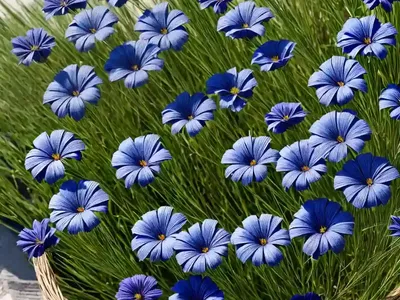
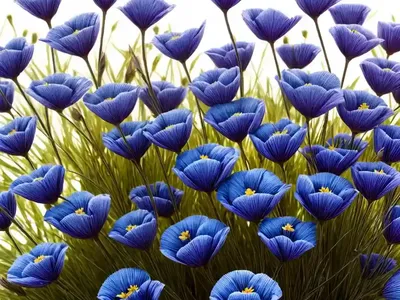
Linum narbonense, commonly known as Blue Flax, is a charming and versatile plant that has gained popularity among gardeners for its delicate blue flowers.
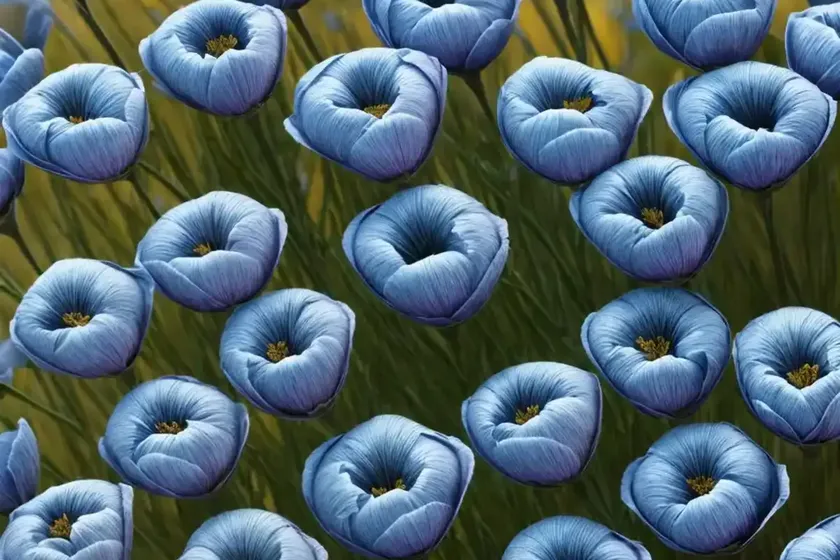
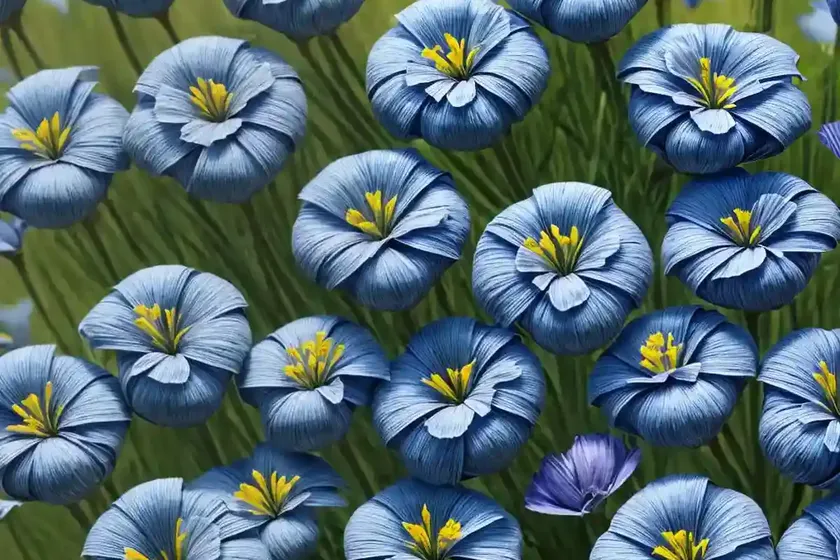
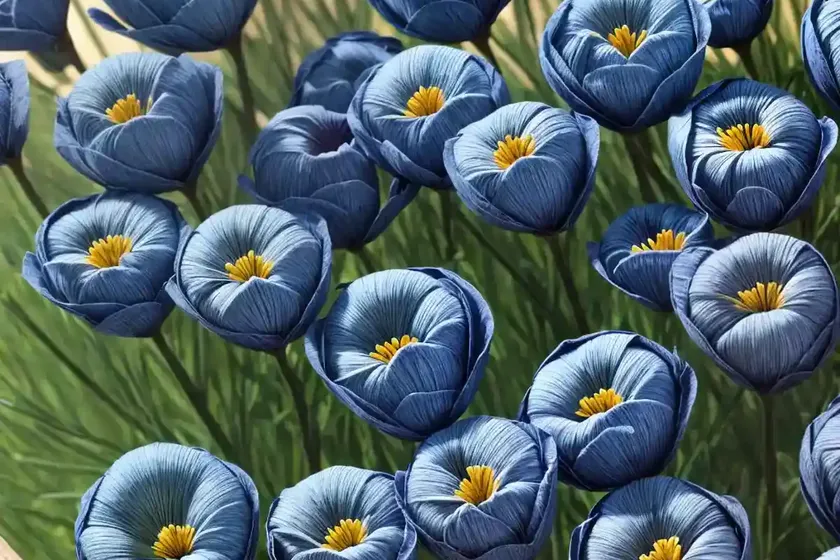
Linum narbonense, commonly known as Blue Flax, is a charming and versatile plant that has gained popularity among gardeners for its delicate blue flowers and low maintenance requirements. As a plant scientist, I have had the opportunity to study and work with this fascinating species, and in this comprehensive guide, I will share insights into its characteristics, planting and care tips, landscaping ideas, as well as its ecological and medicinal significance. Whether you are a novice gardener or a seasoned horticulturist, this guide will provide valuable information to enhance your understanding and appreciation of Linum narbonense.
What is Linum narbonense (Blue Flax)?
Linum narbonense is a species of perennial flowering plant in the Linaceae family, native to the Mediterranean region and parts of Western Asia. It is characterized by its slender stems, narrow green leaves, and striking azure-blue flowers that bloom from late spring to early summer. The plant typically reaches a height of 30 to 60 centimeters and forms a delicate, airy presence in the garden landscape.
Key Takeaways – Linum narbonense (Blue Flax)
Before delving into the specifics of Linum narbonense cultivation and care, let’s highlight some key takeaways about this captivating plant.
- Common Name: Blue Flax
- Scientific Name: Linum narbonense
- Plant Type: Perennial
- Flower Color: Azure-blue
- Native Habitat: Mediterranean region, Western Asia
- Blooming Season: Late spring to early summer
- Height: 30-60 centimeters
- Watering Needs: Low to moderate
- Sunlight Requirements: Full sun
- Soil Type: Well-draining, dry to medium moisture
- Hardiness Zones: 5-9
With these fundamental characteristics in mind, let’s explore the various aspects of cultivating and caring for Linum narbonense to ensure its optimal growth and overall well-being in different garden settings.
Cultivation of Linum narbonense
Cultivating Linum narbonense can be a rewarding experience, as the plant is relatively undemanding and can thrive in a variety of garden environments. Whether you are considering incorporating Blue Flax into a wildflower meadow, rock garden, or perennial border, understanding its cultural requirements is essential for successful establishment and long-term growth.
Planting Guide
When planning to introduce Linum narbonense to your garden, consider the following planting guidelines to create an ideal environment for its development:
- Planting Time: Early spring or early fall
- Soil Preparation: Ensure well-draining soil with medium moisture content; amend with organic matter if soil is too compact or nutrient-poor
- Spacing: Plant seeds or seedlings approximately 12-18 inches apart to allow for adequate air circulation
- Depth: Sow seeds at a depth of 1/8 to 1/4 inch in the soil
- Container Planting: If using containers, select well-draining pots and fill with a blend of quality potting mix and perlite for enhanced drainage
- Transplanting: Handle seedlings with care during transplanting to minimize root disturbance and ensure proper acclimatization
How to Grow Linum narbonense
To facilitate the growth of Linum narbonense and encourage prolific flowering, follow these essential growth guidelines:
- Sunlight: Provide full sun exposure; ensure the plant receives at least 6-8 hours of direct sunlight daily
- Watering: Initially, water newly planted seedlings or seeds lightly to establish root systems; thereafter, maintain moderate watering, allowing the soil to dry slightly between waterings
- Mulching: Apply a thin layer of organic mulch around the base of the plant to conserve soil moisture and suppress weed growth
- Fertilization: Minimal fertilization is required; apply a balanced, water-soluble fertilizer sparingly in early spring, avoiding excessive nitrogen to prevent leggy growth and reduced flowering
- Staking: While Blue Flax generally has a sturdy growth habit, staking may be necessary in windy or exposed locations to support taller varieties or plants grown in less fertile soils
Linum narbonense Care Tips
To ensure the continued health and vitality of Linum narbonense, attentive care and maintenance practices are key. By implementing the following care tips, you can support the plant’s growth and appearance throughout the growing season:
- Deadheading: Regularly remove spent flowers to prolong blooming and encourage the development of new flower buds
- Pruning: After the initial bloom, trim back the entire plant by 1/3 to maintain a compact, bushy form and stimulate potential reblooming
- Weed Control: Keep the surrounding area free of competing weeds to reduce competition for water and nutrients
- Pest and Disease Monitoring: Periodically inspect the plant for signs of pests and diseases, intervening promptly if any issues are detected
- Fall Cleanup: In late fall, cut back the foliage to ground level and remove debris to promote a tidy appearance and minimize overwintering pests and diseases
Blue Flax Plant Information
Beyond its ornamental value, Linum narbonense encompasses a wealth of information and practical applications, from its role in ecological sustainability to its symbolic and medicinal significance. Let’s delve into the diverse aspects of Blue Flax plant information to gain a comprehensive understanding of its multifaceted nature.
Varieties
Linum narbonense offers a range of varieties and cultivars, each with distinct flower colors, growth habits, and adaptability to specific environmental conditions. Some notable varieties include:
- Linum narbonense ‘Heavenly Blue’: This cultivar features vibrant sky-blue flowers and compact growth, making it suitable for small gardens and containers.
- Linum narbonense ‘Sapphire’: With deep azure-blue blooms and a profusion of flowers, this variety adds a bold pop of color to garden beds and borders.
Choosing the right variety of Linum narbonense can significantly impact its visual appeal and adaptability in different garden settings, allowing for an array of creative design possibilities.
Propagation Methods
Propagation of Linum narbonense can be achieved through several methods, including seed sowing, division, and stem cuttings. Here are basic guidelines for propagating Blue Flax:
Seed Sowing:
– Collect seeds from mature flower heads and store them in a cool, dry place until ready for sowing
– Sow seeds directly in the garden in early spring or fall, covering lightly with soil and keeping the area consistently moist until germination occurs
– Alternatively, start seeds indoors 6-8 weeks before the last expected frost, then transplant seedlings outdoors once the weather is suitable
Division:
– Every 3-4 years, divide mature clumps of Linum narbonense to alleviate congestion and revitalize plant vigor
– Carefully lift the plant in early spring, gently separate the root mass into sections, and replant the divisions in prepared soil; water thoroughly to aid establishment
Stem Cuttings:
– In late spring or early summer, take 4-6 inch stem cuttings from healthy, non-flowering shoots
– Remove lower leaves, dip the cut end in rooting hormone, and place the cuttings in a sterile potting mix; maintain consistent moisture and provide indirect light until roots form
By utilizing these propagation methods, you can expand your Blue Flax population and share its beauty with other gardening enthusiasts.
Garden Design
Linum narbonense is a versatile addition to garden landscapes and offers diverse design applications, whether used as a standalone focal point or combined with complementary plants to create harmonious compositions. Here are some garden design ideas to incorporate Blue Flax effectively:
- Wildflower Gardens: Intersperse Linum narbonense amid other native wildflowers to create a naturalistic, pollinator-friendly environment that celebrates biodiversity and ecological resilience.
- Rock Gardens: Utilize Blue Flax in rockeries and alpine plantings, where its delicate stems and vivid flowers create a striking contrast against rugged stone formations.
- Perennial Borders: Pair Linum narbonense with long-blooming perennials such as Coreopsis and Salvia for a continuous display of color and texture throughout the growing season.
- Xeriscapes: Due to its drought tolerance and low water requirements, Blue Flax is an excellent candidate for xeriscaping projects that emphasize water conservation and sustainable landscaping practices.
Whether your garden vision leans towards a naturalistic, cottage-inspired, or contemporary aesthetic, Linum narbonense offers adaptability and visual allure in diverse design contexts.
Pollinator Value
Blue Flax exerts a strong attraction to various pollinators, including bees, butterflies, and hoverflies, due to its nectar-rich flowers and accessible landing platforms. By incorporating Linum narbonense into your garden, you can actively support pollinator populations and contribute to the preservation of essential ecological relationships.
Medicinal Uses
Historically, certain species within the Linum genus, including Linum usitatissimum (common flax), have been utilized for their medicinal properties, particularly in relation to digestive health and wound healing. While Linum narbonense is not commonly employed for medicinal purposes, it shares botanical affinities with its more well-known cousin, hinting at the potential for broader medicinal applications within the Linum genus.
Folklore and Symbolism
Across various cultures, flax plants have been richly embedded in folklore and symbolism, representing concepts such as purity, prosperity, and rebirth. In European folklore, flax was associated with rituals and traditions linked to the cycles of nature and the symbolism of renewal. Understanding these cultural associations can deepen our appreciation for Linum narbonense and its enduring significance in horticultural heritage.
Butterfly Attraction
In addition to its appeal to bees, Linum narbonense holds an inherent allure for butterflies, which are drawn to its vibrant blooms and abundant nectar sources. By cultivating Blue Flax, you can create an inviting habitat for these graceful insects and contribute to the preservation of butterfly populations in your local ecosystem.
Maintenance as a Cut Flower
Blue Flax flowers lend themselves beautifully to cut flower arrangements, providing a touch of natural elegance and a stunning blue hue to floral compositions. When harvesting flowers for arrangements, make clean, diagonal cuts on sturdy stems and place them in a vase filled with fresh, lukewarm water; changing the water every few days will prolong the flowers’ vase life and maintain their visual appeal.
Drought Tolerance
One of the most commendable attributes of Linum narbonense is its exceptional drought tolerance, making it an ideal candidate for water-wise gardening and landscapes in arid or semi-arid regions. Once established, Blue Flax can endure periods of limited rainfall, thriving in dry, well-draining soils and minimizing the need for supplemental irrigation.
Common Diseases and Pests
Despite its overall resilience, Linum narbonense may occasionally succumb to certain diseases and encounter pest infestations that warrant vigilance and proactive management. Understanding the common ailments and pests affecting Blue Flax is crucial for swift identification and targeted intervention.
Disease Diagnosis
- Fungal Diseases: Blue Flax may be susceptible to fungal infections, particularly in conditions of excessive moisture and poor air circulation. Watch for signs of powdery mildew, leaf spot, or damping-off, and address them promptly through cultural practices or targeted fungicidal treatments.
- Root Rot: Prolonged waterlogging or overly compacted soils can predispose Blue Flax to root rot diseases, leading to wilting, yellowing foliage, and eventual decline. Improve soil drainage and avoid overwatering to mitigate the risk of root rot.
- Viral Diseases: While less common, viral diseases such as mosaic virus or leaf curl may manifest as distorted foliage and stunted growth; as no direct treatments exist for viral infections, prevention through stringent sanitation and pest control is paramount.
Common Pests
- Aphids: These small, sap-feeding insects may cluster on the tender new growth of Linum narbonense, causing distortion and yellowing of leaves. Utilize insecticidal soaps or neem oil to deter aphid populations and protect the plant’s vitality.
- Spider Mites: In hot, dry conditions, spider mites may infest Blue Flax, puncturing leaf tissues and inducing stippling, bronzing, or webbing. Employ intermittent sprays of water to dislodge spider mites and apply horticultural oils as a preventive measure.
By actively monitoring for signs of diseases and pests and implementing appropriate control measures, you can safeguard the health and vigor of Linum narbonense in your garden.
Botanist’s Tips
As a plant scientist with a profound appreciation for Linum narbonense, I offer the following tips for cultivating, caring for, and appreciating Blue Flax in diverse garden and landscape settings:
- Soil Prep: Prior to planting, conduct a soil test to determine pH and nutrient levels, amending the soil as needed to create an optimal growing environment for Blue Flax.
- Overwintering: In regions with severe winters, apply a layer of mulch around the base of the plant in late fall to protect against frost heaving and temperature fluctuations.
- Companion Planting: Pair Linum narbonense with low-growing herbs such as thyme and oregano to create a visually captivating and aromatically appealing combination.
- Educational Value: Introduce Linum narbonense in educational gardens and outreach programs to showcase its ecological significance and intrinsic beauty to diverse audiences.
- Native Plant Landscaping: Incorporate Blue Flax into native plant landscaping schemes, promoting the conservation of indigenous flora and the support of local wildlife.
Through these practical and holistic recommendations, you can nurture a thriving and enriching environment for Linum narbonense, reaping its aesthetic, ecological, and educational benefits with confidence.
Fun Facts about Linum narbonense
In addition to its practical applications and horticultural significance, Blue Flax offers an intriguing array of fun facts that underscore the unique appeal of this charismatic plant:
- Linum narbonense has been historically linked to textile production, as the fiber derived from its stem, known as flax, is one of the oldest cultivated fibers used to create linen fabric.
- The azure-blue flowers of Blue Flax impart a sense of tranquility and serenity in garden settings, attracting pollinators and human admirers alike.
- Linum narbonense holds potential for ecological restoration and erosion control, as its fibrous root system stabilizes soil and mitigates the risk of erosion in vulnerable landscapes.
- The distinct blossoms of Blue Flax have inspired artists, poets, and garden enthusiasts across the centuries, embodying a timeless allure and ethereal charm.
By embracing these fun facts, you can cultivate a deeper connection with Linum narbonense and appreciate its rich cultural and biological heritage.
Links to External Resources
For a comprehensive understanding of Linum narbonense and its myriad applications in horticulture and ecology, I recommend exploring the following external resources:
- The Royal Horticultural Society – Linum narbonense
- University of California Agriculture and Natural Resources – Blue Flax
- Lady Bird Johnson Wildflower Center – Linum narbonense
- Missouri Botanical Garden – Linum narbonense
- The Flax Council of Canada – Linum usitatissimum
- North American Native Plant Society – Blue Flax
These reputable sources offer valuable insights, cultivation advice, and conservation considerations related to Linum narbonense, empowering you to deepen your knowledge and appreciation of this remarkable plant.
In conclusion, Linum narbonense, or Blue Flax, embodies a captivating blend of aesthetic appeal, ecological resilience, and historical significance, making it a cherished addition to diverse garden landscapes. By understanding its cultural folklore, ecological contributions, and practical uses, we can celebrate the enduring value of Blue Flax and share its beauty with future generations. Whether you are drawn to its azure blooms, butterfly-attracting qualities, or sustainable landscaping attributes, Linum narbonense invites us to cultivate a meaningful connection to the natural world and the enriching tapestry of plant life.
As you embark on your journey with Linum narbonense, may the tranquility of its blossoms and the resilience of its nature inspire your gardening endeavors and foster a deep appreciation for the captivating world of horticulture.
References:
– https://www.rhs.org.uk/Plants/9725/Linum-narbonense/Details
– http://ipm.ucanr.edu/PMG/GARDEN/FLOWERS/blueflax.html
– https://www.wildflower.org/plants/result.php?id_plant=LINA5
– https://www.missouribotanicalgarden.org/PlantFinder/PlantFinderDetails.aspx?taxonid=284373&isprofile=0&
– https://flaxcouncil.ca/
– https://nanps.org/plant_story/blue-flax-linum-lewisii/
By: Plant Scientist, Garden Enthusiast