Linum Grandiflorum (Flowering Flax)
Flowering flax, scientifically known as Linum grandiflorum, is a delicate and vibrant annual plant that has been cultivated for centuries for its charming.
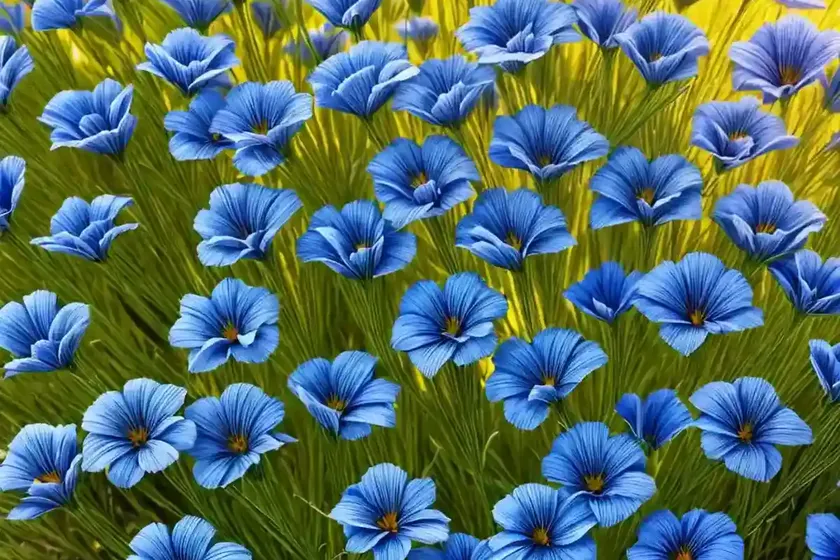
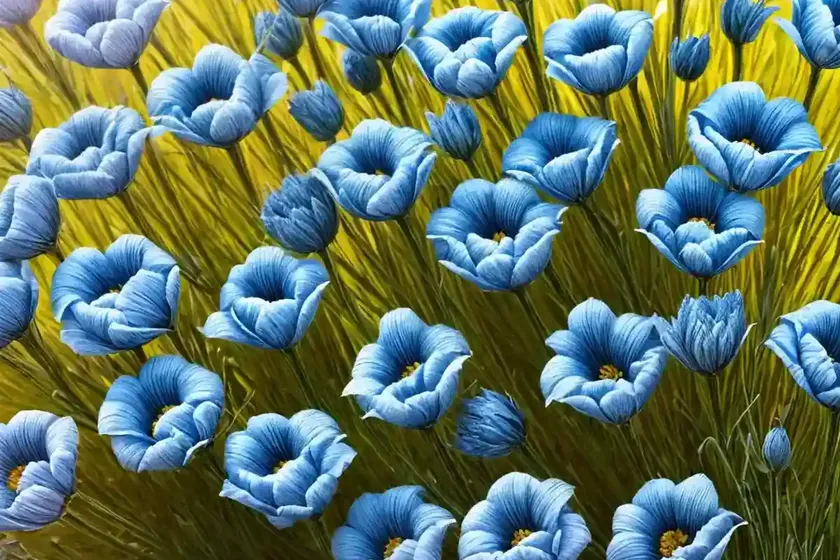
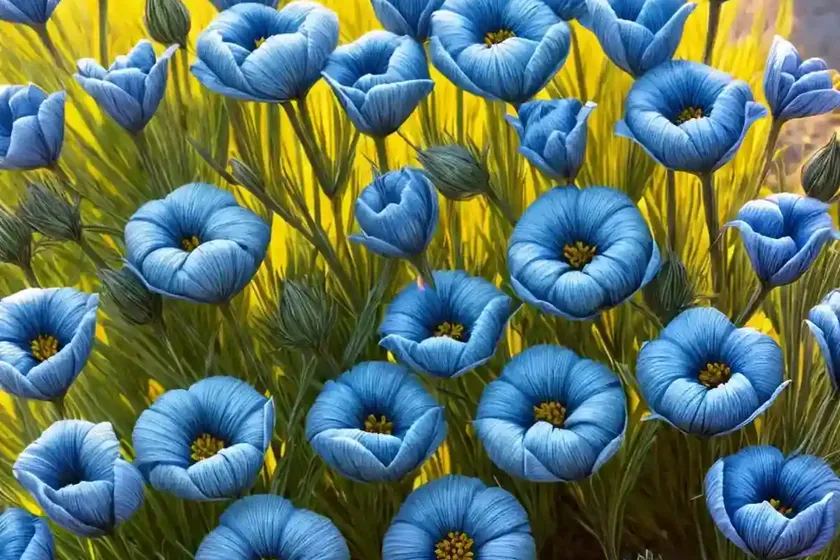
Flowering flax, scientifically known as Linum grandiflorum, is a delicate and vibrant annual plant that has been cultivated for centuries for its charming flowers and versatile uses. In this guide, we will explore the various aspects of Linum grandiflorum, including its cultural significance, uses, and the essential factors for successfully growing and nurturing this beautiful plant.
What is Linum grandiflorum (Flowering Flax)?
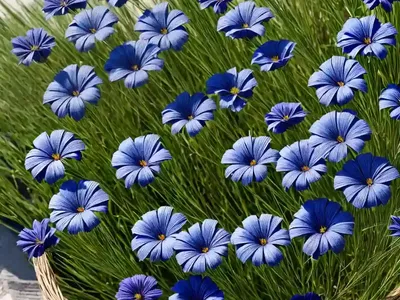
Linum grandiflorum, commonly referred to as flowering flax, is a species of annual flowering plant in the family Linaceae. Native to North Africa and parts of Europe, this plant is known for its slender stems, narrow leaves, and striking, saucer-shaped flowers that come in an array of vibrant colors, including red, pink, and blue. The plant typically reaches a height of 12 to 18 inches and is often cultivated for its ornamental value.
Aside from its aesthetic appeal, Linum grandiflorum has historically been used for its seeds, which yield valuable linseed oil. The plant holds cultural significance in various parts of the world and has been integrated into traditional medicine and culinary practices.
Key Takeaways – Linum grandiflorum (Flowering Flax)
Culture
- Scientific Name: Linum grandiflorum
- Common Name: Flowering Flax
- Family: Linaceae
- Plant Type: Annual Flowering Plant
Uses
- Ornamental: Cultivated for its vibrant flowers and decorative value.
- Medicinal: Historically used in traditional medicine for various purposes.
- Culinary: Seeds are a source of valuable linseed oil and have culinary applications.
Water
- Watering Requirements: Moderate; avoid overwatering to prevent root rot.
- Drought Tolerance: Moderate to high once established.
Sunlight
- Sun Exposure: Full sun; at least 6-8 hours of direct sunlight per day.
- Shade Tolerance: Low; thrives in sunny locations.
Fertilizer
- Fertilization: Light fertilization during the growing season can promote healthy growth.
- Soil Enrichment: Incorporating organic matter into the soil can provide essential nutrients.
Soil
- Soil Type: Well-draining soil; sandy or loamy texture.
- Soil pH: Neutral to slightly acidic (pH 6.0-7.0).
- Soil Moisture: Avoid waterlogged conditions; prefers moderately dry soil.
Pruning
- Deadheading: Regular removal of spent flowers can encourage continuous blooming.
- Trimming: Minimal pruning required; eliminate dead or damaged stems as needed.
Propagation
- Seed Propagation: Easily propagated from seeds; direct sowing recommended.
- Germination: Seeds typically germinate within 7-14 days under optimal conditions.
Container Popularity
- Container Gardening: Suitable for containers and hanging baskets.
- Compact Growth: Well-suited for smaller garden spaces.
Common Diseases
- Damping Off: Sensitive to damping off disease in overly wet or poorly ventilated conditions.
- Powdery Mildew: Susceptible to powdery mildew in humid environments.
Disease Diagnosis
- Symptoms: Identify signs of wilting, yellowing, or spotted leaves.
- Treatment: Provide adequate air circulation and monitor soil moisture to prevent diseases.
Common Pests
- Aphids: May be prone to aphid infestations, especially during periods of new growth.
- Spider Mites: Vulnerable to spider mite infestations under dry and dusty conditions.
Botanist’s Tips
- Companion Planting: Pair with other sun-loving annuals for a vibrant garden display.
- Attracting Pollinators: Flowering flax can attract beneficial pollinators such as bees and butterflies.
Fun Facts
- Cultural History: Linum grandiflorum has been cultivated for ornamental and practical purposes for centuries.
- Color Varieties: The flowers of Linum grandiflorum come in a spectrum of hues, adding visual appeal to gardens.
Now that we have covered the essential aspects of Linum grandiflorum, let’s delve deeper into the specific requirements for successful cultivation and care of this captivating plant.
Linum grandiflorum Cultivation: How to Grow Flowering Flax
Best Conditions for Linum grandiflorum
Flowering flax thrives in optimal growing conditions, and providing the following environment can contribute to its overall health and vigor:
- Sunlight: Full sun exposure is essential for robust growth and abundant flowering.
- Soil: Well-draining, nutrient-rich soil with a neutral to slightly acidic pH level is ideal for flowering flax.
- Water: Moderate watering, allowing the soil to dry out slightly between waterings, helps prevent waterlogged conditions.
- Temperature: Flowering flax prefers moderate temperatures and is sensitive to frost and extreme heat.
Linum grandiflorum Flowers
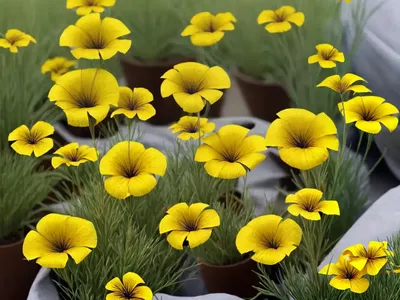
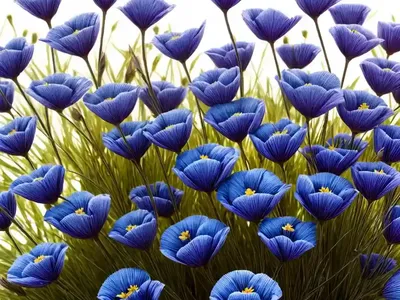
The flowers of Linum grandiflorum add a delightful pop of color to the garden and are available in various shades, including red, pink, and blue. These eye-catching blooms are a key feature of the plant and contribute to its ornamental appeal.
Flowering Flax Gardening
Incorporating flowering flax into garden designs can enhance visual interest and provide a charming focal point. Consider the following gardening tips for integrating Linum grandiflorum into your landscape:
- Border Plantings: Plant flowering flax along garden borders for a vibrant edge.
- Mixed Plantings: Combine with other annuals or perennials to create visually appealing mixed plantings.
- Cut Flower Gardens: Harvest the blooms for use in cut flower arrangements and floral displays.
Linum grandiflorum for Landscaping
The ornamental value of Linum grandiflorum makes it a versatile addition to various landscaping settings. Whether used in formal landscapes, cottage gardens, or naturalistic plantings, flowering flax brings a touch of elegance to outdoor spaces.
Benefits of Growing Linum grandiflorum
Cultivating Linum grandiflorum offers a range of benefits, including:
- Visual Appeal: The vibrant flowers add visual interest and a pop of color to the garden.
- Low Maintenance: With proper care, flowering flax requires minimal maintenance for healthy growth.
- Wildlife Attraction: The blooms can attract beneficial pollinators, such as bees and butterflies, to the garden.
Linum grandiflorum Medicinal Uses
Historically, Linum grandiflorum has been utilized for its potential medicinal properties. From traditional herbal remedies to the extraction of linseed oil, the plant has held cultural significance as a source of natural healing and wellness.
Tips for Successful Linum grandiflorum Cultivation
For the successful cultivation of flowering flax, consider the following tips:
- Soil Preparation: Ensure the soil is well-draining and amended with organic matter for optimal growth.
- Watering: Maintain moderate soil moisture, avoiding waterlogging to prevent root rot.
- Deadheading: Regularly remove spent flowers to encourage continuous blooming throughout the growing season.
Growing Linum grandiflorum from Seeds
Seed propagation is the primary method of growing Linum grandiflorum, and the following guidelines can help achieve successful germination and establishment:
- Direct Sowing: Sow seeds directly into the garden or containers after the last frost date in spring.
- Germination Time: Seeds typically germinate within 7-14 days under favorable conditions.
Flowering Flax Plant Care: Maintenance and Common Problems
Linum grandiflorum Common Problems
While Linum grandiflorum is relatively low maintenance, it may be susceptible to certain issues that can affect its overall health and vigor:
- Damping Off: Avoid overwatering and provide adequate ventilation to prevent damping off disease.
- Powdery Mildew: Monitor humidity levels and maintain good air circulation to prevent powdery mildew.
Linum grandiflorum Plant Health
Promoting the health of flowering flax involves attentive care and prompt response to any signs of stress or disease. Key aspects of maintaining plant health include proper watering, soil management, and monitoring for pest infestations.
Flowering Flax Garden Design Ideas
Incorporating Linum grandiflorum into garden designs opens up a world of creative possibilities. From vibrant border plantings to captivating cut flower displays, the plant offers numerous opportunities for imaginative garden design.
Linum grandiflorum Flowering Season
Flowering flax typically blooms from late spring to early summer, producing an abundance of delicate, colorful flowers that enhance the garden’s visual appeal.
Linum grandiflorum Pests and Diseases
While relatively resilient, flowering flax may encounter pests and diseases that require proactive management. Key pests to watch for include aphids and spider mites, along with the potential for damping off and powdery mildew.
Companion Plants for Linum grandiflorum
Selecting suitable companion plants can complement the vibrant hues of Linum grandiflorum and contribute to an aesthetically pleasing garden display. Consider pairing flowering flax with sun-loving annuals and perennials to create harmonious plant combinations.
Flowering Flax Outdoor Planting
When considering outdoor planting of Linum grandiflorum, take into account its soil preferences, sunlight requirements, and climate suitability. Careful attention to these factors can promote healthy growth and abundant flowering.
Linum grandiflorum: Container Gardening and Decorative Uses
Linum grandiflorum Water Requirements
In container gardening, managing water requirements is crucial for the health of flowering flax. Moderation is key, as excessive moisture can lead to root rot and other issues.
Linum grandiflorum Soil Preferences
Selecting the right soil for container-grown Linum grandiflorum is essential for providing adequate drainage and necessary nutrients. A well-draining potting mix with added organic matter can support healthy growth.
Flowering Flax Visual Appeal
The visual appeal of Linum grandiflorum makes it an ideal choice for decorative container plantings. The vibrant flowers and compact growth habit can be showcased in various container designs, from traditional pots to hanging baskets.
Linum grandiflorum Climate Suitability
Container gardening offers flexibility in accommodating the climate preferences of Linum grandiflorum. The portability of containers allows for optimal placement to suit the plant’s temperature and sunlight needs.
Linum grandiflorum Pollinators
Even in container settings, flowering flax can attract pollinators such as bees and butterflies, contributing to the ecological diversity of the garden space.
Best Time to Sow Linum grandiflorum Seeds
For container cultivation, sow Linum grandiflorum seeds in spring, after the threat of frost has passed, to provide ample time for growth and flowering throughout the season.
Linum grandiflorum: Additional Uses and Plant Characteristics
Linum grandiflorum Pruning Techniques
While minimal pruning is generally required for Linum grandiflorum, deadheading spent flowers can promote continuous blooming and maintain a tidy appearance.
Linum grandiflorum Container Care
In container settings, proper care involves monitoring soil moisture, providing adequate sunlight, and thoughtful placement to enhance the visual impact of the plant.
Flowering Flax Garden Maintenance
Regular maintenance, including light fertilization, monitoring for pests and diseases, and deadheading spent blooms, is essential for the long-term health and vitality of Linum grandiflorum.
Linum grandiflorum Seed Harvesting
For those interested in saving seeds for future plantings, allow the seed pods of Linum grandiflorum to mature and collect the seeds for storage and propagation.
Linum grandiflorum Culinary Uses
The seeds of Linum grandiflorum yield valuable linseed oil, which has culinary applications and nutritional benefits. However, caution should be exercised due to the presence of potentially toxic compounds in the seeds.
Flowering Flax in Cut Flower Arrangements
The vibrant blooms of Linum grandiflorum make it an excellent choice for cut flower arrangements, adding color and elegance to floral displays.
Linum grandiflorum Fragrance
While known for its visual appeal, Linum grandiflorum may also possess a delicate, pleasant fragrance, adding an olfactory dimension to garden spaces.
Flowering Flax for Herbal Remedies
Historically, Linum grandiflorum has been used in herbal remedies and natural healing practices, with potential benefits attributed to its seeds and other plant parts.
Conclusion
Linum grandiflorum, or flowering flax, offers a wealth of possibilities for gardeners and plant enthusiasts. From its vibrant flowers and cultural significance to its practical uses in traditional medicine and culinary applications, this charming annual plant has established itself as a beloved addition to gardens worldwide. By understanding its cultivation requirements, care considerations, and versatile uses, enthusiasts can fully appreciate the beauty and value of Linum grandiflorum in their outdoor spaces.
As we continue to explore the world of plants and gardening, it is important to celebrate the diversity and richness that each species brings to our lives. By embracing the botanical wonders around us, we can gain a deeper appreciation for nature’s intricate tapestry and the role that plants play in shaping our surroundings and experiences.
Remember to embrace the joy of gardening, the beauty of flowering flax, and the sheer delight that comes from nurturing and appreciating the wonders of the plant kingdom.
External Resources
- https://www.gardenia.net/plant-variety/Linum-grandiflorum-rubrum-Scarlet-Flax
- https://www.gardeningknowhow.com/ornamental/flowers/flax/growing-flowering-flax.htm
- https://www.gardening.cornell.edu/homegardening/scenee07b.html
- https://www.gardenia.net/plant-variety/Linum-grandiflorum-rubrum-Scarlet-Flax
- https://www.gardeningknowhow.com/ornamental/flowers/flax/growing-flowering-flax.htm