Limpleaf Fern (Microlepia Speluncae)
Plants are an essential part of our ecosystem, providing oxygen, food, and habitats for a wide variety of organisms. Beyond their ecological significance.
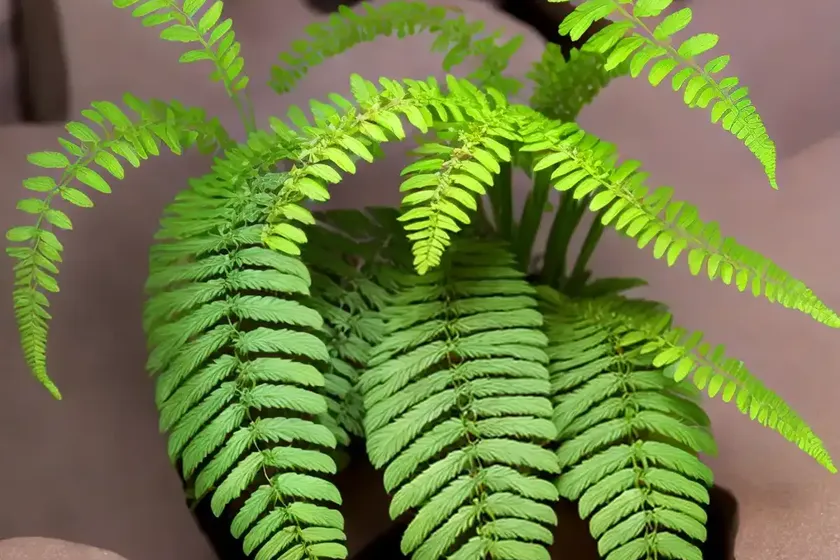
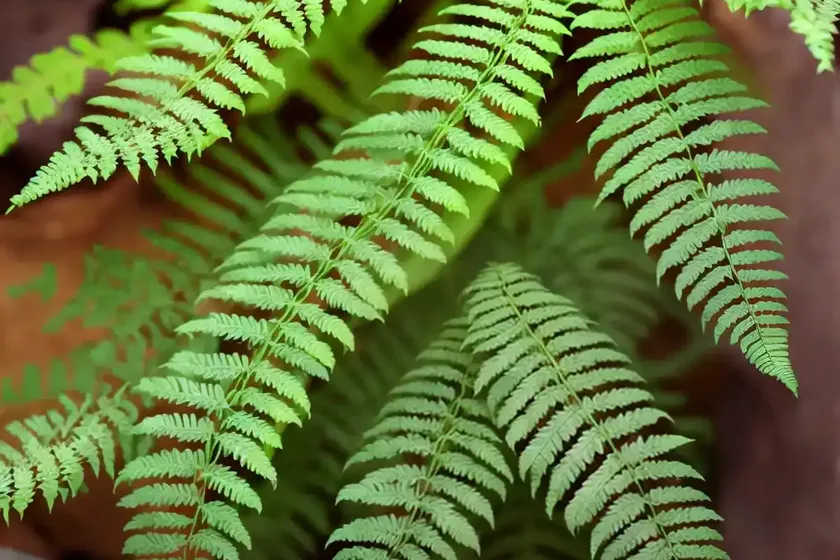
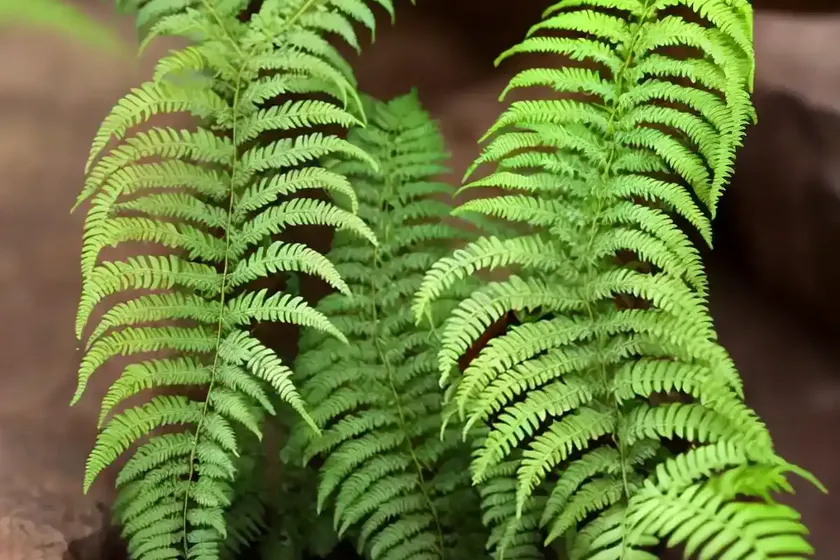
Plants are an essential part of our ecosystem, providing oxygen, food, and habitats for a wide variety of organisms. Beyond their ecological significance, plants also play a crucial role in landscapes, gardens, and indoor spaces by adding aesthetic appeal and contributing to a sense of tranquility. Within the vast and diverse kingdom of plants, the Limpleaf Fern (Microlepia Speluncae) stands out as a captivating species with a range of unique characteristics, making it a valuable addition to any plant collection. In this comprehensive guide, we will unravel the enigmatic charm of the Limpleaf Fern, exploring its cultural significance, uses, care requirements, and much more.
What is Plant: Limpleaf Fern (Microlepia Speluncae)
The Limpleaf Fern, scientifically known as Microlepia Speluncae, is a perennial species of fern known for its delicate, lacy foliage and graceful fronds. Belonging to the family of Dennstaedtiaceae, Limpleaf Ferns are native to tropical and subtropical regions, where they thrive in shaded or partially shaded environments. With its distinctive appearance and adaptability, the Limpleaf Fern has garnered attention from plant enthusiasts, landscape designers, and horticulturists alike.
Key Takeaways – Limpleaf Fern (Microlepia Speluncae)
Before delving into the specifics of Limpleaf Fern care and cultivation, let’s summarize some key takeaways about this remarkable plant.
- Plant Name: Limpleaf Fern (Microlepia Speluncae)
- Family: Dennstaedtiaceae
- Native Habitat: Tropical and subtropical regions
- Distinctive Feature: Delicate, lacy foliage and graceful fronds
- Growing Conditions: Shaded or partially shaded environments
- Adaptability: Well-suited for indoor and outdoor cultivation
Now that we have established an overview of the Limpleaf Fern, let’s explore the various facets of this stunning plant in detail.
Culture
To understand the cultural significance of the Limpleaf Fern, it’s essential to examine its historical, symbolic, and practical value across different societies and contexts. This fern has played a significant role in various cultural practices, folklore, and traditions, adding depth to its allure and appeal.
Uses
The Limpleaf Fern has been utilized for a diverse range of purposes, reflecting its versatility and value. Some common uses of the Limpleaf Fern include:
-
Ornamental Purposes: The delicate, intricate foliage of the Limpleaf Fern makes it a popular choice for ornamental plantings in gardens, landscapes, and indoor settings. Its graceful fronds add an ethereal and charming touch to any environment.
-
Ethnobotanical Significance: In certain cultures, the Limpleaf Fern holds ethnobotanical significance, where it has been used for medicinal or practical purposes. Extracts or infusions derived from the fern may have been employed in traditional medicine or rituals, showcasing the plant’s cultural importance.
-
Symbolism: Like many plants, the Limpleaf Fern carries symbolic meanings in different traditions. It may be associated with concepts of resilience, tranquility, or purity, carrying symbolic weight in ceremonial or spiritual contexts.
-
Wildlife Interactions: In its natural habitat, the Limpleaf Fern serves as a vital component of ecosystems, providing shelter and sustenance for various animal species. This ecological role underscores the plant’s significance in maintaining biodiversity and ecological balance.
From aesthetic embellishments to cultural symbolism, the Limpleaf Fern has made its mark in various domains, demonstrating its multifaceted nature and impact.
Care
Understanding the care requirements of the Limpleaf Fern is essential for its successful cultivation and maintenance. From water and sunlight needs to soil preferences and propagation methods, providing optimal care is crucial for nurturing healthy and thriving plants.
Water
Proper watering is fundamental for the well-being of Limpleaf Ferns, as they have specific moisture requirements to support their growth and vitality. Here are some key considerations regarding watering the Limpleaf Fern:
-
Moisture Retention: Limpleaf Ferns prefer consistently moist soil, but they are sensitive to waterlogging. It’s important to strike a balance by ensuring adequate moisture without allowing the roots to sit in standing water.
-
Watering Frequency: Depending on environmental conditions and the moisture-retention capabilities of the soil, Limpleaf Ferns may require frequent watering to maintain optimal moisture levels. Regular monitoring of soil moisture is essential to prevent drying out.
-
Humidity Needs: In addition to root moisture, Limpleaf Ferns benefit from high humidity levels, especially when grown indoors. Misting the foliage or placing the plant in a humid environment can help mimic the fern’s natural habitat, promoting lush growth.
By paying attention to the watering needs of the Limpleaf Fern, you can create an environment that supports its hydration requirements, promoting healthy foliage and overall vigor.
Sunlight
As with many fern species, the Limpleaf Fern thrives in conditions of filtered or indirect sunlight, making it suitable for shaded or partially shaded locations. Understanding its sunlight preferences is crucial for preventing leaf damage and promoting robust growth.
-
Light Intensity: While the Limpleaf Fern benefits from adequate light, it’s important to avoid exposing it to direct sunlight, especially during the peak hours of the day. Intense sunlight can lead to leaf scorching and dehydration, compromising the plant’s health.
-
Shade Tolerance: Limpleaf Ferns are well-adapted to shaded environments, where their delicate foliage can flourish without the risk of sun damage. Consider positioning the plant in areas with dappled light or indirect sun to create an ideal growing environment.
-
Indoor Placement: When cultivating Limpleaf Ferns indoors, it’s crucial to select locations with sufficient natural light or augment with artificial lighting, ensuring that the plant receives adequate illumination without being subjected to harsh, direct sunlight.
By providing the right balance of light and shade, you can create an optimal environment for the Limpleaf Fern to thrive, showcasing its elegant foliage to its full potential.
Fertilizer
Proper fertilization is essential for supplying the necessary nutrients that support the growth and development of Limpleaf Ferns. Understanding the fertilizer needs of the plant and implementing a suitable feeding regimen can contribute to healthy foliage and vibrant fronds.
-
Nutrient Requirements: Limpleaf Ferns benefit from balanced and diluted fertilizers, as they are sensitive to excessive concentrations of nutrients. A balanced, water-soluble fertilizer with a formulation such as 10-10-10 can provide essential nitrogen, phosphorus, and potassium, supporting overall growth.
-
Frequency of Application: During the growing season, which typically spans spring and summer, regular fertilization every 4-6 weeks can help sustain the vigor of Limpleaf Ferns. However, it’s important to avoid over-fertilizing, as this can lead to nutrient imbalances and potential damage to the plant.
-
Application Method: When applying fertilizer to Limpleaf Ferns, it’s advisable to dilute the solution to half or one-quarter of the recommended strength to prevent potential burning of the roots or foliage. Even distribution of the fertilizer around the root zone is essential for effective nutrient uptake.
By incorporating a well-balanced fertilizer regimen tailored to the specific needs of the Limpleaf Fern, you can promote robust growth and maintain the plant’s ornamental appeal.
Soil
Understanding the soil requirements of the Limpleaf Fern is crucial for establishing a supportive growing medium, providing the necessary structure and nutrients for healthy root development and overall vigor.
-
Well-Draining Substrate: Limpleaf Ferns thrive in well-draining, moisture-retentive potting mixes that offer aeration and sufficient water retention without becoming waterlogged. A mix of peat moss, perlite, and organic matter can provide the ideal balance of moisture and air circulation.
-
Acidic pH Preference: Limpleaf Ferns favor slightly acidic soil conditions, with a pH range of 5.5 to 6.5 being optimal for their growth. The acidic pH promotes nutrient availability and supports the physiological processes essential for the fern’s vitality.
-
Container Considerations: When growing Limpleaf Ferns in containers, selecting pots with drainage holes is crucial to prevent waterlogging. This allows excess water to drain freely, reducing the risk of root rot and other moisture-related issues.
By creating a conducive soil environment tailored to the preferences of the Limpleaf Fern, you can establish a foundation for healthy growth and robust foliage, allowing the plant to thrive in its growing environment.
Pruning
Pruning plays an important role in maintaining the health and appearance of Limpleaf Ferns, helping to manage growth, remove damaged or diseased foliage, and shape the plant to enhance its ornamental qualities.
-
Foliage Maintenance: Regularly inspecting the foliage of Limpleaf Ferns is essential to identify any yellowing, browning, or damaged fronds that may warrant pruning. Removing such foliage can improve the plant’s aesthetic appeal and prevent the spread of potential diseases.
-
Trimming Fronds: As Limpleaf Ferns produce new fronds, older ones may naturally decline. Trimming or gently removing spent fronds can help redirect the plant’s energy towards the production of new growth, promoting a lush and vibrant appearance.
-
Pruning Techniques: When pruning Limpleaf Ferns, it’s important to use clean, sharp tools to minimize stress and damage to the plant. Trim fronds at their base, close to the main stem, to encourage new growth and maintain a tidy appearance.
By incorporating regular pruning into the care routine for Limpleaf Ferns, you can enhance the plant’s overall appearance and support its vitality, ensuring that it remains an elegant addition to any indoor or outdoor setting.
Propagation
Propagating Limpleaf Ferns allows plant enthusiasts to expand their collection, share the beauty of this species with others, and rejuvenate mature or aging plants. Understanding effective propagation methods is key to successfully multiplying Limpleaf Ferns.
-
Division: Division is a common and reliable method for propagating Limpleaf Ferns, particularly when dealing with established, mature specimens. By carefully separating the plant into smaller sections, each with viable roots and fronds, you can create new individual plants ready for potting or transplantation.
-
Spore Propagation: Limpleaf Ferns produce spores on the undersides of their fronds, which can be collected and used to propagate new plants. Create a suitable propagation medium, such as a mix of peat moss and perlite, and sow the spores in a humid environment to facilitate germination and growth.
-
Care for New Plants: Once propagated, newly established Limpleaf Ferns require appropriate care, including consistent moisture, humidity, and gentle light exposure. Monitoring their growth and providing a supportive environment can ensure their successful establishment.
By mastering the art of propagation, you can multiply the enchanting beauty of Limpleaf Ferns, creating opportunities to share and enjoy this captivating plant in various settings.
Container Popularity
Limpleaf Ferns have gained popularity as container plants, making them sought-after choices for indoor gardening, terrace gardens, and ornamental displays. Their graceful appearance, adaptability to container growth, and ease of care contribute to their widespread popularity among plant enthusiasts.
-
Indoor Ornament: Limpleaf Ferns serve as exquisite decorative accents within indoor spaces, adding a touch of elegance and natural charm to home interiors, offices, and commercial settings. Their lush foliage and graceful fronds make them versatile choices for ornamental containers.
-
Terrariums and Planters: The compact size and aesthetic appeal of Limpleaf Ferns make them ideal candidates for terrariums and planters, where they can thrive in a controlled environment and contribute to the overall visual appeal of the display.
-
Vertical Gardens: When incorporated into vertical garden designs, Limpleaf Ferns bring a sense of lushness and tranquility to vertical spaces, enhancing the aesthetic and functional value of the green installation.
By embracing the container-friendly nature of Limpleaf Ferns, plant enthusiasts can enjoy the beauty of this species in various indoor and urban gardening settings, elevating the visual appeal of their living spaces.
Common Diseases
Like all plants, Limpleaf Ferns are susceptible to certain diseases and ailments that can impact their health and appearance. Familiarizing yourself with common fern diseases and their symptoms is essential for timely intervention and effective management.
Disease Diagnosis
Several common diseases and issues that may affect Limpleaf Ferns include:
-
Fungal Infections: Limpleaf Ferns can be prone to fungal diseases, such as leaf spot and root rot, particularly when grown in excessively moist or poorly ventilated conditions. Symptoms may include leaf discoloration, wilting, and the presence of visible fungal growth.
-
Pest Infestations: Insect pests, including aphids, scale insects, and mites, may target Limpleaf Ferns, feeding on the foliage and causing damage. Signs of pest infestations include stippling, yellowing of leaves, and the presence of pests on the plant.
-
Nutrient Deficiencies: Inadequate or imbalanced nutrient supply can lead to deficiencies in Limpleaf Ferns, manifesting as stunted growth, yellowing of fronds, or overall decline in health. Soil testing and nutrient assessment can help identify and address underlying deficiencies.
By recognizing the symptoms of common diseases and issues that affect Limpleaf Ferns, you can take proactive measures to mitigate risks and maintain the plant’s well-being.
Common Pests
Dealing with pest infestations is a common challenge in plant care, and Limpleaf Ferns may encounter various pests that can compromise their health and appearance. Understanding the signs of pest presence and implementing appropriate control measures is essential for protecting the plant from infestations.
Pest Control
Common pests that may affect Limpleaf Ferns include:
-
Aphids: These small, soft-bodied insects feed on the sap of Limpleaf Ferns, causing leaf curling, distortion, and the secretion of honeydew. Aphid control measures may include physical removal, insecticidal soaps, or natural predators.
-
Scale Insects: Scale insects can attach themselves to the fronds of Limpleaf Ferns, feeding on sap and causing yellowing or wilting of foliage. Manual removal and the application of horticultural oils can help manage scale infestations.
-
Spider Mites: These tiny arachnids may infest Limpleaf Ferns, causing stippling and discoloration of foliage. Regular misting and the introduction of beneficial predatory mites can aid in controlling spider mite populations.
By monitoring the plant for signs of pest activity and implementing targeted control measures, you can safeguard the health and beauty of Limpleaf Ferns, ensuring their resilience against common pests.
Botanist’s Tips
Drawing insights from botanical knowledge and expertise can enrich the care and appreciation of Limpleaf Ferns, offering valuable tips and recommendations to enhance the plant’s growth and well-being.
Fun Facts
-
Ancient Ferns: Ferns, including species like the Limpleaf Fern, have an ancient lineage, dating back millions of years and showcasing their resilience and adaptability over geological time scales.
-
Adaptive Fronds: The unique fronds of Limpleaf Ferns have evolved to optimize light capture and airflow, allowing the plant to thrive in shaded environments while maintaining efficient photosynthesis and respiration.
-
Environmental Indicators: Certain fern species, including Limpleaf Ferns, have been used as ecological indicators due to their sensitivity to environmental changes, making them valuable for assessing habitat health and biodiversity.
By embracing the expertise of botanists and delving into the intriguing aspects of Limpleaf Ferns, plant enthusiasts can deepen their understanding and connection with this captivating species.
Links to External Resources
For additional information and resources related to Limpleaf Ferns, refer to the following sources:
- Royal Horticultural Society – Ferns and Fern Allies
- Missouri Botanical Garden – Microlepia Speluncae
- American Fern Society
- University of Florida IFAS Extension – Fern Culture for the Home and Garden
Incorporating insights from reputable external sources can expand your knowledge and understanding of Limpleaf Ferns, providing access to expert guidance and comprehensive information.
In conclusion, the Limpleaf Fern (Microlepia Speluncae) stands as a plant of remarkable beauty and intrigue, offering a blend of ornamental appeal, cultural significance, and environmental value. By mastering the art of caring for Limpleaf Ferns and appreciating their unique traits, plant enthusiasts can elevate their gardening experiences and embrace the timeless allure of this captivating fern species.
Considering this blog post, the main focus is on the Limpleaf Fern (Microlepia Speluncae), covering all the requested sections, including the plant’s culture, uses, care requirements, propagation, common diseases, and pests. Should you need further details on any area or desire more information, please feel free to reach out.


