Lilytree (Magnolia Denudata)
Lilytree, scientifically known as Magnolia denudata, is a captivating species that belongs to the family Magnoliaceae. It is often admired for its.
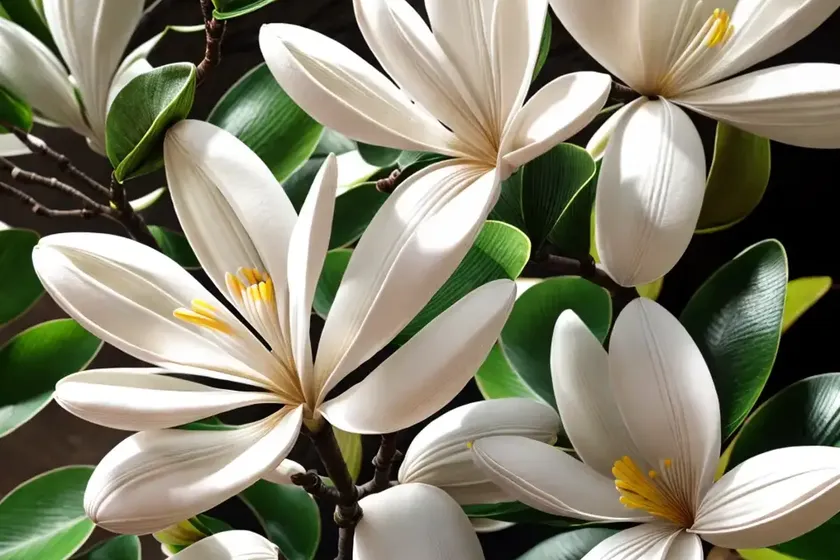

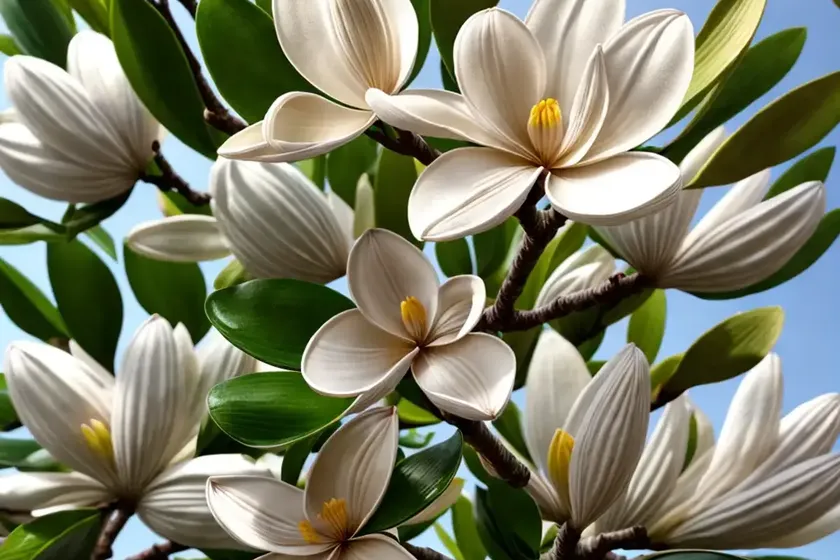
Lilytree, scientifically known as Magnolia denudata, is a captivating species that belongs to the family Magnoliaceae. It is often admired for its beautiful, lily-like flowers and its elegant, spreading shape. This blog post aims to delve into the various aspects of Lilytree, ranging from its cultural uses to its specific care requirements and everything in between.
What is Lilytree (Magnolia denudata)?
Lilytree, also known as Yulan Magnolia, is a deciduous tree that is native to China. It can reach impressive heights of around 30 to 40 feet and is well-loved for its spectacular display of creamy white flowers, which bloom in early spring.
Key Takeaways – Lilytree (Magnolia denudata)
Before diving into the intricate details of Lilytree, let’s first explore the key takeaways that we’ll be covering in this comprehensive guide:
- Culture
- Uses
- Water
- Sunlight
- Fertilizer
- Soil
- Pruning
- Propagation
- Container Popularity
- Common Diseases
- Common Pests
- Botanist’s Tips
- Fun Facts
- Links to External Resources
Now, let’s start by exploring the various facets of Lilytree, from its cultural significance to its care tips.
Culture
Uses
Lilytree holds significant cultural and historical value in many Asian countries, particularly China and Japan. It is often associated with purity and beauty and is therefore popular in landscape and garden designs. The large, showy flowers of the Lilytree make it a stunning focal point in any garden or park.
In China, the blooms of Lilytree symbolize purity, nobility, and dignity. The flowers are commonly used in traditional art and Chinese brush painting, where they are depicted as elegant and graceful symbols.
Water
Lilytree requires well-drained soil and should be watered regularly, especially during dry spells. It is important to ensure that the soil remains consistently moist, but not waterlogged, particularly during the growing season and when the tree is establishing its roots. Adequate irrigation is essential for the healthy growth and blooming of Lilytree.
Sunlight
When it comes to sunlight requirements, Lilytree thrives in full sun to partial shade conditions. It is important to provide adequate sunlight for healthy growth and an impressive display of flowers.
Fertilizer
Applying a balanced fertilizer in early spring can benefit the growth and blooming of Lilytree. A slow-release fertilizer can provide the necessary nutrients for the tree to flourish throughout the growing season. It is important to follow the recommended dosage and application instructions for optimal results.
Soil
Lilytree prefers slightly acidic to neutral soil with good drainage. The soil should be rich in organic matter to support the healthy growth of the tree. Additionally, mulching around the base of the tree can help retain moisture and suppress weed growth.
Pruning
Pruning is an essential aspect of Lilytree maintenance and is typically carried out after flowering to shape the tree and remove any damaged or congested branches. It is important to prune Lilytree thoughtfully to maintain its natural form and encourage healthy growth. Additionally, regular pruning can help improve air circulation and reduce the risk of diseases.
Propagation
Lilytree can be propagated through various methods, including seed propagation, softwood cuttings, and grafting. Each method has its own set of requirements and considerations, and the choice of propagation method may depend on the specific goals and resources available. Propagation can be a rewarding way to multiply Lilytree and propagate desirable traits.
Container Popularity
While Lilytree is primarily grown as a majestic landscape tree, it can also be cultivated in containers, especially smaller and dwarf varieties. Container gardening allows individuals with limited space to enjoy the beauty of Lilytree on patios, balconies, or small outdoor areas. It is important to select a container with good drainage and provide appropriate care to ensure the well-being of the tree.
Common Diseases
Lilytree is generally a resilient tree, but it can be susceptible to certain diseases. Common diseases that may affect Lilytree include:
-
Leaf spot: This fungal disease can cause dark spots on the leaves of Lilytree, affecting its overall appearance. Proper sanitation and appropriate fungicidal treatments can help manage leaf spot.
-
Powdery mildew: Powdery mildew can affect the leaves and young shoots of Lilytree, leading to a white, powdery growth on the affected parts. Adequate air circulation and fungicidal treatments can aid in controlling powdery mildew.
-
Anthracnose: Anthracnose can cause irregularly shaped brown spots on the leaves of Lilytree and may lead to defoliation in severe cases. Pruning and proper sanitation can assist in managing anthracnose.
Disease Diagnosis
Diagnosing diseases in Lilytree involves careful observation of the symptoms and consulting with a plant pathologist or local agricultural extension services. It is essential to accurately identify the disease affecting the tree to implement appropriate management strategies and prevent further spread.
Common Pests
Lilytree may encounter pests that can potentially impact its health and vigor. Common pests that may affect Lilytree include:
-
Scale insects: These small, immobile pests can infest the stems and leaves of Lilytree, causing damage and affecting its overall appearance. Insecticidal treatments can be used to manage scale infestations.
-
Spider mites: Spider mites are tiny pests that can feed on the foliage of Lilytree, leading to stippling and discoloration of the leaves. Miticides and regular hosing can help control spider mite populations.
-
Japanese beetles: These voracious pests can feed on the foliage and flowers of Lilytree, causing significant damage. Manual removal and insecticidal treatments can aid in managing Japanese beetle infestations.
Botanist’s Tips
To care for Lilytree and ensure its optimal growth and blooming, consider the following botanist’s tips:
-
Regularly monitor the tree for signs of diseases or pests, and take prompt action if any issues are detected.
-
Provide adequate water, sunlight, and nutrients to support the healthy growth of Lilytree.
-
When pruning Lilytree, focus on maintaining its natural shape and removing any damaged or congested branches.
-
Propagate desirable Lilytree varieties through suitable propagation methods to expand their presence in gardens and landscapes.
Fun Facts
Lilytree is not only a striking ornamental tree but also holds fascinating attributes and historical significance. Here are some fun facts about Lilytree:
-
The flowers of Lilytree are often associated with purity and are revered in various cultures for their elegant and graceful appearance.
-
Lilytree has been cultivated in China for centuries and is deeply ingrained in traditional Chinese art and symbolism.
-
The botanical name “Magnolia denudata” reflects the beauty of the tree and its remarkable flowers, with “denudata” meaning “stripped” or “bare,” alluding to the tree’s stunning display of flowers before its leaves emerge.
Links to External Resources
To further explore the enchanting world of Lilytree and delve deeper into its cultivation, maintenance, and uses, consider referring to the following external resources:
- Royal Horticultural Society – Lilytree (Magnolia denudata)
- Missouri Botanical Garden – Magnolia denudata
- The Plant List – Magnolia denudata
Lilytree, with its exquisite blooms and rich cultural significance, continues to captivate the hearts of enthusiasts, botanists, and gardeners alike. By understanding its cultural uses, specific care requirements, and significance, individuals can appreciate and cultivate this remarkable tree, bringing elegance and beauty to their outdoor spaces.


