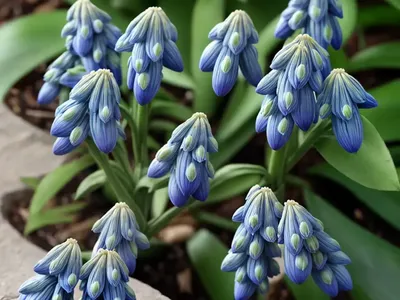
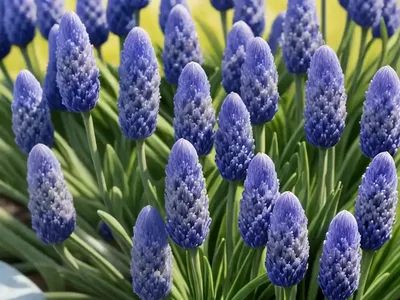
Lily Turf (Liriope Muscari)
As a plant scientist with a passion for exploring and understanding the diverse world of plant species, I am excited to delve into the intricate details of.
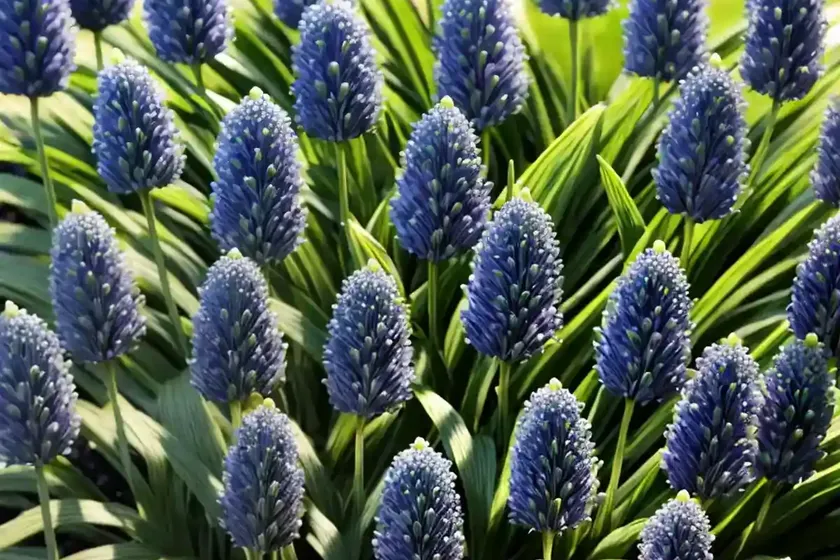
As a plant scientist with a passion for exploring and understanding the diverse world of plant species, I am excited to delve into the intricate details of a versatile and visually captivating plant – the Lily Turf (Liriope muscari). In this guide, we will explore the cultural aspects, uses, care requirements, potential diseases and pests, as well as fun facts about this remarkable plant. Whether you are an experienced gardener, a landscape designer, or simply an enthusiast eager to enhance your plant knowledge, this comprehensive guide will provide invaluable insights into the fascinating world of Lily Turf.
What is Lily Turf (Liriope muscari)?
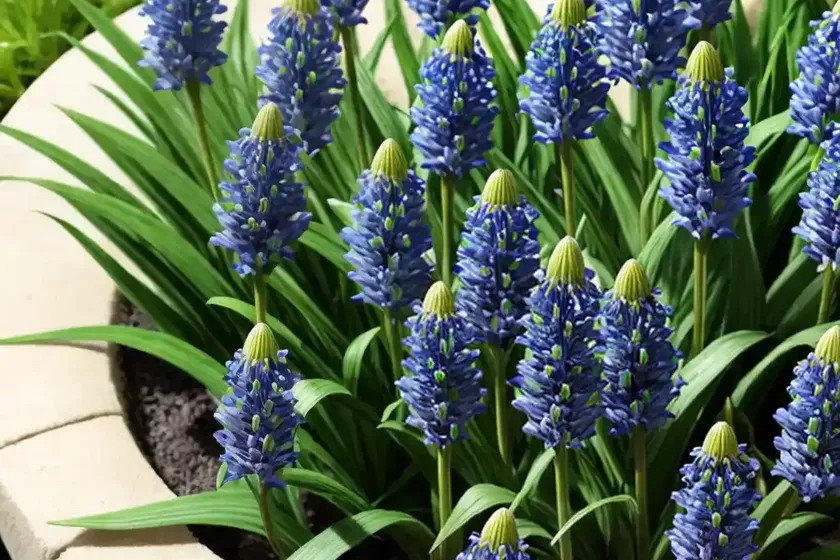
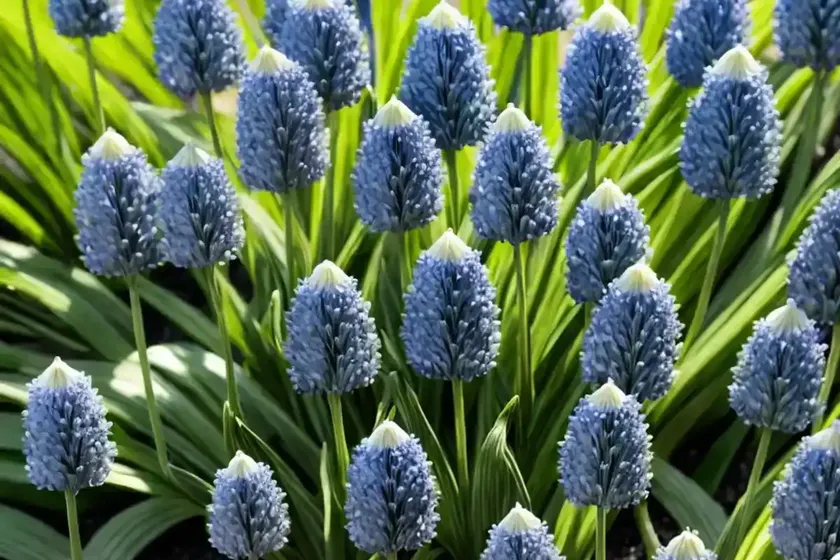
Lily Turf, scientifically known as Liriope muscari, is a species of ornamental plant that belongs to the Asparagaceae family. It is native to East Asia, including China, Japan, and Taiwan, and is widely admired for its luscious and vibrant foliage. The plant is characterized by its grass-like leaves and delicate, bell-shaped flowers that emerge on elegant spikes, adding a touch of elegance to any garden or landscape.
Liriope muscari is celebrated for its adaptability and resilience, making it a favored choice for various landscaping and gardening purposes. Its capability to thrive in diverse environmental conditions, coupled with its low-maintenance nature, has contributed to its popularity as a versatile and visually appealing plant.
Key Takeaways: Lily Turf (Liriope muscari)
Before delving into the intricate details of Lily Turf, let’s take a closer look at the key takeaways that will be covered in this comprehensive guide. From its cultural requirements to its potential uses and visual appeal, we will explore the numerous facets of this remarkable plant.
Culture
- Understanding the cultural preferences and natural habitat of Lily Turf
- Exploring its adaptability and resilience in diverse environments
Uses
- Unveiling the diverse uses of Lily Turf in landscaping and gardening
- Discovering its aesthetic and functional appeal in various settings
Water
- Identifying the watering needs of Lily Turf for optimal growth and health
- Understanding the impact of water on the plant’s overall well-being
Sunlight
- Exploring the sunlight requirements for cultivating healthy and vibrant Lily Turf
- Maximizing the plant’s potential through appropriate exposure to sunlight
Fertilizer
- Unveiling the role of fertilizer in enhancing the growth and vitality of Lily Turf
- Understanding the optimal fertilizer application for ensuring robust development
Soil
- Exploring the soil preferences and requirements for cultivating Lily Turf
- Nurturing the plant through soil optimization and care
Pruning
- Understanding the significance of pruning for maintaining the health and aesthetics of Lily Turf
- Mastering the art of effective pruning techniques for optimal results
Propagation
- Exploring the diverse methods of propagating Lily Turf for expansion and cultivation
- Unveiling the key principles of successful propagation techniques
Container Popularity
- Recognizing the popularity of cultivating Lily Turf in containers
- Understanding the benefits and considerations associated with container gardening
Common Diseases
- Identifying potential diseases that may affect Lily Turf
- Implementing effective disease prevention and treatment strategies
Disease Diagnosis
- Mastering the art of diagnosing diseases in Lily Turf for prompt intervention
- Developing a proactive approach to safeguard the plant from potential threats
Let’s embark on an enriching journey to uncover the diverse dimensions of Lily Turf, from its cultivation to its potential impact in landscaping and gardening.
Culture
Understanding the cultural requirements and natural habitat of Lily Turf is essential for creating an environment that fosters its optimal growth and vitality. Here are the key cultural aspects to consider when cultivating Lily Turf:
Native Habitat
Lily Turf, or Liriope muscari, is native to East Asia, where it thrives in diverse habitats, ranging from woodlands to meadows. Its adaptability enables it to flourish in environments with varying levels of sunlight and moisture, making it a resilient and versatile plant.
Adaptability
One of the remarkable traits of Lily Turf is its adaptability to different environmental conditions. It can thrive in partial shade to full sun, making it a suitable choice for a wide range of landscapes and garden settings. Its ability to endure heat, humidity, and periods of drought further enhances its appeal as a highly adaptable plant.
Uses
The versatile applications of Lily Turf extend far beyond its aesthetic appeal, making it an invaluable addition to both residential and commercial landscapes. Let’s delve into the diverse uses of Liriope muscari:
Landscaping
Lily Turf is widely utilized in landscaping to create visually captivating borders, groundcovers, and mass plantings. Its graceful foliage and charming flowers add a touch of elegance to gardens, parks, and public spaces, enhancing their overall aesthetic appeal.
Erosion Control
Due to its robust root system and resilience, Lily Turf is an effective tool for erosion control. Its ability to stabilize soil on slopes and prevent erosion makes it a valuable asset in landscaping projects aimed at preserving the natural integrity of the land.
Groundcover Benefits
The dense and lush foliage of Lily Turf makes it an exceptional groundcover plant. It effectively suppresses weeds and transforms open spaces into vibrant green carpets, adding depth and texture to outdoor environments.
Container Gardening
The adaptability of Lily Turf makes it an excellent choice for container gardening. Whether adorning patios, balconies, or indoor spaces, its ornamental foliage and low-maintenance nature make it a popular option for adding greenery to various settings.
Medicinal Properties
Beyond its visual appeal, Lily Turf has been traditionally used in herbal medicine for its potential medicinal properties. From alleviating coughs to addressing respiratory issues, various parts of the plant have been utilized for their purported health benefits.
Water
Understanding the watering needs of Lily Turf is crucial for maintaining its health and promoting optimal growth. Efficient water management plays a vital role in nurturing the plant and enhancing its resilience. Here are the key considerations regarding Lily Turf’s water requirements:
Watering Needs
Lily Turf thrives in well-draining soil and performs best when provided with consistent moisture. During the establishment phase, regular watering is essential to facilitate root development and ensure the plant’s vitality. Once established, it can tolerate periods of drought, although watering during prolonged dry spells is beneficial for sustaining its vigor.
Waterwise Plant
The adaptability of Lily Turf to varying moisture levels aligns with its classification as a waterwise plant. Its ability to thrive with minimal water input makes it an eco-friendly choice for landscapes that prioritize water conservation and sustainable gardening practices.
Sunlight
The exposure to sunlight significantly impacts the growth and overall well-being of Lily Turf. By understanding its sunlight requirements, gardeners and landscapers can optimize its potential and ensure vibrant foliage and prolific flowering. Here are the key nuances related to Lily Turf and sunlight:
Sunlight Requirements
Liriope muscari thrives in partial shade to full sun, displaying remarkable adaptability to varying light conditions. However, to achieve optimal performance and prolific flowering, it is recommended to provide it with bright, indirect sunlight. While it can tolerate shade, consistent exposure to direct sunlight enhances its vigor and visual appeal.
Seasonal Care
During the scorching summer months, providing Lily Turf with adequate shade can shield it from excessive heat and prevent wilting. In contrast, during cooler seasons, maximizing its exposure to sunlight can fortify its resilience and stimulate robust growth.
Fertilizer
Fertilizing Lily Turf is instrumental in promoting robust growth and enhancing its ornamental value. By acknowledging its fertilizer preferences and application techniques, gardeners can optimize the plant’s nutrient intake and ensure its long-term health. Here are the essential aspects of fertilizing Lily Turf:
Nutrient Requirements
Lily Turf benefits from periodic fertilization to replenish essential nutrients and sustain its lush foliage and vibrant flowers. A balanced, slow-release fertilizer is recommended, containing a blend of nitrogen, phosphorus, and potassium to support overall plant health and vitality.
Application Techniques
Applying fertilizer in early spring, before the onset of new growth, is an opportune time to nourish Lily Turf and prepare it for the upcoming growing season. Incorporating the fertilizer into the soil around the base of the plant and ensuring thorough watering afterward facilitates optimal nutrient absorption.
Soil
The soil preferences and conditions play a pivotal role in nurturing Lily Turf and ensuring its enduring vitality. By comprehending its soil requirements and implementing appropriate soil management practices, gardeners can foster an environment conducive to the plant’s flourishing. Here are the critical aspects to consider when tending to Lily Turf’s soil needs:
Soil Preferences
Liriope muscari thrives in well-draining, humus-rich soil with a slightly acidic to neutral pH. Loamy soil that retains moisture while facilitating adequate drainage is ideal for promoting healthy root development and robust growth. Additionally, incorporating organic matter into the soil augments its fertility and enhances the plant’s overall vigor.
Hardscape Complement
The adaptability of Lily Turf to diverse soil conditions extends to its compatibility with hardscape elements, such as walkways and patios. Its ability to thrive alongside hardscape features makes it an appealing choice for softening and enhancing the visual appeal of outdoor spaces.
Pruning
Pruning is a vital component of maintaining the health and aesthetics of Lily Turf. By adhering to effective pruning techniques, gardeners can stimulate rejuvenation, control the plant’s size, and eliminate diseased or damaged foliage. Here are the key considerations regarding pruning Lily Turf:
Maintenance Pruning
Regular maintenance pruning, characterized by the removal of spent flowers, withered foliage, and any signs of disease or pest infestation, promotes the plant’s ornamental value and overall health. This practice encourages the emergence of fresh growth and sustains the plant’s aesthetic appeal.
Rejuvenation
Periodic rejuvenation pruning, typically conducted in late winter or early spring, involves the selective removal of older, lackluster foliage to stimulate new growth and revitalize the plant. This technique enhances the vigor and longevity of Lily Turf, ensuring its enduring vitality.
Propagation
The propagation of Lily Turf can be achieved through various methods that enable gardeners to expand their plantings and cultivate new specimens. By mastering the principles of successful propagation, enthusiasts can propagate Lily Turf with confidence and ease. Here are the key methods of propagating Lily Turf:
Division
Division is a common and effective propagation method for Lily Turf. It involves carefully separating the plant’s rhizomes and dividing them into smaller sections, each with viable roots and foliage. These divisions are then transplanted to new locations to establish fresh plantings.
Seed Propagation
While less commonly utilized, seed propagation offers another means of increasing Lily Turf populations. Collecting seeds from mature flower spikes and germinating them in a controlled environment enables gardeners to produce new plants, fostering diversity within their Lily Turf collections.
Container Popularity
The appeal of cultivating Lily Turf in containers transcends its ornamental value, offering practical and aesthetic benefits that cater to diverse gardening preferences. Container gardening presents a versatile approach to cultivating Lily Turf in various settings, including:
Tubs and Planters
Lily Turf thrives in tubs and planters, adorned with its lush foliage and delicate flowers, making it an excellent choice for decking, patios, and outdoor living spaces. Its adaptability to container growth enhances its appeal as a versatile and visually captivating plant.
Indoor Décor
Bringing the charm of Lily Turf indoors adds an element of nature to interior spaces, creating a refreshing and vibrant ambiance. Its resilience and low-maintenance nature align with the preferences of indoor gardeners, offering enduring greenery and visual appeal.
Common Diseases
Despite its resilience, Lily Turf is susceptible to certain diseases that can impact its health and vitality. Familiarizing oneself with potential diseases and their preventive measures is crucial for safeguarding the plant against adverse effects. Here are the common diseases that may affect Lily Turf:
Anthracnose
Anthracnose, characterized by irregularly shaped lesions on the foliage, can detrimentally affect Lily Turf’s overall vigor. Implementing cultural practices that enhance air circulation and reduce moisture on foliage can mitigate the risk of anthracnose infestation.
Root Rot
Excessive moisture and poor drainage can predispose Lily Turf to root rot, leading to wilting and decline. Ensuring well-draining soil and moderating water application can combat root rot and preserve the plant’s root health.
Disease Diagnosis
A proactive approach to disease diagnosis is instrumental in identifying and addressing potential issues that may arise in Lily Turf. By recognizing the early signs of diseases and promptly intervening, gardeners can mitigate the impact on the plant’s health. Here are the key principles of disease diagnosis for Lily Turf:
Visual Symptoms
Observing the plant for visual symptoms, such as discolored or distorted foliage, lesions, or wilting, provides valuable cues for identifying potential diseases. Regular monitoring of Lily Turf enables early detection and intervention.
Professional Consultation
Seeking guidance from experienced horticulturists or plant pathologists can provide invaluable insights into diagnosing and addressing diseases in Lily Turf. Professional consultation augments the diagnostic process and facilitates informed decision-making for disease management.
Conclusion
Lily Turf, or Liriope muscari, enriches outdoor environments with its graceful foliage, charming flowers, and adaptable nature. From its cultural requirements to its diverse uses in landscaping and gardening, this versatile plant captivates enthusiasts and professionals alike. By embracing the insights shared in this comprehensive guide, you can embark on a rewarding journey of cultivating, caring for, and appreciating the remarkable attributes of Lily Turf.
As we conclude our exploration of Lily Turf, I invite you to immerse yourself in the captivating world of this versatile plant, discovering its beauty, resilience, and potential impact in diverse settings. Whether you aspire to enhance your landscape, embellish your indoor spaces, or simply expand your botanical knowledge, Lily Turf stands as a testament to the enduring allure and adaptability of ornamental plants.
References
-
“Liriope Muscari: Lily Turf.” Missouri Botanical Garden, http://www.missouribotanicalgarden.org/PlantFinder/PlantFinderDetails.aspx?taxonid=274356&isprofile=1&basic=liriope%20muscari.
-
“Liriope Muscari.” University of Florida IFAS Extension, https://gardeningsolutions.ifas.ufl.edu/plants/ornamentals/liriope.html.
-
“Liriope Muscari (Decne.) L.H.Bailey.” Plants of the World Online, Kew Science, http://www.plantsoftheworldonline.org/taxon/urn:lsid:ipni.org:names:540549-1.
-
“Plant Diseases – Diagnosing & Management.” Clemson Cooperative Extension, https://hgic.clemson.edu/category/plant-diseases/diagnostics/.
-
“Container Gardening.” University of Maryland Extension, https://extension.umd.edu/hgic/topics/container-gardening.
-
“Fertilizing Plants.” University of Florida IFAS Extension, https://sfyl.ifas.ufl.edu/archive/pest-alerts–topics-on-landscape-plants/fertilizing-plants/.
-
“Growing Liriope.” Clemson Cooperative Extension, https://hgic.clemson.edu/factsheet/growing-liriope/.
-
“Understanding Soil pH.” University of California Agriculture and Natural Resources, https://anrcatalog.ucanr.edu/pdf/21315.pdf.
This comprehensive guide was prepared by [Your Name], Plant Scientist and Botanical Enthusiast.