Lily (Lilium)
Lilies, belonging to the Lilium genus, are one of the most beloved and iconic flowering plants in the world. Their striking, trumpet-shaped blooms and.
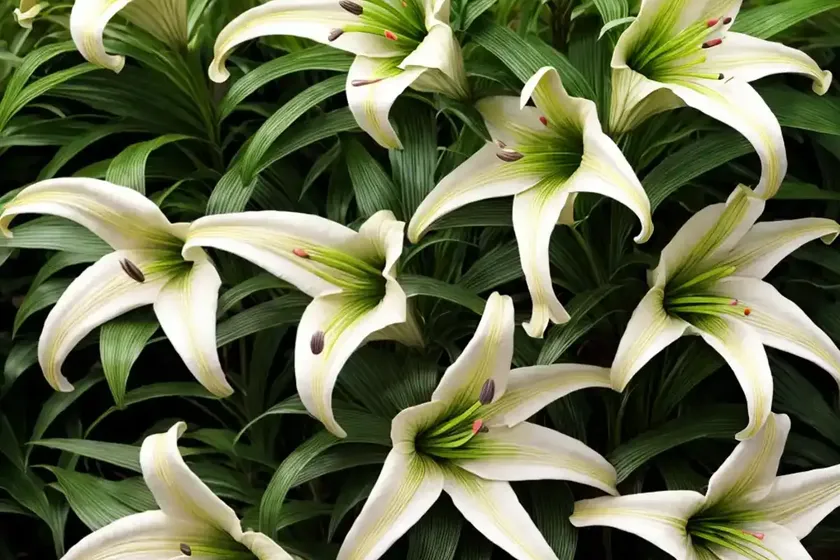
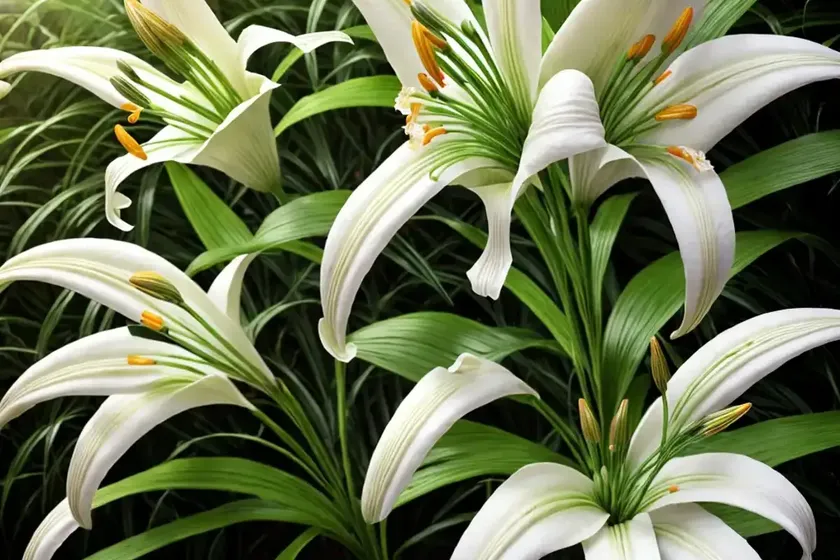
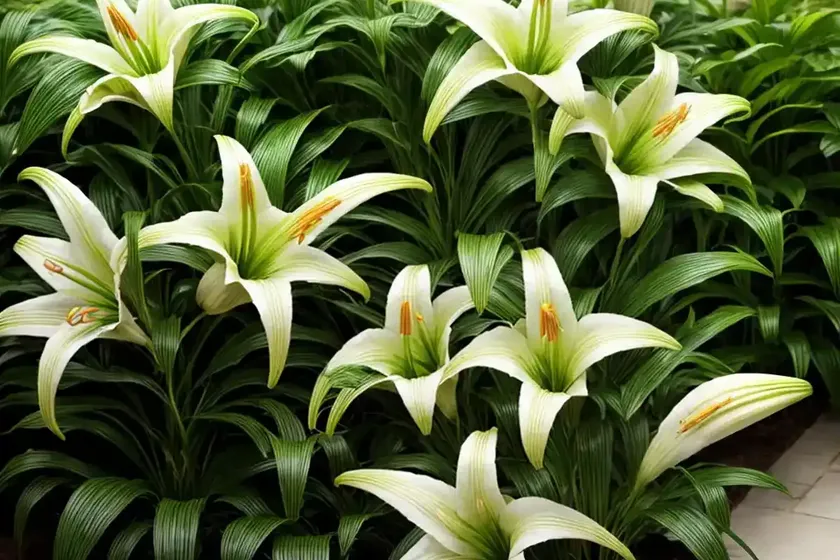
Lilies, belonging to the Lilium genus, are one of the most beloved and iconic flowering plants in the world. Their striking, trumpet-shaped blooms and enchanting fragrance have made them a popular choice for gardens, landscapes, and cut flower arrangements. With over 100 species and numerous hybrids, lilies offer a diverse range of colors, sizes, and blooming seasons, making them a versatile addition to any garden.
In this comprehensive guide, we will delve into the fascinating world of lilies, exploring their cultural significance, uses, care requirements, propagation methods, common diseases and pests, and much more. Whether you are an experienced gardener or a novice enthusiast, this guide will equip you with the knowledge and tips to cultivate stunning lilies and experience the joy of their timeless beauty.
What is a Lily (Lilium)?
Lilies, belonging to the genus Lilium, are perennial flowering plants that originate from temperate regions in the Northern Hemisphere, including parts of Europe, Asia, and North America. These plants are characterized by their erect, leafy stems and showy, often fragrant flowers that come in a wide range of colors, including white, yellow, orange, pink, red, and purple. Lilies are highly prized for their elegant and graceful appearance, making them a popular choice for both garden and cut flower arrangements.
Key Takeaways
Lily (Lilium)
- Genus: Lilium
- Common Name: Lily
- Plant Type: Perennial Flowering Plant
- Cultural Significance: Symbolic of purity, renewal, and devotion
- Varieties: Over 100 species and numerous hybrids
- Uses: Garden ornamental, cut flower, medicinal and symbolic purposes
- Sunlight Needs: Full sun to partial shade
- Water Requirements: Moderate watering, well-drained soil
- Soil Conditions: Rich, well-draining soil
- Fertilization: Regular feeding during the growing season
- Pruning: Deadheading spent blooms, removing yellowing foliage
- Propagation: Seeds, bulb division
- Common Diseases: Botrytis, Fusarium wilt
- Common Pests: Aphids, mites, slugs, snails
Culture
Uses
Lilies have been cherished for centuries for their diverse uses and cultural significance. Here are some common applications of lilies:
- Garden Ornamental: Lilies are prized for their captivating beauty and are often used as focal points in garden beds, borders, and containers.
- Cut Flower: The stunning blooms of lilies make them a popular choice for floral arrangements, bouquets, and centerpieces.
- Medicinal and Symbolic Purposes: In various cultures, lilies have been traditionally used for their medicinal properties and are also symbolic of purity, renewal, and devotion.
Water
Lilies have moderate water needs and thrive in well-drained soil. Here are some key points to consider for watering lilies:
- Moderate Watering: Lilies prefer moderately moist soil, but they are susceptible to root rot in waterlogged conditions.
- Deep Watering: Ensure thorough watering to encourage deep root growth, especially during dry spells.
- Avoid Overhead Watering: Water the soil directly to prevent water from accumulating on the leaves, which can lead to fungal diseases.
Sunlight
Proper sunlight is essential for the healthy growth and abundant blooming of lilies. Consider the following sunlight requirements for lilies:
- Full Sun to Partial Shade: Lilies thrive in full sun to partial shade, with at least 6 hours of direct sunlight per day.
- Morning Sun and Afternoon Shade: In hot climate regions, providing lilies with morning sun and afternoon shade can help prevent the blooms from fading too quickly.
Fertilizer
Fertilizing lilies can promote vigorous growth and prolific flowering. Here are some tips for fertilizing lilies:
- Balanced Fertilizer: Use a balanced, slow-release fertilizer high in phosphorus to promote robust root development and abundant blooms.
- Application Timing: Apply fertilizer in early spring before the growing season begins, and once again after the first wave of blooming.
- Avoid Excessive Nitrogen: Over-fertilization with nitrogen can lead to excessive foliage growth at the expense of flowers.
Soil
Lilies thrive in fertile, well-draining soil that provides a stable foundation for their roots. Consider the following soil conditions for lilies:
- Rich, Loamy Soil: Lilies prefer soil that is rich in organic matter, with excellent drainage to prevent waterlogging.
- pH Level: The ideal soil pH for lilies is slightly acidic to neutral, ranging from 6.0 to 7.0.
- Mulching: Apply a layer of organic mulch around lilies to conserve soil moisture, suppress weeds, and insulate the roots.
Pruning
Pruning lilies is essential for maintaining their health, appearance, and encouraging continuous blooming. Here are some key points to consider for pruning lilies:
- Deadheading: Remove spent blooms promptly to redirect the plant’s energy towards producing new flowers.
- Yellowing Foliage: Trim or remove yellowing or withered foliage to maintain the plant’s appearance and prevent the spread of diseases.
Propagation
Propagating lilies allows for the expansion of their presence in the garden and the creation of new plants. Here are some common methods for propagating lilies:
- Seeds: Collect and sow lily seeds in well-prepared soil in the fall, as germination may take a few months.
- Bulb Division: Divide mature lily bulbs in the fall or early spring, ensuring that each new section has sufficient roots and shoots for successful establishment.
Container Popularity
Lilies are well-suited for container cultivation, offering versatility in terms of placement and design. Here are the key aspects of planting lilies in containers:
- Container Type: Choose well-draining containers with sufficient depth to accommodate the lily bulbs and allow for root development.
- Soil Mix: Use a high-quality, well-draining potting mix with added organic matter to provide essential nutrients and moisture retention.
- Placement: Position lily containers in locations that receive adequate sunlight and ventilation, such as patios, balconies, or garden borders.
Common Diseases
Lilies are susceptible to certain diseases that can affect their overall health and blooming capabilities. Here are some common diseases that may impact lilies:
Disease Diagnosis
- Botrytis (Gray Mold): Recognized by the presence of grayish-brown fuzzy mold on plant tissues, particularly in humid conditions.
- Fusarium Wilt: Symptoms include wilting, yellowing, and browning of foliage, often progressing from the base of the plant upwards.
Common Pests
Lilies can fall victim to various pests that may compromise their growth and flowering. Here are some common pests that may affect lilies:
- Aphids: Small, soft-bodied insects that feed on plant sap, leading to distorted growth and yellowing of leaves.
- Mites: Infestations may cause stippling and discoloration of leaves, affecting the overall vigor of the plant.
- Slugs and Snails: These nocturnal pests can feed on lily foliage and blooms, causing unsightly damage.
Botanist’s Tips
Understanding the specific needs of lilies and providing attentive care can help ensure their health and vitality. Here are some additional tips from a botanist’s perspective:
- Mulching: Apply a layer of organic mulch around lilies to conserve soil moisture, suppress weeds, and insulate the roots.
- Support: For taller lily varieties, provide discreet support such as stakes or rings to prevent stems from bending or breaking in windy conditions.
Fun Facts
Lilies have a rich history and a host of fascinating attributes that make them truly captivating. Here are some enchanting fun facts about lilies:
- The Lily is part of the “10th Wedding Anniversary Flower”.
- The flowers are often used in religious ceremonies and are symbolic of purity and devotion in many cultures.
- The stately blooms of lilies have made them a popular motif in art, literature, and heraldry over the centuries.
Links to External Resources
Stay informed and inspired with reputable resources on the cultivation and care of lilies:
- The Royal Horticultural Society (RHS) Guide to Growing Lilies
- American Society for the Prevention of Cruelty to Animals (ASPCA) Guide to Toxic and Non-Toxic Plants: Lily
- University of California Integrated Pest Management Program: Lily Pests
- The American Phytopathological Society: Compendium of Flower Bulb Diseases and Pests
As we’ve explored this enthralling realm of lilies, we’ve discovered the diverse beauty, cultural significance, and horticultural potential of these remarkable flowering plants. Whether adorning a garden, gracing a vase, or inspiring artistic endeavors, lilies continue to enchant and captivate those who encounter their timeless allure.
Remember, the enchanting world of lilies awaits with an array of species, colors, and fragrances, inviting you to embark on a journey of cultivation and appreciation. Embrace the delicate beauty of lilies, immerse yourself in their fascinating history, and nurture their growth with care and admiration. As you witness the splendid blooms unfold, you’ll undoubtedly find yourself captivated by the enduring charm of this extraordinary floral treasure – the Lily (Lilium).
With the insights and guidance shared in this comprehensive guide, you are well-equipped to embark on your lily-growing endeavors, whether you are a seasoned gardener, an aspiring horticulturist, or simply an admirer of nature’s botanical wonders. Let the timeless allure of lilies enhance your outdoor spaces, elevate your floral arrangements, and infuse your surroundings with their alluring presence.
So, embrace the magic of lilies, cultivate their grace with care and delight, and let their radiant blossoms bring joy and enchantment to your world.
The enchanting world of lilies awaits – immerse yourself in its splendor, and let the timeless allure of Lilium inspire and enchant you.
Disclaimer: The content provided in this article is for informational purposes only. Before cultivating or using any plants, including lilies, it is essential to research and understand their specific care requirements and potential hazards, particularly in the case of toxic or poisonous plants. Always exercise caution and seek guidance from reputable sources when dealing with plants and flowers.


