Lilly Pilly (Syzygium Smithii)
Welcome to our comprehensive guide to the vibrant and versatile Lilly Pilly, scientifically known as Syzygium Smithii. In this article, we will explore the.
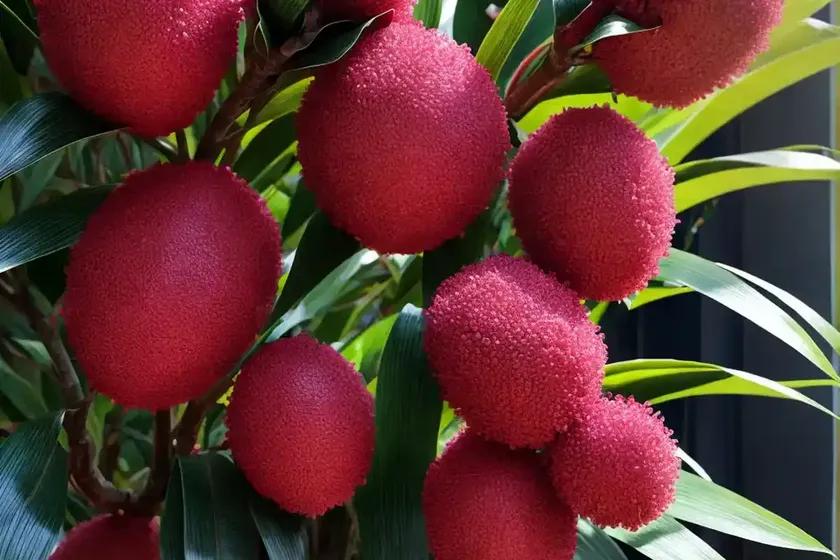
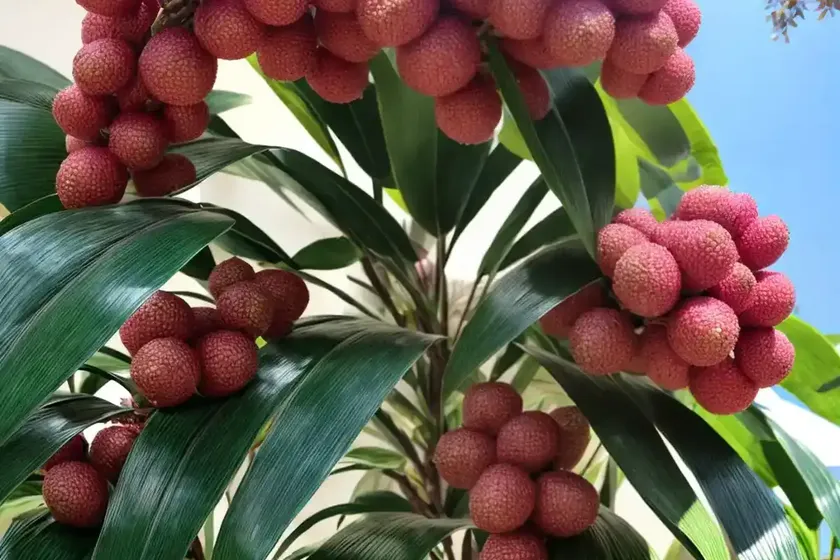
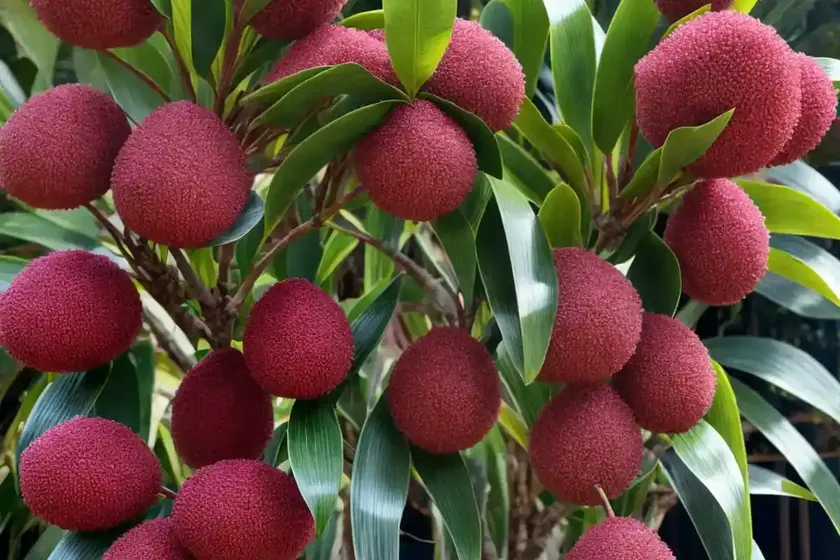
Welcome to our comprehensive guide to the vibrant and versatile Lilly Pilly, scientifically known as Syzygium Smithii. In this article, we will explore the various aspects of this beloved plant, from its cultural and horticultural uses to its pruning techniques and propagation methods. Whether you are a seasoned gardener or a novice plant enthusiast, you will find valuable insights and practical tips for incorporating Lilly Pilly into your outdoor space.
What is Lilly Pilly (Syzygium Smithii)?
Lilly Pilly, also known as Syzygium Smithii, is a diverse group of plants within the Myrtaceae family, native to rainforests and coastal areas of Australia. These evergreen plants are prized for their lush foliage, colorful new growth, and compact habit, making them an excellent choice for hedges, screens, topiaries, or ornamental potted plants. In addition to their aesthetic appeal, some varieties of Lilly Pilly produce edible fruits, adding a delightful and practical element to your garden.
The most common species, Syzygium smithii, is a small to medium-sized tree that can reach up to 15 meters in height when grown in its natural environment. However, through selective breeding and cultivation, numerous compact and dwarf cultivars have been developed, giving gardeners a wide array of choices to fit their specific landscape needs.
Key Takeaways – Lilly Pilly (Syzygium Smithii)
Before we delve into the detailed aspects of growing and caring for Lilly Pilly, let’s summarize the key takeaways for this versatile plant:
- Botanical Name: Syzygium Smithii
- Common Name: Lilly Pilly
- Plant Type: Evergreen shrub or small tree
- Uses: Hedging, screening, ornamental planting, and, in some cases, edible fruit production
- Watering: Regular watering, particularly during the establishment phase and dry periods
- Sunlight: Full sun to partial shade
- Soil Type: Well-drained, slightly acidic soil
- Fertilization: A balanced fertilizer applied during the growing season
- Pruning: Regular trimming to maintain shape and size, more intensive pruning to encourage dense growth and flowering
- Propagation: Easily propagated from semi-hardwood cuttings
- Pest and Diseases: Susceptible to psyllids and sooty mold; prone to root rot in waterlogged soils
- Special Features: Attractive foliage, colorful new growth, wildlife attraction, and, in some varieties, edible fruits
- Size: Various sizes available, from dwarf varieties suitable for pots to larger cultivars for hedging and screening
Now, let’s explore each of these key takeaways in detail to help you understand and appreciate the requirements and benefits of growing Lilly Pilly in your garden.
Culture
Uses
Lilly Pilly, with its diverse range of cultivars, offers a multitude of uses in garden and landscape settings. Some common applications include:
- Hedging and Screening: The dense and lush foliage of Lilly Pilly makes it an ideal choice for creating privacy screens or formal hedges. It can be pruned to maintain a desired height and shape, providing an attractive and functional barrier.
- Ornamental Planting: Many varieties of Lilly Pilly are cultivated for their ornamental value, thanks to their colorful new growth, showy flowers, and attractive foliage. These plants can be used as focal points in garden beds or as part of mixed planting schemes to add texture and visual interest.
- Topiary and Potted Plants: Compact and dwarf cultivars of Lilly Pilly are well-suited for shaping into topiaries or growing in containers, allowing for creative and versatile landscaping options.
Some select varieties, such as Syzygium luehmannii and Syzygium australe, are known for their edible fruits, which can be used in jams, jellies, and a range of culinary delights.
Water
Needs: Lilly Pilly plants have moderate water needs, particularly during the establishment phase and in dry periods. Adequate moisture is crucial for young plants to develop a strong root system and for mature plants to thrive and produce healthy new growth.
Best Practices:
– Establishment: Newly planted Lilly Pilly should be watered regularly to keep the root ball consistently moist but not waterlogged. This helps the plant acclimate to its new environment and encourages root development.
– Mature Plants: Once established, Lilly Pilly plants generally require less frequent watering, but it is essential to monitor soil moisture and provide supplemental irrigation during prolonged dry spells. Avoid overwatering, as this can lead to root rot and other moisture-related issues.
Sunlight
Needs: Lilly Pilly thrives in full sun to partial shade, making it adaptable to a wide range of light conditions. However, for optimal growth and flowering, it is best to provide the plant with adequate sunlight.
Best Practices:
– Full Sun: In regions with mild climates, planting Lilly Pilly in a location that receives full sun for the majority of the day promotes robust growth and encourages abundant flowering.
– Partial Shade: In hotter and sunnier regions, providing some afternoon shade can help protect the plant from excessive heat and sunburn, particularly during the peak of summer.
Fertilizer
Needs: Lilly Pilly benefits from regular fertilization, especially during the growing season, to support healthy growth, foliage development, and, in some cases, fruit production.
Best Practices:
– Type: A balanced, slow-release fertilizer formulated for woody plants is well-suited for Lilly Pilly. Look for a fertilizer with a nutrient ratio of N-P-K (nitrogen, phosphorus, and potassium) of around 10-10-10 or similar.
– Application: Apply the fertilizer according to the manufacturer’s recommendations, typically in early spring as new growth begins and again in mid-summer to sustain plant vigor. Avoid overfertilizing, as this can lead to excessive foliage at the expense of flowering and fruiting.
Soil
Type: Lilly Pilly thrives in well-drained, slightly acidic soil that is rich in organic matter. While adaptable to a range of soil types, including sandy and loamy soils, it is essential to ensure good drainage to prevent waterlogging, which can impede root development and lead to foliage and root health issues.
pH: A slightly acidic soil with a pH range of 5.5 to 6.5 is ideal for Lilly Pilly, allowing for optimal nutrient uptake and overall plant health.
Pruning
Purpose: Pruning plays a vital role in maintaining the size, shape, and health of Lilly Pilly plants, and it can also be used to encourage dense growth and flowering in select varieties.
Best Practices:
– Regular Maintenance: Light, regular pruning helps to shape the plant and prevent it from becoming leggy or overgrown. This facilitates air circulation and sunlight penetration, reducing the risk of issues such as fungal diseases and pest infestations.
– Promoting Dense Growth: To encourage dense growth and more prolific flowering, a more intensive pruning technique, known as tip pruning, can be employed. This involves selectively removing the growing tips of branches to stimulate lateral growth and create a bushier, more compact plant.
Propagation
Method: Lilly Pilly is easily propagated from semi-hardwood cuttings, making it a straightforward and cost-effective way to multiply desirable cultivars.
Steps:
1. Select a healthy, non-flowering stem with semi-hardened wood, typically in late summer or early autumn.
2. Cut a 4 to 6-inch section of the stem just below a leaf node, ensuring the cutting includes at least two pairs of leaves.
3. Remove the lower pair of leaves, leaving one or two leaves at the tip of the cutting.
4. Dip the cut end of the cutting in a rooting hormone powder to promote root development.
5. Plant the cutting in a well-draining propagation mix, keeping the soil consistently moist but not waterlogged.
6. Place the cutting in a warm, bright location with indirect sunlight and maintain high humidity by covering it with a plastic dome or placing it in a propagator.
7. Rooting should occur within 6 to 8 weeks, at which point the young plant can be potted up into a suitable growing medium and nurtured until it is ready for transplanting into the garden or a larger container.
Container Popularity
Lilly Pilly’s compact habit and manageable size make it a popular choice for growing in containers, both for outdoor and indoor use. Container-grown Lilly Pilly plants offer the flexibility to create portable privacy screens, decorative accents on patios and balconies, and even small-scale hedging or topiary displays.
Container Common Diseases
Root Rot: When grown in containers, Lilly Pilly is susceptible to root rot if the soil becomes waterlogged or if drainage is inadequate. This can lead to wilting, yellowing foliage, and ultimately, the decline of the plant if not addressed promptly.
Prevention and Management: To prevent root rot, use a well-draining potting mix, ensure the container has drainage holes, and avoid overwatering. If root rot is suspected, remove the plant from the container, trim away affected roots, and repot it in fresh, dry soil.
Disease Diagnosis
Common Diseases
-
Powdery Mildew: This fungal disease manifests as a powdery white coating on the leaves, often accompanied by distorted growth and reduced plant vigor. Humid conditions and poor air circulation can exacerbate powdery mildew on Lilly Pilly.
-
Prevention and Management: To prevent powdery mildew, promote good airflow around the plant, avoid overhead watering, and consider using a preventive fungicidal spray. If the disease is already present, prune affected plant parts and apply a suitable fungicide according to the manufacturer’s instructions.
-
Sooty Mold: Sooty mold is a secondary issue caused by the presence of honeydew-excreting pests such as aphids or scale insects. It appears as a black, velvety coating on the leaves and stems, interfering with photosynthesis and reducing overall plant health.
-
Prevention and Management: Control the underlying pest infestation to eliminate the source of honeydew. Once the pests are managed, sooty mold can be washed from the plant with a mild soap and water solution, followed by regular monitoring to prevent reinfestation.
Common Pests
Pest Control
-
Lilly Pilly Psyllids: These small, jumping insects can cause unsightly deformation of new leaves on some Lilly Pilly varieties.
-
Management: Regular monitoring for the presence of psyllids can help catch infestations early. Washing the affected foliage with a strong stream of water may dislodge the pests, and in severe cases, an appropriate insecticidal treatment can be applied.
-
Scale Insects: These sap-feeding insects can appear as small, immobile bumps on the stems and leaves of Lilly Pilly, causing yellowing foliage and reduced plant vigor.
-
Control: For light infestations, scale insects can be removed manually with a soft brush and a mild soap solution. Ongoing monitoring and early intervention are key to preventing scale from proliferating and causing significant damage to the plant.
Botanist’s Tips
General guidance:
- Selecting Suitable Cultivars: When choosing a Lilly Pilly variety for your garden or landscape, consider the specific size, growth habit, and ornamental features that best align with your intended use. For example, compact cultivars like Syzygium ‘Aussie Boomer’ are ideal for small hedges and containers, while taller varieties such as S. smithii may be better suited for larger screens or ornamental planting.
- Annual Maintenance: Regular monitoring and maintenance, including pruning, fertilizing, and pest management, can help keep Lilly Pilly plants healthy and vibrant. Incorporating these tasks into your seasonal gardening routine promotes long-term success and resilience.
- Pest and Disease Vigilance: Stay vigilant for signs of pests and diseases, particularly during periods of rapid growth and environmental stress. Early intervention can prevent minor issues from escalating and impacting the overall health and appearance of the plant.
Fun Facts
- Lilly Pilly has been used by Indigenous Australians for its medicinal properties, with the leaves and fruits traditionally used to treat various ailments, including coughs and colds.
- Some varieties of Lilly Pilly produce delightful, edible fruits that are cherished for their tart flavor and high vitamin C content. These fruits can be used in jams, preserves, and desserts, adding a unique and tasty element to your culinary endeavors.
Now that we’ve explored the cultural and horticultural aspects of Lilly Pilly, let’s shift our focus to resources and additional information that can enrich your understanding of this captivating plant.
Links to External Resources
Here are some external resources to further explore the world of Lilly Pilly and Syzygium Smithii:
– University of Florida – Syzygium spp. (Lillypilly)
– Australian Native Plants Society (Australia) – Growing Lilly Pilly
– Gardening Australia – Lilly Pilly Fact Sheet
– RHS – Syzygium australe
I hope this comprehensive guide has provided you with valuable insights into the cultural, horticultural, and practical aspects of growing Lilly Pilly. Whether you’re inspired to create a vibrant hedge, bring a touch of ornamental beauty to your garden beds, or experiment with new varieties, Lilly Pilly offers a wealth of possibilities for plant enthusiasts and gardeners alike. Embrace the beauty and versatility of Lilly Pilly as you nurture these remarkable plants in your outdoor spaces.
Happy gardening!
In this blog post, we’ve taken an in-depth look at the cultural, horticultural, and practical aspects of growing Lilly Pilly (Syzygium Smithii). From its diverse uses and adaptable nature to its maintenance and care requirements, we’ve covered essential information for anyone interested in adding this vibrant and versatile plant to their garden or landscape.
I hope you found this guide both informative and inspiring as you explore the world of Lilly Pilly. Whether you’re drawn to its lush foliage, attractive flowers, or flavorful fruits, the potential for creativity and enjoyment that Lilly Pilly offers is boundless. As you embark on your journey with this remarkable plant, may your gardening endeavors be filled with beauty, abundance, and a deep appreciation for the wonders of nature.
To your gardening success!


