Lilium Triumphator (Longiflorum Oriental Hybrid Lily)
Lilium Triumphator, also known as the Longiflorum Oriental Hybrid Lily, is a stunning ornamental plant that has captivated the hearts of many gardeners and.
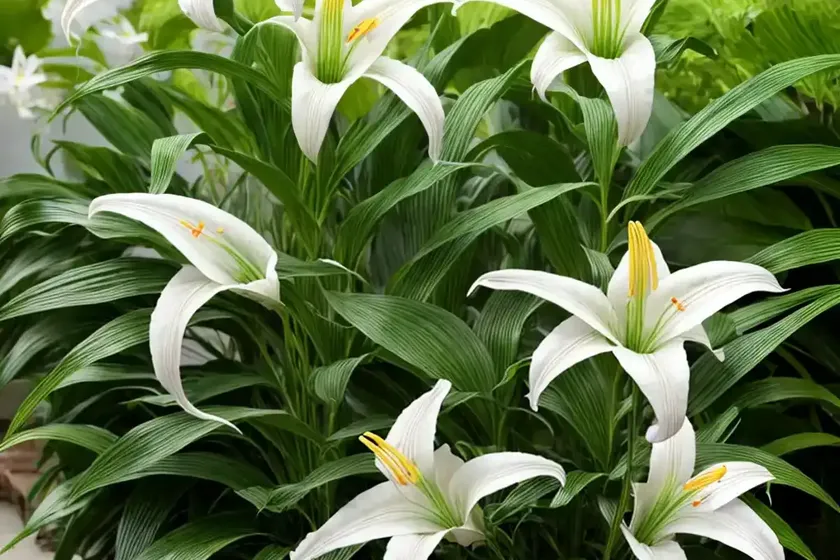
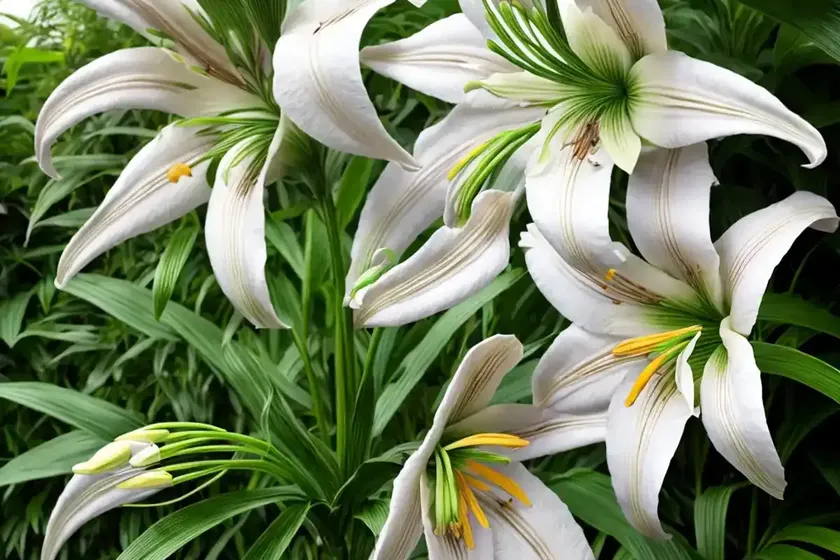
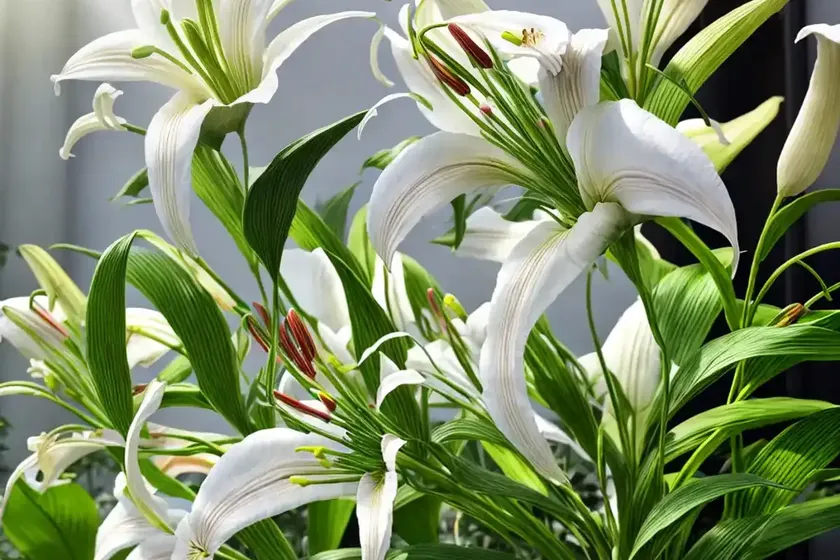
Lilium Triumphator, also known as the Longiflorum Oriental Hybrid Lily, is a stunning ornamental plant that has captivated the hearts of many gardeners and floral enthusiasts. Renowned for its elegant and fragrant blooms, this hybrid lily has become a popular choice for both professional landscapers and home gardeners. In this comprehensive guide, we will delve into the various aspects of the Lilium Triumphator, including its culture, uses, care requirements, propagation, and more.
What is Lilium Triumphator?
Lilium Triumphator, a member of the Lilium genus, is a spectacular hybrid lily that combines the desirable traits of the Longiflorum and Oriental lily varieties. With its striking appearance and enchanting fragrance, this ornamental plant has become a favorite in gardens, floral arrangements, and landscaping projects. Its tall stems adorned with large, trumpet-shaped flowers make it a showstopper in any setting.
Key Takeaways – Lilium Triumphator (Longiflorum Oriental Hybrid Lily)
Before delving into the specifics of the Lilium Triumphator, let’s highlight some key takeaways about this captivating plant:
- Botanical Name: Lilium Triumphator
- Common Names: Triumphator Lily, Longiflorum Oriental Hybrid Lily
- Plant Type: Perennial, Bulbous Plant
- Height: 3 to 4 feet (0.9 to 1.2 meters)
- Flower Color: White with Pink, Yellow, or Purple Blush
- Fragrance: Highly Fragrant
- Hardiness Zones: 4 to 8
- Bloom Time: Mid to Late Summer
Now that we have an overview of Lilium Triumphator, let’s explore the various aspects of its cultivation, care, and uses.
Culture of Lilium Triumphator
Cultivating Lilium Triumphator involves understanding its specific cultural requirements to ensure its optimal growth and blooming potential. From soil conditions to sunlight exposure, each aspect plays a crucial role in the overall health and vitality of the plant.
Uses
Lilium Triumphator serves several purposes, making it a versatile addition to gardens and landscapes. Some common uses of this hybrid lily include:
-
Ornamental Purposes: The captivating blooms of Lilium Triumphator make it a popular choice for ornamental gardening, where it serves as a focal point in flower beds, borders, and containers.
-
Cut Flowers: The long, sturdy stems and enchanting fragrance of the blooms make Lilium Triumphator an ideal choice for cut flower arrangements, adding elegance and charm to floral displays.
-
Landscaping: In larger landscapes and garden designs, Lilium Triumphator can be used to create stunning visual impacts, especially when planted in groups or clusters.
Water
Proper watering is essential for the health and vigor of Lilium Triumphator. Consistent moisture levels are crucial, especially during the growing season and blooming period. The following watering guidelines can help maintain the plant’s hydration needs:
-
Regular Watering: Ensure that the soil remains consistently moist, but not waterlogged, especially during the active growth phase and flowering period.
-
Deep Watering: When watering, aim to moisten the soil to a depth of at least 6 inches to encourage the development of deep roots and enhance drought tolerance.
-
Mulching: Applying a layer of organic mulch around the base of the plant helps retain soil moisture and regulate the temperature of the root zone.
Sunlight
Lilium Triumphator thrives in locations that receive ample sunlight, although some protection from intense midday sun may be beneficial, especially in warmer regions. Here are some sunlight-related considerations for this hybrid lily:
-
Optimal Sun Exposure: Plant Lilium Triumphator in areas that receive full morning sun and partial afternoon shade, particularly in regions with hot summers.
-
Shelter from Strong Winds: While it appreciates sunlight, the plant benefits from some shelter from strong winds to prevent damage to its tall stems and delicate blooms.
-
Orientation: Ensure that the planting site allows the plant to receive sufficient sunlight without being exposed to excessive heat or prolonged periods of intense sun.
Fertilizer
Proper fertilization is key to promoting vigorous growth and abundant blooms in Lilium Triumphator. Using a balanced and suitable fertilizer can provide the plant with the essential nutrients it needs to thrive. Consider the following fertilizer practices for optimal results:
-
Slow-Release Fertilizer: Incorporate a slow-release fertilizer into the soil at planting time to provide a consistent supply of nutrients throughout the growing season.
-
Balanced Formula: Choose a fertilizer with a balanced NPK (nitrogen, phosphorus, and potassium) ratio, specifically formulated for flowering plants to support healthy foliage and prolific blooms.
-
Application Frequency: Apply a top-dressing of fertilizer in early spring and again after the plant has finished blooming to replenish its nutrient reserves.
Soil
The soil in which Lilium Triumphator is planted significantly impacts its overall health and performance. Well-draining, nutrient-rich soil provides the foundation for strong roots and robust growth. Consider the following soil-related recommendations when cultivating this hybrid lily:
-
Well-Drained Soil: Ensure that the planting site has well-drained soil to prevent waterlogging, which can lead to root rot and other moisture-related issues.
-
Organic Matter: Incorporating organic matter such as compost or well-rotted manure into the soil enhances its fertility and structure, providing an ideal growing medium for the plant.
-
pH Level: Aim for a slightly acidic to neutral soil pH range of 6.0 to 7.0, as Lilium Triumphator thrives in these conditions, facilitating nutrient uptake and overall health.
Pruning Lilium Triumphator
Pruning plays a pivotal role in maintaining the form, health, and vitality of Lilium Triumphator. Proper pruning practices can help remove spent blooms, control the spread of diseases, and promote vigorous regrowth. Here are some essential pruning tips for this hybrid lily:
-
Deadheading: Remove spent flowers promptly to prevent the plant from expending energy on seed production, encouraging the development of new blooms.
-
Stem Pruning: Trim any damaged or diseased stems using sterilized pruning shears to prevent the spread of infections and maintain a tidy appearance.
-
Foliage Maintenance: As the foliage begins to yellow and wither after blooming, carefully trim the leaves, allowing the plant to channel its energy into storing nutrients for the following growing season.
Propagation of Lilium Triumphator
Propagating Lilium Triumphator allows for the expansion of its presence in the garden and the creation of new plants from existing stock. Several methods can be employed to propagate this hybrid lily, including bulb division and stem bulbils. Here’s a brief overview of the propagation techniques for Lilium Triumphator:
Bulb Division
-
Timing: Divide the bulbs in late summer or early fall, once the plant has completed its blooming cycle and the foliage begins to senesce.
-
Process: Carefully dig up the bulbs, ensuring that each division has a portion of the basal plate and several scales. Plant the divisions at the appropriate depth and spacing.
-
Curing: Allow the divisions to cure for a few hours before planting to allow the wound to callus, reducing the risk of rot and infections.
Stem Bulbils
-
Harvesting: Once the stem bulbils have formed at the leaf axils, carefully detach them from the parent plant and prepare them for planting.
-
Planting: Plant the bulbils in a suitable growing medium at a shallow depth, ensuring that they receive adequate moisture and warmth for successful establishment.
-
Cultivation: Provide the bulbils with consistently moist soil and partial shade as they develop into new bulbous plants, ensuring their ongoing care and maintenance.
Lilium Triumphator in Containers
Lilium Triumphator can also thrive in container gardens, allowing individuals with limited garden space to enjoy the beauty of this ornamental plant. When cultivating it in containers, several considerations should be taken into account to ensure its success:
-
Container Size: Select a container that provides ample room for the growth of the plant and accommodates its extensive root system without becoming overcrowded.
-
Drainage: Ensure that the container has sufficient drainage holes to prevent waterlogging, as excess moisture can lead to root rot and other complications.
-
Growing Medium: Use a well-draining potting mix tailored for bulbous plants, providing the necessary nutrients and aeration for healthy growth.
-
Watering Needs: Containers may dry out faster than garden soil, so monitor the moisture levels closely and water the plant as needed to maintain consistent soil moisture.
Popularity of Lilium Triumphator
Lilium Triumphator has gained popularity among gardeners and floral enthusiasts due to its remarkable attributes and captivating beauty. Its widespread appeal is evident in its presence in gardens, floral arrangements, and landscaping projects around the world. The combination of the desirable characteristics of its Longiflorum and Oriental parents has made it a sought-after addition to diverse horticultural settings.
Common Diseases of Lilium Triumphator
While Lilium Triumphator is generally a resilient plant, it may be susceptible to certain diseases that can affect its overall health and blooming performance. Understanding the common diseases and their management can help protect the plant from potential threats. Some prevalent diseases of Lilium Triumphator include:
-
Botrytis Blight: This fungal disease can cause wilting, yellowing, and decay of the foliage and flowers. Proper ventilation and careful watering can help prevent its occurrence.
-
Powdery Mildew: Characterized by a white, powdery growth on the leaves, powdery mildew can be managed by improving air circulation and applying fungicidal treatments if necessary.
-
Viral Diseases: Viruses such as lily symptomless virus (LSV) can affect the plant, leading to stunted growth, distorted foliage, and reduced vigor. Preventing the introduction of infected plant material is crucial for virus management.
Disease Diagnosis and Management
Diagnosing and managing diseases in Lilium Triumphator involves a proactive approach that includes proper sanitation, cultural practices, and, if necessary, targeted treatments. Early detection and intervention are crucial in mitigating the impact of diseases on the plant. Here are some key strategies for disease diagnosis and management:
-
Regular Monitoring: Inspect the plant regularly for any signs of disease, including unusual spotting, discoloration, or wilting, and take appropriate action if symptoms are observed.
-
Sanitation: Remove and dispose of any infected plant material, including foliage and blooms, to prevent the spread of diseases within the garden or landscape.
-
Cultural Practices: Implement good cultural practices, such as proper watering, adequate spacing, and appropriate fertilization, to maintain the plant’s overall health and resilience to diseases.
-
Treatment Options: In cases of severe disease infestations, consider using targeted fungicidal or viral treatments, following the manufacturer’s recommendations for application and safety.
Common Pests Affecting Lilium Triumphator
Lilium Triumphator may also face challenges from various pests that can impact its growth and blooming. Recognizing these common pests and implementing appropriate pest management strategies is essential to safeguard the plant’s well-being. Some prevalent pests affecting Lilium Triumphator include:
-
Aphids: These tiny, sap-sucking insects can infest the plant, causing yellowing of leaves and distorted growth. They can be managed through the application of insecticidal soaps or horticultural oils.
-
Lily Leaf Beetles: The larvae and adults of these beetles feed on the foliage, leading to significant damage. Handpicking and applying neem oil or botanical insecticides can help control their populations.
-
Red Lily Leaf Beetles: Similar to the lily leaf beetles, these pests can be managed using cultural practices, such as removing and destroying affected foliage, and applying targeted control measures as needed.
Botanist’s Tips for Growing Lilium Triumphator
For gardeners and enthusiasts looking to cultivate Lilium Triumphator successfully, incorporating the following botanist’s tips can contribute to the plant’s overall health, vigor, and blooming performance:
-
Soil Preparation: Ensure the soil is well-drained and rich in organic matter before planting the bulbs to provide an optimal growing environment for the plant.
-
Staking: Consider staking the tall stems of Lilium Triumphator to provide support and prevent them from bending or breaking, especially in exposed or windy locations.
-
Mulching: Apply a layer of organic mulch around the base of the plant to conserve soil moisture, suppress weed growth, and insulate the root zone from temperature fluctuations.
-
Companion Planting: Surround Lilium Triumphator with companion plants that complement its growth habits and environmental preferences, creating a harmonious and aesthetically pleasing garden display.
-
Continuous Care: Regularly monitor the plant for any signs of stress, disease, or pest infestations, and provide ongoing care to ensure its vitality and longevity in the garden.
Fun Facts about Lilium Triumphator
As we delve into the world of Lilium Triumphator, it’s fascinating to uncover some fun and intriguing facts about this captivating hybrid lily. Here are a few noteworthy fun facts about Lilium Triumphator:
-
Fragrance Power: The enchanting fragrance of Lilium Triumphator has been described as a blend of sweet floral notes with subtle spicy undertones, adding an aromatic allure to its blooms.
-
Historical Significance: Lilium Triumphator has been cultivated for centuries, with its beauty and symbolism making it a perennial favorite in gardens, bouquets, and cultural traditions around the world.
-
Color Variations: While the classic coloration of Lilium Triumphator features white blooms with subtle blushes of pink, yellow, or purple, there are specialized cultivars boasting unique color variations and patterns.
-
Cultural Symbolism: This ornamental lily is often associated with notions of purity, renewal, and prosperity, finding its place in various cultural and ceremonial contexts across different regions.
-
Thriving Elegance: Lilium Triumphator has a remarkable ability to thrive and bloom profusely, making it a resilient and elegant addition to gardens, landscapes, and floral creations.
Links to External Resources
For further exploration and in-depth information about Lilium Triumphator, consider the following resources:
- Royal Horticultural Society – Lilium Triumphator
- American Lily Society
- University of Minnesota Extension – Growing Lilies
This comprehensive guide provides a detailed insight into the captivating world of Lilium Triumphator, covering its culture, care, propagation, and much more. Whether you’re a seasoned gardener or a budding enthusiast, the allure of this Longiflorum Oriental Hybrid Lily is sure to captivate your gardening endeavors and floral pursuits. Embrace the beauty and elegance of Lilium Triumphator as it graces your garden with its enchanting presence and timeless charm.


