Ligustrum Vulgare (Common Privet)
Ligustrum vulgare, commonly known as the Common Privet, is an evergreen shrub that belongs to the Oleaceae family. This versatile plant is popularly used.
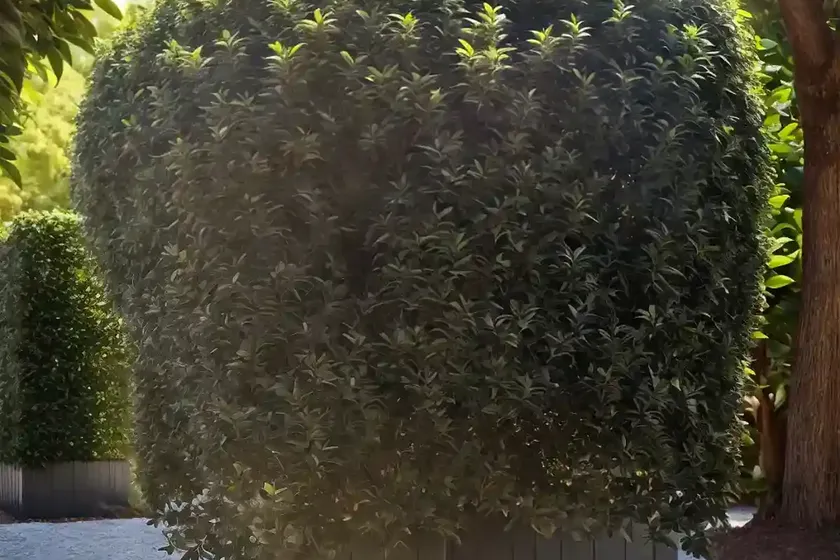
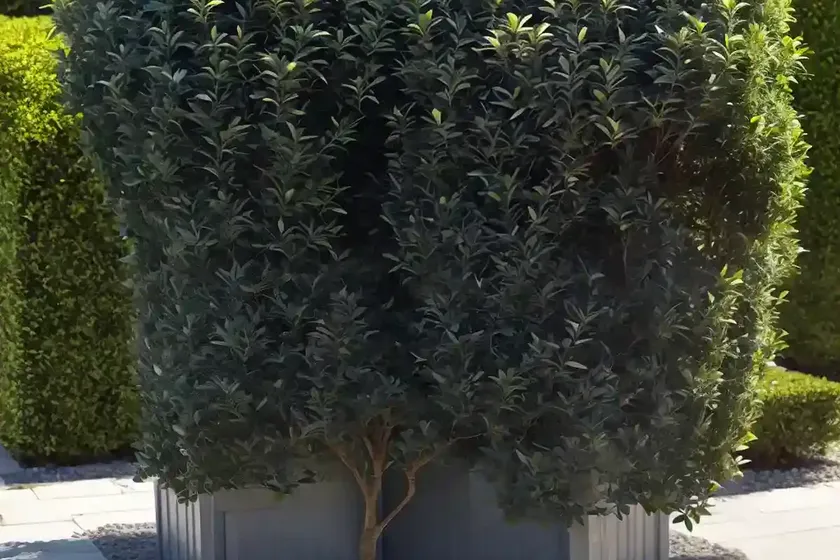
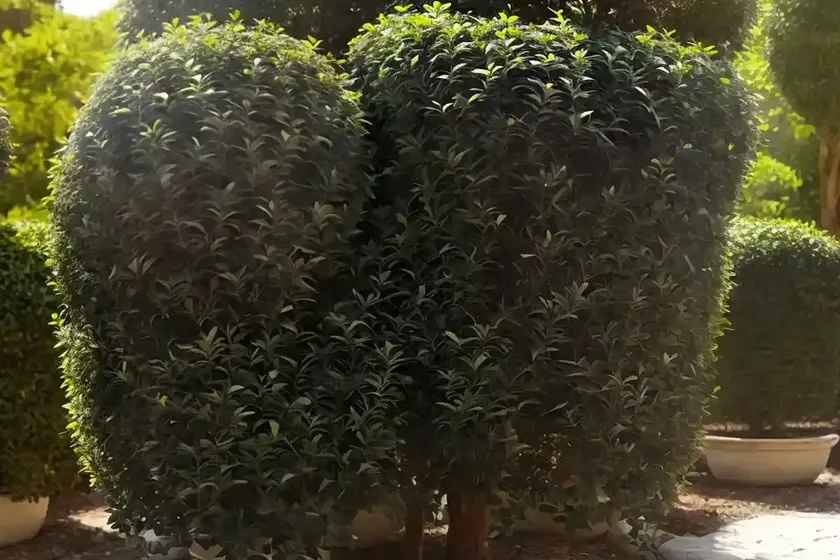
Ligustrum vulgare, commonly known as the Common Privet, is an evergreen shrub that belongs to the Oleaceae family. This versatile plant is popularly used as a hedge plant and is renowned for its dense foliage and moderate growth rate. In this comprehensive guide, we will delve into the various aspects of the Ligustrum vulgare, including its culture, uses, maintenance, and ecological significance.
What is Ligustrum Vulgare?
Ligustrum vulgare, or Common Privet, is an ornamental plant that is native to the regions of Europe and North Africa. It is widely cultivated for its attractive, dark green foliage and its ability to form dense hedges. This versatile shrub is characterized by its small white flowers and blackish berries, which add ornamental value to the plant.
The Common Privet is a relatively low-maintenance plant, making it a popular choice for landscape design and hedging purposes. Its adaptability to various soil conditions and its tolerance to pruning make it a sought-after plant for both novice and experienced gardeners.
Key Takeaways – Ligustrum Vulgare (Common Privet)
Before delving into the detailed care and cultivation practices of Ligustrum vulgare, let’s summarize the key takeaways associated with this plant.
- Ligustrum Vulgare Varieties: There are several varieties of the Ligustrum vulgare, each with its own unique characteristics and growth habits.
- Uses: Common Privet is commonly used as a hedge plant, but it also has ornamental value and can be incorporated into landscape designs.
- Water: It requires moderate watering, especially during its establishment phase and dry periods.
- Sunlight: Common Privet thrives in full sun to partial shade, making it adaptable to various light conditions.
- Fertilizer: It benefits from regular fertilization to support its growth and foliage development.
- Soil: It is adaptable to different soil types, but well-draining soil with organic matter is ideal for its growth.
- Pruning: Regular pruning is essential to maintain its shape and density, and to promote flowering.
- Propagation: Common Privet can be propagated through seeds, cuttings, or by layering.
- Container Popularity: While it is primarily used for hedging, Common Privet can also be cultivated in containers for ornamental purposes.
- Common Diseases: It is susceptible to specific diseases such as powdery mildew and sooty mold.
- Common Pests: Aphids, scale insects, and spider mites are common pests that affect the Common Privet.
- Botanist’s Tips: Planting in well-draining soil, suitable pruning, and regular monitoring for pests and diseases are essential for the optimal growth of Ligustrum vulgare.
- Fun Facts: Common Privet has ecological importance and is known for its medicinal uses and folklore.
Now, let’s dive into each of these aspects in more detail to gain a thorough understanding of this remarkable plant.
Culture
Water
Proper watering is essential for the healthy growth of Ligustrum vulgare. During its establishment phase, the plant requires regular watering to ensure adequate moisture for root development. Once established, the Common Privet displays moderate drought tolerance, but it thrives when provided with consistent moisture, especially during dry periods.
Watering Tips for Ligustrum Vulgare:
– Water newly planted Common Privet shrubs regularly to keep the soil consistently moist.
– During the growing season, check the soil moisture regularly and water when the top inch of the soil feels dry to the touch.
– Avoid overwatering, as it can lead to root rot and other water-related issues.
Sunlight
Ligustrum vulgare thrives in a variety of light conditions, ranging from full sun to partial shade. This adaptability makes it a versatile plant for different landscape settings. However, it tends to produce denser foliage and more abundant flowering when grown in full sunlight.
Sunlight Requirements:
– Full Sun: Provides optimal conditions for robust growth and abundant flowering.
– Partial Shade: Tolerates partial shade, but may result in slightly less dense growth and fewer flowers.
Fertilizer
Regular fertilization is beneficial for promoting the healthy growth and development of Ligustrum vulgare. A balanced, slow-release fertilizer applied during the growing season provides the necessary nutrients for the plant to thrive. Additionally, organic matter can be incorporated into the soil to improve its fertility and structure.
Fertilizing Tips:
– Apply a balanced, slow-release fertilizer in early spring to support the plant’s growth and flowering.
– Avoid over-fertilization, as it can lead to excessive vegetative growth at the expense of flowering.
– Incorporate organic matter such as compost into the soil during planting to enhance soil fertility.
Soil
Ligustrum vulgare is adaptable to a wide range of soil types, but it thrives in well-draining soil with good fertility. The presence of organic matter in the soil promotes healthy root development and overall plant vigor.
Soil Requirements:
– Well-Draining Soil: Prevents waterlogging and ensures adequate aeration for the roots.
– Fertile Soil: Incorporation of organic matter enhances soil fertility and provides essential nutrients.
Pruning
Regular pruning is essential for maintaining the desired shape, density, and size of Ligustrum vulgare hedges or individual shrubs. Pruning also promotes flowering and helps to rejuvenate the plant by stimulating new growth. The timing and frequency of pruning depend on the specific requirements and aesthetic preferences of the gardener.
Pruning Tips:
– Prune Ligustrum vulgare in late winter or early spring before new growth begins.
– Use sharp, clean pruning tools to make precise cuts and avoid damaging the plant.
– Regularly remove any dead, diseased, or damaged branches to maintain plant health.
Propagation
Ligustrum vulgare can be propagated through various methods, including seeds, cuttings, and layering. Each propagation method has its own set of requirements and benefits, allowing gardeners to choose the most suitable technique based on their preferences and the availability of resources.
Propagation Methods:
– Seeds: Collect seeds from mature Common Privet plants, sow them in a well-prepared seedbed or container, and provide suitable conditions for germination.
– Cuttings: Take semi-hardwood cuttings from healthy plants, treat them with rooting hormone, and provide the right environment for root development.
– Layering: Encourage the development of roots on a low-growing stem while it is still attached to the parent plant, and then separate it to form a new plant.
Container Popularity
While Ligustrum vulgare is primarily used as a hedging plant, it also holds appeal for container cultivation. When grown in containers, it can be shaped and maintained for ornamental purposes, adding greenery and structure to patios, balconies, and other outdoor spaces.
Container Gardening Tips:
– Choose a large container with adequate drainage holes to accommodate the plant’s root system.
– Use a well-draining potting mix and provide regular fertilization for optimal growth.
– Prune and shape the plant as necessary to maintain its compact form and ornamental appeal.
Uses
Landscape Design
Ligustrum vulgare is popularly used in landscape design for its versatility and aesthetic appeal. Whether used as a formal hedge, a specimen plant, or integrated into mixed borders, its dense foliage and moderate growth rate make it a valuable addition to various landscape settings.
Landscape Uses:
– Formal Hedges: Common Privet is renowned for its use in creating formal hedges due to its dense growth habit and responsive nature to pruning.
– Specimen Planting: It can be used as a standalone focal point in the landscape to showcase its attractive foliage and flowers.
– Mixed Borders: Incorporate the Common Privet into mixed borders to provide structure, texture, and evergreen interest.
Medicinal Uses and Folklore
Beyond its ornamental value, Ligustrum vulgare has historical significance due to its traditional medicinal uses and folklore. In traditional remedies, the plant has been used for various purposes, ranging from herbal treatments to symbolic meanings in different cultures.
Medicinal and Folklore Significance:
– Traditional Remedies: The berries and leaves of the Common Privet have been historically used in herbal medicine for their purported medicinal properties.
– Symbolic Meanings: In folklore and different cultures, the Common Privet has been associated with symbolic meanings and uses, often related to protection and purification.
Ecological Importance
Ligustrum vulgare, while a popular ornamental plant, also holds ecological importance due to its ability to attract wildlife and its potential role in the ecosystem. As an evergreen shrub, it provides shelter and foraging opportunities for various bird species and insects.
Wildlife Attraction:
– Birds: The dense foliage and berries of Ligustrum vulgare attract birds, providing them with shelter and a potential food source.
– Insects: The fragrant flowers and foliage of the plant attract pollinators such as bees and butterflies, contributing to local biodiversity.
Common Diseases and Pests
Disease Diagnosis
Ligustrum vulgare is susceptible to certain diseases, with powdery mildew and sooty mold being among the most common issues that may affect this plant. Identifying the symptoms and signs of these diseases is crucial for implementing timely and effective management strategies.
Common Diseases:
– Powdery Mildew: This fungal disease appears as a powdery white coating on the leaves, often leading to distorted growth and reduced plant vigor. It thrives in warm, dry environments.
– Sooty Mold: Sooty mold, a black fungal growth, occurs as a secondary issue on plants affected by honeydew-producing insects such as aphids and scale insects.
Disease Management
Preventive measures and timely interventions are crucial for managing and controlling diseases that may affect Ligustrum vulgare. Implementing cultural practices and, when necessary, using appropriate treatments help to safeguard the plant’s health.
Disease Management Strategies:
– Pruning: Regularly remove affected plant parts to improve air circulation and reduce favorable conditions for disease development.
– Fungicidal Treatments: When necessary, apply fungicidal treatments following the manufacturer’s recommendations to address powdery mildew and other fungal issues.
Common Pests
Aphids, scale insects, and spider mites are common pests that may target Ligustrum vulgare, potentially causing damage to the plant. Monitoring for signs of pest infestations and implementing suitable control measures are essential for protecting the plant from pest-related stress.
Common Pests:
– Aphids: These small, sap-sucking insects can cause stunted growth and distorted leaves when present in large numbers.
– Scale Insects: Scale insects appear as small, immobile bumps on the stems and leaves, often excreting honeydew, which can lead to sooty mold.
– Spider Mites: These tiny pests can cause stippling and webbing on the foliage, leading to a decline in plant health.
Pest Management Strategies:
– Monitoring: Regularly inspect the plant for signs of pest activity, such as distorted growth, sticky honeydew, or stippling on the leaves.
– Natural Predators: Encourage the presence of natural predators such as ladybugs and lacewings, which feed on aphids and other common pests.
– Horticultural Oils: When pest populations are low, horticultural oils can be used to suffocate and control aphids, scale insects, and spider mites.
Botanist’s Tips
As a plant scientist with a passion for promoting the optimal growth and care of plants, here are some essential tips for cultivating and maintaining Ligustrum vulgare:
- Well-Draining Soil: Ensure that the plant is cultivated in well-draining soil to prevent waterlogging and root-related issues.
- Appropriate Pruning: Regular and appropriate pruning helps to maintain the desired shape and density of the Common Privet, promoting healthy growth and flowering.
- Vigilant Monitoring: Regularly monitor the plant for signs of diseases and pest infestations, addressing any issues promptly to prevent their spread.
- Regular Watering: While the plant displays moderate drought tolerance, consistent moisture is beneficial for its overall health and growth.
Fun Facts
Ecological Significance
- Ligustrum vulgare is known for its ecological importance, attracting wildlife such as birds and pollinators, thereby contributing to local biodiversity.
- As an evergreen shrub, it provides year-round shelter and foraging opportunities for various bird species, enhancing the ecological value of the landscape.
Traditional Remedies
- The berries and leaves of Ligustrum vulgare have been historically used in traditional remedies for their purported medicinal properties.
- In various cultures, the plant has been associated with folklore and symbolic meanings, reflecting its multifaceted significance beyond its ornamental value.
Links to External Resources
For further information on Ligustrum vulgare and related topics, explore the following reliable external resources:
- Royal Horticultural Society – Ligustrum
- Missouri Botanical Garden – Ligustrum Vulgare
- University of Florida IFAS Extension – Privet
In conclusion, Ligustrum vulgare, or Common Privet, is a versatile and valuable plant with its uses ranging from ornamental purposes to ecological significance. By understanding its cultural requirements, disease management strategies, and ecological importance, gardeners can cultivate and maintain healthy and vibrant Common Privet shrubs, contributing to the beauty and biodiversity of the landscape.
References:
1. RHS. “Ligustrum Vulgare (Wild Privet).” Royal Horticultural Society, 2022, https://www.rhs.org.uk/Plants/12747/Ligustrum-vulgare/Details.
2. Missouri Botanical Garden. “Ligustrum Vulgare.” Missouri Botanical Garden, http://www.missouribotanicalgarden.org/PlantFinder/PlantFinderDetails.aspx?taxonid=266425&isprofile=0&.
3. University of Florida IFAS Extension. “Privet.” University of Florida IFAS Extension, 2009, https://edis.ifas.ufl.edu/pdffiles/FP/FP13100.pdf.


