Ligustrum Japonicum (Japanese Privet)
Ligustrum japonicum, commonly known as Japanese privet, is a versatile and resilient evergreen shrub. With its glossy, dark green foliage and fragrant.

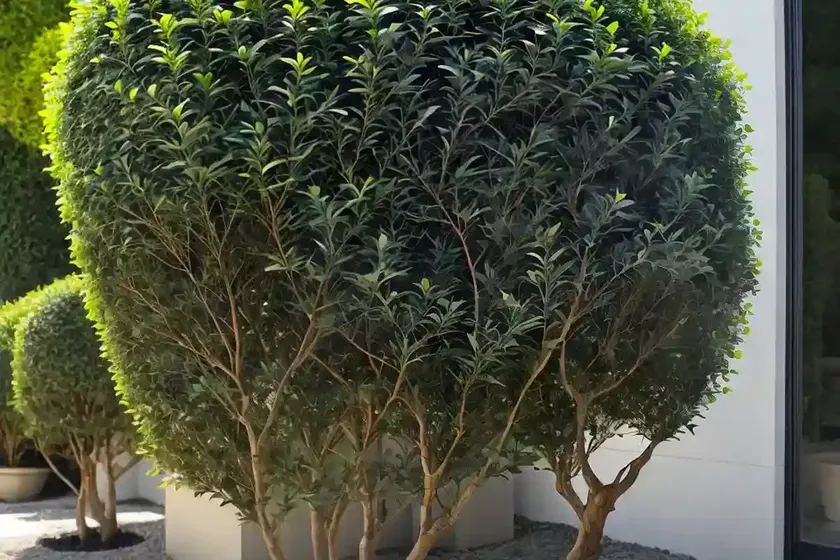
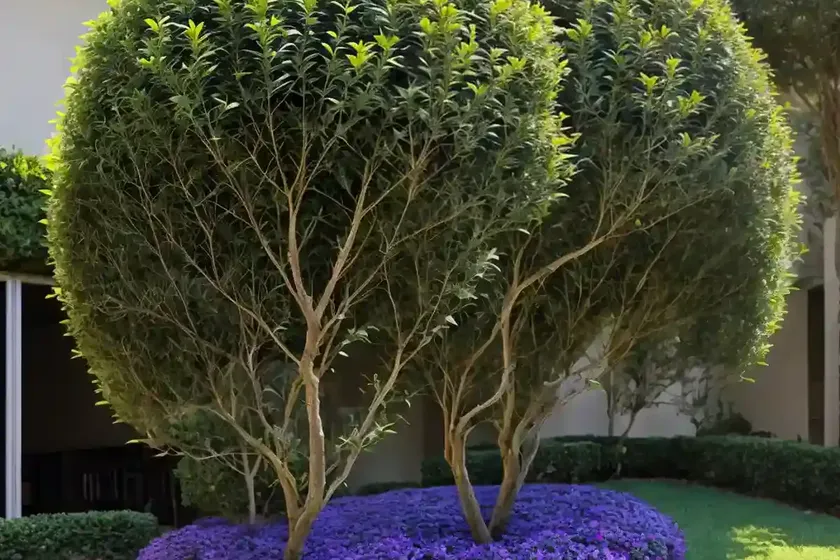
Ligustrum japonicum, commonly known as Japanese privet, is a versatile and resilient evergreen shrub. With its glossy, dark green foliage and fragrant white flowers, it has become a popular choice for landscapes and gardens around the world. In this comprehensive guide, we will delve into the various aspects of Ligustrum japonicum, including its cultural requirements, uses, maintenance tips, diseases, pests, and much more. By the end of this article, you will have a thorough understanding of how to care for Ligustrum japonicum and maximize its potential in your garden or landscape design.
What is Ligustrum japonicum?
Ligustrum japonicum, belonging to the Oleaceae family, is native to Japan and Eastern Asia. It is a dense, fast-growing, and upright shrub that can reach a height of 10 to 15 feet with a spread of 5 to 8 feet at maturity. Japanese privet is valued for its lustrous, leathery leaves and the clusters of small, creamy-white flowers it produces in late spring and early summer. These flowers give way to black, berry-like fruits in the fall, adding visual interest to the plant.
Ligustrum japonicum is often used as a hedge, screen, or border plant, thanks to its dense growth habit and tolerance to pruning. Its adaptability to various soil types and environmental conditions makes it a popular choice for both novice and experienced gardeners.
Key Takeaways – Ligustrum japonicum (Japanese Privet)
Before we dive deeper into the specifics of growing and caring for Ligustrum japonicum, let’s outline some key takeaways about this versatile plant.
Culture
- Ligustrum japonicum is a versatile evergreen shrub with glossy, dark green leaves and white, fragrant flowers.
- It is native to Japan and Eastern Asia and is valued for its adaptability to different soil types and environmental conditions.
- Japanese privet is commonly used as a hedge, screen, or border plant due to its dense growth habit and tolerance to pruning.
Uses
- Ligustrum japonicum is often used in landscape design to create privacy hedges, windbreaks, or as a backdrop for other garden plants.
- It can also be trained as a specimen plant or integrated into mixed shrub borders for visual interest and structure.
Water
- Japanese privet has moderate water needs and prefers well-draining soil.
- While it can tolerate drought once established, regular watering is essential, especially during periods of prolonged heat or dryness.
Sunlight
- Ligustrum japonicum thrives in full sun to partial shade. It can tolerate a wide range of light conditions but performs best in well-lit areas.
Fertilizer
- Fertilize Japanese privet in early spring with a balanced, slow-release fertilizer to support healthy growth and flowering.
- Avoid excessive fertilization, as it can lead to overly lush foliage at the expense of flower production.
Soil
- Ligustrum japonicum adapts well to various soil types, including clay, loam, and sandy soils, as long as they are well-draining.
- Maintain soil pH between 6.0 and 7.5 for optimal growth and nutrient uptake.
Pruning
- Regular pruning is essential to maintain the desired shape and size of Ligustrum japonicum hedges or individual plants.
- Strongly consider the natural growth habit and shape of the plant when pruning to avoid excessive shearing, which can compromise its health and aesthetic appeal.
Propagation
- Ligustrum japonicum can be propagated from semi-ripe cuttings taken in mid-summer or hardwood cuttings taken in late autumn or winter.
- Rooting hormone application and consistent moisture levels are crucial for successful propagation.
Container Popularity
- Japanese privet is well-suited for container gardening, especially in areas where it may be invasive if planted directly in the ground.
- Choose a large container with drainage holes and use a well-draining potting mix to support healthy growth.
With these key takeaways in mind, let’s explore each aspect of growing and caring for Ligustrum japonicum in more detail.
Water
Proper watering is essential for the health and vigor of Ligustrum japonicum. While it is known to be moderately drought-tolerant once established, consistent moisture is crucial, especially during its early years and in periods of prolonged dryness. When watering Japanese privet, it’s important to strike a balance to avoid both waterlogging and drought stress.
Watering Guidelines
- Established Plants: Water deeply and thoroughly during extended dry spells, providing at least 1 to 1.5 inches of water per week.
- Young Plants: Newly planted Japanese privet should be watered more frequently to support root establishment. Water every 2-3 days for the first few weeks, then gradually transition to a regular watering schedule.
Watering Practices
- Morning Watering: Water in the morning to allow foliage to dry before evening, reducing the risk of foliar diseases.
- Check Soil Moisture: Before watering, check the soil moisture by inserting a finger into the soil. If the top inch feels dry, it’s time to water.
Automatic Irrigation
- Consider installing an automatic drip irrigation system for large hedges or multiple Ligustrum japonicum plants to ensure consistent and efficient watering.
By providing adequate moisture, you can ensure the healthy growth and vitality of Ligustrum japonicum in your garden or landscape.
Sunlight
Ligustrum japonicum is remarkably adaptable when it comes to sunlight, thriving in both full sun and partial shade. Its ability to tolerate a wide range of light conditions makes it suitable for various garden settings, from open, sunny landscapes to partially shaded urban gardens.
Sun Exposure Needs
- Full Sun: Japanese privet performs best when grown in full sun, receiving at least 6-8 hours of direct sunlight per day. In such conditions, it tends to produce denser foliage and more abundant flowering.
- Partial Shade: Ligustrum japonicum can also thrive in partially shaded areas, making it a versatile option for landscapes with dappled sunlight or filtered shade.
Sunlight Considerations
-
Natural Habitat: In its native environment, Ligustrum japonicum is often found growing in woodland edges and open areas, where it encounters varying light intensities. This adaptability has contributed to its success as a garden plant.
-
Leaf Coloration: The foliage of Japanese privet may vary in color and texture based on the light exposure it receives. Full sun typically promotes darker, lustrous green leaves, while partial shade can result in slightly lighter foliage.
By providing the appropriate sunlight conditions, you can optimize the performance and aesthetic appeal of Ligustrum japonicum in your garden.
Fertilizer
Proper fertilization plays a vital role in supporting the growth, flowering, and overall health of Ligustrum japonicum. By providing essential nutrients, you can ensure that the plant remains vigorous and resilient throughout the growing season.
Fertilizer Application
-
Timing: Apply a balanced, slow-release fertilizer to Japanese privet in early spring, just before the onset of new growth. This timing supports the plant’s nutrient needs as it emerges from dormancy.
-
Avoid Late-season Fertilization: Refrain from fertilizing Ligustrum japonicum in late summer or early fall, as it can stimulate new growth that may be vulnerable to frost damage in colder regions.
-
Organic Amendments: Consider incorporating organic matter such as compost or well-rotted manure into the soil around the base of the plant to improve soil fertility naturally.
Fertilizer Selection
-
Balanced Formulation: Choose a well-balanced fertilizer with equal N-P-K (nitrogen, phosphorus, potassium) ratios or a ratio of 10-10-10 to provide a comprehensive blend of nutrients.
-
Slow-release Formulation: Opt for a slow-release fertilizer to provide a steady supply of nutrients over an extended period, reducing the risk of nutrient leaching and potential root burn.
Application Tips
-
Even Distribution: Spread the fertilizer evenly over the root zone of Ligustrum japonicum, keeping it at least 6-8 inches away from the base of the plant.
-
Watering After Application: Water the area thoroughly after applying the fertilizer to help it dissolve and reach the root system.
By following a balanced and mindful approach to fertilization, you can promote robust growth and beautiful flowering in your Ligustrum japonicum plants.
Soil
Ligustrum japonicum showcases impressive adaptability to various soil types, making it suitable for a wide range of garden settings. It can thrive in clay, loam, or sandy soils, as long as they offer good drainage and a hospitable growing environment for the plant’s root system.
Soil Requirements
-
Well-draining Soil: Ensure that the soil in which Ligustrum japonicum is planted provides adequate drainage to prevent waterlogging and root suffocation.
-
Moisture Retention: While well-draining, the soil should also retain sufficient moisture to support the plant’s water needs, especially during dry periods.
-
Soil pH: Maintain soil pH between 6.0 and 7.5 for optimal growth and nutrient uptake by the plant. If necessary, amend the soil with lime to raise pH or elemental sulfur to lower it.
-
Soil Amendments: Improve soil structure and fertility by incorporating organic matter such as compost, leaf mold, or well-rotted manure into the planting area.
Container Cultivation
- For container gardening, use a well-draining potting mix that provides excellent aeration and moisture retention. Amend the mix with perlite or coarse sand if necessary to enhance drainage.
By ensuring that Ligustrum japonicum is planted in a suitable soil environment, you can facilitate healthy growth and resilience in your garden or landscape.
Pruning
Proper pruning is essential for maintaining the size, shape, and overall health of Ligustrum japonicum. By understanding the best pruning techniques and timing for this plant, you can ensure that it remains visually appealing and well-structured in your garden or as part of your landscape design.
Pruning Techniques
-
Shaping Hedges: For Ligustrum japonicum used as a hedge or screen, regular shearing is often employed to maintain a neat and formal appearance. Use hedge trimmers to achieve a uniform shape and size.
-
Natural Habit Pruning: When pruning individual plants, consider the natural growth habit of the Japanese privet. Complement its natural form by selectively removing wayward or crossing branches to enhance the plant’s structure.
-
Thinning Out: Periodically thin out the interior of the plant to improve air circulation and light penetration, reducing the risk of disease and promoting overall plant health.
Pruning Timing
-
Spring Pruning: Conduct major pruning or rejuvenation pruning in early spring just before the start of the growing season. This timing allows the plant to recover and produce new growth more efficiently.
-
Maintenance Pruning: Throughout the growing season, perform light maintenance pruning as needed to remove dead, damaged, or overgrown branches.
Pruning Best Practices
-
Prevent Over-pruning: Avoid excessive shearing, as it can lead to the development of dense outer foliage at the expense of inner growth, resulting in a less resilient and visually unattractive hedge or shrub.
-
Use Sharp Tools: Always use sharp, clean pruning tools to make clean cuts, minimizing the risk of tearing or injuring the plant tissue.
By implementing proper pruning practices, you can maintain the health, vigor, and aesthetic appeal of Ligustrum japonicum in your garden or landscape setting.
Propagation
Ligustrum japonicum can be successfully propagated through various methods, including softwood and hardwood cuttings, as well as seed propagation. By understanding the propagation techniques and best practices for Japanese privet, you can expand your plant collection or propagate new plants for your garden or landscape.
Softwood Cuttings
-
Timing: Take softwood cuttings from the current season’s growth in mid-summer when the stems are still tender and flexible.
-
Rooting Hormone: Dip the cut end of the cutting in a rooting hormone to stimulate root development, then plant it in a well-draining rooting medium.
-
Humidity Control: Maintain high humidity around the cuttings by covering them with a clear plastic bag or placing them in a propagation tray with a transparent lid.
Hardwood Cuttings
-
Timing: Take hardwood cuttings from mature, woody stems in late autumn or winter when the plant is entering dormancy.
-
Preparation: Select healthy, disease-free stems and cut them into sections, ensuring each cutting has at least two nodes. Remove any leaves from the bottom half of the cutting.
-
Rooting Medium: Plant the cuttings in a well-draining propagation medium and provide bottom heat to encourage root growth.
Seed Propagation
-
Seed Harvesting: Collect ripe berries from the plant and extract the seeds. Clean the seeds and allow them to dry for a few days before sowing.
-
Seed Sowing: Sow the seeds in a seed-starting mix and keep them consistently moist until germination occurs.
-
Germination Time: Ligustrum japonicum seeds may take several weeks to germinate, so be patient and maintain consistent moisture levels during this period.
By mastering the propagation techniques suitable for Ligustrum japonicum, you can propagate new plants efficiently and expand the presence of Japanese privet in your garden or landscape.
Container Cultivation
Ligustrum japonicum is well-suited for container gardening, offering an attractive and versatile option for urban and small-space gardens. By choosing the right containers, soil mix, and maintenance practices, you can successfully cultivate Japanese privet in containers and enjoy its beauty and benefits in limited spaces.
Container Selection
-
Size: Choose a large, sturdy container with sufficient drainage holes that can accommodate the mature size of Ligustrum japonicum. A 15 to 20-gallon container is generally suitable for a single shrub.
-
Material: Opt for containers made of durable materials such as fiberglass, concrete, or glazed ceramic to withstand environmental conditions and provide insulation for the plant’s roots.
Soil Mix
-
Well-draining Mix: Use a high-quality, well-draining potting mix suitable for container cultivation. Consider adding perlite or coarse sand to improve drainage and aeration.
-
Moisture Retention: Incorporate moisture-retaining amendments such as coconut coir or vermiculite to help the soil mix retain water without becoming waterlogged.
Maintenance
-
Watering: Monitor the moisture levels in the container soil and water the plant as needed, keeping the soil evenly moist during the growing season.
-
Fertilization: Apply a balanced, slow-release fertilizer to the container-grown Ligustrum japonicum in early spring, providing essential nutrients for healthy growth.
Overwintering
- Insulation: In colder climates, consider protecting the container and the plant’s roots from freezing temperatures by insulating the container with materials such as bubble wrap or moving it to a sheltered location.
By embracing container gardening with Ligustrum japonicum, you can introduce the beauty and functionality of this versatile plant into limited spaces and urban landscapes.
Common Diseases
Ligustrum japonicum is generally resistant to most diseases, but it can occasionally face certain health issues, especially in conditions of stress or poor growing environments. Being vigilant about disease prevention and early intervention can help maintain the health and vitality of Japanese privet in your garden or landscape.
Disease Prevention
-
Proper Watering: Avoid overwatering, which can lead to root rot, and ensure the plant’s watering needs are met without causing waterlogging.
-
Good Air Circulation: Maintain adequate spacing between plants and encourage air circulation to prevent the development and spread of foliar diseases.
-
Pruning Practices: Regularly prune and thin out the interior of Ligustrum japonicum to improve ventilation and reduce humidity around the plant.
Common Diseases
-
Powdery Mildew: This fungal disease presents as a powdery, white coating on the leaves, affecting plant vigor and aesthetics. Improve air circulation and consider using fungicidal treatments for severe infections.
-
Leaf Spot: Leaf spot diseases cause dark, sunken lesions on the leaves, compromising their functionality and visual appeal. Remove and destroy affected foliage and consider fungicidal treatments if necessary.
-
Root Rot: Overly wet conditions can lead to root rot, causing the plant to exhibit wilting, yellowing leaves, and overall decline. Reduce watering and improve drainage to prevent this issue.
Disease Management
-
Cultural Practices: Implement good cultural practices, including proper watering, mulching, and balanced fertilization, to promote the plant’s overall health and resistance to diseases.
-
Fungicidal Treatments: In severe cases of fungal diseases, consider using fungicidal treatments following label instructions to control and manage the spread of the disease.
By actively preventing diseases and promptly addressing any issues that arise, you can ensure that Ligustrum japonicum remains healthy and vibrant in your garden or landscape.
Disease Diagnosis
When observing potential signs of disease in Ligustrum japonicum, it’s essential to accurately diagnose the issue before implementing control measures. By understanding the characteristics and symptoms of common diseases, you can effectively identify and address any health challenges that your Japanese privet may encounter.
Powdery Mildew
-
Symptoms: Powdery mildew appears as a white, powdery coating on the upper and lower surfaces of the leaves. Affected foliage may become distorted or discolored, and severe infections can lead to premature leaf drop.
-
Conditions: This fungal disease thrives in warm, humid environments and is often seen during periods of high humidity and poor air circulation.
Leaf Spot
-
Symptoms: Leaf spot diseases manifest as dark, sunken lesions on the leaves, often surrounded by a yellow halo. As the disease progresses, affected foliage may yellow and drop prematurely.
-
Conditions: Leaf spot diseases are favored by wet, humid conditions and can be exacerbated by overhead watering or prolonged leaf wetness.
Root Rot
-
Symptoms: Root rot causes the plant to exhibit wilting, yellowing leaves, and overall decline in vigor. The roots may appear dark, mushy, and discolored.
-
Conditions: Overly wet or poorly draining soil creates favorable conditions for root rot pathogens, leading to damage to the plant’s root system.
Diagnostic Practices
-
Close Inspection: Carefully examine the affected plant parts to identify any visual cues or signs of disease, including discoloration, deformities, or abnormalities.
-
Information Gathering: Consider the environmental factors and recent changes in cultural practices that may have contributed to the development of the observed symptoms.
-
Laboratory Analysis: For complex or unidentified diseases, consult with a plant pathology laboratory or extension service for accurate diagnosis and tailored management recommendations.
By familiarizing yourself with the symptoms and conditions associated with common diseases, you can effectively diagnose and address any health issues that affect Ligustrum japonicum in your garden or landscape.
Common Pests
Though generally resistant to pests, Ligustrum japonicum can occasionally face infestations from a few common insect pests. By being vigilant about pest monitoring and implementing preventative measures, you can protect Japanese privet from potential damage and maintain its health and aesthetics.
Pest Prevention
-
Regular Inspection: Routinely inspect the foliage and stems of Ligustrum japonicum for signs of pest activity, such as feeding damage, webbing, or the presence of insects.
-
Cultural Practices: Implement proper cultural practices, including pruning, sanitation


