Ligularia Dentata ‘Othello’ (Leopard Plant)
Ligularia dentata ‘Othello’, commonly known as Leopard Plant, is a striking perennial plant that captivates with its bold foliage and vibrant blooms. This.
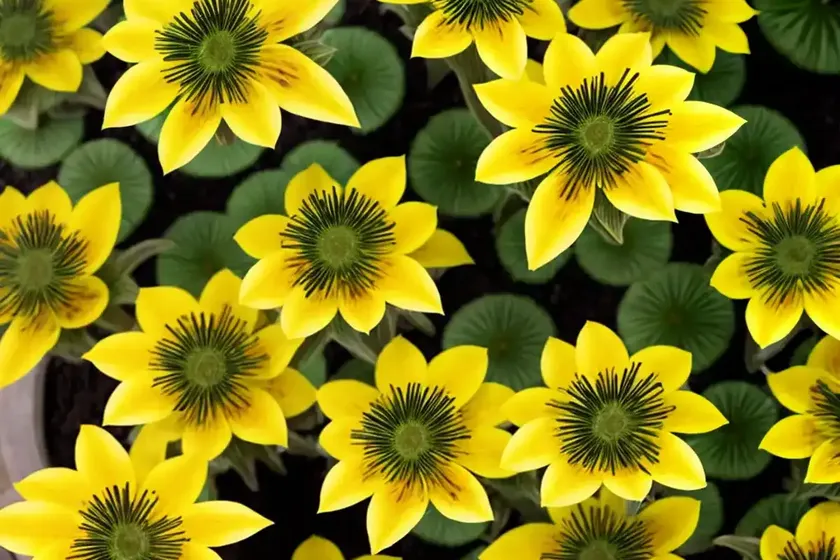
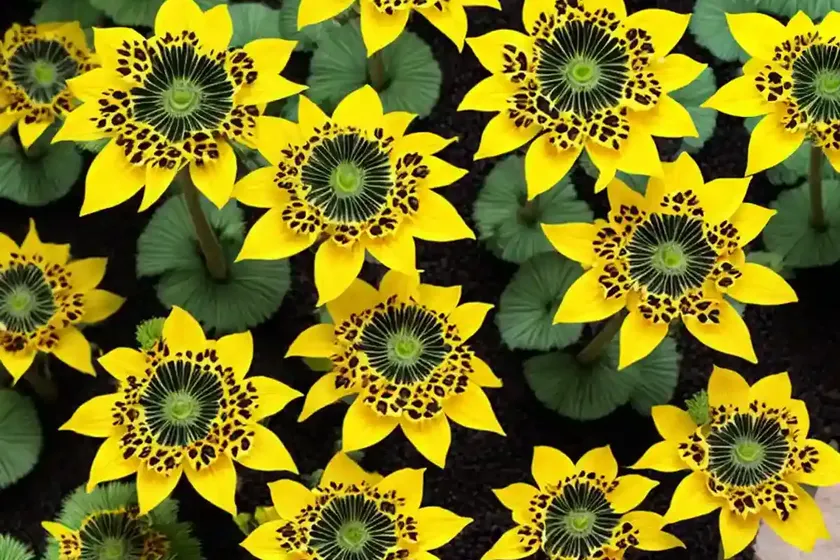
Ligularia dentata ‘Othello’, commonly known as Leopard Plant, is a striking perennial plant that captivates with its bold foliage and vibrant blooms. This comprehensive guide will delve into the characteristics, cultivation, and maintenance of the Ligularia dentata ‘Othello’, providing valuable insights into its care and landscaping potential.
What is Ligularia dentata ‘Othello’ (Leopard Plant)?
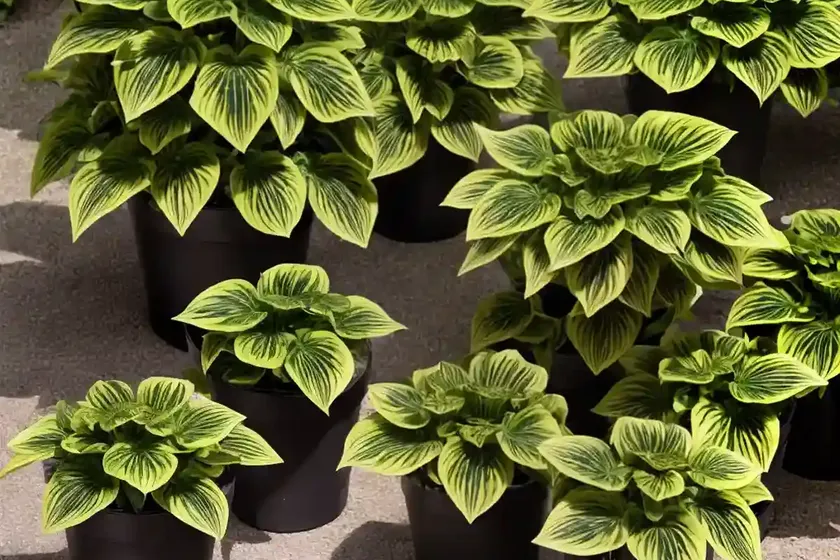
Ligularia dentata ‘Othello’ is a herbaceous perennial prized for its dramatic, large, heart-shaped leaves and vibrant yellow, daisy-like flowers. This cultivar is a member of the Asteraceae family and is native to East Asia, including Japan and China. It is commonly referred to as Leopard Plant due to the distinctive spots and markings on its foliage, resembling the coat of a leopard.
The plant typically reaches a height of 2 to 4 feet, with a spread of 2 to 3 feet, creating a striking presence in the garden or landscape. Its dark green, glossy leaves are deeply lobed and add a tropical touch to the surroundings.
Key Takeaways – Ligularia dentata ‘Othello’ (Leopard Plant)
Before delving into the specifics of Leopard Plant care, it’s essential to highlight key takeaways about this captivating cultivar. The following points encapsulate the fundamental aspects of Ligularia dentata ‘Othello’ that will be covered in detail throughout this guide:
- Cultural Attributes
- Striking, large, heart-shaped leaves with distinctive spots.
- Vibrant, yellow, daisy-like flowers that adorn the plant in late summer.
-
Thrives in moist, shady conditions, making it an excellent addition to shade gardens.
-
Cultivation and Maintenance
- Requires consistently moist soil to thrive.
- Ideal for planting in shaded or partially shaded areas.
-
Pruning may be necessary to manage plant size and encourage a compact growth habit.
-
Propagation and Container Gardening
- Can be propagated through division or seeds.
-
Well-suited for container gardening, provided the soil moisture requirements are met.
-
Pest and Disease Management
- Susceptible to certain pests and diseases, necessitating proactive measures for prevention and control.
Now, let’s delve into the specifics of each aspect of Leopard Plant care and cultivation, providing actionable insights for those looking to incorporate this stunning perennial into their green spaces.
Culture
The cultural attributes of Ligularia dentata ‘Othello’ contribute to its allure and showcase its adaptability to various garden settings. Understanding its distinctive features and growth habits is crucial for providing the optimal environment for this remarkable perennial.
Uses
Ligularia dentata ‘Othello’ holds considerable value in garden and landscape settings, offering both visual appeal and functional benefits. Its notable uses include:
-
Shade Gardens: The Leopard Plant thrives in shaded or partially shaded areas, adding a burst of color and texture to spaces that often pose challenges for plant growth.
-
Accent Plant: With its bold foliage and striking blooms, Ligularia dentata ‘Othello’ serves as an eye-catching accent in garden beds, borders, and woodland settings.
-
Bog Gardens: Given its preference for consistently moist soil, this cultivar excels in bog gardens or areas with high soil moisture content, contributing to the lushness of these unique environments.
-
Foliage Contrast: The large, glossy, dark green leaves with distinct markings create captivating contrast when paired with other plants, enhancing visual interest in the landscape.
Water
One of the defining characteristics of Ligularia dentata ‘Othello’ is its preference for consistently moist soil. Adequate water supply is essential for its vitality and overall health. Efficient water management contributes significantly to the successful cultivation of this captivating perennial.
-
Moisture Requirements: Leopard Plant thrives in moist to wet soil conditions. Ample hydration is crucial for its sustained growth and well-being.
-
Watering Practices: Regular, deep watering is essential, especially during periods of dry weather. Ensuring that the soil remains consistently moist without becoming waterlogged is imperative.
-
Mulching: Applying a layer of organic mulch around the plant aids in retaining soil moisture, moderating temperature fluctuations, and suppressing weed growth.
-
Water Quality: Utilizing water that is free from harmful chemicals or excessive salts is beneficial for the plant’s overall vigor and longevity.
Sunlight
Ligularia dentata ‘Othello’ is renowned for its preference for shaded or partially shaded environments, making it an excellent choice for areas that receive limited direct sunlight. Understanding its sunlight requirements is crucial for optimizing its growth and ornamental appeal.
-
Shade Tolerance: Leopard Plant thrives in partial to full shade, displaying optimal growth and flowering potential in these light conditions.
-
Morning Sun and Afternoon Shade: Providing the plant with morning sun exposure while sheltering it from intense afternoon sunlight is conducive to its well-being and ensures vibrant, healthy foliage.
-
Protection from Harsh Sunlight: Shielding the plant from prolonged, direct sunlight, especially during hot summer afternoons, prevents leaf scorch and maintains its lush appearance.
Fertilizer
Appropriate nutrition is integral to the overall health and vigor of Ligularia dentata ‘Othello’. Providing essential nutrients aids in robust growth, foliage development, and prolific flowering, elevating the visual impact of this captivating perennial.
-
Fertilization Frequency: Applying a balanced, slow-release fertilizer in spring supports the plant’s growth and flowering, with additional light feedings during the growing season, if necessary.
-
Nutrient Composition: Choosing a fertilizer with balanced NPK (nitrogen, phosphorus, potassium) ratios, formulated for flowering perennials, ensures that the plant receives the necessary nutrients for optimal performance.
-
Application Guidelines: Applying fertilizer according to the manufacturer’s instructions and avoiding excess or concentrated application reduces the risk of nutrient imbalances or potential damage to the plant.
-
Organic Alternatives: Incorporating organic compost or well-decomposed manure in the soil provides natural, slow-release nutrition for Ligularia dentata ‘Othello’, fostering healthy growth and blooming.
Soil
The soil requirements of Ligularia dentata ‘Othello’ are pivotal for its sustained vitality and ornamental appeal. Understanding the ideal soil composition, texture, and drainage characteristics is instrumental in creating a conducive growing environment for this remarkable perennial.
-
Moisture Retention: Well-draining, moisture-retentive soil is essential for the successful cultivation of Leopard Plant. Soil with high organic content retains moisture, promoting the plant’s vigor and resilience.
-
Acidic to Neutral pH: Leopard Plant thrives in soil with a slightly acidic to neutral pH range, typically between 6.0 and 7.0, ensuring optimal nutrient uptake and root health.
-
Organic Matter Enrichment: Amending the soil with rich, organic matter, such as compost or peat moss, enhances its structure, fertility, and moisture retention capacity, benefiting the plant’s growth and development.
-
Mulching Benefits: Utilizing organic mulch around the plant conserves soil moisture, moderates temperature fluctuations, suppresses weed growth, and fosters a favorable microclimate for healthy root activity.
Pruning
Pruning is a valuable practice for managing the size, shape, and overall aesthetics of Ligularia dentata ‘Othello’. Strategic pruning interventions contribute to the plant’s vigor, flowering potential, and landscape integration, making it an essential aspect of its maintenance routine.
-
Pruning Frequency: Occasional pruning in early spring or late fall helps maintain the plant’s desired size and shape, removing any damaged, diseased, or unsightly foliage and spent flower stalks.
-
Size Management: Trimming back the foliage and flower stems mitigates overcrowding, promotes air circulation, and prevents the plant from becoming overly expansive, especially in limited garden spaces.
-
Propagation Potential: Pruning also presents an opportunity for propagating new plants through division, allowing for the expansion of Leopard Plant’s presence in the garden or for sharing with fellow gardening enthusiasts.
-
Sterilization Practices: Utilizing clean, sharp pruning tools and sterilizing them between cuts minimizes the risk of spreading diseases and ensures precise, healthy wound healing for the plant.
Propagation
The propagation of Ligularia dentata ‘Othello’ allows for the expansion of its presence in the garden and affords the opportunity to share its beauty with others. Understanding the viable propagation methods and practices facilitates successful reproduction of this captivating perennial.
-
Division: Dividing mature clumps every few years in early spring enables the creation of new plants, rejuvenates the existing ones, and maintains the plant’s vigor and flowering potential.
-
Seed Propagation: Collecting ripe seeds from the plant’s flowers and sowing them in a suitable growing medium offers a cost-effective and rewarding method of propagating Leopard Plant, allowing for the cultivation of numerous new individuals.
-
Propagation Considerations: Providing adequate moisture, warmth, and light during the propagation process promotes successful root establishment and initial growth, resulting in robust, healthy seedlings or divisions.
Container Popularity
Ligularia dentata ‘Othello’ exhibits remarkable adaptability to container gardening, making it a popular choice for enthusiasts seeking to elevate their outdoor or indoor spaces with its captivating presence. The following considerations underscore the container popularity of this exceptional perennial.
-
Size Relevance: Selecting a sizable container that accommodates the plant’s mature size and allows for ample root development is crucial for its sustained growth and overall health.
-
Soil Selection: Utilizing a well-draining, moisture-retentive potting mix with added organic matter creates an optimal growing medium for Leopard Plant in containers, ensuring adequate moisture supply and root aeration.
-
Watering Regimen: Consistently monitoring soil moisture and providing sufficient hydration, especially during warm weather, underpins the successful cultivation of Ligularia dentata ‘Othello’ in containers.
-
Indoor Cultivation: Establishing a suitable indoor environment, characterized by bright, indirect light and stable temperatures, facilitates the thriving of Leopard Plant as an indoor container specimen, enriching interior spaces with its ornamental elegance.
Common Diseases
While Ligularia dentata ‘Othello’ is generally resilient, it is susceptible to certain diseases that can impact its health and ornamental appeal. Familiarizing oneself with common diseases and their management is vital for preserving the vitality and beauty of this captivating perennial.
-
Powdery Mildew (Erysiphe spp.): This fungal disease manifests as a powdery, white coating on the foliage, compromising the plant’s aesthetics and vigor. Adopting preventive measures, such as adequate air circulation and fungicidal treatments as needed, mitigates powdery mildew incidence.
-
Leaf Spot (Cercospora spp.): Leaf spot diseases cause the development of circular lesions on the plant’s foliage, potentially leading to leaf discoloration and defoliation. Maintaining good sanitation and promptly removing infected plant parts reduce the risk of leaf spot outbreaks.
-
Root Rot (Phytophthora spp.): Excessive soil moisture and poor drainage can predispose Leopard Plant to root rot, resulting in wilting, yellowing, and decline. Implementing proper watering practices and enhancing soil drainage are pivotal for preventing root rot in this cultivar.
-
Botrytis Blight (Botrytis cinerea): This fungal disease causes the development of gray mold on the plant’s foliage, flowers, and stems, necessitating diligent monitoring and, if necessary, the application of fungicidal treatments to curtail its impact.
Disease Diagnosis
Timely diagnosis of diseases afflicting Ligularia dentata ‘Othello’ is instrumental in implementing effective management strategies and safeguarding the plant’s well-being. The following indicators aid in the accurate recognition of common diseases in this captivating perennial.
-
Foliage Discoloration: Changes in the coloration and texture of the plant’s leaves, such as yellowing, browning, or the appearance of powdery coatings, may signify the presence of fungal diseases or pathogens.
-
Lesion Formation: The development of irregular or circular lesions on the foliage or stems is indicative of leaf spot diseases, alerting the gardener to the potential onset of such ailments.
-
Stunted Growth and Wilted Appearance: An overall decline in plant vigor, accompanied by wilting, drooping, or stunted growth, may suggest root diseases or compromised physiological health, necessitating careful examination and intervention.
-
Abnormal Flowering and Discoloration: Uncharacteristic changes in flowering patterns, such as discoloration, browning, or the presence of mold-like growth, indicate the potential impact of fungal diseases on the plant’s reproductive structures.
Common Pests
Ligularia dentata ‘Othello’ may encounter certain pests that can compromise its ornamental beauty and overall vigor. Identifying common pests and adopting proactive pest management measures is crucial for maintaining the plant’s health and landscape appeal.
-
Slugs and Snails: These mollusks feed on the plant’s foliage, leaving characteristic irregular holes and trails, necessitating the implementation of physical barriers, natural predators, or targeted baits for effective control.
-
Spider Mites: These tiny arachnids extract plant sap, causing stippling, discoloration, and premature leaf drop. Mitigating spider mite populations through regular spraying with water or approved insecticidal treatments preserves the foliage integrity of Leopard Plant.
-
Aphids: These sap-sucking insects colonize the plant’s tender growth, excreting honeydew and potentially inducing leaf curling and distortion. Employing insecticidal soap or horticultural oils curtails aphid populations while safeguarding beneficial insects.
-
Caterpillars: Certain caterpillar species may consume the plant’s foliage, necessitating vigilant inspection and hand-picking or the use of targeted biological control agents to manage their impact effectively.
Botanist’s Tips
As a plant scientist, my insights and recommendations focus on optimizing the growth, health, and visual impact of Ligularia dentata ‘Othello’, drawing from scientific knowledge and practical experience to enhance the cultivation experience for gardening enthusiasts. The following tips encapsulate valuable botanical insights into the care and management of this captivating perennial.
-
Optimal Soil Moisture: Maintaining consistently moist soil, coupled with adequate drainage, is pivotal for the sustained vitality and lushness of Leopard Plant, ensuring its continued ornamental beauty.
-
Shade Management: Providing the plant with the requisite shade and shelter from intense sunlight fosters its lush foliage and vibrant flowering, underscoring the significance of appropriate light conditions for its thriving.
-
Adequate Air Circulation: Managing the plant’s surroundings to promote air movement and reduce humidity levels mitigates the risk of fungal diseases, enhancing its overall resilience and longevity.
-
Prudent Fertilization: Applying balanced, slow-release fertilizers and organic amendments in moderation sustains the plant’s nutrition and minimizes the potential for nutrient imbalances, fostering healthy growth and blooming.
-
Vigilant Pest and Disease Monitoring: Regular observation and proactive pest and disease management measures are essential for preserving the plant’s health and ornamental appeal, preventing significant disruptions to its cultivation.
Fun Facts
Appreciating the intriguing aspects of Ligularia dentata ‘Othello’ enriches the experience of cultivating and admiring this enchanting perennial. The following fun facts provide unique insights into the captivating characteristics and ecological significance of Leopard Plant.
-
Habitat Associations: In its native environments, Ligularia dentata ‘Othello’ is often found in moist woodlands, alongside streams, and in other wetland habitats, underscoring its ecological affinity for lush, watery settings.
-
Pollinator Attraction: The vibrant, daisy-like blooms of Leopard Plant attract a variety of pollinators, including bees, butterflies, and other beneficial insects, contributing to the ecological diversity of its surrounding environment.
-
Folklore and Symbolism: In certain cultures, the Leopard Plant is associated with symbolism related to courage, strength, and resilience, reflecting the enduring allure and symbolic significance attributed to this remarkable perennial.
-
Ornamental Versatility: Beyond its ornamental appeal in gardens, Ligularia dentata ‘Othello’ is utilized in landscape designs, container gardens, and indoor settings, highlighting its adaptability and aesthetic versatility.
Links to External Resources
For further exploration and in-depth insights into Ligularia dentata ‘Othello’, I recommend engaging with reputable external resources that offer comprehensive information and expert perspectives on this captivating perennial.
- The Royal Horticultural Society (RHS) – Ligularia dentata ‘Othello’
- Missouri Botanical Garden – Leopard Plant Care Guide
- American Horticultural Society – Growing Ligularia dentata ‘Othello’
As a plant scientist, it brings me great joy to share the intricate nuances and practical considerations associated with Ligularia dentata ‘Othello’ (Leopard Plant), empowering gardening enthusiasts with invaluable insights into its cultivation and stewardship. By embracing its cultural attributes, optimizing its care and maintenance, and cherishing its inherent elegance, individuals can embark on a rewarding journey of discovering and nurturing this captivating perennial, perpetuating its timeless allure and horticultural significance in their green spaces.