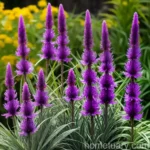
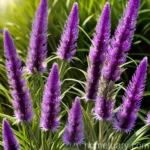
Liatris ligulistylis (Rocky Mountain Blazing Star)
The Liatris ligulistylis, commonly known as the Rocky Mountain Blazing Star, is a magnificent perennial that hails from the Asteraceae family. This stunning native plant is a North American wildflower that captivates with its spiky blooms and attractive foliage. In this comprehensive guide, we’ll delve into the characteristics, growing conditions, and maintenance of the Liatris ligulistylis, shedding light on its cultural significance, uses, and potential benefits both in the garden and in the wild.
Overview of Liatris ligulistylis
Liatris ligulistylis, also known as the Prairie Blazing Star and Western Blazing Star, is a charismatic plant that astounds with its tall, upright spikes adorned with violet to purple-pink flowers. Its appealing appearance and unique characteristics make it a sought-after addition to native plant gardens and naturalized areas. This sturdy perennial thrives in various conditions, displaying remarkable adaptability and resilience.
Key Takeaways
Before diving into the details of the Liatris ligulistylis, let’s take a brief look at its key takeaways:
- Scientific Name: Liatris ligulistylis
- Common Names: Rocky Mountain Blazing Star, Prairie Blazing Star, Western Blazing Star
- Habitat: Native to North America
- Blooming Period: Midsummer to early fall
- Height: Can grow up to 3-4 feet tall
- Uses: Ornamental plant, wildlife garden attraction, medicinal properties
Now that we have a quick overview of this fascinating plant, let’s explore its cultural requirements, uses, and potential benefits in greater detail.
Culture
Water
Liatris ligulistylis is renowned for its remarkable drought tolerance once established. In the initial stages after planting, it benefits from regular watering to promote healthy root development. However, once mature, this vibrant perennial can thrive in drier conditions, making it an ideal addition to xeriscapes and low-maintenance landscapes.
Sunlight
For optimal growth and prolific flowering, Liatris ligulistylis requires full sun exposure. It flourishes in bright, direct sunlight, showcasing its vibrant blooms and attracting pollinators to the garden.
Fertilizer
This native beauty doesn’t demand excessive fertilization. In fact, a relatively lean soil composition can promote better flowering. However, if the soil quality is poor, a slow-release, balanced fertilizer applied in spring can provide the necessary nutrients for healthy growth.
Soil
Liatris ligulistylis thrives in well-draining soils, including sandy and loamy compositions. While it displays excellent adaptability, avoiding waterlogged or compacted soils is crucial for its long-term health and vitality.
Pruning
Minimal pruning is required for Liatris ligulistylis. Removing spent flower spikes after the blooming period can promote a tidy appearance and potentially trigger a second wave of blooms. Additionally, cutting back the foliage in late fall can help rejuvenate the plant for the following growing season.
Propagation
This stunning wildflower can be propagated through both seeds and division. Collecting mature seeds from the flower heads and sowing them in a prepared bed can yield new plants. Division can also be carried out in early spring to create additional clumps of Liatris ligulistylis.
Container Popularity
While Liatris ligulistylis is typically grown in garden beds and naturalized areas, it can also thrive in containers under the right conditions. Choosing a large, well-draining container and providing adequate sunlight and water can result in stunning displays of this native perennial on patios and balconies.
Common Diseases
Disease Diagnosis
Liatris ligulistylis is generally resistant to most common diseases and pests. However, it may occasionally encounter issues like powdery mildew in overly humid conditions. Proper spacing, good air circulation, and avoiding overhead watering can mitigate the risk of disease development.
Common Pests
Botanist’s Tips
This resilient plant is relatively pest-resistant, making it an attractive choice for low-maintenance landscapes and naturalized areas. However, occasional pests such as aphids and spider mites may target the plant. Regular inspection and the application of insecticidal soap can effectively manage these pests without causing harm to beneficial insects.
Fun Facts
- Liatris ligulistylis is not just a charming wildflower; it also holds medicinal properties. Traditionally, Native American tribes used parts of the plant for various therapeutic purposes.
- The captivating blooms of Liatris ligulistylis serve as a vital food source for pollinators, making it an essential component of wildlife gardens and habitats.
- In addition to its use in gardens and landscapes, Liatris ligulistylis is known for its cut flower potential, making it a popular choice for floral arrangements and bouquets.
Links to External Resources
For further information and resources about Liatris ligulistylis, refer to the following links:
By exploring the cultural requirements, uses, and potential benefits of Liatris ligulistylis, it becomes evident that this native wildflower is a versatile and valuable addition to gardens, naturalized areas, and landscapes. Its captivating blooms, low-maintenance nature, and wildlife-attracting attributes make it a desirable choice for both experienced gardeners and novice enthusiasts. Whether it’s adorning a garden border, thriving in a container, or contributing to the biodiversity of natural habitats, Liatris ligulistylis shines as a perennial of distinction and significance.