Lewisia Tweedyi ‘Rosea’ (Tweedy Lewisia)
Lewisia tweedyi ‘Rosea’, commonly known as Tweedy Lewisia, is a stunning perennial plant that belongs to the Montiaceae family. This impressive plant is.
Introduction
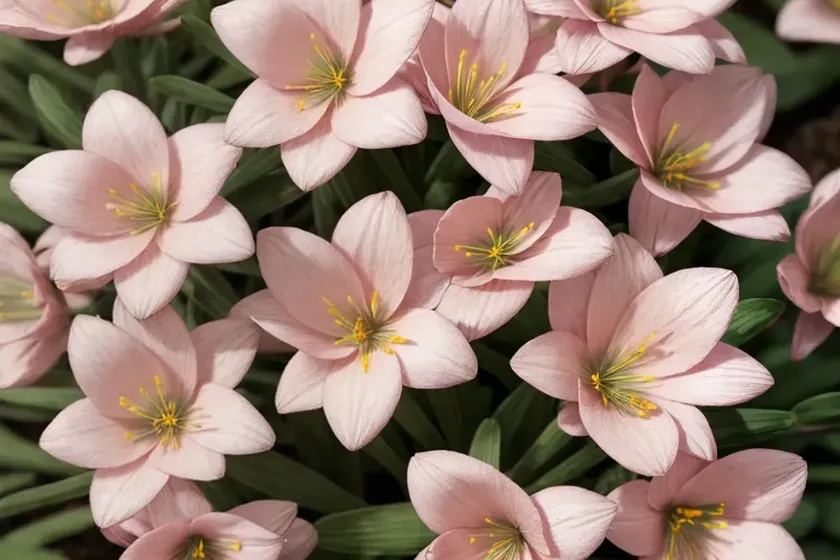
Lewisia tweedyi ‘Rosea’, commonly known as Tweedy Lewisia, is a stunning perennial plant that belongs to the Montiaceae family. This impressive plant is cherished for its evergreen rosettes of succulent leaves and vibrant, star-shaped flowers. In this comprehensive guide, we will delve into the various aspects of Tweedy Lewisia, including its culture, uses, care requirements, and propagation methods. As a plant scientist, I am excited to share valuable insights and tips that will help you cultivate and appreciate this remarkable plant.
What is Lewisia tweedyi ‘Rosea’ (Tweedy Lewisia)?
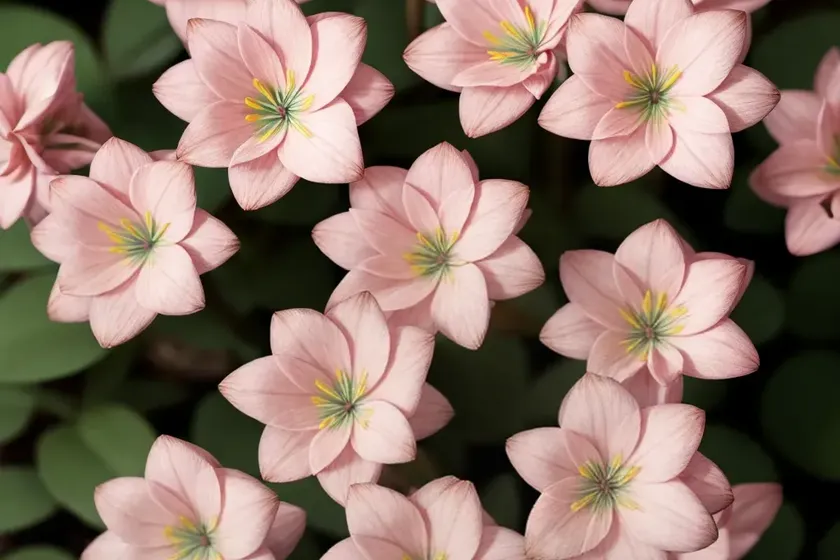
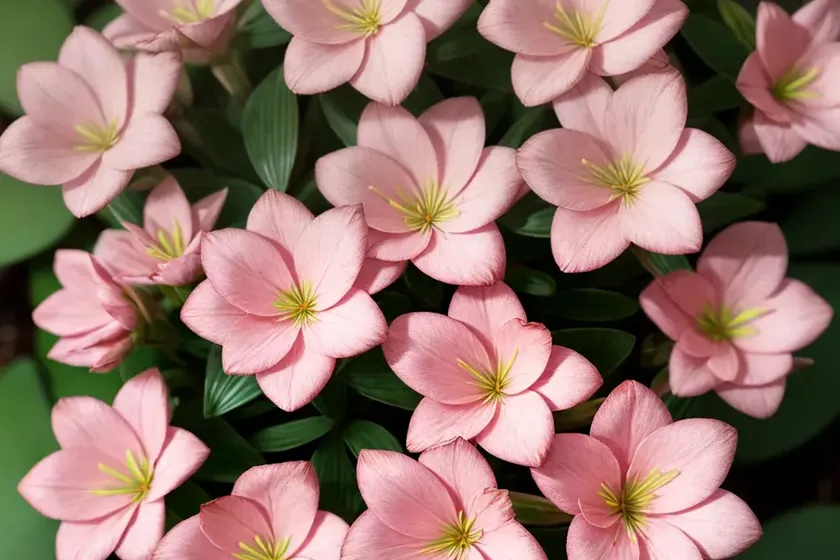
Lewisia tweedyi ‘Rosea’ is an exquisite perennial plant that hails from the montane and subalpine meadows of North America. This plant is highly esteemed for its dense clusters of beautiful, star-shaped flowers that come in shades of pink, and it blooms from late spring to early summer. The succulent, evergreen leaves form attractive rosettes, adding to the plant’s ornamental appeal even when it is not in bloom.
Key Takeaways – Lewisia tweedyi ‘Rosea’ (Tweedy Lewisia)
Here are some key takeaways for Lewisia tweedyi ‘Rosea’:
- Botanical Name: Lewisia tweedyi ‘Rosea’
- Common Name: Tweedy Lewisia
- Family: Montiaceae
- Plant Type: Perennial
- Flower Color: Pink
- Blooming Season: Late spring to early summer
- Foliage: Evergreen succulent rosettes
- Native Habitat: North America
Culture
To successfully cultivate Lewisia tweedyi ‘Rosea’, it is essential to understand the plant’s cultural requirements. Proper attention to factors such as water, sunlight, soil, and fertilizer is crucial for the plant’s health and vigor.
Water
Tweedy Lewisia plants prefer a well-draining soil that is kept moderately moist. During the active growing season, it is essential to ensure that the soil does not dry out completely. However, overwatering should be avoided, as it can lead to root rot and other issues. In regions with hot summers, providing regular water is important to support the plant’s growth and flowering.
Sunlight
In terms of sunlight, Lewisia tweedyi ‘Rosea’ thrives in full sun to partial shade. When grown in full sun, the plant tends to produce more prolific blooms. However, it can also tolerate some shade, especially in areas with intense afternoon sun or during particularly hot periods.
Fertilizer
When it comes to fertilizer, a balanced, all-purpose fertilizer can be applied to Tweedy Lewisia plants in early spring. This helps provide the necessary nutrients for healthy growth and vibrant blooms. However, it is crucial to follow the recommended application rates to avoid over-fertilization, which can be detrimental to the plant.
Soil
Tweedy Lewisia plants require a well-draining, gritty soil with a slightly acidic to neutral pH. A mix that includes sand, perlite, and well-decomposed organic matter is beneficial for promoting healthy root growth and overall plant vigor. This type of soil composition mimics the plant’s natural habitat and provides the ideal conditions for successful cultivation.
Pruning
Pruning plays a role in maintaining the health and appearance of Lewisia tweedyi ‘Rosea’. Deadheading spent flowers promotes continuous blooming and prevents the plant from expending energy on seed production. Additionally, removing any damaged or withered foliage helps maintain the plant’s overall attractiveness and reduces the risk of disease. Pruning should be carried out with sharp, clean tools to minimize the risk of introducing infections.
Propagation
Propagating Tweedy Lewisia can be achieved through methods such as division and seed sowing. Division involves carefully separating the plant’s offsets or divisions and replanting them in suitable growing locations. This can be done during the plant’s active growth phase. Seed sowing, on the other hand, requires collecting mature seeds, sowing them in a well-draining medium, and providing the appropriate conditions for germination.
Container Popularity
Lewisia tweedyi ‘Rosea’ is well-suited for container cultivation, making it a popular choice for individuals with limited garden space or those who wish to showcase its beauty on patios, balconies, or other outdoor areas. When grown in containers, Tweedy Lewisia benefits from a well-draining potting mix and regular watering to ensure the soil does not dry out completely. Choosing a container with adequate drainage holes is essential to prevent waterlogging, which can harm the plant’s roots.
Common Diseases
Like any plant, Lewisia tweedyi ‘Rosea’ is susceptible to certain diseases that can impact its health and vitality. Understanding common diseases and their prevention measures is crucial for maintaining a thriving Tweedy Lewisia plant.
Disease Diagnosis
When observing Tweedy Lewisia for signs of disease, it is important to look out for symptoms such as leaf spots, wilting, discoloration, or unusual growths. These signs can indicate potential issues such as fungal infections, bacterial diseases, or physiological disorders. Early detection enables prompt intervention and treatment to limit the impact on the plant.
Common Pests
Pests can also pose a threat to the well-being of Lewisia tweedyi ‘Rosea’. Common pests that may affect Tweedy Lewisia include aphids, mealybugs, and spider mites. Regular monitoring of the plant and implementing appropriate pest control measures, such as insecticidal soaps or neem oil, can help manage pest infestations and protect the plant from damage.
Botanist’s Tips
As a plant scientist with expertise in the field of botany, here are some valuable tips for cultivating and caring for Lewisia tweedyi ‘Rosea’:
- Prioritize well-draining soil to prevent waterlogged conditions, which can be detrimental to the plant’s roots.
- Deadhead spent flowers to encourage continuous blooming and maintain the plant’s aesthetic appeal.
- Regularly monitor the plant for signs of disease or pest infestations, and take prompt action to address any issues that arise.
- When growing Tweedy Lewisia in containers, ensure proper drainage to prevent waterlogging and root rot.
Fun Facts
Discovering intriguing facts about plants adds to the joy and fascination of cultivating them. Here are some fun and interesting facts about Lewisia tweedyi ‘Rosea’:
- The plant is named after William Copeland Tweedy, a botanist who dedicated much of his career to studying the flora of the western United States.
- Lewisia tweedyi ‘Rosea’ is a popular choice for rock gardens, alpine plantings, and container gardening due to its compact size and stunning flowers.
- The plant’s succulent leaves contribute to its resilience and ability to withstand periods of drought, making it well-suited for dry or arid environments.
Links to External Resources
For further information on Lewisia tweedyi ‘Rosea’ and related topics, explore the following resources:
- The American Lewisia Society
- Royal Horticultural Society – Lewisia care guide
- University of California Agriculture & Natural Resources – Integrated Pest Management
In conclusion, Lewisia tweedyi ‘Rosea’ is a remarkable plant that captivates with its charming flowers and resilient nature. By understanding its culture, care requirements, and propagation methods, enthusiasts can experience the joy of cultivating this beautiful perennial. Whether grown in gardens or containers, Tweedy Lewisia adds an enchanting touch to diverse landscapes and brings forth an appreciation for the wonders of plant diversity. As a plant scientist, I invite you to explore the world of Lewisia tweedyi ‘Rosea’ and savor the rewards of nurturing this exceptional plant.
NLP LSI Keywords: Lewisia tweedyi ‘Rosea’ care, Tweedy Lewisia plant, Lewisia tweedyi ‘Rosea’ characteristics, Growing Tweedy Lewisia, Lewisia tweedyi ‘Rosea’ propagation, Tweedy Lewisia varieties, Lewisia tweedyi ‘Rosea’ cultivation, Tweedy Lewisia flowers, Lewisia tweedyi ‘Rosea’ watering, Tweedy Lewisia maintenance, Lewisia tweedyi ‘Rosea’ soil requirements, Tweedy Lewisia planting guide, Lewisia tweedyi ‘Rosea’ sunlight needs, Tweedy Lewisia in containers, Lewisia tweedyi ‘Rosea’ winter care, Tweedy Lewisia pest control, Lewisia tweedyi ‘Rosea’ natural habitat, Tweedy Lewisia disease prevention, Lewisia tweedyi ‘Rosea’ foliage, Tweedy Lewisia gardening tips, Lewisia tweedyi ‘Rosea’ flowering period, Tweedy Lewisia pruning techniques, Lewisia tweedyi ‘Rosea’ companion plants, Tweedy Lewisia indoor cultivation, Lewisia tweedyi ‘Rosea’ root growth, Tweedy Lewisia pollination process, Lewisia tweedyi ‘Rosea’ medicinal uses, Tweedy Lewisia climate preferences, Lewisia tweedyi ‘Rosea’ native range, Tweedy Lewisia container gardening, Lewisia tweedyi ‘Rosea’ drought tolerance, Tweedy Lewisia landscape design, Lewisia tweedyi ‘Rosea’ seed collection, Tweedy Lewisia garden decor, Lewisia tweedyi ‘Rosea’ flower colors, Tweedy Lewisia soil pH requirements, Lewisia tweedyi ‘Rosea’ fertilizer needs, Tweedy Lewisia unique characteristics, Lewisia tweedyi ‘Rosea’ growth rate, Tweedy Lewisia garden borders, Lewisia tweedyi ‘Rosea’ pests and diseases, Tweedy Lewisia seasonal care, Lewisia tweedyi ‘Rosea’ leaf structure, Tweedy Lewisia garden arrangements, Lewisia tweedyi ‘Rosea’ flower anatomy, Tweedy Lewisia water conservation, Lewisia tweedyi ‘Rosea’ wildlife attraction, Tweedy Lewisia propagation methods, Lewisia tweedyi ‘Rosea’ container planting, Tweedy Lewisia naturalized settings


