Lewisia Cotyledon ‘Elise Mixed’ (Siskiyou Lewisia)
Lewisia cotyledon ‘Elise Mixed’, also known as Siskiyou Lewisia, is a beautiful and versatile perennial plant that belongs to the Montiaceae family. This.
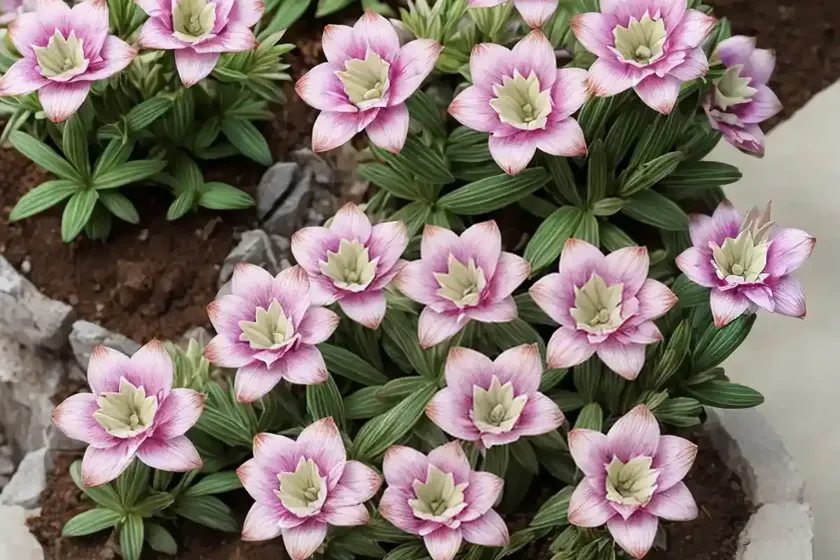
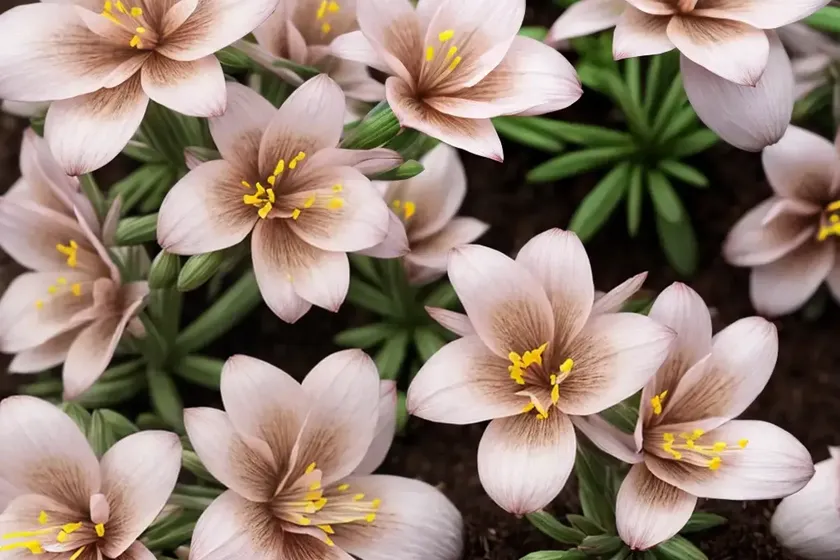
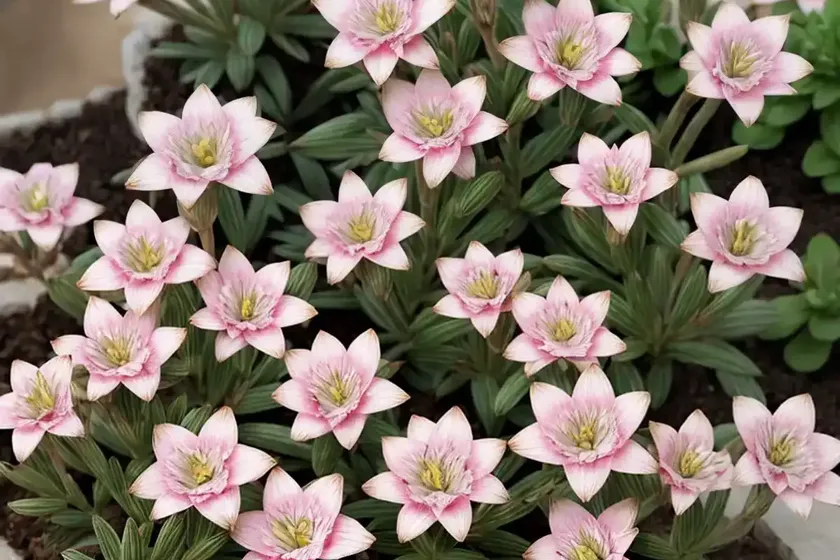
Lewisia cotyledon ‘Elise Mixed’, also known as Siskiyou Lewisia, is a beautiful and versatile perennial plant that belongs to the Montiaceae family. This plant is native to North America, particularly in the Siskiyou Mountains in southern Oregon and northern California. Characterized by its stunning, colorful flowers and succulent leaves, Lewisia cotyledon ‘Elise Mixed’ has become a favorite among gardeners and landscape enthusiasts.
Throughout this comprehensive guide, we will explore the key characteristics, growing requirements, and maintenance tips for Lewisia cotyledon ‘Elise Mixed’. Whether you’re a seasoned gardener or a beginner looking to add a unique plant to your outdoor space, this article will provide you with all the information you need to successfully cultivate and care for this stunning species.
Key Takeaways – Lewisia cotyledon ‘Elise Mixed’ (Siskiyou Lewisia)
Before we delve into the specifics of caring for Lewisia cotyledon ‘Elise Mixed’, let’s take a moment to highlight some of the key takeaways about this plant:
- Plant Type: Perennial succulent
- Flowering Time: Late spring to early summer
- Native Range: Siskiyou Mountains in North America
- Hardiness Zones: 5 to 9
- Growth Habit: Compact rosettes with thick, fleshy leaves
- Flower Colors: Various shades of pink, orange, yellow, and white
- Uses: Rock gardens, container gardens, borders, and ground cover
- Key Features: Drought-tolerant, low maintenance, and long blooming period
Now that we’ve outlined some of the essential aspects of Lewisia cotyledon ‘Elise Mixed’, let’s explore in detail how to cultivate and care for this stunning plant.
What is Lewisia cotyledon ‘Elise Mixed’?
Lewisia cotyledon ‘Elise Mixed’ is a charming succulent perennial that is renowned for its striking, daisy-like flowers and compact, rosette-forming growth habit. This plant is favored for its ability to thrive in rocky, well-draining soils and its exceptional tolerance to dry conditions. Its common name, Siskiyou Lewisia, reflects its natural habitat in the Siskiyou Mountains, where it can be found growing in rocky crevices and alpine meadows.
In the wild, Lewisia cotyledon ‘Elise Mixed’ exhibits a remarkable diversity of flower colors, ranging from soft pastel hues to vibrant, eye-catching shades. This variation has been carefully preserved in the ‘Elise Mixed’ cultivar, making it a delightful addition to any garden or landscape due to its colorful and prolonged flowering display.
The foliage of Lewisia cotyledon ‘Elise Mixed’ consists of thick, succulent leaves that form compact, evergreen rosettes. The leaves are typically bluish-green and contribute to the plant’s ability to withstand dry and challenging growing conditions. When in bloom, the flowers emerge on slender stems, creating a charming contrast with the plant’s foliage.
Key Takeaways
- Lewisia cotyledon ‘Elise Mixed’ is a succulent perennial known for its daisy-like flowers and compact growth habit.
- The ‘Elise Mixed’ cultivar showcases a range of flower colors, adding vibrancy to garden landscapes.
- Its evergreen, succulent leaves make it well-adapted to dry and rocky environments.
Culture
Uses
Lewisia cotyledon ‘Elise Mixed’ offers a myriad of uses in garden settings, thanks to its striking appearance and adaptability. Here are some common uses for this captivating plant:
-
Rock Gardens: The low-growing, compact nature of Lewisia cotyledon ‘Elise Mixed’ makes it an ideal choice for rock gardens. It can thrive in the crevices and pockets of rocky landscapes, adding color and interest to these often challenging spaces.
-
Container Gardens: Due to its shallow root system and attractive foliage and flowers, Siskiyou Lewisia is a wonderful addition to container gardens. Whether planted alone or combined with other succulents and alpine plants, it can create stunning displays on patios, balconies, and decks.
-
Borders and Edging: The colorful blooms of Lewisia cotyledon ‘Elise Mixed’ make it an excellent choice for borders and edging in garden beds. Its low-growing habit and prolonged flowering period make it a valuable addition to mixed perennial borders.
-
Ground Cover: When planted in mass, the spreading nature of Lewisia cotyledon ‘Elise Mixed’ lends itself well to ground cover applications. It can create a carpet of vibrant blooms and foliage, particularly in sunny, well-drained areas of the landscape.
Water
Despite its succulent nature, Lewisia cotyledon ‘Elise Mixed’ benefits from regular watering, particularly during its active growth and flowering periods. However, it is crucial to allow the soil to dry out partially between waterings to prevent waterlogged conditions, which can lead to root rot and other issues.
Watering Tips:
-
Frequency: Water Lewisia cotyledon ‘Elise Mixed’ when the soil becomes dry to the touch, particularly during periods of warm weather. In general, a deep watering once per week should suffice, but adjust based on local climate and soil conditions.
-
Avoid Overwatering: To prevent waterlogged conditions, ensure that the soil has adequate drainage. Consider using a well-draining potting mix for container-grown specimens and amending garden soil with organic matter to improve drainage.
-
Reduce Watering in Winter: During the plant’s dormant winter period, reduce watering frequency to allow the soil to dry out more thoroughly. Overly moist soil in winter can be detrimental to the plant, especially in colder regions.
Sunlight
As a sun-loving plant, Lewisia cotyledon ‘Elise Mixed’ thrives in full sun to partial shade. Ideally, it should receive at least six hours of direct sunlight per day to support healthy growth and vibrant flowering. In hot, southern climates, some afternoon shade can be beneficial to protect the plant from excessive heat and potential sunburn.
Sunlight Requirements:
-
Full Sun: Position Lewisia cotyledon ‘Elise Mixed’ in a location with full sun exposure, particularly in regions with mild to moderate temperatures. Ensure that it receives ample sunlight to promote compact growth and prolific flowering.
-
Partial Shade: In areas with intense summer heat, providing partial shade during the hottest part of the day can prevent stress and sun damage. This is especially important for potted specimens, as containers can heat up more quickly than garden soil.
-
Morning Sun: If full sun exposure is limited, prioritize morning sunlight, as it tends to be less harsh than afternoon sun. This can help promote healthy, balanced growth for Siskiyou Lewisia.
Fertilizer
Given its preference for lean and well-draining soils, Lewisia cotyledon ‘Elise Mixed’ does not require heavy fertilization. In fact, excessive fertilizer can lead to overly lush growth and may diminish the plant’s flowering performance. Instead, opt for a balanced, low-strength fertilizer applied sparingly during the active growing season.
Fertilizer Guidelines:
-
Use Balanced Fertilizer: Apply a balanced, water-soluble fertilizer at half-strength every four to six weeks during the plant’s active growth period. Look for a fertilizer with a balanced N-P-K ratio to support overall plant health without promoting excessive vegetative growth.
-
Avoid High Nitrogen: Refrain from using high-nitrogen fertilizers, as they can encourage lush foliage at the expense of flowering. Siskiyou Lewisia thrives when it experiences a degree of stress from lean soil conditions, which can enhance its flowering performance.
-
Organic Alternatives: If you prefer organic options, consider top-dressing the soil with compost or well-rotted manure in spring to provide a slow-release source of nutrients. This can nourish the plant without the risk of over-fertilizing.
Soil
The soil requirements for Lewisia cotyledon ‘Elise Mixed’ are pivotal to its overall health and vigor. Given its natural habitat in rocky, mountainous regions, this plant thrives in sharply-draining, nutrient-poor soils. Providing a well-aerated and quick-draining growing medium is essential to prevent waterlogged conditions that can be detrimental to the plant’s root system.
Ideal Soil Conditions:
-
Well-Draining: Use a fast-draining, gritty potting mix for container-grown Lewisia cotyledon ‘Elise Mixed’. A mix specifically designed for succulent and cacti cultivation is well-suited for this plant’s needs.
-
Optimal pH: Aim for a slightly acidic to neutral soil pH range, typically between 6.0 and 7.0. Avoid excessively alkaline soils, as they can impede nutrient uptake and overall plant health.
-
Amendments: For garden planting, amend heavy clay soils with coarse sand, perlite, or pumice to enhance drainage and aeration. Incorporating organic matter such as well-rotted compost can also improve soil structure and fertility.
Pruning
Lewisia cotyledon ‘Elise Mixed’ generally requires minimal pruning, as it maintains a neat, compact growth habit and does not produce excessive foliage that requires regular maintenance. However, light pruning can be beneficial to remove spent flower stems and promote a tidy appearance.
Pruning Guidelines:
-
Deadheading: After the initial flowering period, remove faded flower stems by cutting them back to the base of the plant. This encourages the production of new flower buds and prolongs the overall flowering season.
-
Tidying: Trim away any damaged or discolored leaves as needed to maintain the plant’s aesthetic appeal. Use clean, sharp pruning shears to make precise cuts and minimize the risk of damage to the plant.
Propagation
Propagating Lewisia cotyledon ‘Elise Mixed’ allows you to expand your collection of these delightful plants or share them with fellow gardening enthusiasts. While it can be propagated by various methods, division and leaf cuttings are among the most common techniques used to generate new plants.
Propagation Methods:
-
Division: In late spring or early summer, carefully dig up established clumps of Lewisia cotyledon ‘Elise Mixed’ and gently separate the rosettes, ensuring that each division has a healthy root system. Replant the divisions in prepared planting holes or pots filled with well-draining soil.
-
Leaf Cuttings: Select healthy leaves from the plant and trim them into sections approximately 1 to 2 inches in length. Allow the cuttings to callus for a day or two, then insert them into a well-draining propagation medium. Place the cuttings in a warm, bright location and maintain slight moisture to encourage root development.
Container Popularity
The compact size, striking flowers, and low-maintenance nature of Lewisia cotyledon ‘Elise Mixed’ make it exceptionally well-suited for container gardening. Whether grown in individual pots or combined with other alpine and succulent plants, Siskiyou Lewisia can thrive in various container settings, offering vibrant displays of color and texture.
Container Gardening Tips:
-
Well-Draining Containers: Use containers with ample drainage holes to ensure that excess water can escape and prevent the risk of waterlogged conditions.
-
Porous Growing Medium: Fill containers with a fast-draining, gritty potting mix formulated for succulents. Consider adding coarse sand or perlite to enhance aeration and drainage.
-
Balanced Watering: Monitor the moisture levels in containers and adjust watering frequency based on environmental conditions. Containers may dry out more quickly than garden soil, particularly during hot weather.
-
Seasonal Maintenance: Inspect and repot container-grown Lewisia cotyledon ‘Elise Mixed’ every one to two years to refresh the growing medium and evaluate the plant’s overall health.
Common Diseases
While Lewisia cotyledon ‘Elise Mixed’ is generally robust and disease-resistant, it can be susceptible to certain issues, particularly when grown in overly wet or poorly ventilated conditions. Recognizing and addressing common diseases promptly can help maintain the plant’s health and vitality.
Disease Diagnosis
-
Root Rot: Overly moist, waterlogged soils can lead to root rot in Lewisia cotyledon ‘Elise Mixed’. Symptoms include wilting, yellowing leaves, and a foul odor emanating from the roots. To mitigate the issue, improve soil drainage and reduce watering frequency.
-
Powdery Mildew: In conditions of high humidity and poor air circulation, powdery mildew may appear as a whitish, powdery growth on the leaves of the plant. Prune affected foliage and ensure adequate airflow around the plant to discourage the spread of the disease.
-
Crown Rot: Excessive moisture at the base of the plant can result in crown rot, which manifests as a dark, decaying area at the plant’s base. Improve drainage and avoid wet foliage to prevent this issue.
Common Pests
Pest infestations can sometimes occur on Lewisia cotyledon ‘Elise Mixed’, particularly when the plant is stressed or grown in suboptimal conditions. However, these occurrences are relatively rare, and the plant’s succulent nature and robust constitution make it less prone to pest problems.
Pest Identification
-
Aphids: These small, soft-bodied insects may cluster on the undersides of leaves, sucking sap from the plant and potentially causing distortion and wilting. Rinse the plant with a strong jet of water to dislodge and deter aphids.
-
Spider Mites: In hot, dry conditions, spider mites may infest Lewisia cotyledon ‘Elise Mixed’, causing stippling and discoloration on the leaves. Use insecticidal soap or neem oil to control spider mite populations and improve humidity around the plant.
-
Snails and Slugs: These pests can feed on the leaves of Lewisia cotyledon ‘Elise Mixed’, leaving behind irregular holes and damage. Handpick snails and slugs if possible, or use pet-safe slug and snail baits to protect the plant.
Botanist’s Tips
1. Well-Draining Soil
When planting Lewisia cotyledon ‘Elise Mixed’, prioritize soil with excellent drainage to prevent water-related issues and support the plant’s succulent nature.
2. Moderate Fertilization
Avoid over-fertilizing Siskiyou Lewisia, as this can lead to excessive foliage growth at the expense of flowering. Use a balanced, low-strength fertilizer sparingly during the growing season.
3. Monitor Moisture Levels
Be attentive to the plant’s watering needs, allowing the soil to partially dry out between waterings to maintain healthy roots and prevent waterlogged conditions.
4. Deadheading for Prolonged Blooms
Regularly deadhead spent flowers to encourage continuous blooming throughout the growing season and maintain the plant’s overall vigor.
5. Protection from Frost
While Lewisia cotyledon ‘Elise Mixed’ is generally hardy, provide protection from severe frost and freezing temperatures, particularly in colder zones.
Fun Facts
-
The genus name Lewisia honors Meriwether Lewis, who, along with William Clark, led the Lewis and Clark Expedition in the early 19th century and documented numerous plant species, including Lewisia cotyledon.
-
Lewisia cotyledon ‘Elise Mixed’ has been hybridized to produce an array of vibrant flower colors, ranging from soft pastels to rich, saturated hues.
-
The leaves of Lewisia cotyledon ‘Elise Mixed’ are edible and can be used to add a touch of succulence and visual interest to salads and other culinary creations.
Now that we’ve thoroughly explored the culture, uses, growing requirements, and maintenance tips for Lewisia cotyledon ‘Elise Mixed’, let’s take a closer look at some external resources for further information and guidance on cultivating this enchanting plant.
Links to External Resources
-
Lewisia cotyledon ‘Elise Mixed’ Characteristics and Growing Details
-
Best Soil for Lewisia cotyledon ‘Elise Mixed’: A Complete Guide
-
Lewisia cotyledon ‘Elise Mixed’ Varieties and Selection Tips
-
Complete Maintenance Guide for Siskiyou Lewisia ‘Elise Mixed’
-
Lewisia cotyledon ‘Elise Mixed’ Watering Needs and Guidelines
-
Tips for Successful Cultivation of Lewisia cotyledon ‘Elise Mixed’
The provided links offer valuable insights and detailed information on caring for Lewisia cotyledon ‘Elise Mixed’, making them excellent resources to further expand your knowledge and expertise in cultivating this captivating plant.
In conclusion, Lewisia cotyledon ‘Elise Mixed’ stands out as a delightful, low-maintenance perennial that adds color, texture, and visual interest to garden landscapes, rock gardens, and container displays. By embracing its cultural requirements and implementing effective maintenance practices, you can enjoy the beauty of Siskiyou Lewisia and create stunning displays in various outdoor settings.
I hope this guide has provided you with the essential knowledge and inspiration to cultivate and care for Lewisia cotyledon ‘Elise Mixed’ with confidence and success. Whether you’re a beginner or an experienced gardener, Siskiyou Lewisia has much to offer in terms of aesthetic appeal and ease of cultivation, making it a delightful addition to any outdoor space.


