Leucospermum Cordifolium ‘Flame Giant’ (Nodding Pincushion)
Plants have always been an integral part of human life, providing us with food, oxygen, and even medicine. Moreover, they add beauty and tranquility to our.
Introduction
Plants have always been an integral part of human life, providing us with food, oxygen, and even medicine. Moreover, they add beauty and tranquility to our surroundings. One such remarkable plant is the Leucospermum cordifolium ‘Flame Giant’, commonly known as the Nodding Pincushion. This plant boasts both aesthetic and ecological benefits, making it a desirable addition to any garden or landscape.
In this comprehensive guide, we will delve into the intricate details of the Leucospermum cordifolium ‘Flame Giant’, exploring its culture, uses, care requirements, and much more. By the end of this article, you will have gained a profound understanding of this exceptional plant and how to nurture it.
What is Leucospermum Cordifolium ‘Flame Giant’ (Nodding Pincushion)?
Overview
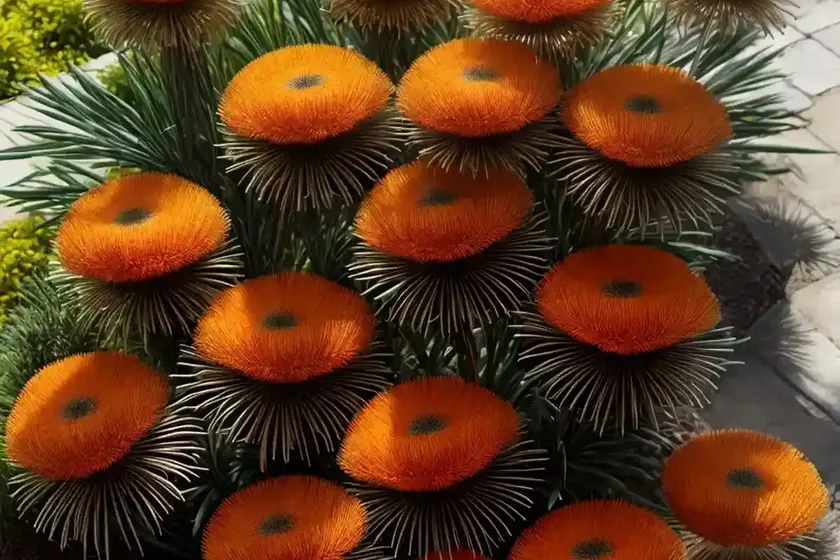
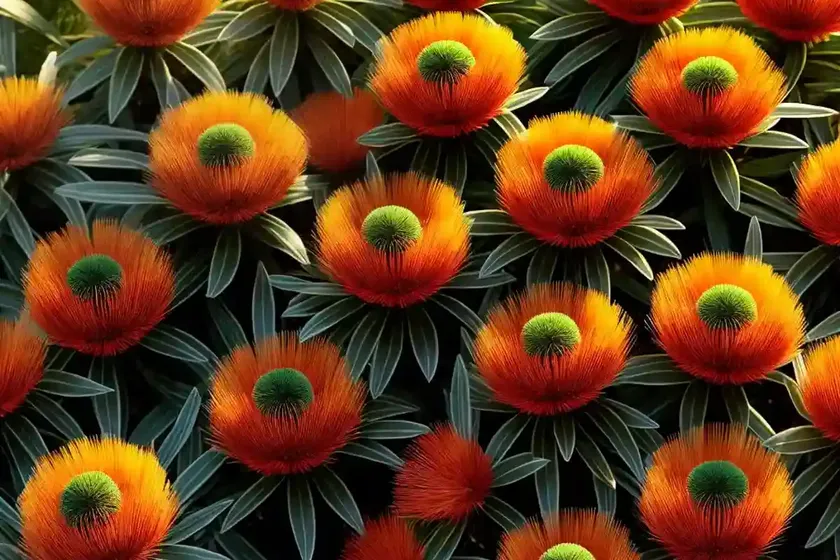
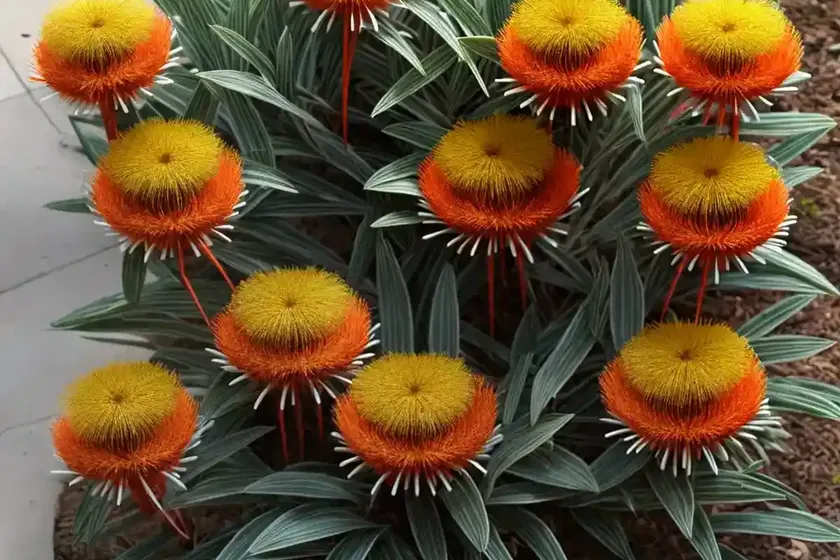
Leucospermum cordifolium, commonly known as the Pincushion, is a species of flowering plant in the family Proteaceae, which is native to South Africa. ‘Flame Giant’ is a delightful variety of this species, renowned for its strikingly vibrant, large flower heads. The name “Nodding Pincushion” aptly describes its distinctive inflorescences that resemble pincushions on slender, nodding stems. These stunning flowers are not only visually captivating but also attract an array of pollinators and wildlife to the garden.
Key Takeaways – Leucospermum Cordifolium ‘Flame Giant’ (Nodding Pincushion)
- Scientific Name: Leucospermum cordifolium ‘Flame Giant’
- Common Name: Nodding Pincushion
- Family: Proteaceae
- Origin: South Africa
- Key Feature: Vibrant, large flower heads
- Distinctive Trait: Resembles pincushions on nodding stems
Culture
Uses
The Leucospermum cordifolium ‘Flame Giant’ holds various uses, making it a versatile addition to both gardens and floral arrangements. Some of its primary uses include:
- Ornamental Purposes: Its vibrant and eye-catching flowers make it an excellent choice for ornamental plantings, adding color and visual interest to gardens and landscapes.
- Cut Flowers: The long-lasting blooms of the ‘Flame Giant’ make it a popular choice for cut flower arrangements, providing a unique and exotic touch.
- Attracting Wildlife: The nectar-rich flowers of the Nodding Pincushion attract pollinators such as bees and birds, contributing to the biodiversity of the surrounding area.
Water
The water requirements of Leucospermum cordifolium ‘Flame Giant’ vary based on its stage of growth and the environmental conditions. However, in general, it is crucial to provide consistent moisture, especially during the plant’s establishment phase. Once established, it exhibits good drought tolerance but benefits from occasional deep watering during dry spells.
Sunlight
As a native of South Africa, the ‘Flame Giant’ thrives in full sun to partial shade. It requires a minimum of 6-8 hours of direct sunlight to ensure healthy growth and prolific flowering.
Fertilizer
Proper fertilization is essential for the optimal growth and flowering of Leucospermum cordifolium ‘Flame Giant’. A balanced, slow-release fertilizer formulated for flowering shrubs can be applied in spring, following the manufacturer’s guidelines. Additionally, incorporating organic matter into the soil during planting provides a steady nutrient supply.
Soil
The Nodding Pincushion thrives in well-draining, acidic to slightly acidic soils. A mixture of coarse sand and loamy soil is ideal for promoting healthy root development and preventing waterlogging. Moreover, ensuring good soil aeration is imperative for the overall well-being of the plant.
Pruning
Pruning plays a vital role in maintaining the health and shape of Leucospermum cordifolium ‘Flame Giant’. Regular deadheading of spent flowers not only enhances the plant’s appearance but also encourages further blooming. Additionally, selective pruning can be performed to remove old, damaged, or diseased growth, promoting vigorous new shoots.
Propagation
The propagation of Leucospermum cordifolium ‘Flame Giant’ can be achieved through various methods, including:
- Seeds: The plant produces seeds within its unique inflorescences. These seeds can be collected and sown in a well-draining seed-starting mix. It is important to mimic its natural habitat’s conditions, providing warmth and moisture for successful germination.
- Cuttings: Stem cuttings can also be taken from healthy, actively growing plants. These cuttings should be treated with a rooting hormone and placed in a suitable rooting medium until they develop roots.
Container Popularity
The ‘Flame Giant’ Pincushion is well-suited for container cultivation, allowing gardeners with limited space to enjoy its beauty and benefits. When grown in containers, it is crucial to select a sizable container with adequate drainage holes to prevent waterlogging. Additionally, using a well-draining potting mix tailored for flowering shrubs can provide the necessary support for healthy growth.
Common Diseases
Disease Diagnosis
Leucospermum cordifolium ‘Flame Giant’ is susceptible to certain diseases that can impact its overall vigor and appearance. Some common diseases include:
- Root Rot: This occurs due to overly wet or poorly drained soils, leading to rotting of the plant’s root system. Symptoms include wilting, yellowing foliage, and stunted growth.
- Powdery Mildew: Characterized by the development of a powdery white substance on the leaves, powdery mildew can weaken the plant and inhibit its photosynthetic capabilities.
- Botrytis Blight: Also known as gray mold, this fungal disease can lead to the development of grayish-brown lesions on the flowers and foliage, potentially causing them to rot.
Common Pests
In addition to diseases, Leucospermum cordifolium ‘Flame Giant’ can also fall victim to various pests, including:
- Aphids: These small, sap-sucking insects can cluster on the tender growth of the plant, causing deformation and yellowing of the leaves.
- Spider Mites: These arachnids can infest the undersides of the leaves, spinning fine webs and causing stippling and discoloration.
- Scale Insects: Recognizable by their immobile, waxy coverings, scale insects feed on the plant’s sap, leading to leaf yellowing and stunted growth.
Botanist’s Tips
- Species Diversity: Explore the myriad of Leucospermum cordifolium varieties, each displaying unique flower colors and growth habits, allowing for diverse and captivating plantings.
- Native Landscaping: Incorporate the ‘Flame Giant’ and other native South African plants into your landscape to create a biodiverse, water-wise garden.
- Pest Prevention: Implement proactive pest management strategies, such as regular monitoring and the use of beneficial insects, to mitigate potential infestations and minimize the need for chemical controls.
Fun Facts
- The colorful inflorescences of Leucospermum cordifolium ‘Flame Giant’ are not actually flowers but rather a collection of numerous individual flowers tightly packed together, creating the appearance of a single large flower.
- The unique structure of the inflorescences makes them attractive to a variety of pollinators, contributing to the plant’s ecological significance.
- In its native habitat, Leucospermum cordifolium is an important component of the fynbos, a distinctive South African shrubland known for its rich biodiversity.
Links to External Resources
Please visit the following resources for more detailed information about the ‘Flame Giant’ Pincushion plant and its cultivation:
- Royal Horticultural Society – Leucospermum
- University of California – Leucospermum Cultivation Guide
Plant Name: “Leucospermum cordifolium ‘Flame Giant’ (Nodding Pincushion)”
In conclusion, the Leucospermum cordifolium ‘Flame Giant’ (Nodding Pincushion) stands as a testament to the marvels of nature, captivating us with its vibrant blooms and enriching our surroundings. By understanding its culture, care needs, and ecological significance, we can foster the growth of this remarkable plant and appreciate its beauty in our gardens and landscapes.
Remember to cherish the unique virtues of the ‘Flame Giant’ Pincushion and explore the wondrous world of native flora, celebrating the diversity and resilience of our natural ecosystems.
This article serves as a comprehensive guide on the Leucospermum cordifolium ‘Flame Giant’ (Nodding Pincushion), presenting insightful information to aid plant enthusiasts, horticulturists, and nature lovers in nurturing and appreciating this extraordinary species.


