Leucanthemum X Superbum (Shasta Daisy)
Leucanthemum x superbum, commonly known as Shasta Daisy, is a beautiful and versatile flowering plant that is popular among gardeners for its stunning.
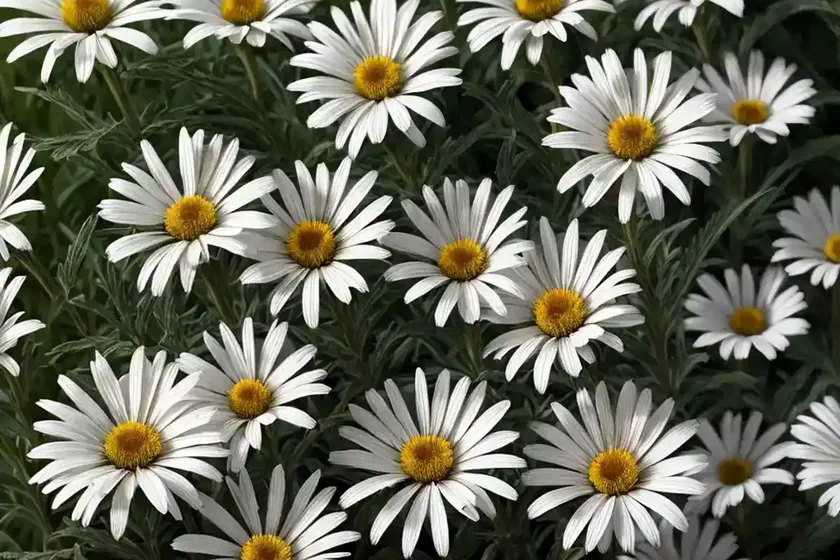
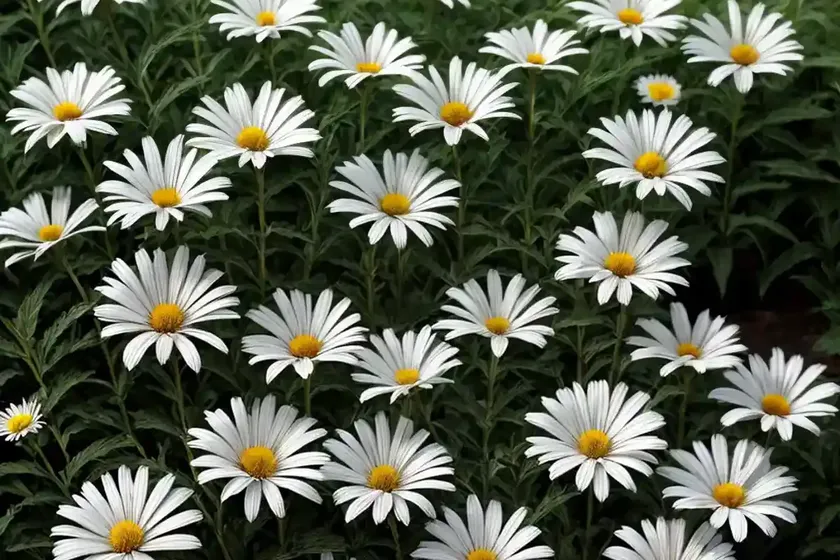
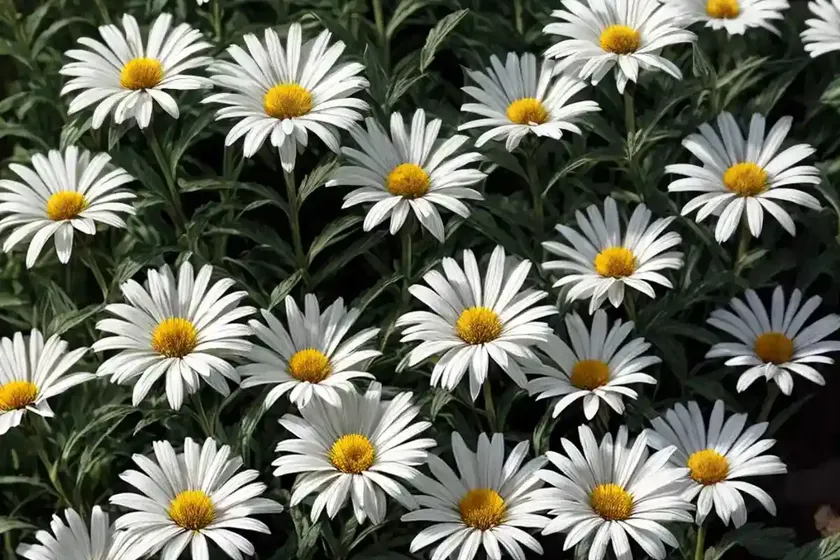
Leucanthemum x superbum, commonly known as Shasta Daisy, is a beautiful and versatile flowering plant that is popular among gardeners for its stunning blooms. In this comprehensive guide, we will explore the key aspects of Shasta Daisy, including its culture, uses, care requirements, and much more.
What is Leucanthemum x superbum (Shasta Daisy)?
Leucanthemum x superbum, a hybrid of various daisy species, is a member of the Asteraceae family. It is native to Europe and has become a beloved ornamental plant in gardens and landscapes around the world. Shasta Daisy is known for its large, white, daisy-like flowers with a bright yellow center, creating a striking and classic look. The plant typically reaches a height of 2 to 3 feet and is adorned with deep green, toothed, and lance-shaped leaves, adding to its visual appeal.
Key Takeaways
Let’s delve into the various aspects of Shasta Daisy, including its cultural significance, care requirements, uses, and much more.
Culture
Culturally, Shasta Daisy holds significance as a symbol of purity, simplicity, and innocence. Its bright and cheerful blooms have made it a popular choice for adorning gardens, borders, and flower arrangements, adding a touch of classic elegance and charm.
Uses
Shasta Daisy has versatile uses in landscaping and gardening, making it a valuable addition to various settings:
- Garden Borders: The plant’s showy blooms make it an excellent choice for lining garden borders, adding a splash of brightness and a traditional touch to the landscape.
- Cut Flower Arrangements: Shasta Daisy’s long stems and enduring blooms make it ideal for creating stunning cut flower arrangements, bringing a touch of the outdoors indoors.
- Pollinator Gardens: The nectar-rich flowers of Shasta Daisy attract bees, butterflies, and other beneficial pollinators, making it a valuable addition to pollinator-friendly gardens.
- Naturalizing: Shasta Daisy can naturalize in suitable environments, creating beautiful sweeps of white flowers that enliven meadows and open spaces.
Water
Shasta Daisy thrives in well-drained soil and prefers consistently moist conditions. While it is important not to oversaturate the soil, regular watering, especially during dry periods, is essential to support healthy growth and prolific blooming.
Sunlight
Shasta Daisy flourishes in full sun to partial shade, with an optimal preference for at least 6 hours of direct sunlight a day. Adequate sunlight is crucial for ensuring robust growth and abundant flowering.
Fertilizer
When it comes to fertilizing Shasta Daisy, a balanced, all-purpose fertilizer can be applied in early spring to support healthy growth and blooming. It is important to follow the manufacturer’s instructions regarding application rates and frequency to avoid overfeeding.
Soil
Shasta Daisy thrives in well-drained, fertile soil with a slightly acidic to neutral pH level. Amending the soil with organic matter, such as compost, can enhance its moisture retention and nutrient content, providing an ideal growing medium for the plant.
Pruning
Regular deadheading and light pruning can promote continuous blooming and maintain a tidy appearance. By removing spent flowers and cutting back the stems after the initial flowering period, gardeners can encourage the development of new blooms and prevent the plant from becoming leggy.
Propagation
Shasta Daisy can be propagated through division or by taking stem cuttings. Division is typically carried out in early spring or fall, while stem cuttings can be rooted in a suitable growing medium to produce new plants.
Container Popularity
Due to its compact and clump-forming growth habit, Shasta Daisy is well-suited for container gardening, adding a touch of elegance and charm to patios, balconies, and outdoor living spaces. The plant’s ability to thrive in containers makes it a versatile choice for those with limited garden space.
Container
When planting Shasta Daisy in a container, it is essential to select a pot with adequate drainage holes to prevent waterlogging. Using a high-quality, well-draining potting mix and providing sufficient sunlight and water are key factors for successfully cultivating Shasta Daisy in containers.
Common Diseases
While Shasta Daisy is relatively resistant to diseases, it can be susceptible to certain issues under unfavorable growing conditions. Common diseases that may affect Shasta Daisy include:
- Powdery Mildew: A fungal disease that manifests as white, powdery patches on the leaves and stems, often caused by high humidity and poor air circulation.
- Root Rot: Excessive soil moisture can lead to root rot, causing the plant to exhibit wilting, yellowing leaves, and stunted growth.
Disease Diagnosis
Diagnosing diseases in Shasta Daisy involves closely observing the plant for symptoms such as unusual spots, discoloration, wilting, or stunted growth. Seeking assistance from a local extension office or a plant specialist can aid in accurately identifying and addressing any disease issues.
Common Pests
Shasta Daisy is relatively resistant to many pests, but it may occasionally encounter pest-related challenges, including:
- Aphids: These small, soft-bodied insects can gather on the new growth and undersides of leaves, leading to distorted growth and a sticky residue known as honeydew.
- Thrips: Thrips can cause damage by feeding on the plant’s tissues, resulting in silvery speckling and distorted growth.
Botanist’s Tips
To ensure the successful cultivation of Shasta Daisy, consider the following expert tips:
- Companion Planting: Pair Shasta Daisy with companion plants such as lavender, salvia, coreopsis, and ornamental grasses to create visually appealing and ecologically beneficial garden landscapes.
- Mulching: Applying a layer of organic mulch around the base of the plant can help conserve soil moisture, suppress weed growth, and enhance the overall health of Shasta Daisy.
- Winter Care: Providing a layer of mulch or compost around the base of the plant in late fall can help protect the roots and crown during the winter months.
Fun Facts
- The name “Shasta Daisy” is derived from its resemblance to the snow-capped Mount Shasta in California.
- Shasta Daisy has been a popular subject in the art world, with its timeless beauty inspiring numerous paintings, photographs, and creative works.
Links to External Resources
To further expand your knowledge and appreciation of Shasta Daisy, explore the following external resources:
- The American Daisy Society
- Royal Horticultural Society: Leucanthemum x superbum
- University of Massachusetts Amherst: Growing Perennials in Containers
As a resilient and beautiful flowering plant, Shasta Daisy continues to captivate gardeners and nature enthusiasts with its timeless allure. By understanding its care requirements, uses, and fascinating attributes, you can embark on a rewarding journey of growing and appreciating the enduring beauty of Leucanthemum x superbum. Whether adorning garden borders, enhancing floral displays, or attracting beneficial wildlife, Shasta Daisy stands as a symbol of natural splendor and charm.