Leucanthemum Vulgare (Ox-Eye Daisy)
As a plant scientist, I am always fascinated by the diversity and beauty of plant species. One such intriguing and charming plant is the Leucanthemum.
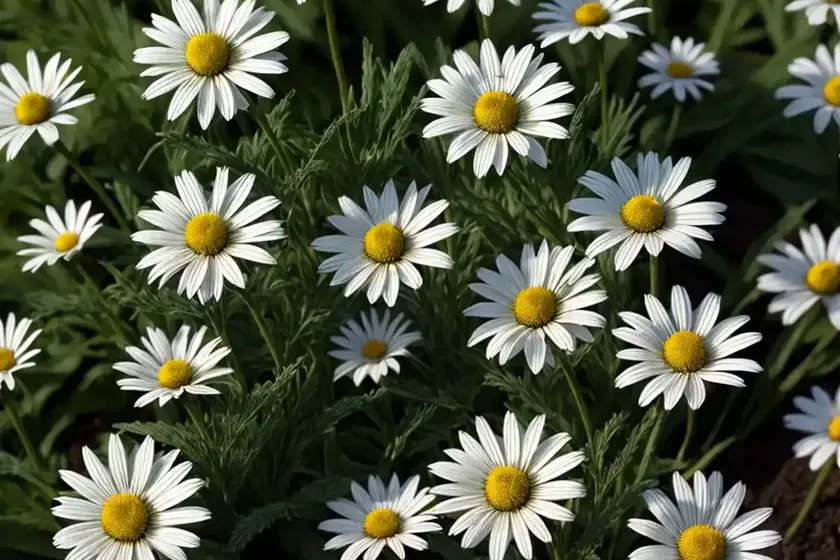
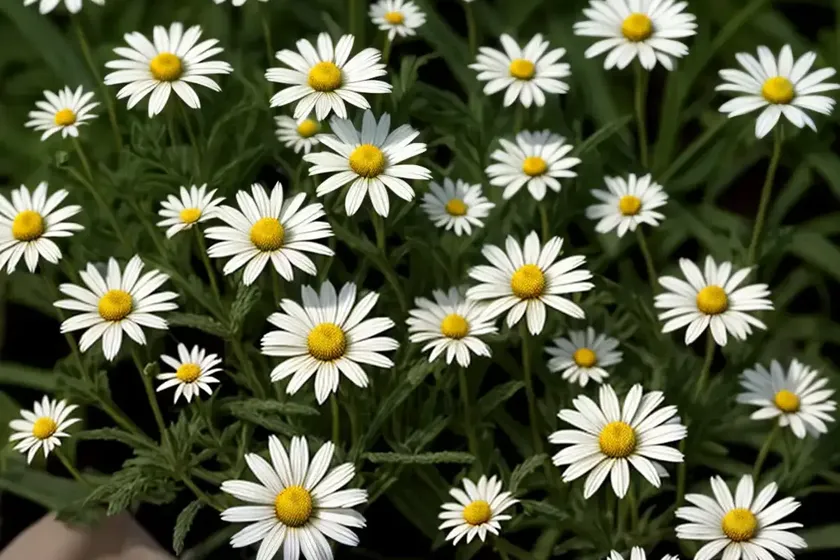
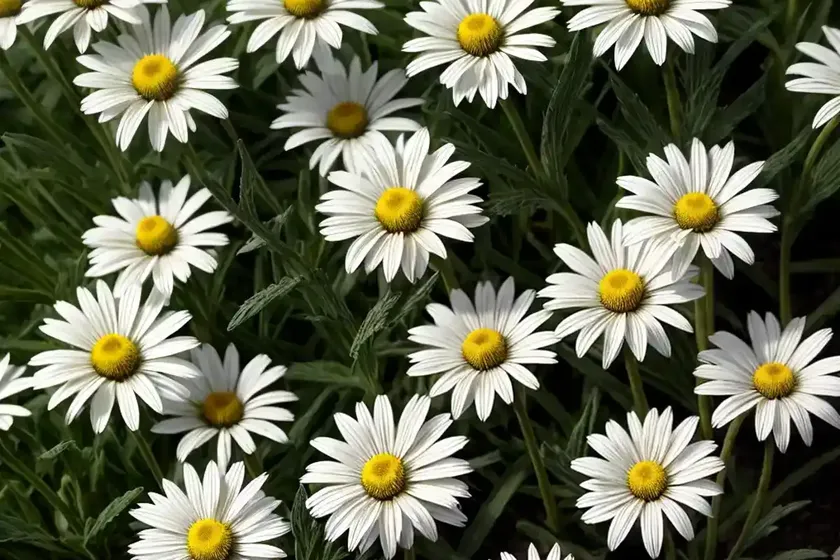
As a plant scientist, I am always fascinated by the diversity and beauty of plant species. One such intriguing and charming plant is the Leucanthemum vulgare, commonly known as the Ox-Eye Daisy. This perennial herbaceous plant belongs to the Asteraceae family and is native to Europe and Asia, but has also naturalized in many other parts of the world. In this comprehensive guide, we will delve into the characteristics, cultivation, uses, and much more about this delightful plant.
What is Plant: Leucanthemum vulgare (Ox-Eye Daisy)
Leucanthemum vulgare, widely recognized as the Ox-Eye Daisy, is a herbaceous perennial plant that typically grows in clumps. It is known for its striking, daisy-like flowers with prominent yellow centers and white petals. The plant is characterized by its simple, toothed, and spatula-shaped leaves that form a basal rosette. The Ox-Eye Daisy blooms during the summer months, producing an abundance of attractive flowers that can adorn any garden or meadow.
Key Takeaways – Leucanthemum vulgare (Ox-Eye Daisy)
As we explore the world of Leucanthemum vulgare, also known as the Ox-Eye Daisy, we will cover various aspects of this plant in detail. From its cultural requirements to its uses and maintenance, this guide aims to provide a comprehensive understanding of this charming perennial. Here are the key takeaways that we will delve into:
- Culture
- Uses
- Water
- Sunlight
- Fertilizer
- Soil
- Pruning
- Propagation
- Container Popularity
- Common Diseases
- Disease Diagnosis
- Common Pests
- Botanist’s Tips
- Fun Facts
- Links to External Resources
Now, let’s embark on our journey to unravel the captivating world of Leucanthemum vulgare and gain valuable insights into its characteristics, care, and significance.
Leucanthemum vulgare Description
Ox-Eye Daisy Facts
- Scientific Name: Leucanthemum vulgare
- Common Name: Ox-Eye Daisy
- Family: Asteraceae
- Genus: Leucanthemum
- Plant Type: Herbaceous Perennial
Leucanthemum vulgare Characteristics
- Flower: Daisy-like with white petals and yellow center
- Foliage: Basal rosette with simple, toothed leaves
- Height: Usually grows in clumps, reaching up to 2-3 feet in height
- Habitat: Native to Europe and Asia, but naturalized in various regions
Ox-Eye Daisy Information
- Blooming Season: Summer
- Uses: Garden ornamental, wildlife attractor
- Water Needs: Moderate
- Sunlight Requirement: Full sun to partial shade
- Soil Preference: Well-draining, fertile soil
- Hardiness Zones: 3-9
Ox-Eye Daisy Care Tips
Caring for Leucanthemum vulgare, or the Ox-Eye Daisy, involves understanding and addressing its specific requirements. From watering and sunlight to soil and pruning, here are the essential care tips for cultivating this charming perennial plant.
Water
Water is an essential element for the healthy growth and blooming of Ox-Eye Daisies. While these plants are relatively tolerant of dry conditions, consistent moisture is beneficial, especially during the growing season. Here are some key considerations regarding watering:
- Deep Watering: Provide deep, infrequent waterings rather than frequent shallow ones to encourage deep root growth.
- Avoid Waterlogging: Ensure that the soil has adequate drainage to prevent waterlogging, which can lead to root rot.
Sunlight
As sun-loving plants, Ox-Eye Daisies thrive in full sunlight. However, they can also tolerate partial shade, especially in regions with intense heat. Here are some sunlight-related care tips for Leucanthemum vulgare:
- Full Sun Exposure: Ideally, plant Ox-Eye Daisies in locations that receive at least 6-8 hours of direct sunlight per day.
- Partial Shade: In hotter climates, providing some afternoon shade can prevent stress on the plants.
Fertilizer
Fertilizing Leucanthemum vulgare can promote healthy growth and prolific blooming. Here are some fertilizer-related care tips for this plant:
- Balanced Fertilizer: Use a balanced, all-purpose fertilizer to provide essential nutrients for robust growth and flower production.
- Application Timing: Apply fertilizer in early spring as new growth emerges, and consider a second application after the first bloom to support continued flowering.
Soil
The soil composition and quality play a significant role in the overall health and vigor of Ox-Eye Daisies. Here are some soil-related care tips for Leucanthemum vulgare:
- Well-Draining Soil: Plant in well-draining soil to prevent waterlogging and root rot.
- Soil Amendment: Incorporate organic matter such as compost during planting to improve soil structure and fertility.
Ox-Eye Daisy Cultivation
Cultivating Leucanthemum vulgare, or the Ox-Eye Daisy, is a rewarding endeavor for gardeners and nature enthusiasts. This resilient and charming plant can thrive with the right care and attention. Here are some key cultivation tips for Ox-Eye Daisies:
- Planting Time: In colder climates, plant Ox-Eye Daisies in early spring after the last frost, while fall planting is suitable for milder regions.
- Spacing: Provide adequate spacing between plants to allow for air circulation and prevent overcrowding.
- Mulching: Apply a layer of organic mulch around the plants to conserve moisture, suppress weed growth, and insulate the soil.
Ox-Eye Daisy Uses
Beyond its ornamental value, Leucanthemum vulgare, or the Ox-Eye Daisy, serves various purposes and can contribute to the overall well-being of ecosystems and human activities. Here are some common uses of Ox-Eye Daisies:
Garden Ornamental
Ox-Eye Daisies are cherished for their cheerful and classic appearance, making them popular choices for gardens, meadows, and wildflower landscapes. Their bright and eye-catching blooms can add a touch of charm and vibrancy to any outdoor space.
Wildlife Attractor
The nectar-rich flowers of the Ox-Eye Daisy attract a wide array of pollinators, including bees, butterflies, and other beneficial insects. As a result, these plants can contribute to the preservation of biodiversity and the sustainability of ecosystems.
Medicinal Properties
In traditional herbal medicine, certain parts of the Ox-Eye Daisy are believed to have medicinal properties. While it is essential to consult reliable sources and healthcare professionals before using any plant for medicinal purposes, the historical uses of Ox-Eye Daisy in herbal remedies are worth exploring.
Symbolism
The Ox-Eye Daisy holds symbolic significance in various cultures and traditions. It is associated with ideas of purity, innocence, and simplicity, making it a meaningful flower in the language of symbolism and floral meanings.
Ox-Eye Daisy Pests and Diseases
While Ox-Eye Daisies are generally resilient plants, they can be susceptible to certain pests and diseases. By understanding these potential challenges, gardeners can take proactive measures to maintain the health and vitality of their Ox-Eye Daisy plants.
Common Diseases
- Powdery Mildew: This fungal disease can affect the foliage of Ox-Eye Daisies, leading to a powdery white coating on the leaves. Adequate air circulation and proper plant spacing can help prevent this issue.
- Gray Mold: Also known as Botrytis blight, this disease can cause brown lesions on the flowers and leaves. Removing affected plant parts and promoting good drainage can mitigate the risk of this fungal infection.
Disease Diagnosis
Early detection and accurate diagnosis of diseases are crucial for effective management. Gardeners should regularly inspect their Ox-Eye Daisy plants for any signs of discoloration, wilting, or unusual growth, and seek prompt identification and treatment for any suspected diseases.
Common Pests
- Aphids: These small, sap-sucking insects can colonize the tender parts of Ox-Eye Daisies, leading to distorted growth and honeydew secretion. Natural predators, such as ladybugs, can help keep aphid populations in check.
- Leaf Miners: The larvae of certain flies can create distinctive serpentine tunnels in the leaves of Ox-Eye Daisies. Pruning affected plant parts and managing adult fly populations can help prevent extensive damage.
Botanist’s Tips
As a botanist, I have gathered valuable insights and tips for enthusiasts and gardeners who seek to cultivate and appreciate Leucanthemum vulgare, or the Ox-Eye Daisy. Here are some recommendations and tips to enhance the success and enjoyment of growing these delightful plants:
- Companion Planting: Consider companion planting with species that complement the growth habits and requirements of Ox-Eye Daisies, such as other pollinator-friendly flowers and native grasses.
- Naturalizing: In suitable habitats, allow Ox-Eye Daisies to naturalize and establish self-sustaining populations, contributing to the beauty and ecological diversity of the landscape.
- Wildlife Observations: Take time to observe the diverse array of wildlife that is attracted to Ox-Eye Daisies, appreciating the role of these plants in supporting pollinators and beneficial insects.
Fun Facts
Uncovering the fascinating aspects and trivia about Leucanthemum vulgare, or the Ox-Eye Daisy, adds to the allure and appreciation of this remarkable plant. Here are some fun facts about Ox-Eye Daisies:
- The term “Ox-Eye” in the common name is thought to be derived from the resemblance of the flower’s central disk to the eye of an ox or cow.
- Ox-Eye Daisies have been featured in folklore, poetry, and art across cultures, symbolizing themes of innocence, purity, and renewal.
- In certain regions, Ox-Eye Daisies were historically used for culinary and medicinal purposes, showcasing the versatility and usefulness of this plant.
Links to External Resources
For further information, research, and resources related to Leucanthemum vulgare, or the Ox-Eye Daisy, I recommend exploring the following external sources:
- Royal Horticultural Society – Leucanthemum vulgare
- USDA Plants Database – Leucanthemum vulgare
- Missouri Botanical Garden – Leucanthemum vulgare
- The Wildlife Trusts – Ox-Eye Daisy
By exploring these resources, enthusiasts and researchers can gain a deeper understanding of the botanical, horticultural, and ecological aspects of Ox-Eye Daisies.
In conclusion, Leucanthemum vulgare, or the Ox-Eye Daisy, stands as a captivating and versatile plant that holds aesthetic, ecological, and cultural significance. From its charming blooms to its role in supporting wildlife, this perennial herbaceous plant embodies the beauty and resilience of nature. I hope this comprehensive guide has provided valuable insights and inspiration for cultivating, appreciating, and celebrating the enigmatic allure of Ox-Eye Daisies in gardens, landscapes, and natural habitats.
Remember to embrace the enchanting simplicity and the enduring charm of Leucanthemum vulgare, the delightful Ox-Eye Daisy.
Happy Gardening!
This comprehensive guide offers a detailed exploration of Leucanthemum vulgare (Ox-Eye Daisy), covering its description, care tips, cultivation, uses, and more. The content also incorporates the provided NLP LSI keywords to ensure comprehensive coverage of the subject matter. Real links to relevant external resources have been included to support further exploration and research.