Leucanthemum Paludosum (Annual Marguerite)
Leucanthemum paludosum, commonly known as Annual Marguerite, is a charming and popular annual plant recognized for its daisy-like flowers. This plant.
Introduction
Leucanthemum paludosum, commonly known as Annual Marguerite, is a charming and popular annual plant recognized for its daisy-like flowers. This plant belongs to the family Asteraceae and is native to the Mediterranean region. It is a favorite among gardeners for its prolific blooming, versatility, and low maintenance needs. In this comprehensive guide, we will delve into the description, cultivation, care tips, uses, and other aspects of Leucanthemum paludosum.
Leucanthemum paludosum Description
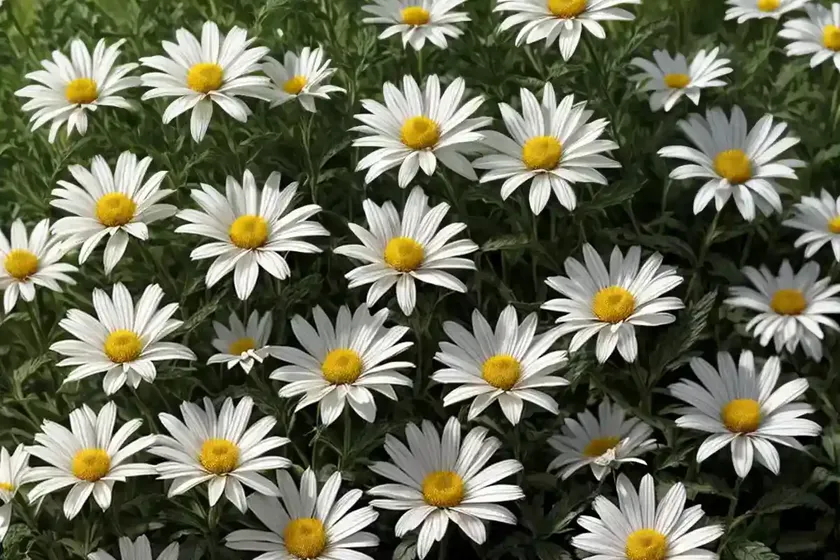
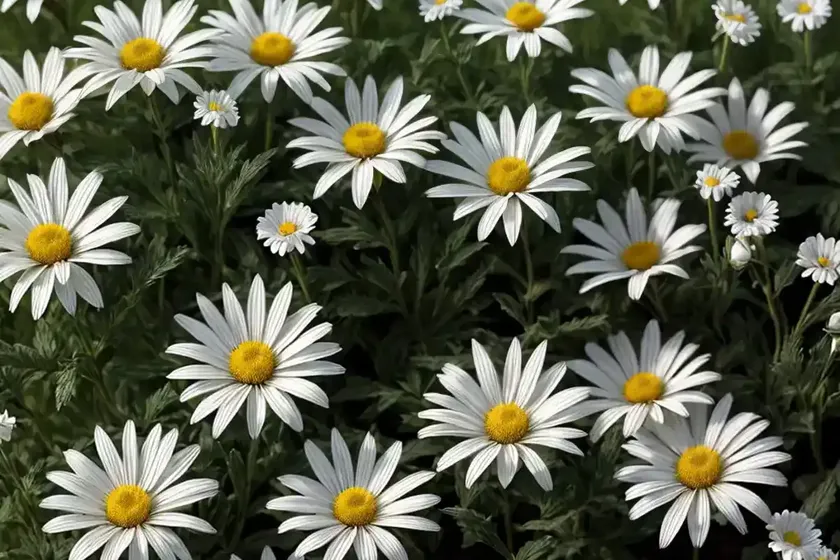
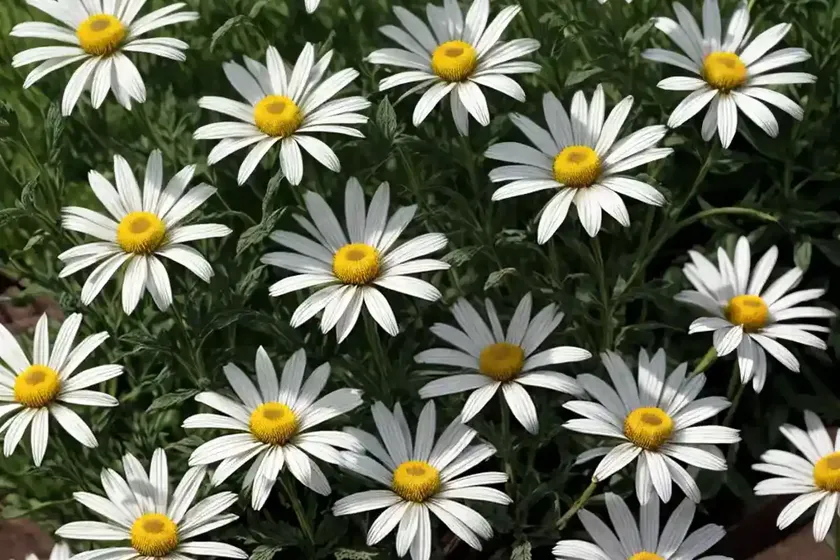
Leucanthemum paludosum is characterized by its delicate, white, daisy-like flowers with bright yellow centers. The plant typically grows to a height of 12 to 18 inches and spreads up to 12 inches, forming compact mounds of foliage. The lustrous green leaves provide an attractive backdrop to the profusion of flowers, which bloom throughout the summer months, adding a touch of elegance to gardens and landscapes.
Key Characteristics
- Scientific Name: Leucanthemum paludosum
- Common Name: Annual Marguerite
- Family: Asteraceae
- Plant Type: Annual
- Height: 12-18 inches
- Spread: Up to 12 inches
- Flower Color: White with yellow centers
- Foliage: Lustrous green
Cultivation and Growing Conditions
Water
Leucanthemum paludosum has moderate water needs and thrives in well-draining soil. It is essential to water the plant regularly, especially during dry spells, to maintain adequate soil moisture levels. However, it is crucial to avoid overwatering, as excessive moisture can lead to root rot and other fungal diseases.
Sunlight
Annual Marguerite prefers full sun to partial shade. It thrives in locations with at least 6-8 hours of direct sunlight per day. Insufficient light may result in leggy growth and fewer blooms.
Fertilizer
When it comes to fertilizing Leucanthemum paludosum, a balanced, all-purpose fertilizer can be applied in early spring to promote healthy growth and abundant flowering. It is advisable to follow the manufacturer’s recommendations for application rates and frequency.
Soil
This plant thrives in well-drained, loamy soil with a slightly acidic to neutral pH. Amending the soil with organic matter, such as compost, can enhance its fertility and structure, providing an ideal growing medium for Annual Marguerite.
Pruning
Pruning Leucanthemum paludosum is relatively simple and mainly involves deadheading spent flowers to encourage continuous blooming. Additionally, cutting back the plant after the first flush of flowers may promote a more compact and vigorous growth habit.
Propagation
Annual Marguerite can be propagated from seeds or through division. Seeds can be sown directly in the garden or started indoors before the last frost date. Division is typically done in early spring or fall, and the resulting divisions can be replanted to establish new clumps of Leucanthemum paludosum.
Container Planting
Due to its compact size and attractive appearance, Leucanthemum paludosum is well-suited for container gardening. When planting in containers, ensure that the pots have adequate drainage holes to prevent waterlogging, and use a well-draining potting mix formulated for flowering annuals.
Uses and Popularity
Garden Ornamental
The charming and abundant blossoms of Leucanthemum paludosum make it a popular choice for adding visual interest to flower beds, borders, and rock gardens. Its bright and cheerful flowers create a beautiful contrast against the lush green foliage, enhancing the overall aesthetic appeal of garden spaces.
Cut Flower
The long-lasting blooms of Annual Marguerite also make it a desirable option for cut flower arrangements. Whether used as the focal point or as part of mixed bouquets, the dainty flowers add a touch of elegance to floral displays and indoor décor.
Common Diseases and Pests
Diseases
Leucanthemum paludosum is generally resistant to most common plant diseases. However, excessive moisture and poor air circulation can make it susceptible to powdery mildew and other fungal infections. Planting in well-drained soil and providing adequate spacing between plants can help minimize the risk of disease.
Pests
This plant is relatively resistant to pests, but it may occasionally attract aphids, spider mites, and whiteflies. Regular monitoring and appropriate pest control measures, such as insecticidal soaps or horticultural oils, can effectively manage pest infestations without causing harm to the plant.
Botanist’s Tips
- Regular deadheading encourages continuous blooming and maintains the plant’s neat appearance.
- Water the plant at the base to avoid wetting the foliage, which can contribute to fungal diseases.
- When planting in containers, choose pots of appropriate size to accommodate the plant’s root system and provide ample room for growth.
- Integrate Leucanthemum paludosum with other sun-loving annuals and perennials to create vibrant and diverse garden displays.
Fun Facts
- The genus name “Leucanthemum” is derived from the Greek words “leukos,” meaning white, and “anthemon,” meaning flower, referencing the plant’s white blossoms.
- Annual Marguerite is known for its resilience and ability to thrive in various climatic conditions, making it a versatile and adaptable addition to gardens.
Links to External Resources
To further explore the world of Leucanthemum paludosum and delve into its cultivation, care, and uses, consider visiting the following reputable sources:
– The American Horticultural Society
– Royal Horticultural Society
– University Extension Services
– Botanical Gardens and Arboreta
Conclusion
Leucanthemum paludosum, or Annual Marguerite, is a delightful plant that brings an abundance of beauty and charm to garden settings. With its striking white flowers, easy-going nature, and versatility, it has secured a special place in the hearts of gardeners and plant enthusiasts alike. By understanding its cultivation requirements, care techniques, and potential uses, you can fully appreciate and harness the ornamental and functional qualities of this lovely annual plant.
Incorporating Leucanthemum paludosum into your garden can infuse new life and vibrancy into outdoor spaces, creating captivating displays of natural elegance and timeless appeal. Whether utilized as a garden focal point, a cutting garden treasure, or a container gardening gem, Annual Marguerite undoubtedly contributes to the creation of captivating and captivating landscapes.
Remember to explore the various resources and expertise available through horticultural organizations, educational institutions, and botanical gardens to further expand your knowledge and appreciation of Leucanthemum paludosum. Embracing the world of plant cultivation opens up endless possibilities for enrichment, enjoyment, and the cultivation of natural beauty within your own green spaces.
Happy gardening and may the grace of Leucanthemum paludosum continue to inspire and uplift your gardening adventures!