Leopard Lily (Iris Domestica)
The Leopard Lily, scientifically known as Iris domestica or Belamcanda chinensis, is a unique flowering plant that belongs to the family Iridaceae. It is.
Introduction to the Leopard Lily (Iris domestica)
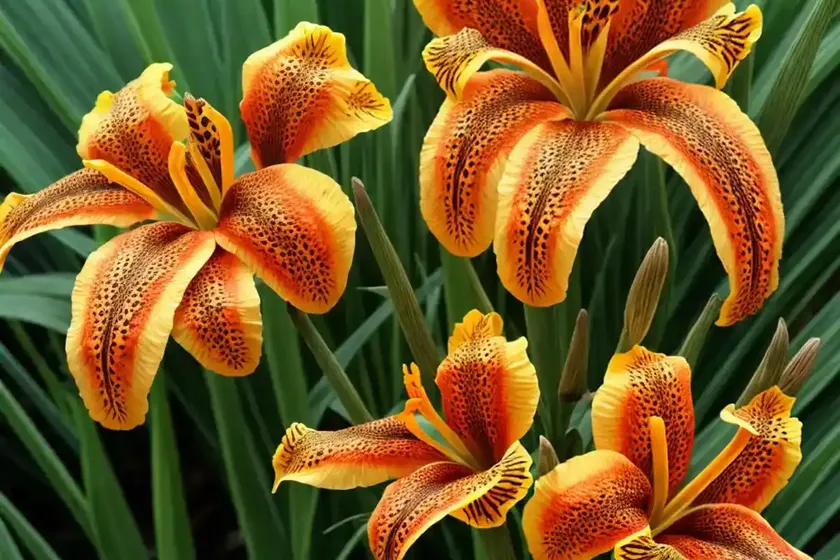
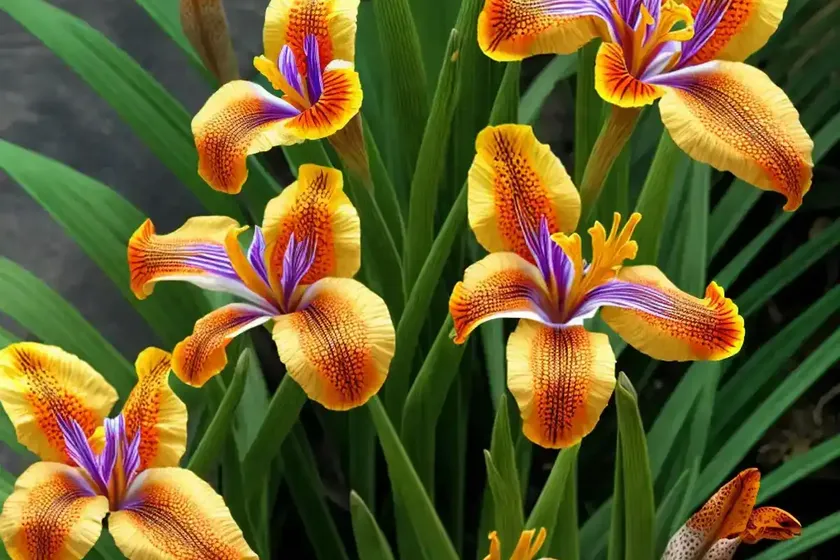
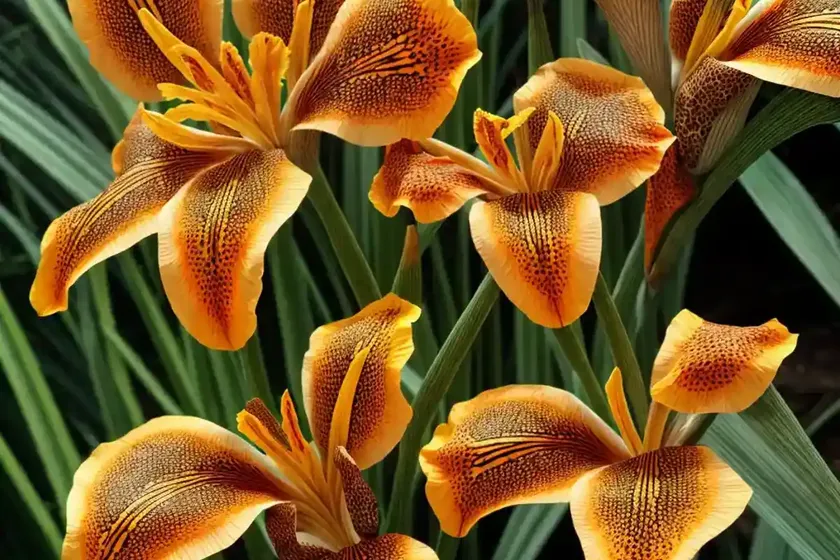
The Leopard Lily, scientifically known as Iris domestica or Belamcanda chinensis, is a unique flowering plant that belongs to the family Iridaceae. It is commonly referred to as the “Blackberry Lily” or “Leopard Flower,” owing to the distinctive appearance of its flowers and seed pods. This perennial plant is native to parts of Asia, including China and Japan, and is widely admired for its vibrant blooms and ornamental value. In this comprehensive guide, we will delve into the various aspects of Leopard Lily cultivation, including its cultural requirements, uses, propagation methods, and common maintenance practices.
Key Takeaways – Leopard Lily (Iris domestica)
Before delving into the specifics of Leopard Lily care and cultivation, it’s essential to understand some key takeaways that characterize this remarkable plant.
- Cultural Uses: Leopard Lily is primarily cultivated for its ornamental value, adding a touch of elegance to gardens, landscapes, and floral arrangements.
- Water: It thrives in well-drained soil and requires moderate watering to maintain optimal growth and flowering.
- Sunlight: Partial to full sunlight exposure is preferred to encourage robust growth and prolific blooming.
- Fertilizer: A balanced, organic fertilizer can bolster the plant’s vigor and enhance flower production.
- Soil: Well-draining, nutrient-rich soil with slightly acidic to neutral pH levels is ideal for Leopard Lily cultivation.
- Pruning: Occasional deadheading and removal of spent foliage promote tidiness and aesthetics in the garden.
- Propagation: Leopard Lily can be propagated through rhizome division or seed sowing, offering flexibility for expanding its presence in the garden.
- Container Popularity: Its compact nature makes it well-suited for container gardening, allowing individuals with limited garden space to enjoy its beauty.
Now, let’s explore each of these aspects in greater detail to gain a comprehensive understanding of Leopard Lily cultivation and maintenance.
What is Leopard Lily (Iris domestica)?
Leopard Lily, scientifically known as Iris domestica or Belamcanda chinensis, is a rhizomatous perennial plant that stands out for its striking and intricate flowers. It is an herbaceous flowering species that typically reaches a height of 60-90 cm (24-36 inches) and exhibits graceful, sword-shaped leaves. The showy flowers of Leopard Lily emerge in mid to late summer, adorning the garden with their distinctive hues and patterns.
Culture
Culturally, Leopard Lily holds historical significance in traditional Chinese medicine, where its rhizomes have been used for their medicinal properties. In addition to its medicinal uses, it has gained popularity as an ornamental plant in gardens and landscapes due to its unique aesthetic appeal. Leopard Lily’s cultural significance also extends to the realm of floral arrangements and landscaping, where its vivid blooms and ornamental foliage are valued for their decorative impact.
Uses
The primary utility of Leopard Lily lies in its ornamental value. Its vibrant flowers and intriguing seed pods make it a coveted addition to garden beds, borders, and mixed perennial plantings. Additionally, the plant’s rhizomes have been utilized in traditional herbal medicine for various therapeutic purposes, underscoring its historical and cultural importance.
Leopard Lily Cultivation
Now, let’s delve into the specific cultivation requirements and care guidelines for nurturing healthy and thriving Leopard Lilies.
Water
- Leopard Lily requires moderate watering, and it is essential to maintain slightly moist soil, especially during the active growing season.
- However, it’s crucial to avoid overwatering, as standing water can lead to root rot and other moisture-related issues.
Sunlight
- Partial to full sunlight exposure is preferred for Leopard Lily. It thrives in locations with ample sunlight, which is crucial for promoting robust growth and profuse flowering.
- While it can tolerate some shade, maximum blooms and overall vigor are achieved in full sun conditions.
Fertilizer
- The application of a balanced, organic fertilizer in the early spring can significantly enhance the plant’s vigor and contribute to increased flower production.
- It’s advisable to follow the manufacturer’s recommendations regarding the frequency and dosage of fertilizer application.
Soil
- Well-drained, fertile soil with a slightly acidic to neutral pH level is optimal for Leopard Lily cultivation.
- Incorporating organic matter, such as compost, into the soil can further enrich its texture and nutrient content, providing an ideal growing medium for the plant.
Pruning
Pruning practices for Leopard Lily primarily entail deadheading spent flowers to promote continuous blooming and tidiness in the garden. Additionally, removing any yellowing or withered foliage can contribute to the plant’s overall appearance and health.
Propagation
- Leopard Lily can be propagated through rhizome division or seed sowing.
- Rhizome division is a common and effective method, especially during the plant’s dormant period in early spring or late fall.
- Seed sowing can also be pursued, although it may take longer to yield mature, flowering plants.
Container Gardening with Leopard Lily
For gardening enthusiasts and individuals with limited outdoor space, Leopard Lily’s compact nature makes it an excellent candidate for container gardening. When cultivating Leopard Lily in containers, the same basic care guidelines apply, tailored to the specific needs of container-bound plants.
Common Diseases
Leopard Lily is generally hardy and resilient, but it may be susceptible to certain diseases and pests under unfavorable conditions. Understanding the common diseases associated with Leopard Lily is crucial for implementing proactive measures to prevent and manage potential issues.
Disease Diagnosis:
– The incidence of leaf spot diseases, fungal infections, or viral diseases may manifest as discolored or distorted foliage, stunted growth, or reduced flowering.
– Prompt diagnosis and appropriate treatment measures, such as pruning affected parts and applying fungicidal treatments, can help mitigate disease-related challenges.
Common Pests
- Aphids: These sap-sucking pests can infest Leopard Lily plants, causing distortion and stunted growth.
- Spider Mites: These tiny arachnids can thrive in dry conditions and may cause stippling and webbing on the plant’s foliage.
- Additionally, caterpillars and slugs may occasionally feed on the leaves and flowers of Leopard Lily.
Botanist’s Tips:
– Regular monitoring of the plant for signs of pest infestation is key to early detection and intervention.
– When addressing pest issues, organic pest control methods and insecticidal soaps can be pursued to minimize the impact on beneficial organisms and the overall garden ecosystem.
Fun Facts
As we unravel the enchanting world of Leopard Lily, let’s uncover some captivating fun facts about this alluring ornamental plant.
- Leopard Lily is renowned for its unique seed pods, which resemble clusters of glossy blackberries, inspiring its alternate moniker, “Blackberry Lily.”
- The plant’s rhizomes have been historically utilized in traditional Chinese medicine for their purported medicinal properties, contributing to its cultural and medicinal significance.
- While often grown for its ornamental appeal, Leopard Lily’s resilience and adaptability make it a versatile and valued addition to various landscaping and garden design applications.
Links to External Resources
Harnessing the wealth of knowledge and expertise available in reputable external resources can further enrich our understanding of Leopard Lily cultivation and related aspects. Here are some valuable links to explore:
-
American Iris Society: The official website of the American Iris Society offers a wealth of information on Iris species, including Leopard Lily, along with forums and resources for enthusiasts.
-
Royal Horticultural Society – Growing Iris: The Royal Horticultural Society provides comprehensive guidance on growing various Iris species, incorporating valuable insights applicable to Leopard Lily cultivation.
-
University of Illinois Extension – Perennial Flowers: The University of Illinois Extension’s perennial flower resources offer valuable insights into cultivating and caring for perennial plants like Leopard Lily.
With our knowledge enriched by these external resources, we can further enhance our Leopard Lily cultivation practices and appreciation for this captivating plant.
In conclusion, the Leopard Lily (Iris domestica) stands as a remarkable botanical gem, weaving together ornamental allure, cultural significance, and resilience in the realm of horticulture. As we embrace the art of cultivating and nurturing Leopard Lily, we immerse ourselves in a world of vibrant blossoms, unique foliage, and botanical enchantment. From its cultural uses and propagation methods to its ecological benefits and ornamental charm, the Leopard Lily continues to captivate plant enthusiasts and horticulturists, offering a tapestry of beauty and botanical intrigue for all to savor and celebrate.


