Lemon Day-lily (Hemerocallis Lilioasphodelus)
Hemerocallis lilioasphodelus, commonly known as lemon day-lily, is a stunning perennial plant that belongs to the Hemerocallidaceae family. Its elegant.
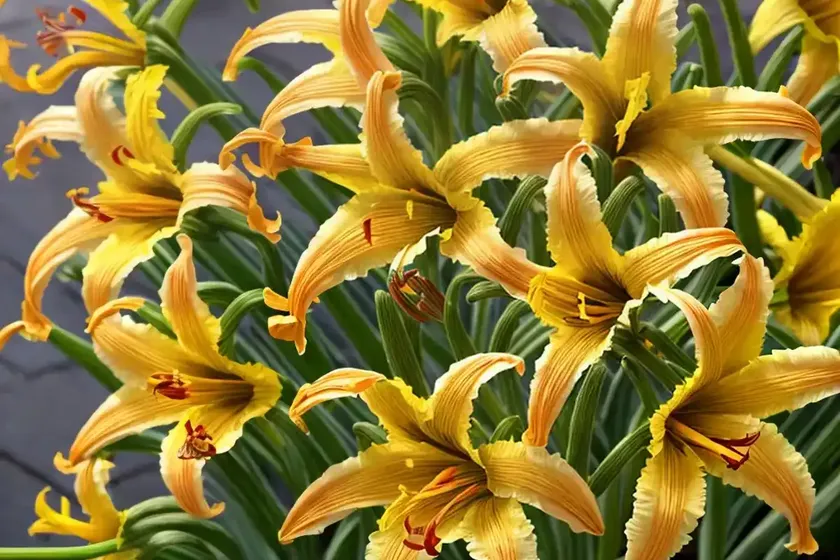
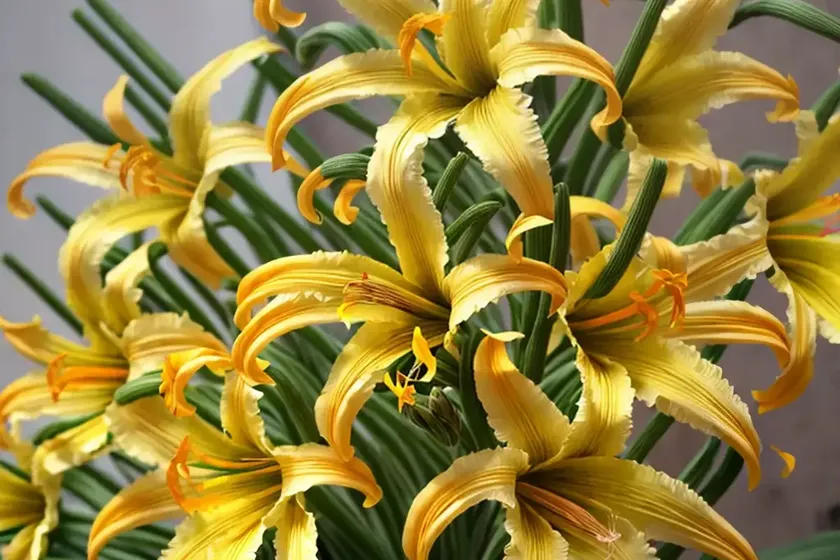
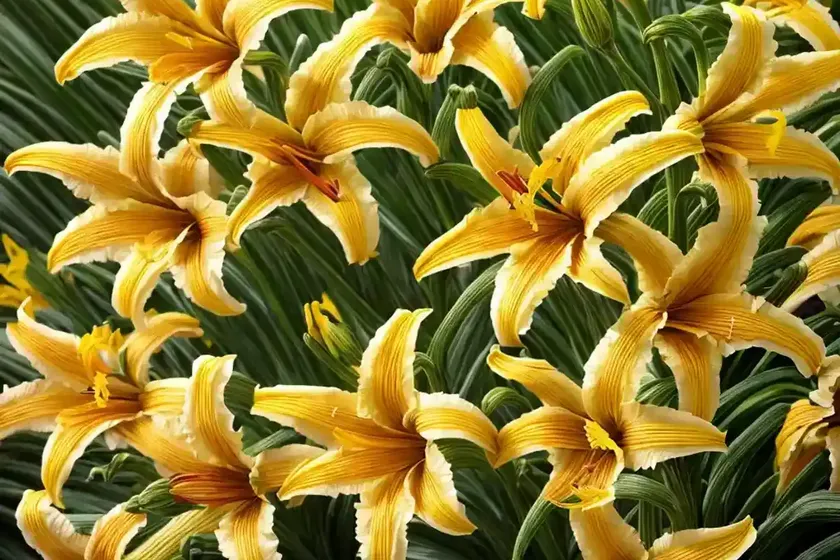
Hemerocallis lilioasphodelus, commonly known as lemon day-lily, is a stunning perennial plant that belongs to the Hemerocallidaceae family. Its elegant appearance and versatility make it a popular choice for gardeners and landscape designers. In this comprehensive guide, we will delve into the various aspects of cultivating, caring for, and utilizing this beautiful plant.
What is Hemerocallis lilioasphodelus?
Hemerocallis lilioasphodelus, or lemon day-lily, is a herbaceous perennial plant native to Asia and Europe. It is characterized by its vibrant lemon-yellow flowers and graceful, grass-like foliage. The plant derives its name from the Greek words “hēmera,” meaning day, and “kallos,” meaning beauty, alluding to the short lifespan of each flower, which typically blooms for just one day before wilting.
The lemon day-lily is renowned for its resilience and adaptability, thriving in a variety of climates and soil conditions. Its enduring popularity is attributed to its low maintenance requirements and its ability to enhance the visual appeal of any garden or landscape.
Key Takeaways – Lemon Day-Lily (Hemerocallis lilioasphodelus)
Before we delve into the details of cultivating and caring for lemon day-lilies, let’s summarize the key takeaways regarding this remarkable plant:
- Scientific Name: Hemerocallis lilioasphodelus
- Common Name: Lemon Day-Lily
- Family: Hemerocallidaceae
- Plant Type: Herbaceous Perennial
- Flower Color: Lemon Yellow
- Foliage: Grass-like
- Sunlight: Full Sun to Partial Shade
- Watering: Moderate
- Soil Type: Well-drained
- Maintenance: Low
Now, let’s explore the various aspects of cultivating and caring for lemon day-lilies in detail.
Culture
Uses
The lemon day-lily, with its vibrant flowers and graceful foliage, serves multiple purposes, including:
- Ornamental Plant: The striking lemon-yellow flowers of Hemerocallis lilioasphodelus make it a popular choice for ornamental gardens and landscapes.
- Erosion Control: Its robust root system and dense foliage help in preventing soil erosion, making it ideal for landscaping projects.
- Pollinator Attraction: The nectar-rich flowers of the lemon day-lily attract pollinators, such as bees and butterflies, promoting biodiversity in the garden.
Water
Hemerocallis lilioasphodelus thrives in moderately moist soil, making it ideal for gardens with regular, yet not excessive, watering routines. Adequate moisture is essential for promoting healthy flower production and foliage growth. However, it is important to ensure proper drainage to prevent waterlogging, which can lead to root rot.
Sunlight
Lemon day-lilies prefer full sun to partial shade, thriving in locations that receive at least 6 hours of direct sunlight each day. In warmer climates, providing some afternoon shade can help protect the plant from intense heat and prevent the flowers from fading too quickly.
Fertilizer
When it comes to fertilization, Hemerocallis lilioasphodelus benefits from a balanced, slow-release fertilizer applied in early spring as new growth emerges. It is important to avoid over-fertilization, as excessive nitrogen can result in lush foliage growth at the expense of flower production.
Soil
The lemon day-lily thrives in well-drained, fertile soil. Amending the soil with organic matter, such as compost or well-rotted manure, can improve its texture and nutrient content, creating an optimal growing environment for the plant.
Pruning
Pruning is a simple yet essential aspect of lemon day-lily care. Removing spent flower stalks and yellowing foliage helps maintain the plant’s vigor and visual appeal. Additionally, dividing mature clumps every few years can rejuvenate the plant and promote healthier growth.
Propagation
Hemerocallis lilioasphodelus can be propagated through division, making it relatively easy to multiply and share with fellow gardeners. Dividing established clumps in early spring or late summer allows for the creation of new plants that can be relocated to expand the garden or shared with friends and neighbors.
Container Popularity
While the lemon day-lily is often planted directly in garden beds, it also thrives in containers, adding a vibrant touch to patios, balconies, and outdoor living spaces. Its adaptability to container gardening makes it a versatile option for both small and large-scale plantings.
Common Diseases
Disease Diagnosis
Lemon day-lilies are generally resilient plants, but they can occasionally be affected by certain diseases, including:
- Leaf Spot: Characterized by brown or black spots on the foliage, often caused by fungal pathogens in humid conditions.
- Rust: Identified by orange or rust-colored pustules on the leaves, typically observed in moist environments.
Proper sanitation, adequate air circulation, and mindful watering practices can help prevent the onset and spread of these diseases.
Common Pests
When it comes to pests, lemon day-lilies may encounter issues with:
- Aphids: Small, sap-sucking insects that can distort new growth and cause foliage to become sticky with honeydew.
- Thrips: Tiny insects that feed on leaves and flowers, potentially causing discoloration and distortion.
Regular monitoring and early intervention, if necessary, can help mitigate these pest-related challenges.
Botanist’s Tips
To maximize the health and beauty of Hemerocallis lilioasphodelus, consider the following botanist’s tips:
- Mulching: Applying a layer of organic mulch around the base of the plant helps conserve soil moisture and suppress weed growth.
- Deadheading: Removing faded flowers not only enhances the plant’s appearance but also promotes continued blooming.
By incorporating these tips into your care routine, you can ensure that your lemon day-lilies thrive and flourish.
Fun Facts
Here are some intriguing and delightful facts about lemon day-lilies:
- Edible Flowers: The flowers of Hemerocallis lilioasphodelus are edible, adding a delightful touch to salads and other culinary creations.
- Folklore: In traditional folklore, day-lilies were believed to bestow magical powers and were associated with protection and good luck.
- Pollinator Magnet: The nectar-rich flowers of lemon day-lilies attract a diverse array of pollinators, contributing to the ecological richness of the garden.
Links to External Resources
For further information and resources on lemon day-lily cultivation, care, and uses, consider exploring the following external links:
- American Hemerocallis Society
- Royal Horticultural Society – Hemerocallis
- University of Illinois Extension – Daylilies
- The Daylily Hybridizer’s Guide
With these valuable resources, you can delve deeper into the fascinating world of Hemerocallis lilioasphodelus and expand your knowledge and appreciation for this captivating plant.
In conclusion, Hemerocallis lilioasphodelus, or lemon day-lily, is an enchanting and versatile plant that holds great appeal for gardeners, landscapers, and plant enthusiasts. Its vibrant flowers, resilient nature, and multifaceted uses make it a prized addition to any garden or landscape setting. By understanding its cultural requirements, optimizing its care, and appreciating its unique characteristics, you can cultivate and enjoy the beauty of the lemon day-lily to the fullest.


