Lemon Button Fern (Nephrolepis Cordifolia)
Plants add both aesthetic beauty and a positive atmosphere to any space. Their benefits are not just limited to decoration but also extend to air.
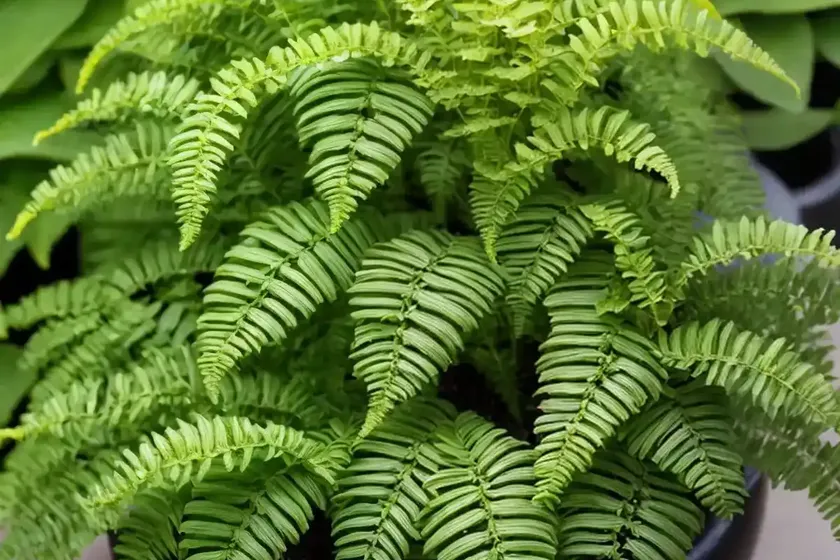
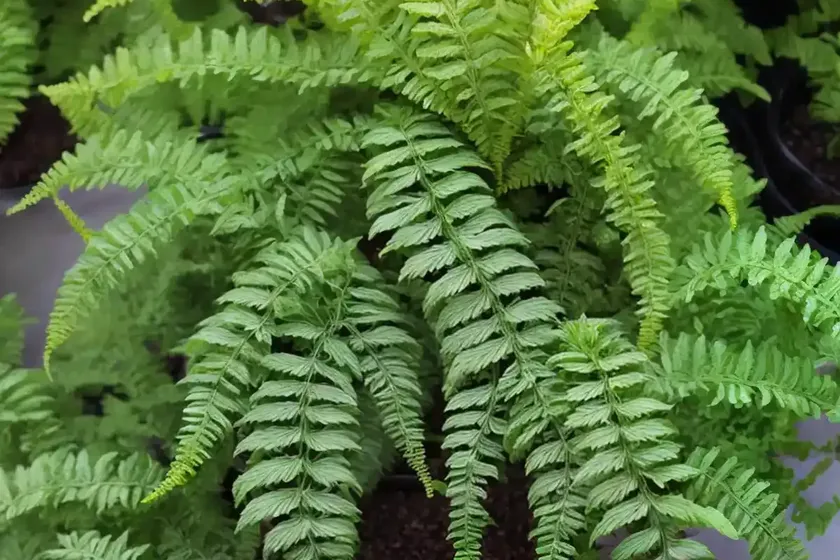
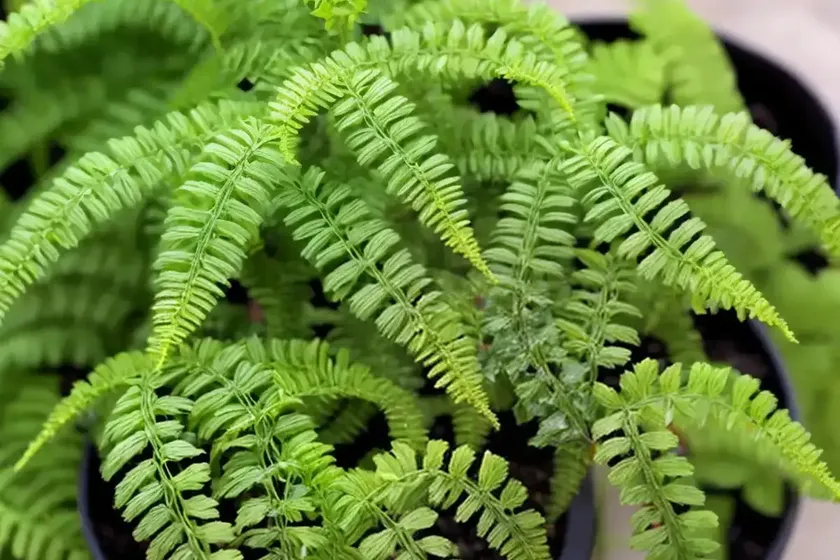
Plants add both aesthetic beauty and a positive atmosphere to any space. Their benefits are not just limited to decoration but also extend to air purification and even medicinal properties, depending on the plant species. In this comprehensive guide, we will delve into the world of Lemon Button Fern (Nephrolepis cordifolia). We will explore its characteristics, care requirements, propagation methods, common diseases, and much more to help you understand and nurture this delightful plant.
What is Lemon Button Fern: Nephrolepis cordifolia?
Lemon Button Fern, scientifically known as Nephrolepis cordifolia, is a tropical plant belonging to the fern family Nephrolepidaceae. It is native to regions in the southeastern United States, Mexico, the Caribbean, Central America, and northern South America. This plant is popularly known for its small, delicate, lemon-scented leaflets, which give it its distinctive name.
The Lemon Button Fern is characterized by its neat, compact growth habit and the small, rounded leaflets that resemble buttons, giving it a unique and appealing appearance. In its natural habitat, it often grows in clusters, forming lush, green carpets on the forest floor.
Key Takeaways: Lemon Button Fern (Nephrolepis cordifolia)
Culture
- Tropical plant native to southeastern United States, Mexico, the Caribbean, Central America, and northern South America.
- Features small, rounded leaflets reminiscent of buttons, creating a compact and appealing appearance.
- Often grows in clusters, forming lush, green carpets on the forest floor.
Uses
- Sought after for its aesthetic appeal and ability to effectively purify the air.
- Can also be used for its potential medicinal properties attributed to its natural chemicals.
Now that we have an introduction to our botanical star, let’s dive into the essential care requirements, propagation methods, common diseases, and more to understand how we can successfully grow and nurture the Lemon Button Fern.
Lemon Button Fern Care
Water
Proper watering is crucial to the health and survival of Lemon Button Ferns. They prefer consistently moist but not waterlogged soil. Ensure that the topsoil stays slightly damp, but be cautious about overwatering as it can lead to root rot. It’s recommended to use room temperature or slightly warm water to prevent shocking the plant.
Sunlight
Lemon Button Ferns thrive in bright, indirect light. While they enjoy a good amount of light, direct sunlight can scorch their delicate fronds. Placing them near a window with filtered light or using sheer curtains to moderate the intensity of direct sunlight can help maintain an optimal light environment for the plant.
Fertilizer
Fertilize your Lemon Button Fern during the growing season, typically from spring to early fall. A balanced, water-soluble fertilizer diluted to half-strength should be applied every two to four weeks. Avoid over-fertilization, as it can lead to salt build-up in the soil, which can be harmful to the plant.
Soil
Creating a well-draining yet moisture-retentive soil mix is essential for the health of your Lemon Button Fern. A combination of peat moss, perlite, and potting mix with some added sand to improve drainage is ideal. It’s important to use a pot with drainage holes to prevent water from accumulating at the bottom.
Pruning
Regularly inspect your Lemon Button Fern for yellow or brown fronds and trim them to maintain the overall health and appearance of the plant. Use clean, sharp scissors to make precise cuts, ensuring that the plant’s central growing point is left untouched.
Propagation
Lemon Button Ferns can be propagated through division. During repotting, carefully divide the root ball into smaller sections, each with healthy fronds and roots. Plant these divisions in separate pots, maintaining the same care routine as the parent plant. New growth should emerge within a few weeks, indicating successful propagation.
Container
Select a container that provides ample space for the plant to grow and has adequate drainage. A slightly larger pot than the current root ball is recommended to accommodate the plant’s growth. Avoid using containers that are significantly larger than the root ball, as this can lead to overwatering and potential root rot.
Note: Ensure that the container is made of a porous material to allow the roots to breathe and excess moisture to escape.
Popularity
Lemon Button Ferns have gained popularity as indoor decorative plants due to their unique appearance and relatively low-maintenance care requirements. They are often sought after for adding a touch of greenery and freshness to indoor spaces, such as living rooms, offices, and balconies.
Container
The use of decorative containers or hanging baskets can further enhance the visual appeal of Lemon Button Ferns. Their trailing growth habit makes them an excellent choice for hanging baskets, adding a touch of elegance to any room or outdoor space.
Common Diseases
Lemon Button Ferns are susceptible to certain diseases and pests that can impact their overall health and appearance. Some of the common diseases include:
- Leaf Spot: This fungal disease presents as small, dark spots on the fronds. It can be managed by maintaining proper air circulation and avoiding overhead watering.
- Root Rot: Overwatering and waterlogged soil can lead to root rot, causing the fronds to wilt and turn yellow. Adjusting the watering schedule and ensuring proper soil drainage can prevent this issue.
Disease Diagnosis
Regularly inspecting the plant for any signs of discoloration, wilting, or unusual spotting can aid in the early diagnosis of potential diseases. Prompt action, such as adjusting the watering schedule or implementing proper ventilation, can help prevent the spread of diseases and preserve the plant’s health.
Common Pests
In addition to diseases, Lemon Button Ferns can also attract certain pests, including:
- Spider Mites: These tiny pests can infest the undersides of the fronds, causing discoloration and webbing. Regularly misting the plant and periodically wiping the fronds with a damp cloth can help control spider mite infestations.
- Scale Insects: Scale insects can attach themselves to the fronds, appearing as small, raised bumps. Using a cotton swab dipped in rubbing alcohol to remove the insects can help manage scale infestations.
Botanist’s Tips
As a botanist, here are some additional tips for the successful care of Lemon Button Ferns:
- Humidity: Lemon Button Ferns thrive in humid environments. Regular misting or using a pebble tray filled with water can help maintain the necessary humidity levels for optimal growth.
- Temperature: While Lemon Button Ferns prefer warmer temperatures, they can tolerate moderate fluctuations. It’s best to keep them away from drafty areas and sudden temperature extremes.
Fun Facts
- The Lemon Button Fern is known for its effective air purification abilities, making it a valuable addition to indoor spaces.
- In its natural habitat, the Lemon Button Fern can be found thriving in tropical forests, contributing to the lush greenery of the forest floor.
As we continue to discover the fascinating world of Lemon Button Ferns, let’s explore some external resources that provide valuable insights into caring for and appreciating this delightful plant.
Links to External Resources
- The American Fern Society
- Royal Horticultural Society – Growing Ferns
- University of Florida IFAS Extension – Ferns for the Home and Landscape
- Gardening Know How – Lemon Button Fern Care
- The Spruce – How to Grow and Care for Nephrolepis (Sword Ferns)
By tapping into these resources, plant enthusiasts can gain a deeper understanding of Lemon Button Ferns and access expert advice on successfully growing and caring for these captivating plants.
As we draw to a close, it’s evident that the Lemon Button Fern (Nephrolepis cordifolia) is not only a visually appealing plant but also one that offers numerous benefits, ranging from air purification to adding a touch of nature’s beauty to indoor spaces. Whether you’re a seasoned plant enthusiast or a beginner looking to embark on your botanical journey, the Lemon Button Fern is a splendid choice that combines elegance with ease of care. With the right knowledge and attention, this charming plant can thrive and bring joy to its caretaker.
In the world of plants, every species has its unique charm and characteristics. As plant scientists and enthusiasts, embracing this diversity enriches our understanding and appreciation of the natural world. The Lemon Button Fern serves as a testament to the wonder and beauty found in the plant kingdom, inviting us to cultivate our curiosity and admiration for nature’s creations.
Happy gardening and may your Lemon Button Ferns flourish with vibrant green fronds, serving as a delightful reminder of the marvels of the natural world.
References
- The American Fern Society. Retrieved from https://www.amerfernsoc.org/
- Royal Horticultural Society – Growing Ferns. Retrieved from https://www.rhs.org.uk/advice/profile?PID=510
- University of Florida IFAS Extension – Ferns for the Home and Landscape. Retrieved from https://edis.ifas.ufl.edu/publication/fp071
- Gardening Know How – Lemon Button Fern Care. Retrieved from https://www.gardeningknowhow.com/houseplants/lemon-button-fern/lemon-button-fern-care.htm
- The Spruce – How to Grow and Care for Nephrolepis (Sword Ferns). Retrieved from https://www.thespruce.com/grow-nephrolepis-sword-ferns-1902757


