Lemon Basil (Ocimum X Citriodorum)
Lemon basil, scientifically known as Ocimum x citriodorum, is a delightful and aromatic herb that is a hybrid of basil and African basil. This herb is.
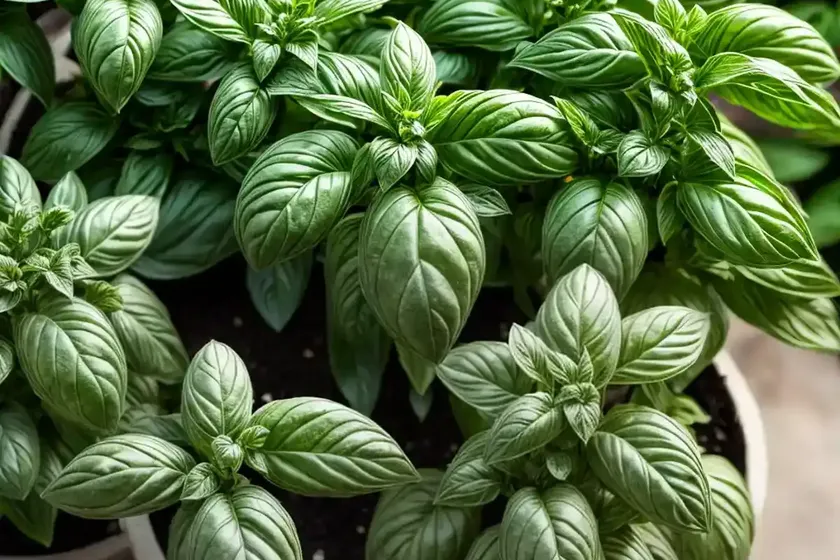
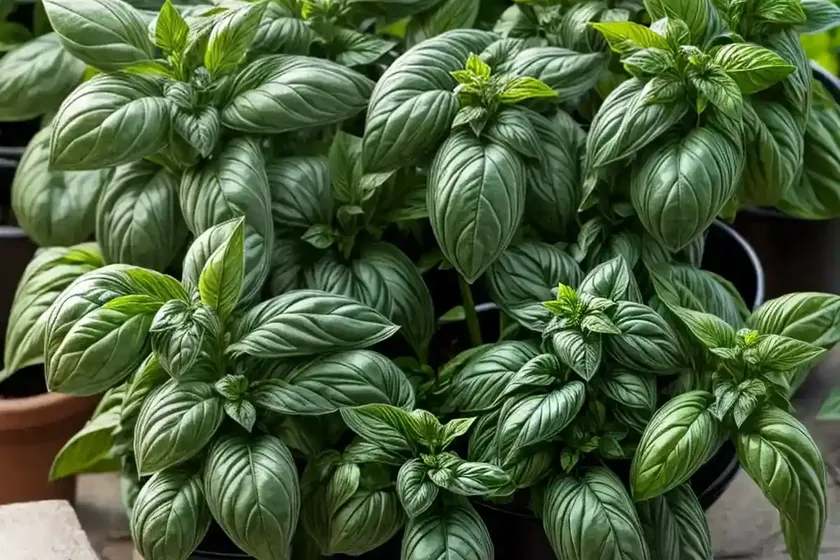
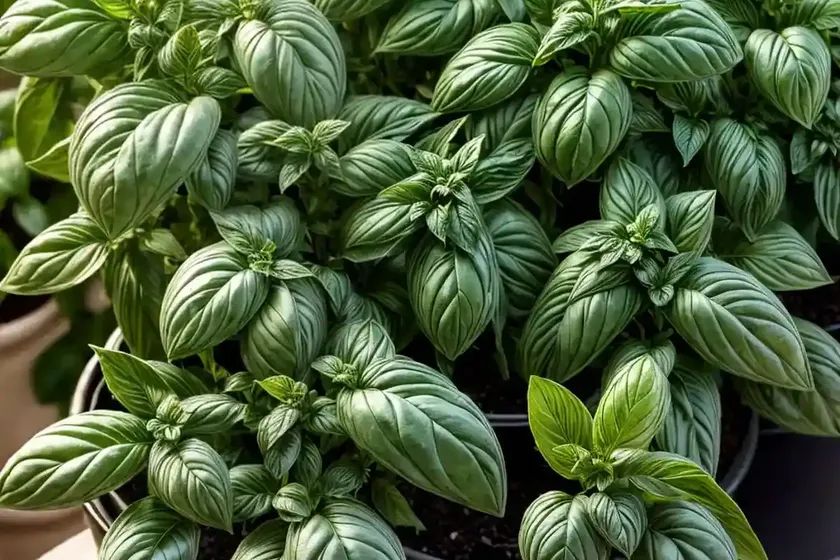
Lemon basil, scientifically known as Ocimum x citriodorum, is a delightful and aromatic herb that is a hybrid of basil and African basil. This herb is well-known for its refreshing lemon scent and its diverse culinary and medicinal uses. In this comprehensive guide, we will explore the fascinating world of lemon basil, from its cultural significance to its propagation, common diseases, and pests, as well as essential tips and fun facts.
What is Lemon Basil (Ocimum x citriodorum)?
Lemon basil, a member of the Lamiaceae family, is a tender perennial herb that is native to Southeast Asia. It is a hybrid between common basil (Ocimum basilicum) and African basil (Ocimum americanum). The leaves of lemon basil are bright green and carry a distinct lemon fragrance, making it a popular choice for various culinary applications.
Key Takeaways – Lemon Basil (Ocimum x citriodorum)
Lemon basil has a wide array of uses and benefits, from its culinary properties to its medicinal value. Here are some key takeaways about this versatile herb:
- Rich lemon fragrance
- Used in culinary creations
- Medicinal properties
- Companion planting potential
- Container-friendly
Now, let’s delve deeper into the various aspects of lemon basil, including its culture, uses, and care requirements.
Culture of Lemon Basil
Water
Lemon basil requires consistent moisture, but it is crucial to avoid waterlogging the soil. Water the plant when the top layer of the soil feels dry to the touch. Adequate drainage is essential to prevent root rot.
Sunlight
In terms of sunlight, lemon basil thrives in full sun. It generally requires at least 6-8 hours of direct sunlight daily to ensure healthy growth and optimal flavor development.
Fertilizer
When it comes to feeding lemon basil, a balanced, all-purpose fertilizer can be applied every four to six weeks during the growing season. Organic options such as compost and well-decomposed manure can also be beneficial for its growth.
Soil
Lemon basil prefers well-draining soil with a slightly acidic to neutral pH. A mixture of potting soil and organic compost is suitable for container planting, while garden beds may require amendments to improve drainage and nutrient content.
Lemon Basil Uses
Culinary
Lemon basil is prized for its culinary applications, adding a unique citrusy note to various dishes. It is commonly used in salads, soups, stir-fries, and even desserts. Its delicate leaves can be used as a garnish or infused in water for a refreshing beverage.
Medicinal
In traditional medicine, lemon basil is recognized for its potential health benefits, including aiding digestion, relieving stress, and providing antioxidant properties. Essential oil derived from lemon basil is also utilized in aromatherapy for its uplifting and invigorating scent.
Lemon Basil Care
Pruning
Regular pruning helps maintain the plant’s shape and encourages bushier growth. Pinching off the flower buds before they bloom can also enhance the leaf production and flavor of lemon basil.
Propagation
Lemon basil can be propagated from seeds or stem cuttings. When using seeds, sow them in well-draining soil and keep them moist until germination. Stem cuttings can be rooted in water or directly planted in soil.
Container Popularity
Due to its compact growth habit and adaptability to container gardening, lemon basil is a popular choice for growing in pots, window boxes, and other containers. It thrives in sunny locations and can be conveniently positioned for easy access and care.
Common Diseases and Pests
Disease Diagnosis
Lemon basil is susceptible to various fungal diseases, such as powdery mildew and fusarium wilt. Regular inspection of the plants for any signs of abnormal spots, wilting, or yellowing can aid in early disease diagnosis and prompt treatment.
Common Pests
Pests such as aphids, whiteflies, and spider mites can pose a threat to lemon basil. Natural remedies like neem oil and insecticidal soap can help manage pest infestations without causing harm to the plant or the environment.
Botanist’s Tips
- To promote robust growth and enhance flavor, apply a layer of organic mulch around the base of the lemon basil plant to retain moisture and suppress weed growth.
- Prune the plant regularly to maintain its shape and encourage vigorous growth.
- Inspect the leaves periodically for signs of pest infestations and disease, and take immediate action if any issues are detected.
Fun Facts
- Lemon basil is commonly used in Thai cuisine, particularly in dishes like green curry and spicy salads.
- In addition to its culinary uses, lemon basil is also valued for its aromatic properties and is often used in potpourri and scented sachets.
Now that we have explored the various aspects of lemon basil, it’s essential to have access to reliable external resources for further information and insights. Here are some reputable links to external resources:
Links to External Resources:
-
Lemon Basil Health Benefits – Learn more about the potential health benefits of lemon basil and its traditional medicinal uses.
-
Ocimum x citriodorum Uses – Explore the diverse uses of Ocimum x citriodorum, from culinary applications to companion planting.
-
Lemon Basil Plant Care – Gain valuable insights into the best practices for caring for lemon basil and ensuring its optimal growth.
-
Best Growing Conditions for Ocimum x citriodorum – Discover the ideal growing conditions and environmental requirements for cultivating Ocimum x citriodorum.
-
Lemon Basil Culinary Uses – Uncover a range of culinary uses for lemon basil and how it can elevate the flavor of various dishes.
-
Ocimum x citriodorum Varieties – Explore different varieties of Ocimum x citriodorum and their unique characteristics.
-
Lemon Basil Recipes – Access a collection of delectable recipes featuring lemon basil as a key ingredient.
-
How to Grow Ocimum x citriodorum – Learn the essential steps and techniques for successfully growing and maintaining Ocimum x citriodorum.
-
Lemon Basil Essential Oil – Delve into the production and applications of essential oil derived from lemon basil.
-
Ocimum x citriodorum Medicinal Properties – Gain insights into the potential medicinal properties and health-promoting qualities of Ocimum x citriodorum.
These resources can serve as valuable references for further exploration and research on lemon basil. Whether you are a culinary enthusiast, a gardening aficionado, or an advocate for natural remedies, the versatility and aromatic appeal of lemon basil make it a captivating subject to study and incorporate into various aspects of daily life.
In conclusion, lemon basil, with its refreshing citrus scent and multifaceted uses, embodies the beauty of nature’s offerings. From enriching culinary creations to providing potential health benefits, this herb has rightfully earned its place in kitchens, gardens, and holistic wellness practices. By understanding its culture, uses, and care requirements, individuals can fully appreciate and harness the essence of lemon basil in diverse aspects of their lives.


