Leaf Cactus (Pereskia Aculeata)
Welcome to our in-depth guide to the Leaf Cactus, scientifically known as Pereskia Aculeata. In this comprehensive resource, you will learn all about the.
Introduction
Welcome to our in-depth guide to the Leaf Cactus, scientifically known as Pereskia Aculeata. In this comprehensive resource, you will learn all about the cultivation, care, and maintenance of this unique plant. From its origins and characteristics to its preferred growing conditions and potential pests and diseases, we cover everything you need to know to successfully grow and enjoy the Leaf Cactus in your own home or garden.
What is Plant: Leaf Cactus (Pereskia Aculeata)?
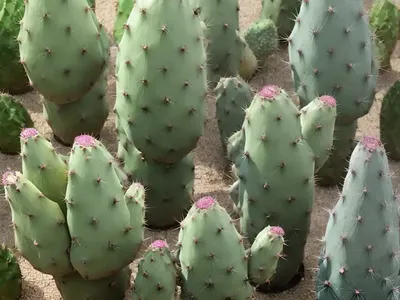
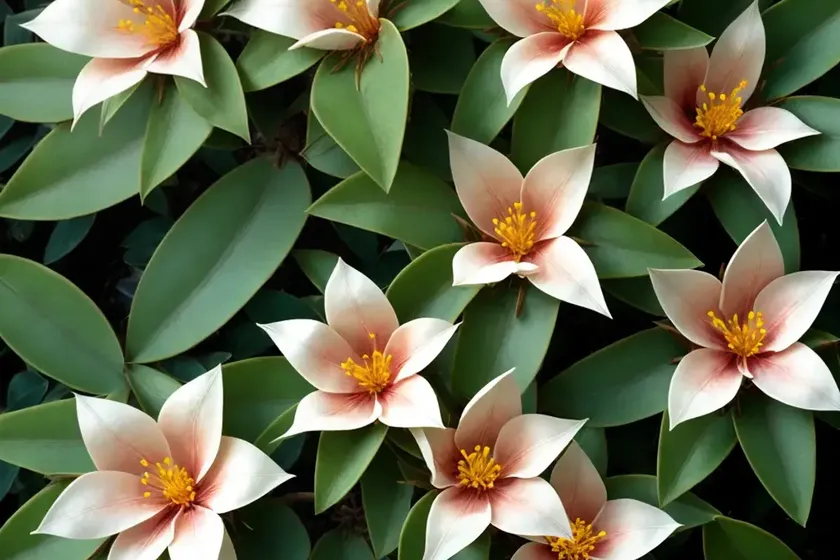
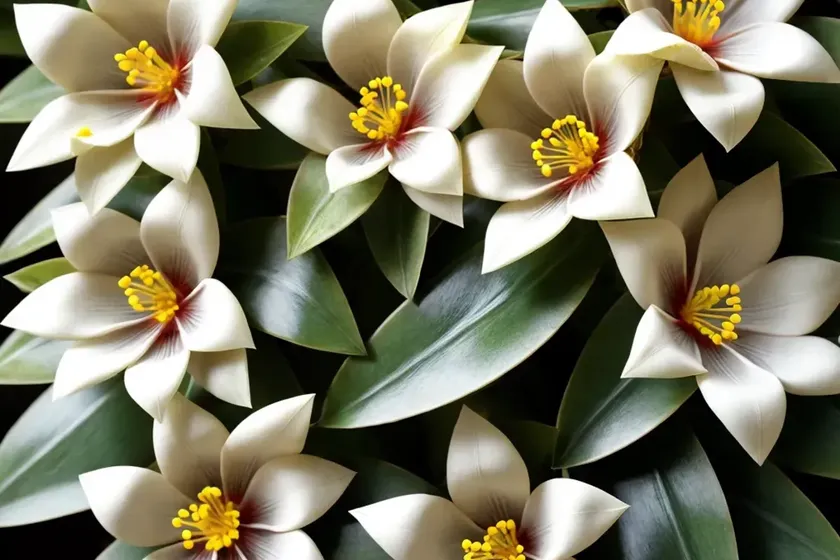
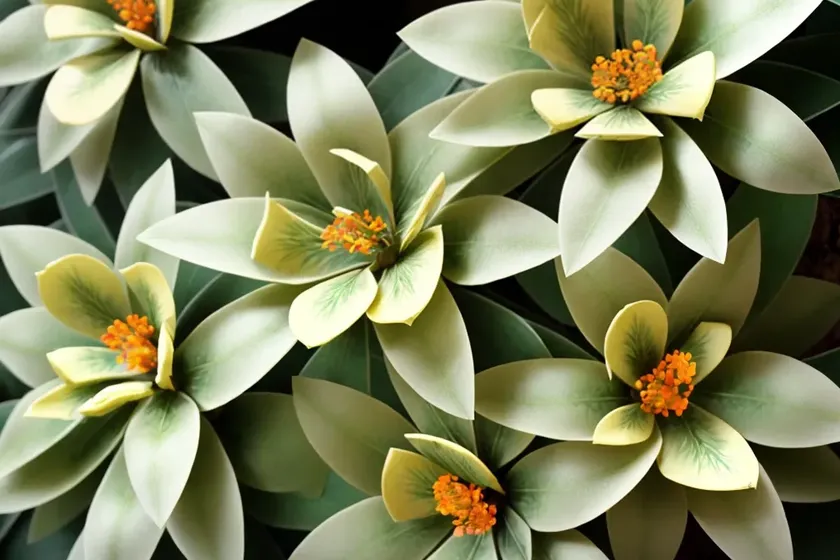
The Leaf Cactus, or Pereskia Aculeata, is a fascinating plant that belongs to the family Cactaceae. Unlike many other cactus species, the Pereskia Aculeata is unique in that it possesses true leaves, distinct from the modified stems that serve as leaves in most cacti. Originating from tropical America, this plant is renowned for its striking appearance, versatile uses, and relatively low maintenance requirements, making it an excellent choice for both indoor and outdoor cultivation.
Key Takeaways – Leaf Cactus (Pereskia Aculeata)
Before delving into the intricacies of cultivating and caring for the Leaf Cactus, it’s essential to understand the plant’s key takeaways. Here’s a quick overview of the critical points we’ll cover in this comprehensive guide:
- Leaf Cactus Varieties: Explore the different varieties and species of Pereskia Aculeata.
- Cultivation and Cultivation Environment: Learn about the ideal growing conditions, including sunlight, water, and soil requirements for the Leaf Cactus.
- Maintenance: Understand the essential maintenance practices, such as pruning, fertilizing, and repotting.
- Propagation: Discover how to propagate the Leaf Cactus for expansion or sharing with others.
- Common Diseases and Pests: Identify potential diseases and pests that may affect the health of the plant, along with prevention and treatment methods.
- Botanist’s Tips: Benefit from valuable insights and tips from expert botanists on how to care for Pereskia Aculeata.
- Fun Facts: Uncover intriguing and lesser-known facts about the Leaf Cactus.
Now, let’s delve into each of these aspects in further detail to provide you with a comprehensive understanding of Leaf Cactus care and cultivation.
Culture
Culturally, the Leaf Cactus has been an important plant for many centuries, not only because of its ornamental value but also due to its culinary and medicinal uses in various parts of the world where it is grown. Understanding the cultural significance of the plant can provide valuable insights into its care and maintenance requirements.
Uses
The Pereskia Aculeata has diverse uses, making it a multi-purpose plant of interest. Some of its primary uses include:
- Ornamental: The plant’s attractive appearance and colorful flowers make it a popular choice for landscaping and ornamental gardening.
- Culinary: Certain parts of the plant, such as its young shoots and fruits, are edible and have been used in traditional cuisine.
- Medicinal: In some cultures, the leaves and stems of the plant are believed to possess medicinal properties and have been used to treat various ailments.
Understanding these uses can provide insight into the specific care and maintenance requirements to maximize the plant’s potential in each of these aspects.
Water
Proper watering is essential for the health and vitality of the Leaf Cactus. While the plant possesses some level of drought tolerance, it’s crucial to provide it with adequate moisture, especially during active growth periods. Here are some key considerations for watering the Pereskia Aculeata:
- Watering Frequency: The watering frequency should be adjusted according to the plant’s growth stage and environmental conditions. Generally, it’s advisable to water the plant when the top inch of the soil feels dry.
- Drainage: Ensuring good drainage is crucial, as the Leaf Cactus does not tolerate waterlogged conditions. Use well-draining soil and containers with drainage holes to prevent water stagnation.
Sunlight
Like many cacti, the Leaf Cactus thrives in bright sunlight. Adequate sunlight exposure is essential for the plant’s overall growth and flowering. Here are some considerations for providing the right amount of sunlight:
- Sunlight Requirements: The Pereskia Aculeata thrives in full sun to partial shade. Aim to provide at least 4-6 hours of direct sunlight daily for optimal growth and flowering.
- Indoor vs. Outdoor Cultivation: While the plant can be grown both indoors and outdoors, outdoor cultivation may provide more consistent sunlight exposure.
The plant’s preferred sunlight requirements have a direct impact on its growth, flowering, and overall health. Understanding and providing the right amount of sunlight is crucial for successful Leaf Cactus cultivation.
Soil
The choice of soil and its quality significantly affects the health and growth of the Leaf Cactus. To ensure that the plant thrives, it’s important to use a well-suited soil mix with the following characteristics:
- Well-Draining: The soil should be well-draining to prevent waterlogging and root rot. A mixture of cactus potting mix with added perlite or coarse sand can provide the necessary drainage.
- Nutrient-Rich: While the plant can tolerate nutrient-poor soils, a slightly acidic to neutral pH (around 6.0-7.0) and a moderate level of nutrients can support healthy growth.
Choosing the right soil and maintaining a suitable growing medium is crucial for providing the Leaf Cactus with a conducive environment for root development and overall health.
Pruning
Pruning is an essential aspect of Leaf Cactus care, contributing to the plant’s overall health, shape, and appearance. Proper pruning techniques can help manage the plant’s size, promote flowering, and remove any damaged or diseased parts. Here are some key points to consider when pruning the Pereskia Aculeata:
- Size Management: Regular pruning can help control the plant’s size, especially if it is grown in containers or restricted spaces.
- Flower Removal: Pruning after the blooming season can help maintain the plant’s shape and redirect its energy towards new growth.
- Remove Diseased Parts: Promptly remove any diseased or damaged parts to prevent the spread of infections and maintain the plant’s overall health.
Understanding the principles and techniques of proper pruning can contribute to the long-term health and vitality of the Leaf Cactus.
Propagation
Propagation methods allow for the expansion of the Leaf Cactus population and enable plant enthusiasts to share the plant with others. Understanding the propagation techniques and best practices is crucial for successfully reproducing the plant. Here are some common propagation methods for Pereskia Aculeata:
- Seed Propagation: Growing the plant from seeds allows for genetic variation and can be an exciting and rewarding process.
- Stem Cuttings: Propagating the plant from stem cuttings is a reliable and efficient method to produce new plants with characteristics identical to the parent plant.
- Offset Division: If the plant produces offsets or “pups,” they can be carefully detached and propagated to create new plants.
By understanding and applying appropriate propagation methods, plant enthusiasts can effectively propagate the Leaf Cactus and expand their plant collection.
Container Popularity
Growing the Leaf Cactus in containers is a popular choice for many plant enthusiasts, especially those with limited outdoor space or those who prefer to cultivate the plant indoors. The ability to control the growing environment and mobility of container-grown plants makes them an attractive option for Leaf Cactus cultivation.
Container
When choosing a container for the Leaf Cactus, it’s essential to consider several factors to provide a suitable environment for the plant’s growth:
- Size: Select a container that accommodates the plant’s root system and allows for some additional growth space. A slightly larger container can prevent the plant from becoming root-bound.
- Drainage: Ensure that the container has adequate drainage holes to prevent waterlogging, which can be detrimental to the plant’s health.
- Material: Containers made of terracotta, plastic, or ceramic can be suitable for growing the Leaf Cactus, providing adequate insulation and breathability for the roots.
Choosing the right container and maintaining the appropriate growing conditions can contribute to the overall success of growing the Leaf Cactus in a container.
Common Diseases
While the Leaf Cactus is relatively resilient, it is still susceptible to certain diseases. Understanding the common diseases that may affect the plant and their prevention and treatment methods is key to maintaining its health. Here are some common diseases that may affect Pereskia Aculeata:
- Root Rot: Caused by overwatering or poorly draining soil, root rot can lead to the decay of the plant’s roots and subsequent wilting and decline.
- Powdery Mildew: A fungal disease that appears as a powdery white substance on the plant’s leaves, affecting its overall health and appearance.
- Bacterial Spot: Characterized by dark, water-soaked spots on the leaves, this bacterial disease can weaken the plant and inhibit growth.
By being able to identify and address these common diseases, plant enthusiasts can take proactive measures to protect the health and vigor of the Leaf Cactus.
Disease Diagnosis
Diagnosing plant diseases requires careful observation and understanding of the symptoms. Here are some diagnostic steps to identify and address potential diseases affecting the Leaf Cactus:
- Visual Inspection: Carefully inspect the plant for any abnormal growth, discoloration, or unusual spots on the leaves and stems.
- Symptom Analysis: Evaluate the symptoms to determine potential causes, whether related to fungal, bacterial, or viral infections.
- Treatment: Once the disease is diagnosed, appropriate treatment measures, such as adjusting watering practices, applying fungicides, or removing affected parts, can be implemented.
Effectively diagnosing and addressing plant diseases is crucial for maintaining the health and vitality of the Leaf Cactus.
Common Pests
Pests can also pose a threat to the health and appearance of the Leaf Cactus. Understanding the common pests and implementing preventive and control measures is essential for protecting the plant. Here are some common pests that may affect Pereskia Aculeata:
- Spider Mites: These tiny pests can cause stippling and webbing on the plant’s leaves, leading to reduced vigor and vitality.
- Mealybugs: Mealybugs can congregate in the plant’s crevices and feed on its sap, leading to weak growth and potential decline.
- Scale Insects: These pests can appear as small, raised bumps on the plant’s stems, feeding on its sap and weakening its overall health.
By identifying and addressing potential pest infestations, plant enthusiasts can prevent damage and preserve the health of the Leaf Cactus.
Botanist’s Tips
Drawing from the expertise of botanists and experienced plant enthusiasts, here are some valuable tips for successfully cultivating and caring for the Leaf Cactus:
- Provide Adequate Drainage: Ensuring good drainage is essential for preventing water-related issues, such as root rot.
- Monitor Sunlight Exposure: Regularly assess the plant’s sunlight exposure and make adjustments as needed to optimize its growth and flowering.
- Prune Wisely: Practice regular pruning to control the plant’s size and remove any diseased or damaged parts to maintain its overall health.
- Maintain Moisture Balance: Strike a balance in watering, avoiding both overwatering and underwatering, to promote healthy growth.
- Observe Pests and Diseases: Regularly inspect the plant for signs of pests and diseases, addressing any issues promptly to prevent escalation.
By incorporating these tips into Leaf Cactus care practices, plant enthusiasts can enhance the plant’s health and overall well-being, contributing to its long-term success.
Fun Facts
In addition to its practical aspects, the Leaf Cactus also offers a range of interesting and intriguing facts that add to its appeal and charm. Here are some fun facts about Pereskia Aculeata:
- Ancient Uses: The plant has a long history of traditional uses, including its role as a food source and in traditional medicine among indigenous cultures.
- Leaf Structure: Unlike many other cactus species, the Leaf Cactus possesses true leaves as well as clusters of spines, contributing to its unique appearance.
- Edible Fruit: The plant produces small, edible fruits with a unique flavor, offering an additional culinary interest.
- Cultural Significance: The Leaf Cactus holds cultural and ethnobotanical significance in various regions where it is grown, often being integrated into local customs and traditions.
By learning about these fun and intriguing facts, plant enthusiasts can develop a deeper appreciation for the Leaf Cactus and its cultural, botanical, and practical significance.
Links to External Resources
As you continue your journey in cultivating and caring for the Leaf Cactus, we encourage you to explore the following links to access additional resources and expand your knowledge:
- Royal Botanic Gardens, Kew – Pereskia Aculeata
- Cactus Art – Pereskia Aculeata
- University of Florida IFAS Extension – Cacti Diseases and Disorders
- University of California Agriculture and Natural Resources – Integrated Pest Management for Home Gardeners
We hope that these resources will serve as valuable references and further enrich your understanding of the Leaf Cactus and its cultivation.
In conclusion, the Leaf Cactus, or Pereskia Aculeata, stands out as an intriguing and versatile plant with its unique combination of cactus traits and true leaves. By following the guidelines and recommendations outlined in this comprehensive guide, you can cultivate and care for the Leaf Cactus with confidence, appreciating its ornamental, culinary, and cultural significance. Whether you are an experienced plant enthusiast or a beginner in the world of botanical wonders, the Leaf Cactus offers a captivating and rewarding journey of exploration and appreciation.
Remember to tailor the care instructions to your specific growing environment and enjoy the process of nurturing and witnessing the growth and beauty of the Leaf Cactus in your own home or garden.
Happy gardening!