Lavatera Cretica (Malva Multiflora)
Welcome to our guide on Lavatera Cretica, also known as Malva Multiflora. In this comprehensive blog post, we will explore the cultivation, care, uses, and.
Introduction
Welcome to our guide on Lavatera Cretica, also known as Malva Multiflora. In this comprehensive blog post, we will explore the cultivation, care, uses, and maintenance of this fascinating plant. Whether you are a seasoned gardener or just starting out, this blog will provide you with all the essential information you need to successfully grow and appreciate the beauty of Lavatera Cretica.
What is Lavatera Cretica (Malva Multiflora)?
Lavatera Cretica, also referred to as Malva Multiflora, is a perennial flowering plant that belongs to the family Malvaceae. It is native to the Mediterranean region and is known for its delicate and intricate blooms. The plant is characterized by its vibrant flowers, which come in various shades of pink, purple, and white, adding a touch of elegance to any garden or landscape. It is a popular choice among gardeners and horticultural enthusiasts due to its low maintenance requirements and striking ornamental appeal.
Key Takeaways
Before delving into the specifics of Lavatera Cretica, let’s highlight some key takeaways of this plant.
Culture
- Scientific Name: Lavatera Cretica (Malva Multiflora)
- Family: Malvaceae
- Type: Perennial
- Origin: Mediterranean region
- Common Names: Malva Multiflora, Mediterranean Tree Mallow
- Uses: Ornamental, Medicinal
- Hardiness Zone: 7-10
Uses
- Ornamental: Lavatera Cretica is often cultivated for its attractive and showy flowers, adding beauty to gardens, landscapes, and containers.
- Medicinal: Some varieties of Lavatera Cretica are used in traditional medicine for their potential healing properties.
Water
- Watering Needs: Moderate – Lavatera Cretica prefers regular watering, especially during the drier months, but it is also tolerant of short dry periods.
- Drought Tolerance: Moderate – Once established, the plant exhibits good tolerance to short periods of drought.
Sunlight
- Sun Exposure: Full Sun – Lavatera Cretica thrives in full sunlight and requires at least 6-8 hours of direct sun daily.
Fertilizer
- Fertilization: Apply a balanced, slow-release fertilizer in spring to promote healthy growth and abundant flowering.
Soil
- Soil Type: Well-draining, fertile soil – The plant prefers soil with good drainage and thrives in rich, loamy soil.
Pruning
- Pruning Requirements: Regular deadheading and occasional pruning to maintain shape and prolong blooming.
Propagation
- Propagation Methods: Seeds, Cuttings – Lavatera Cretica can be propagated from seeds or stem cuttings.
Container Popularity
- Container Gardening: Well-suited for growing in containers, providing a burst of color on patios, balconies, and decks.
Common Diseases
- Disease Resistance: Generally resistant to most diseases, but susceptible to fungal infections in humid conditions.
Common Pests
- Pest Control: Aphids, Spider Mites – Regular monitoring and appropriate pest control measures are essential to prevent infestations.
With these key takeaways in mind, let’s explore each aspect of Lavatera Cretica in more detail to gain a deeper understanding of its cultivation and care.
Lavatera Cretica (Malva Multiflora) Cultivation and Care
Cultivating and caring for Lavatera Cretica involves understanding its specific requirements when it comes to water, sunlight, soil, and maintenance. By ensuring that these needs are met, you can foster healthy growth and abundant flowering in your Lavatera Cretica plants.
1. Water
Lavatera Cretica requires adequate moisture to thrive, especially during the growing season. Here are some essential watering guidelines to keep in mind:
- Watering Frequency: Water the plants deeply whenever the top inch of the soil feels dry. Ensure that the soil is well-draining to prevent waterlogging, which can lead to root rot.
- Drought Tolerance: While Lavatera Cretica appreciates regular watering, it is moderately tolerant of short dry periods once established. During prolonged periods of drought, provide supplemental irrigation to support the plants.
2. Sunlight
Proper sunlight is crucial for the healthy growth and flowering of Lavatera Cretica. Ensure that the plants receive adequate sunlight by following these recommendations:
- Sun Exposure: Plant Lavatera Cretica in an area that receives full sunlight, with a minimum of 6-8 hours of direct sun per day.
- Sun Preferences: The plant thrives in locations with ample sunlight and may not perform optimally in shaded areas. Select a sunny spot in your garden or landscape for planting.
3. Fertilizer
Applying a balanced fertilizer can contribute to the overall health and vigor of Lavatera Cretica. Consider the following fertilization practices:
- Fertilization Schedule: Apply a balanced, slow-release fertilizer in early spring when new growth is beginning.
- Fertilizer Selection: Choose a fertilizer with a balanced N-P-K ratio to provide essential nutrients without promoting excessive foliage growth at the expense of flowers.
4. Soil
Lavatera Cretica thrives in well-draining, fertile soil that supports healthy root development. Here’s what you need to know about soil requirements:
- Soil Type: Plant Lavatera Cretica in soil that offers good drainage to prevent waterlogging. A loamy, fertile soil with a slightly acidic to neutral pH is ideal for the plant.
- Soil Preparation: Prior to planting, amend the soil with organic matter such as compost to enhance its fertility and structure.
5. Pruning
Regular grooming and pruning can help maintain the shape and flowering performance of Lavatera Cretica. Follow these pruning guidelines for optimal plant care:
- Deadheading: Remove spent flowers regularly to promote continuous blooming throughout the growing season.
- Pruning Frequency: Conduct occasional pruning to remove dead or damaged branches and maintain a compact, well-shaped plant.
6. Propagation
If you wish to propagate new Lavatera Cretica plants, consider utilizing the following methods for successful reproduction:
- Seeds: Collect seeds from mature seedheads and sow them in well-prepared soil, following the recommended depth and spacing for germination.
- Cuttings: Take semi-ripe stem cuttings in late spring or early summer, ensuring they have a node and healthy foliage for successful rooting.
By implementing these cultivation and care practices, you can ensure that your Lavatera Cretica plants thrive and adorn your garden with their captivating blooms.
Lavatera Cretica Varieties and Characteristics
Lavatera Cretica exhibits several varieties, each with its own unique characteristics, such as flower color, size, and growth habits. Explore some of the notable varieties and their distinct attributes below:
Varieties
- Lavatera Cretica ‘Rosea’: This variety features delicate, pink blooms that add a soft, romantic touch to gardens.
- Lavatera Cretica ‘Alba’: Known for its striking white flowers, this variety creates a stunning contrast in mixed borders and landscapes.
- Lavatera Cretica ‘Burgundy Wine’: With deep, burgundy-colored blooms, this variety adds a rich and dramatic element to garden compositions.
- Lavatera Cretica ‘Silver Cup’: Notable for its pale pink flowers tinted with lavender, this variety exudes an ethereal charm.
Characteristics
- Flower Color: Lavatera Cretica varieties feature an array of flower colors, including pink, white, and lavender, providing diverse options for garden design.
- Growth Habit: The plants exhibit an upright, bushy growth habit and can reach heights of 3-6 feet, adding vertical interest to landscapes.
- Flowering Season: Lavatera Cretica blooms profusely from late spring to early fall, delivering an extended period of floral display.
- Foliage: The plants boast attractive, heart-shaped leaves that complement the vibrant blooms and contribute to their ornamental appeal.
Each variety of Lavatera Cretica presents an opportunity to introduce unique colors and characteristics to your garden, enhancing its visual impact and diversity.
Lavatera Cretica Flowers and Blooms
The flowers of Lavatera Cretica are a defining feature of the plant, captivating gardeners with their vibrant colors and abundant display. Here’s what you need to know about the flowers and blooms of this species:
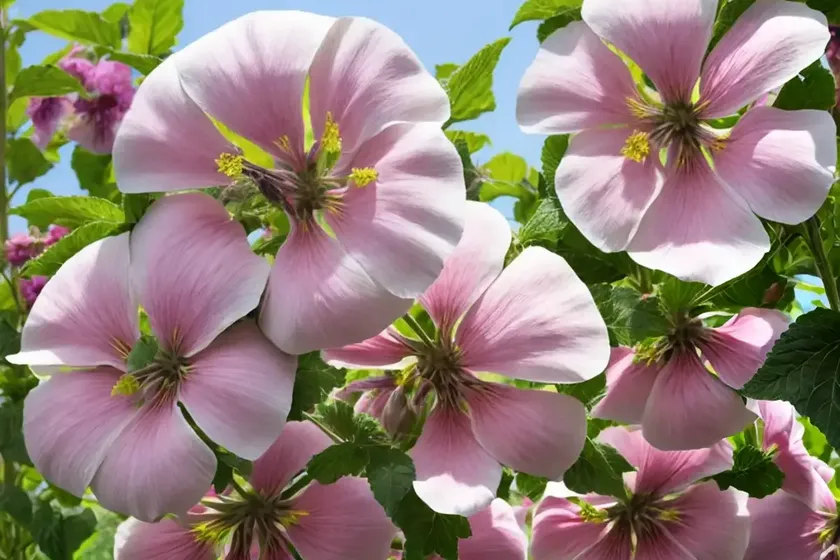
- Flower Structure: Lavatera Cretica flowers consist of five distinct petals, forming an open, cup-shaped bloom.
- Color Variations: The flowers come in shades of pink, white, and lavender, with some varieties offering bicolor or multicolor blooms.
- Blooming Period: Lavatera Cretica produces an abundance of flowers from late spring to early fall, providing sustained ornamental value.
- Attracting Pollinators: The nectar-rich blooms attract pollinators such as bees, butterflies, and hummingbirds, contributing to the overall ecological balance of the garden.
The striking flowers of Lavatera Cretica make it a standout addition to any landscape, offering a profusion of color and visual interest throughout the growing season.
Lavatera Cretica Medicinal Uses and Herbal Properties
In addition to its ornamental value, Lavatera Cretica has been recognized for its potential medicinal uses and herbal properties in traditional medicine. Here are some key insights into its medicinal significance:
- Traditional Medicine: Certain species of Lavatera Cretica have been used in traditional medicine to address various health conditions due to their potential medicinal properties.
- Mucilaginous Properties: The plant contains mucilaginous substances, which are known for their soothing and demulcent qualities, making them beneficial for respiratory and digestive health.
- External Applications: Infusions or decoctions of Lavatera Cretica have been used topically to support skin health and soothe minor irritations.
Please note that while there is historical evidence of the traditional use of Lavatera Cretica in folk medicine, consulting a qualified healthcare professional is crucial before utilizing any plant for medicinal purposes.
Lavatera Cretica as an Ornamental Plant
Lavatera Cretica is valued for its ornamental appeal, making it a sought-after choice for gardens, landscapes, and urban environments. Here’s why it stands out as an ornamental plant:
- Aesthetic Value: The vibrant flowers and attractive foliage of Lavatera Cretica add an aesthetic allure to any setting, enhancing the visual appeal of the surroundings.
- Versatile Use: From mixed borders and flower beds to container plantings and foundation plantings, Lavatera Cretica lends itself to various design applications.
- Wildlife Attraction: The nectar-rich blooms of Lavatera Cretica attract a variety of beneficial insects and pollinators, contributing to a healthy and biodiverse garden ecosystem.
With its striking presence and versatile nature, Lavatera Cretica serves as an invaluable addition to ornamental gardens, providing enduring beauty and charm.
Lavatera Cretica Drought Tolerance and Water Requirements
Understanding the drought tolerance and water requirements of Lavatera Cretica is essential for successful cultivation, especially in regions with limited water availability. Here’s what you need to know about this aspect of the plant’s care:
- Drought Tolerance: While Lavatera Cretica appreciates regular watering, it exhibits moderate tolerance to short periods of drought once it is established. A well-established plant can withstand brief dry periods without experiencing significant stress.
- Watering Needs: During the growing season, provide regular watering to ensure that the soil remains consistently moist but not waterlogged. Adjust watering frequency based on local climate conditions and soil moisture levels.
By striking a balance between providing adequate moisture and allowing for periods of dryness, you can support the healthy growth and resilience of Lavatera Cretica in various environmental conditions.
Lavatera Cretica Sun Exposure and Light Preferences
Proper sun exposure is critical to the overall health and flowering performance of Lavatera Cretica. Here’s what you need to know about the plant’s sun exposure and light preferences:
- Sun Exposure: Position Lavatera Cretica in an area that receives full sunlight, where it can bask in a minimum of 6-8 hours of direct sun each day. Adequate sunlight promotes robust growth and profuse flowering.
- Light Preferences: The plant thrives in bright, sunny locations and may not perform optimally in shaded or partially shaded areas. Select a site that receives ample sunlight for planting and cultivating Lavatera Cretica.
By ensuring that the plants receive the appropriate amount of sunlight, you can encourage vigorous growth and abundant blooms in your Lavatera Cretica specimens.
Lavatera Cretica Soil Conditions and Planting Zones
The soil conditions and planting zones play a crucial role in the successful establishment and growth of Lavatera Cretica. Here’s what you need to know about soil preferences and planting zones for this plant:
- Soil Type: Plant Lavatera Cretica in well-draining, fertile soil with a loamy texture. The soil should allow excess water to percolate easily, preventing the risk of waterlogging.
- Soil pH: Lavatera Cretica thrives in soil with a slightly acidic to neutral pH range, ideally between 6.0 and 7.0. Soil pH within this range supports nutrient uptake and overall plant health.
- Planting Zones: Lavatera Cretica is well-suited for growing in USDA Hardiness Zones 7-10, where it can thrive in the favorable climatic conditions characteristic of these regions.
Before planting Lavatera Cretica, assess the soil composition and drainage characteristics of the intended site to ensure that it meets the plant’s specific soil requirements.
Lavatera Cretica Hardiness and Climate Suitability
Understanding the hardiness and climate suitability of Lavatera Cretica is essential for selecting the appropriate growing environment for the plant. Here’s what you should consider in relation to hardiness and climate suitability:
- Hardiness: Lavatera Cretica is considered hardy in USDA Zones 7-10, exhibiting good tolerance to relatively mild winters and warm summers characteristic of these regions.
- Climate Suitability: The plant thrives in Mediterranean-like climates, which feature warm, sunny summers and mild, relatively wet winters. These conditions support healthy growth and abundant flowering in Lavatera Cretica.
By aligning the planting site with the hardiness and climate requirements of Lavatera Cretica, you can create an environment that fosters the plant’s optimal development and longevity.
Lavatera Cretica Disease Resistance and Pest Control
While Lavatera Cretica is generally resistant to most diseases, it can be susceptible to certain issues under specific environmental conditions. Here’s what you need to know about disease resistance and pest control when growing this plant:
Disease Resistance
- Common Diseases: Lavatera Cretica may be prone to fungal infections, particularly in humid or excessively moist conditions. Watch for signs of powdery mildew or leaf spot and take appropriate measures to address these issues promptly.
Pest Control
- Common Pests: Aphids, Spider Mites – Regular monitoring and early detection of aphids and spider mites can prevent infestations and minimize damage to the plants.
- Integrated Pest Management: Adopt integrated pest management practices, including cultural, mechanical, and biological control methods, to manage pest populations effectively and sustainably.
By staying vigilant and implementing proactive measures to manage potential disease and pest challenges, you can safeguard the health and vitality of your Lavatera Cretica plants.
Lavatera Cretica Wildlife Attraction and Pollinator Plant
The nectar-rich blooms of Lavatera Cretica serve as a valuable resource for wildlife and pollinators, contributing to a biodiverse and ecologically balanced garden ecosystem. Here’s how the plant attracts wildlife and functions as a pollinator plant:
- Wildlife Attraction: The vibrant flowers of Lavatera Cretica attract a variety of beneficial insects, including bees, butterflies, and hummingbirds, providing them with a vital source of nectar.
- Ecological Contribution: By supporting pollinators and beneficial insects, Lavatera Cretica contributes to the overall health and balance of the garden ecosystem, promoting biodiversity and ecological resilience.
By incorporating Lavatera Cretica into your garden, you can create a welcoming habitat for pollinators and wildlife, fostering a thriving and sustainable natural environment.
Lavatera Cretica Garden Design Ideas and Landscaping Inspiration
When it comes to garden design and landscaping, Lavatera Cretica offers versatility and aesthetic appeal, allowing for a range of creative choices and compositions. Consider the following ideas for incorporating Lavatera Cretica into your outdoor spaces:
- Mixed Borders: Plant Lavatera Cretica alongside other perennials and annuals in mixed borders to introduce vibrant color and visual interest.
- Foundation Plantings: Use Lavatera Cretica as a focal point in foundation plantings, where its striking flowers can enhance the architectural features of your home or building.
- Pollinator Gardens: Create a pollinator-friendly garden by combining Lavatera Cretica with other nectar-rich plants to attract and support beneficial insects and pollinators.
By experimenting with different design concepts and placement strategies, you can maximize the ornamental impact of Lavatera Cretica in your garden and landscape compositions.
Lavatera Cretica Container Gardening and Pot Cultivation
Lavatera Cretica is well-suited for container gardening, offering an opportunity to introduce its vibrant blooms and attractive foliage into smaller outdoor spaces. Consider the following tips for successful pot cultivation of Lavatera Cretica:
- Container Selection: Choose a large, sturdy container with adequate drainage holes to accommodate the plant’s root system and ensure proper drainage.
- Potting Mix: Use a well-draining potting mix with added organic matter to provide essential nutrients and support healthy growth in the container.
- Watering: Monitor soil moisture closely and water the plant as needed to maintain consistent moisture levels, especially during the warmer months.
By selecting suitable containers, providing appropriate growing medium, and attending to watering needs, you can cultivate Lavatera Cretica successfully in pots, balconies, and patios.
Lavatera Cretica Companion Plants and Plant Combination Ideas
Pairing Lavatera Cretica with compatible companion plants can create visually appealing and harmonious garden compositions. Explore some plant combination ideas for enhancing the aesthetic appeal of your outdoor spaces:
- Lavatera Cretica and Lavandula angustifolia: Combine the vibrant blooms of Lavatera Cretica with the aromatic foliage and flowers of English Lavender for a delightful sensory experience.
- Lavatera Cretica and Salvia officinalis: Create a striking contrast by pairing the bold, upright spikes of Common Sage with the graceful, cup-shaped flowers of Lavatera Cretica.
By selecting complementary plants and arranging them thoughtfully,


