Lavandula X Intermedia ‘Provence’ (Lavender)
Lavandula x intermedia ‘Provence’, commonly known as lavender, is a versatile and aromatic plant that has been cherished for centuries due to its beauty.
Lavandula x intermedia ‘Provence’, commonly known as lavender, is a versatile and aromatic plant that has been cherished for centuries due to its beauty, fragrance, and various practical applications. In this comprehensive guide, we will delve into the cultivation, maintenance, and uses of Lavandula x intermedia ‘Provence’, as well as explore its botanical characteristics and ecological significance.
What is Lavandula x intermedia ‘Provence’?
Lavandula x intermedia ‘Provence’ is a hybrid lavender, resulting from the cross between Lavandula angustifolia and Lavandula latifolia. This crossbreeding has given rise to a plant that inherits the best traits of its parent species, including the characteristic fragrance and delicate appearance. The ‘Provence’ variety is particularly renowned for its soothing aroma and vibrant purple flowers, making it a popular choice for ornamental, culinary, and therapeutic purposes.
Key Takeaways – Lavandula x intermedia ‘Provence’
Before delving into the specifics of cultivating and caring for Lavandula x intermedia ‘Provence’, let’s summarize some key takeaways about this delightful plant:
- Botanical Name: Lavandula x intermedia ‘Provence’
- Common Name: Lavender
- Plant Type: Perennial herb
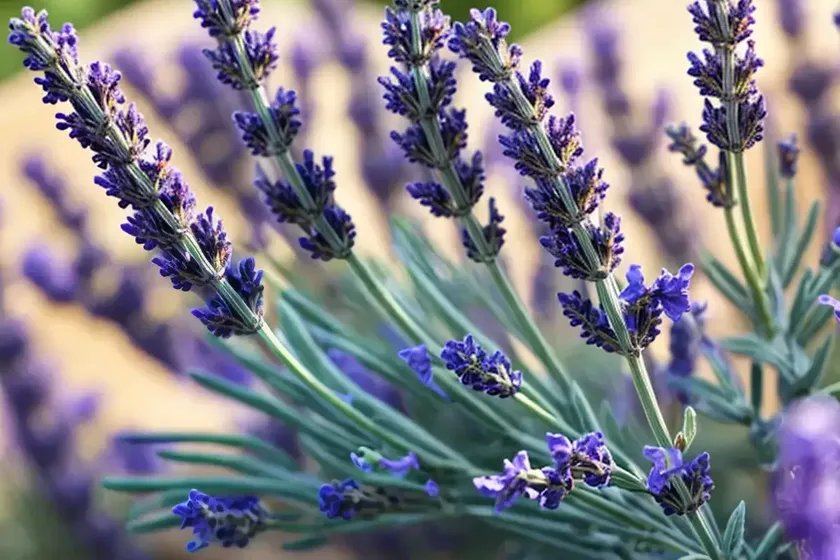
- Foliage: Gray-green, narrow leaves
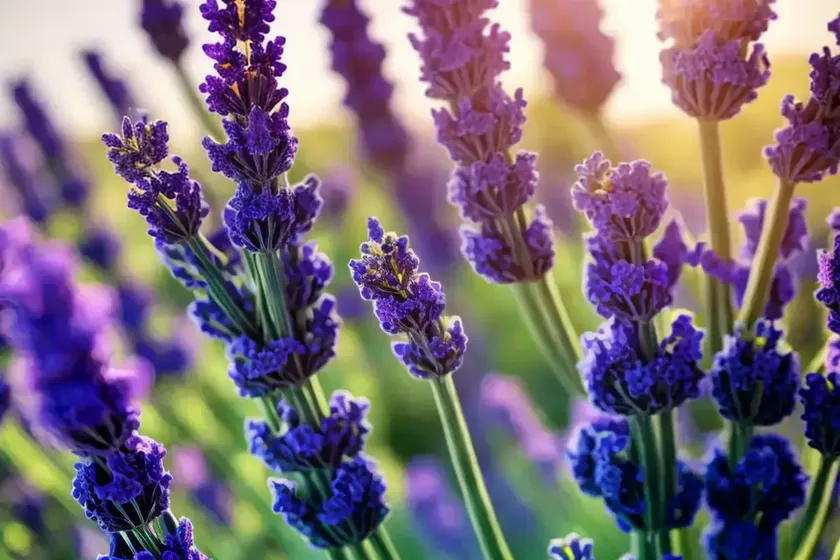
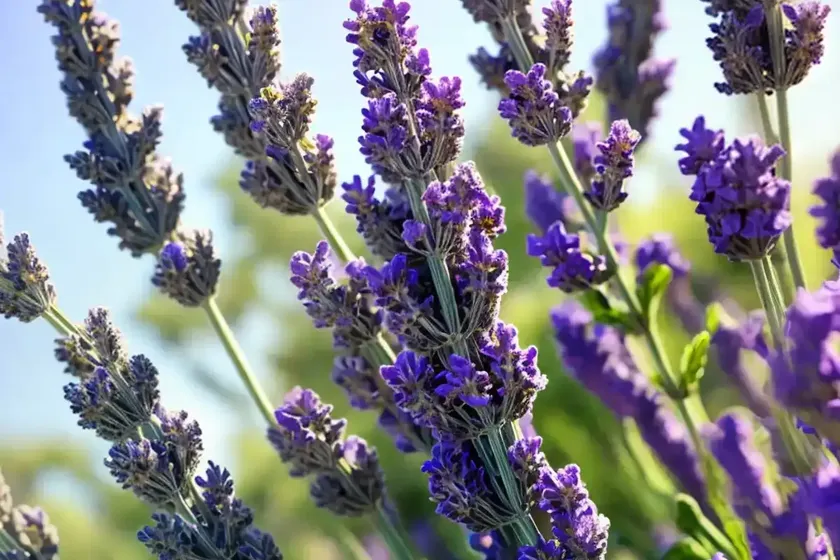
- Flowers: Lavender-blue spikes
- Fragrance: Sweet, floral, and herbaceous aroma
- Uses: Aromatherapy, culinary ingredient, ornamental plant, medicinal herb
Now, let’s explore the essential aspects of cultivating and nurturing this beloved plant.
Culture
Cultivating Lavandula x intermedia ‘Provence’ requires attention to specific cultural practices that promote its growth, health, and aromatic qualities. Understanding the optimal cultural conditions is essential for the successful cultivation of this versatile plant.
Water
Lavender, including the ‘Provence’ variety, thrives in well-draining soil and prefers infrequent, deep watering. Overly moist conditions can lead to root rot and other issues. Once established, lavender is relatively drought-tolerant and can withstand periods of dryness. When watering, it is crucial to allow the soil to dry out between watering sessions, as this mimics its natural habitat and promotes strong root development.
Sunlight
Plentiful sunlight is vital for the healthy growth and abundant flowering of Lavandula x intermedia ‘Provence’. Providing at least 6-8 hours of direct sunlight per day is ideal for ensuring the vibrant blooms and robust growth of this sun-loving plant. Placing it in a location with ample sunlight also enhances the development of its characteristic fragrance and essential oils.
Fertilizer
Lavender is a relatively low-maintenance plant when it comes to fertilization. Excessive fertilization can lead to leggy growth and diminished fragrance. It is recommended to apply a balanced, slow-release fertilizer sparingly in the spring, as this supports its initial growth without causing excessive vegetative development. Alternatively, incorporating organic matter into the soil before planting can provide the necessary nutrients for Lavandula x intermedia ‘Provence’ without the need for additional fertilization.
Soil
Lavender thrives in well-draining, slightly alkaline soil with minimal organic matter. A sandy or rocky soil type closely mimics its native Mediterranean habitat and promotes the development of strong root systems. If the native soil is heavy or poorly draining, amending it with sand, perlite, or gravel can improve its drainage and aeration, creating an environment that is conducive to the growth of Lavandula x intermedia ‘Provence’.
Pruning
Pruning plays a crucial role in maintaining the compact form and abundant flowers of Lavandula x intermedia ‘Provence’. Regular pruning also serves to rejuvenate the plant and extend its lifespan. The following guidelines are essential for effectively pruning Lavandula x intermedia ‘Provence’:
- Timing: Pruning should be conducted in the early spring or after flowering to avoid disrupting the development of new buds.
- Technique: Use sterilized pruning shears to remove spent flower spikes and promote bushy growth. Avoid cutting into bare wood, as this can impede regrowth.
Propagation
Propagating Lavandula x intermedia ‘Provence’ allows for the expansion of your lavender garden or the sharing of this beloved plant with others. While lavender can be propagated from seed, the resulting plants may exhibit genetic variability. Propagation through cuttings offers a more reliable method for preserving the characteristics of the parent plant. Follow these steps for successful propagation of Lavandula x intermedia ‘Provence’:
- Select Healthy Cuttings: Choose softwood or semi-hardwood cuttings from healthy, disease-free plants in the late spring or early summer.
- Prepare the Cuttings: Remove the lower leaves from the cuttings and dip the cut ends in a rooting hormone to encourage root development.
- Plant the Cuttings: Place the cuttings in a well-draining propagation medium and maintain a consistently moist, yet not waterlogged, environment.
- Provide Indirect Light: Keep the cuttings in a bright location with indirect sunlight to facilitate root establishment.
With proper care and attention, the cuttings will root and develop into new Lavandula x intermedia ‘Provence’ plants, preserving the desirable traits of the parent plant.
Container Popularity
Lavandula x intermedia ‘Provence’ is an excellent candidate for container gardening, offering versatility and fragrance in a compact form. Its popularity for container cultivation is attributed to several factors, including:
- Fragrance: Lavandula x intermedia ‘Provence’ adds a delightful aroma to outdoor living spaces, balconies, and patios.
- Aesthetic Appeal: The vibrant purple flowers and gray-green foliage of Lavandula x intermedia ‘Provence’ complement various container styles and arrangements.
- Space Efficiency: Its compact growth habit makes it suitable for small gardens, balconies, and urban settings.
- Ease of Maintenance: Container-grown lavender is easily accessible for pruning, watering, and pest management.
Common Diseases
Despite its resilience, Lavandula x intermedia ‘Provence’ is susceptible to certain diseases and conditions that can impact its overall health and appearance. Understanding the common diseases and their management is crucial for maintaining the vigor and vitality of this aromatic herb.
Disease Diagnosis
Diagnosing potential diseases in Lavandula x intermedia ‘Provence’ involves careful observation of the foliage, stems, and overall growth. Common signs of disease include:
- Powdery Mildew: White, powdery spots on the leaves and stems, often accompanied by leaf distortion.
- Root Rot: Wilting, yellowing leaves, and an overall decline in plant health, often caused by poorly draining soil and overwatering.
- Bacterial Rot: Soft, water-soaked areas on the stems and an unpleasant odor, particularly during humid conditions.
Proactively addressing these symptoms through appropriate cultural practices and targeted treatments is essential for preventing the progression of diseases in Lavandula x intermedia ‘Provence’.
Common Pests
Several pests can threaten the health and aesthetics of Lavandula x intermedia ‘Provence’. Identifying these pests and implementing effective control measures is integral to preserving the beauty and vitality of this beloved plant.
Insect Pests
- Aphids: Small, soft-bodied insects that congregate on the new growth, leading to distorted foliage and reduced vigor.
- Spider Mites: Fine webbing on the leaves and stippling, resulting in a weakened appearance and reduced photosynthetic capacity.
- Lavender Leafhopper: These small, wedge-shaped insects feed on the plant sap, causing stippling and weakening the plant over time.
Disease Management
Implementing integrated pest management practices, including regular monitoring, physical removal of pests, and targeted applications of horticultural oils or insecticidal soaps, can effectively mitigate pest pressure on Lavandula x intermedia ‘Provence’. Additionally, ensuring proper cultural practices, such as adequate spacing and airflow, can reduce the susceptibility of the plant to pest infestations.
Botanist’s Tips
As a plant scientist with a deep appreciation for Lavandula x intermedia ‘Provence’, I’ve gathered some valuable tips to enhance the cultivation and enjoyment of this cherished plant:
- Enhance Pollinator Habitat: Incorporate Lavandula x intermedia ‘Provence’ into pollinator-friendly gardens to attract beneficial insects and support local ecosystems.
- Companion Plants: Pair Lavandula x intermedia ‘Provence’ with pollinator-attracting plants such as Echinacea, Salvia, and Agastache for a vibrant and ecologically beneficial garden.
- Harvesting: Time the harvesting of Lavandula x intermedia ‘Provence’ flowers during the morning hours when the essential oil content is at its peak, ensuring a potent and aromatic yield.
Fun Facts
Delving into the world of Lavandula x intermedia ‘Provence’ uncovers fascinating insights and delightful trivia about this remarkable plant. Here are a few fun facts that shed light on the unique attributes and cultural significance of Lavandula x intermedia ‘Provence’:
- Historical Symbolism: Lavender has been revered for centuries and was used in ancient Egypt as part of the embalming process, highlighting its profound cultural and symbolic significance.
- Versatile Applications: Lavandula x intermedia ‘Provence’ has been utilized for a diverse range of applications, including culinary, medicinal, and aromatic uses, reflecting its versatility and adaptability.
- Fragrant Heritage: The essential oil extracted from Lavandula x intermedia ‘Provence’ has a rich heritage and is cherished for its soothing and aromatic qualities.
Links to External Resources
To further expand your understanding of Lavandula x intermedia ‘Provence’ and explore its diverse uses and cultivation methods, I recommend accessing the following external resources:
- The Royal Horticultural Society – Lavandula x intermedia ‘Provence’
- University of Maryland Extension – Growing Lavender
- American Society for the Prevention of Cruelty to Animals – Lavandula
- National Center for Complementary and Integrative Health – Lavender
- The Spruce – How to Grow Lavender
Incorporating insights from these reputable resources can enrich your knowledge of Lavandula x intermedia ‘Provence’ and provide valuable guidance for its cultivation and utilization.
In this comprehensive guide, we have delved into the cultural requirements, uses, maintenance, and essential characteristics of Lavandula x intermedia ‘Provence’. From its robust growth habits to its diverse applications, Lavandula x intermedia ‘Provence’ continues to captivate enthusiasts and gardeners worldwide, serving as a testament to the enduring allure of this beloved plant.
I hope this guide proves valuable in your journey of cultivating and appreciating the beauty and versatility of Lavandula x intermedia ‘Provence’. Whether you seek to enrich your garden with its fragrant blooms or explore its diverse applications, Lavandula x intermedia ‘Provence’ stands as a symbol of resilience and elegance in the botanical realm.


