Lavandula X Intermedia ‘Impress Purple’ (Lavender)
Lavender (Lavandula x intermedia ‘Impress Purple’) is an incredibly versatile and popular plant, cherished for its fragrant flowers and a myriad of uses..
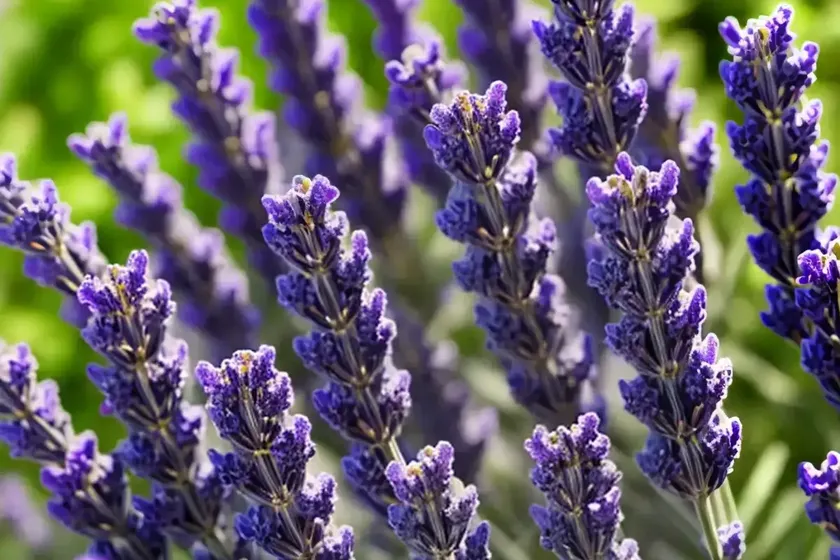
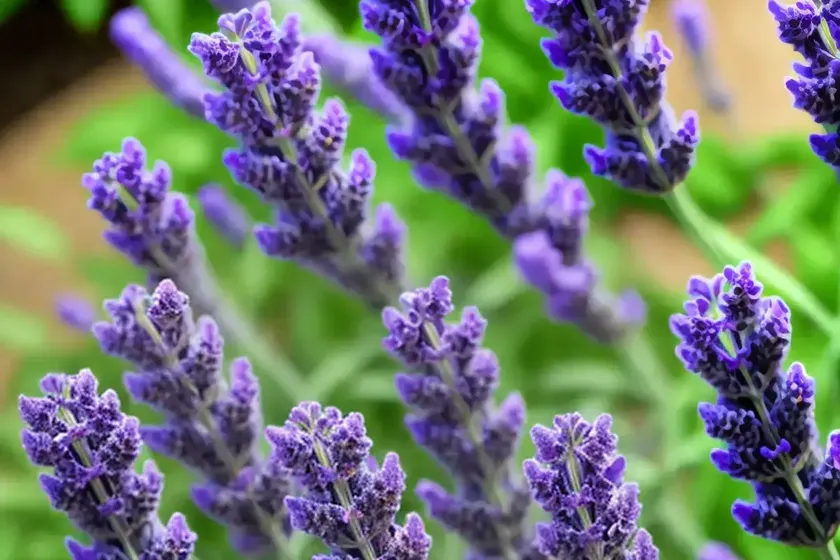
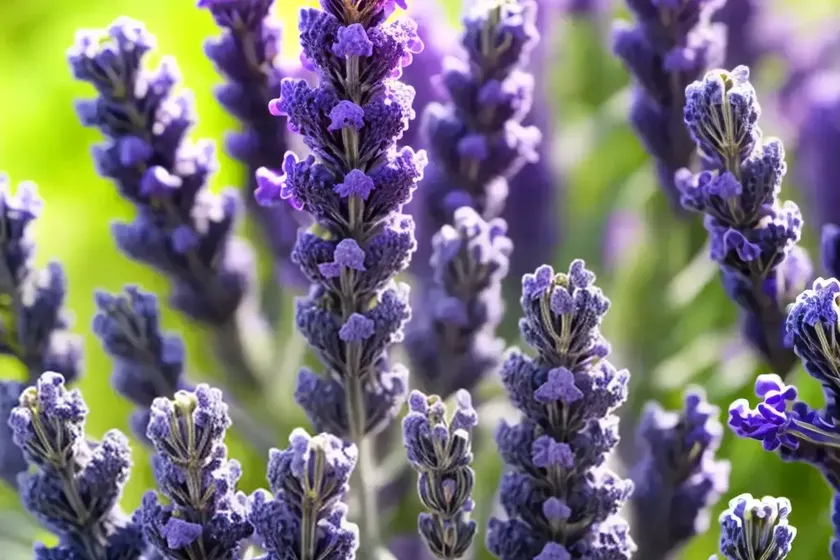
Lavender (Lavandula x intermedia ‘Impress Purple’) is an incredibly versatile and popular plant, cherished for its fragrant flowers and a myriad of uses. In this comprehensive guide, we will dive deep into the world of Lavandula x intermedia ‘Impress Purple’, exploring its characteristics, cultivation, care tips, uses, propagation, and much more. Whether you are a seasoned gardener or just starting, this guide will provide valuable insights into this remarkable plant.
What is Lavandula x intermedia ‘Impress Purple’ (Lavender)?
Before delving into the specifics of growing and caring for Lavandula x intermedia ‘Impress Purple’, let’s understand what this plant is all about. Lavandula x intermedia ‘Impress Purple’, commonly known as Lavender, is a perennial herb that belongs to the Lamiaceae family. Lavender is revered for its aromatic flowers, which are often used in culinary, medicinal, and ornamental applications.
Characteristics of Lavandula x intermedia ‘Impress Purple’
- Scientific Name: Lavandula x intermedia ‘Impress Purple’
- Common Name: Lavender
- Family: Lamiaceae
- Hardiness Zones: 5-9
- Mature Height: 2-3 feet
- Mature Spread: 2-3 feet
- Foliage: Gray-green, linear or lance-shaped leaves
- Flowers: Purple, fragrant flowers on long spikes
- Fragrance: Aromatic, soothing scent
- Cultivars: ‘Impress Purple’ is known for its intense fragrance and deep purple flowers.
Now that we have a basic understanding of Lavandula x intermedia ‘Impress Purple’, let’s explore the key takeaways and essential aspects of growing and caring for this beloved plant.
Key Takeaways – Lavandula x intermedia ‘Impress Purple’ (Lavender)
Culture
Lavender has been cultivated and valued for centuries due to its aromatic and therapeutic properties. Its cultural significance extends to various regions globally, where it is incorporated into traditional practices, cuisine, and holistic well-being.
Uses
Lavandula x intermedia ‘Impress Purple’ has a wide array of uses, ranging from culinary applications to ornamental landscaping and essential oil production. The plant’s versatile nature makes it a valuable addition to any garden or landscape.
Now, let’s delve into the specific aspects of growing and caring for Lavandula x intermedia ‘Impress Purple’.
Growing Lavandula x intermedia ‘Impress Purple’
Growing Lavandula x intermedia ‘Impress Purple’ can be a rewarding experience, provided the plant’s specific requirements are met. From water and sunlight to soil and pruning, each aspect plays a crucial role in ensuring the plant thrives.
Water
Lavandula x intermedia ‘Impress Purple’ is well-suited to arid and Mediterranean climates, making it relatively drought-tolerant once established. However, consistent watering is crucial during the plant’s initial growth stages to promote healthy root development.
- Establishment Phase: Water regularly, ensuring the soil is moist but not waterlogged.
- Mature Plants: Once established, reduce watering frequency, allowing the soil to dry out slightly between waterings.
Sunlight
Lavender thrives in full sun, requiring a minimum of 6-8 hours of direct sunlight per day. Adequate sunlight is essential for promoting robust growth and prolific flowering.
- Optimal Conditions: Plant Lavandula x intermedia ‘Impress Purple’ in a location with full sun exposure, preferably in a well-draining area.
Fertilizer
Lavandula x intermedia ‘Impress Purple’ does not have high fertilizer requirements, especially if planted in nutrient-rich soil. However, a light application of balanced fertilizer in early spring can support healthy growth and flowering.
- Fertilizer Type: Use a balanced, slow-release fertilizer to provide essential nutrients without promoting excessive lush growth.
- Application Frequency: Apply fertilizer once a year, preferably in early spring before new growth emerges.
Soil
Well-draining soil is critical for Lavandula x intermedia ‘Impress Purple’, as it helps prevent waterlogging, which can lead to root rot. A sandy or loamy soil mix with good drainage properties is ideal for promoting optimal root health.
- Soil pH: Lavender prefers slightly alkaline to neutral soil with a pH range of 6.7-7.3.
- Amendments: Incorporating sand or perlite into heavy clay soil can improve drainage and create a more hospitable environment for the plant.
Pruning
Pruning plays a vital role in maintaining the overall health and shape of Lavandula x intermedia ‘Impress Purple’. Regular pruning also helps stimulate new growth and maintains the plant’s compact form.
- Pruning Timing: Prune Lavender in early spring or after the flowering period to remove spent blooms and shape the plant.
- Pruning Technique: Use sharp, clean pruners to avoid tearing the plant’s stems, and prune lightly to maintain its natural form.
Now that we have covered the essential elements of growing and caring for Lavandula x intermedia ‘Impress Purple’, let’s delve into its propagation, uses, and common diseases and pests.
Propagation
Lavandula x intermedia ‘Impress Purple’ can be propagated through various methods, including seeds, cuttings, and division. Each propagation technique offers unique advantages and is suited to different situations.
- Seed Propagation: Sowing lavender seeds in well-draining soil mix and providing consistent moisture can yield new plants over time.
- Cutting Propagation: Taking softwood or semi-hardwood cuttings from healthy Lavandula x intermedia ‘Impress Purple’ plants and rooting them in a suitable medium.
- Division: Dividing mature lavender plants to create new clumps, ensuring each division has adequate roots for successful establishment.
Container Popularity
Lavandula x intermedia ‘Impress Purple’ is popularly grown in containers, allowing individuals with limited garden space to enjoy the plant’s beauty and fragrance. Container cultivation also enables better control over soil conditions and microclimates.
- Container Size: Choose a sufficiently large container with drainage holes to accommodate the plant’s root system and provide ample space for growth.
- Soil Mix: Use a well-draining soil mix specifically designed for container plants to prevent waterlogging and root suffocation.
Now, let’s explore the common diseases that may affect Lavandula x intermedia ‘Impress Purple’ and how to diagnose and treat them effectively.
Common Diseases
Disease Diagnosis
Lavender plants are generally resilient, but they can be susceptible to certain diseases under unfavorable conditions. Proper diagnosis and timely intervention are key to managing and preventing diseases effectively.
- Root Rot: Symptoms include wilting, yellowing foliage, and a foul odor from the roots. Diagnose by inspecting the roots for discoloration and rotting.
- Powdery Mildew: White, powdery patches on the leaves indicate powdery mildew infection. Diagnose by observing leaf discoloration and distorted growth.
Now that we have covered disease diagnosis, let’s explore the common pests that may pose a threat to Lavandula x intermedia ‘Impress Purple’ and how to manage them.
Common Pests
Botanist’s Tips
As a botanist, I have conducted extensive research and observations on Lavandula x intermedia ‘Impress Purple’. Based on my experience, here are some crucial tips for cultivating and caring for this remarkable plant:
- Soil Drainage: Prioritize well-draining soil to prevent root rot and waterlogging, key factors that can adversely affect Lavender plant health.
- Sunlight Exposure: Ensure ample sunlight exposure to promote robust growth and prolific flowering. Insufficient sunlight can lead to leggy growth and reduced flower production.
Fun Facts
- Historical Significance: Lavender has been used for centuries, with references to its aromatic properties found in ancient texts and cultural practices.
- Pollinator Attraction: Lavender flowers are highly attractive to pollinators, including bees and butterflies, making them a beneficial addition to pollinator-friendly gardens.
- Herbal Remedies: Lavender has been traditionally used for its therapeutic properties, including its calming effects and potential health benefits.
Now that we have explored key insights into Lavandula x intermedia ‘Impress Purple’ (Lavender), I have compiled a list of external resources for further reading and in-depth exploration of this fascinating plant:
Links to External Resources
- Lavender: The Grower’s Guide
- Lavender: Uses, Benefits, and Cultivation
- Lavender Essential Oil Production
- Lavender in Culinary Delights
- Lavender: A Comprehensive Guide
In conclusion, Lavandula x intermedia ‘Impress Purple’ is a captivating and multi-dimensional plant cherished for its fragrance, versatility, and cultural significance. Whether used in culinary creations, therapeutic remedies, or ornamental landscapes, Lavender holds a special place in the hearts of gardeners and plant enthusiasts worldwide.
I hope that this comprehensive guide has provided valuable insights into the world of Lavandula x intermedia ‘Impress Purple’ and inspired a deeper appreciation for this remarkable plant. Happy gardening and may your lavender blooms fill the air with their delightful fragrance!
By Dr. Botanist Peterson, PhD
Plant Scientist and Horticulture Specialist


