Plant Scientist’s Guide to Koreanspice Viburnum (Viburnum carlesii)
Introduction to Koreanspice Viburnum
In the realm of ornamental plants, Koreanspice viburnum (Viburnum carlesii) stands out as an exceptionally beloved and cherished shrub. Its captivating attributes and versatile nature make it a sought-after addition to gardens, landscapes, and horticultural collections around the world. This article delves into the comprehensive care, cultural significance, and scientific intricacies of the Koreanspice viburnum, provinding invaluable insights for both amateur gardeners and seasoned horticulturists.
What Is Plant (“Koreanspice Viburnum”)
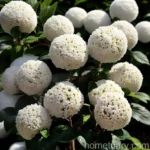
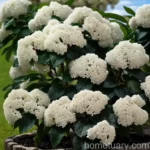
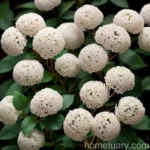
Koreanspice viburnum, scientifically known as Viburnum carlesii, is a deciduous shrub revered for its delightful clusters of fragrant flowers, vibrant foliage, and ornamental berries. This botanical treasure belongs to the Adoxaceae family, which includes viburnums and elderberries, and is native to parts of Korea, Japan, and China. The charming appeal of Koreanspice viburnum is owed to its many attributes, from its aromatic blooms to its compact and rounded growth habit.
Key Takeaways – Koreanspice Viburnum (Viburnum carlesii)
This section will provide a quick overview of the various key aspects associated with the cultivation and care of Koreanspice viburnum. From cultural requirements and landscape uses to diseases, pests, and propagation techniques, every dimension of tending to this enchanting shrub will be explored in detail.
Korean Spice Viburnum Characteristics
Koreanspice viburnum is renowned for its numerous attractive features, some of which include:
- Fragrant Flowers: The plant’s stunning flowers emit a sweet, spicy fragrance that perfumes the air, making it a delightful addition to any garden or landscape.
- Vibrant Foliage: The foliage of Koreanspice viburnum adds visual interest, with its rich green color and occasionally striking autumn hues.
- Ornamental Berries: After flowering, Koreanspice viburnum produces small, colorful berries, adding a touch of charm to the plant throughout the autumn and often into early winter.
- Compact Growth Habit: Generally reaching a height and spread of 4-6 feet, Koreanspice viburnum is a relatively compact shrub with a rounded form.
Viburnum Carlesii Plant Care
To ensure the optimal health and vitality of Koreanspice viburnum, several critical aspects of plant care should be considered:
Water
Koreanspice viburnum typically benefits from consistently moist but well-draining soil, especially during its establishment phase. However, it is crucial to avoid waterlogged conditions, as excessive moisture can lead to root rot and other health issues. Once established, Koreanspice viburnum exhibits a degree of drought tolerance, though regular watering during dry spells can promote robust growth and flowering.
Sunlight
This shrub flourishes in full to partial sun, with the ideal site offering at least 4-6 hours of direct sunlight daily. Adequate sun exposure is crucial for encouraging abundant flowering and maintaining the vibrant coloration of the foliage.
Fertilizer
To promote vigorous growth and prolific blooming, Koreanspice viburnum benefits from a balanced, slow-release fertilizer applied in early spring. However, it is essential to follow the manufacturer’s recommendations and avoid over-fertilization, which can result in excessive vegetative growth at the expense of flowering and overall plant health.
Soil
A well-draining, moderately fertile soil is optimal for Koreanspice viburnum, with a slightly acidic to neutral pH range. Amending the soil with organic matter, such as compost or well-rotted manure, can enhance its structure and fertility, contributing to the shrub’s well-being.
Koreanspice Viburnum Pruning Techniques
Pruning is a valuable practice for maintaining the health, shape, and flowering capacity of Koreanspice viburnum. Key pruning guidelines include:
- Regular Maintenance: Remove dead, damaged, or diseased wood as soon as observed, as well as any crossing or congested branches, to enhance air circulation and light penetration.
- Post-Flowering Pruning: After the spring bloom, minimal pruning is recommended to prevent the removal of potential flower buds for the following year.
- Renewal Pruning: On occasion, the shrub can benefit from rejuvenation through selective, moderate pruning to encourage the emergence of new growth and ensure a balanced form.
Koreanspice Viburnum Cold Hardiness
Koreanspice viburnum is renowned for its exceptional cold hardiness, with many cultivars exhibiting remarkable tolerance to frigid temperatures, making it a versatile and resilient landscape plant across diverse climatic regions.
Viburnum Carlesii Soil Requirements
The ideal soil conditions for Koreanspice viburnum encompass well-draining, fertile soils with a pH range of 5.5 to 7.5. Enriching the soil with organic matter and ensuring proper drainage are crucial for sustaining the shrub’s well-being and vitality.
Korean Spice Viburnum Fragrance
The alluring fragrance of Koreanspice viburnum’s blossoms is truly captivating, permeating the air and enhancing the sensory experience of any garden or landscape where it is cultivated.
Viburnum Carlesii Sun Exposure
Full to partial sun exposure is optimal for Koreanspice viburnum, with at least 4-6 hours of direct sunlight daily being desirable to support robust growth, flowering, and overall plant health.
Koreanspice Viburnum Water Needs
Maintaining slightly moist but well-draining soil is crucial for the well-being of Koreanspice viburnum, necessitating regular watering, especially during its establishment period and dry spells.
Viburnum Carlesii Pruning Schedule
Pruning Koreanspice viburnum should be conducted strategically, with a focus on post-flowering pruning and occasional rejuvenation to maintain the plant’s shape, health, and flowering architecture.
Korean Spice Viburnum Growth Rate
Koreanspice viburnum typically exhibits a moderate growth rate, reaching optimal size and maturity over several years, ultimately forming a compact, rounded shrub that contributes to any landscape’s visual appeal.
Culture of Koreanspice Viburnum
Uses
The versatility of Koreanspice viburnum transcends its ornamental value, as it serves numerous practical and aesthetic purposes:
- Ornamental Accent: The charming blooms, colorful berries, and vibrant foliage make Koreanspice viburnum an exquisite addition to gardens, landscapes, and horticultural displays, enhancing their visual allure and seasonal interest.
- Hedging and Screening: Given its moderate size and compact growth habit, Koreanspice viburnum is frequently utilized as a hedging or screening plant, providing privacy and delineating boundaries with elegance.
- Cut Flowers: The fragrant blossoms of Koreanspice viburnum are often harvested for floral arrangements and indoor décor, infusing living spaces with their delightful scent and natural beauty.
- Wildlife Habitat: The berries produced by Koreanspice viburnum are a valuable food source for birds and wildlife, contributing to the biodiversity and ecological balance of the surrounding environment.
Popularity
The enduring popularity of Koreanspice viburnum can be attributed to its irresistible attributes and diverse applications, making it a treasured component of landscapes, botanical collections, and horticultural endeavors worldwide.
Propagation of Koreanspice Viburnum
Methods
Propagating Koreanspice viburnum can be accomplished through several methods, each offering distinct advantages and yielding reliable results:
- Seeds: While growing Koreanspice viburnum from seeds is possible, it is a relatively time-consuming and unpredictable technique, often best suited for conservational and experimental purposes.
- Softwood Cuttings: Taking softwood cuttings from healthy, actively growing shoots in late spring to early summer and employing appropriate rooting hormone can yield viable new plants within a reasonable timeframe.
- Hardwood Cuttings: Harvesting hardwood cuttings from mature wood during the dormant season and providing suitable conditions and care can result in successful propagation of Koreanspice viburnum, allowing for the generation of numerous plants from a single source.
Common Diseases of Koreanspice Viburnum
Despite its resilient nature, Koreanspice viburnum is susceptible to certain diseases, with a few notable conditions that can impact its health and vigor:
Disease Diagnosis
- Powdery Mildew (Erysiphales): This fungal disease presents as a white powdery coating on the foliage and can lead to leaf distortion and reduced plant vigor. Adequate air circulation and proper spacing of plants can prevent its occurrence.
- Leaf Spot (Cercospora, Phyllosticta): Leaf spot manifests as dark, irregularly shaped lesions on the foliage, potentially leading to premature leaf drop and a decline in overall plant aesthetics. Avoiding overhead irrigation and promoting good hygiene practices can mitigate its effects.
- Canker (Botryosphaeria): Canker causes the development of sunken, discolored areas on stems and branches, often leading to dieback and a weakened plant. Pruning out affected wood and promoting overall plant health can help in managing this condition.
Common Pests Affecting Koreanspice Viburnum
While Koreanspice viburnum is relatively resistant to pest infestations, several potential culprits can disrupt its well-being and necessitate prompt detection and management:
- Aphids (Aphidoidea): These small, soft-bodied insects can cluster on the undersides of leaves, sucking sap and potentially causing leaf distortion and stunted growth. Introducing natural predators and practicing vigilant monitoring can help in controlling aphid populations.
- Scale Insects (Coccoidea): Scale insects can affix themselves to stems and foliage, feeding on plant fluids and causing yellowing and decline. Mealybugs, armored scales, and other scale species can be addressed through physical removal and targeted horticultural oil applications.
- Spider Mites (Tetranychidae): These minuscule arachnids can create fine webbing on the foliage, extracting fluids and causing stippling, discoloration, and reduced vitality. Mitigating dust and applying a forceful water spray can help manage spider mite populations.
Botanist’s Tips for Koreanspice Viburnum
Drawing upon scientific expertise and practical insights, the following tips can significantly contribute to the successful cultivation and care of Koreanspice viburnum:
- Mulching: Applying a layer of organic mulch around the base of the shrub can conserve soil moisture, suppress weed growth, and moderate soil temperatures, benefiting the overall health and vigor of the plant.
- Regular Inspection: Routinely monitoring the plant for signs of pests, diseases, or cultural deficiencies allows for early intervention and prompt remedial action, ensuring the plant’s sustained well-being and longevity.
- Feeding Wildlife: Embracing the role of Koreanspice viburnum as a habitat and food source for birds and wildlife can enrich the surrounding environment and foster ecological balance, contributing to a thriving ecosystem.
Fun Facts about Koreanspice Viburnum
Embracing the enchanting allure and scientific significance of Koreanspice viburnum, here are a few delightful and intriguing facts about this beloved shrub:
- The fragrance of Koreanspice viburnum’s blossoms is often likened to a blend of cloves, cinnamon, and sweet perfumes, creating an immersive sensory experience in its presence.
- The autumn foliage of Koreanspice viburnum can showcase an impressive range of colors, transitioning from fiery reds and oranges to rich purples and bronzed browns, adding seasonal drama to landscapes.
- The ornamental berries produced by Koreanspice viburnum are valued not only for their visual appeal but also for their contribution to wildlife sustenance and ecological diversity.
Links to External Resources
For comprehensive information, guidance, and valuable insights on Koreanspice viburnum, the following external resources are recommended:
- The Royal Horticultural Society (RHS): Koreanspice Viburnum Profile
- University of Missouri Extension: Viburnum carlesii Growing Guide
- North Carolina State University Cooperative Extension: Korean Spice Viburnum
In conclusion, the allure and versatility of Koreanspice viburnum (Viburnum carlesii) position it as a botanical gem with unparalleled charm and horticultural significance. By embracing its cultural nuances, scientific intricacies, and practical applications, gardeners and plant enthusiasts can elevate their understanding and appreciation for this beloved shrub, fostering its enduring presence in landscapes and horticultural endeavors.
The information provided in this guide is intended for educational and informative purposes and does not substitute professional horticultural or botanical advice. For specific cultivation and care recommendations, it is recommended to consult local experts and extension services.
Would you like to further enhance or modify any specific section of this guide?