Lathyrus Odoratus X Belinensis ‘Erewhon’ (Sweet Pea)
Lathyrus odoratus x belinensis ‘Erewhon’, commonly known as Sweet Pea, is a stunning flowering plant appreciated for its delicate blooms and sweet.
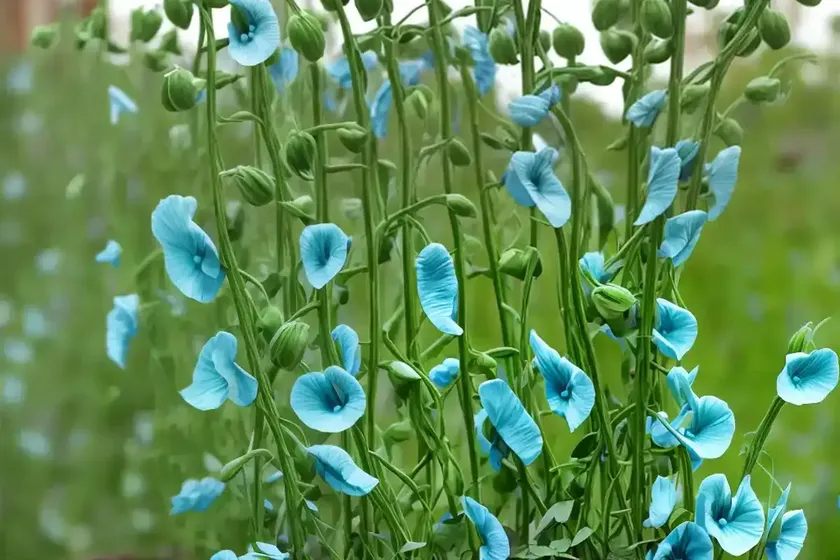
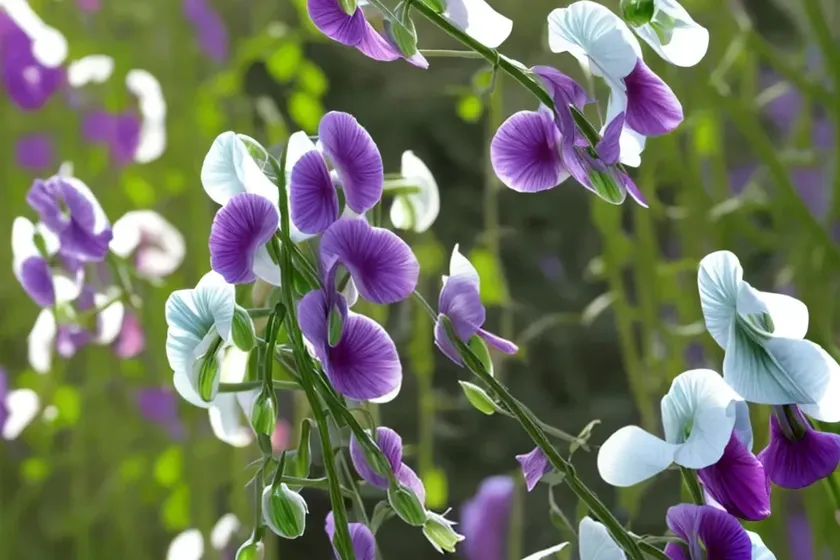
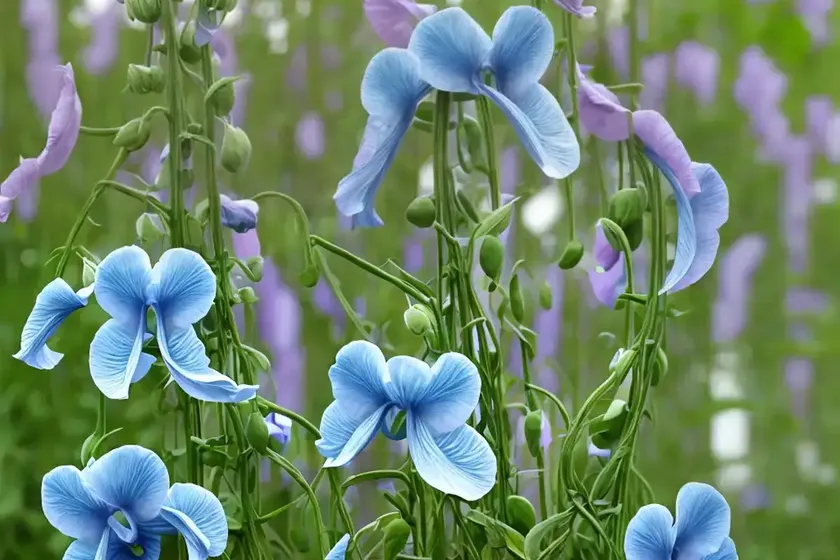
Lathyrus odoratus x belinensis ‘Erewhon’, commonly known as Sweet Pea, is a stunning flowering plant appreciated for its delicate blooms and sweet fragrance. This charming hybrid combines the best attributes of its parent species, resulting in a plant that captures the hearts of gardeners and plant enthusiasts alike. In this comprehensive guide, we will delve into the fascinating world of Lathyrus odoratus x belinensis ‘Erewhon’, exploring its cultural significance, botanical characteristics, primary uses, cultivation requirements, and much more. Whether you are a seasoned gardener or a novice plant enthusiast, this article aims to provide you with valuable insights into the captivating realm of the Sweet Pea plant.
Key Takeaways – Lathyrus odoratus x belinensis ‘Erewhon’ (Sweet Pea)
Before diving into the detailed exploration of Lathyrus odoratus x belinensis ‘Erewhon’, let’s take a moment to highlight the key takeaways associated with this enchanting plant:
-
Botanical Name: Lathyrus odoratus x belinensis ‘Erewhon’
-
Common Name: Sweet Pea
-
Primary Features: Delicate flowers, sweet fragrance, climbing vine
-
Growing Conditions: Full sunlight, well-drained soil, regular watering
-
Primary Uses: Ornamental plant, cut flower, fragrance extraction
-
Cultural Significance: Symbolizes blissful pleasure and delicate pleasures
-
Popularity: Widely grown in gardens, appreciated for its visual and olfactory appeal
With these fundamental takeaways in mind, let’s embark on a journey that unravels the distinctive characteristics and cultivation essentials of Lathyrus odoratus x belinensis ‘Erewhon’.
What is Lathyrus odoratus x belinensis ‘Erewhon’ (Sweet Pea)?
Lathyrus odoratus x belinensis ‘Erewhon’, commonly referred to as Sweet Pea, belongs to the Fabaceae family, known for its diverse range of flowering plant species. This particular hybrid plant is a result of crossing Lathyrus odoratus and Lathyrus belinensis, both of which are renowned for their ornamental value and ethereal blossoms. The resulting ‘Erewhon’ cultivar exhibits a mesmerizing blend of traits inherited from its parent species, making it a highly coveted addition to gardens, landscapes, and floral arrangements.
Culture
Uses
The Sweet Pea plant holds significant cultural and horticultural value, serving a multitude of purposes that contribute to its enduring popularity. Here are some primary uses of Lathyrus odoratus x belinensis ‘Erewhon’:
-
Ornamental Plant: The elegant and vibrant flowers of Sweet Pea make it a beloved choice for ornamental plantings. Its climbing vine habit and profusion of blooms add a charming touch to garden trellises, fences, and arbors.
-
Cut Flower: With its lovely fragrance and long, slender stems, Lathyrus odoratus x belinensis ‘Erewhon’ is often used as a cut flower in floral arrangements and bouquets, bringing a touch of natural beauty and sweet scent into indoor spaces.
-
Fragrance Extraction: The enchanting fragrance of Sweet Pea flowers has led to the use of their essential oils in perfumery, adding a delicate and floral note to various scented products.
Water
A sufficient and consistent water supply is essential for the holistic development and optimal flowering of Lathyrus odoratus x belinensis ‘Erewhon’. Adequate irrigation regimes should be implemented, especially during dry periods, to ensure the plant’s hydration needs are met. While Sweet Peas appreciate moist soil, it is crucial to avoid waterlogging, which could lead to root rot and other detrimental conditions. An even and moderate level of soil moisture should be maintained to support healthy growth and prolific blooming.
Sunlight
Sweet Pea plants thrive in full sunlight, requiring approximately 6-8 hours of direct sunlight per day for robust growth and abundant flowering. When selecting a planting site or positioning containers for Sweet Pea cultivation, it is imperative to choose locations that receive ample sunlight to promote the plant’s photosynthetic processes and overall vigor. Insufficient sunlight can result in weak, leggy growth and diminished blooming, underscoring the significance of providing an appropriate light environment for Lathyrus odoratus x belinensis ‘Erewhon’.
Fertilizer
To support the nutritional requirements of Lathyrus odoratus x belinensis ‘Erewhon’ and enhance its flowering potential, the application of a balanced fertilizer can be beneficial. Prior to planting, incorporating a slow-release fertilizer or well-rotted organic matter into the soil can provide the necessary nutrients for initial growth. Subsequently, during the growing season, a diluted, all-purpose liquid fertilizer can be administered every 2-3 weeks to bolster the plant’s vitality and bolster its blooming capacity. Care should be taken to avoid excessive fertilization, as this can lead to imbalanced growth and potential complications.
Soil
The soil requirements for cultivating Lathyrus odoratus x belinensis ‘Erewhon’ revolve around the need for a well-draining, fertile substrate that supports healthy root development and overall plant vigor. A loamy, well-aerated soil with a neutral to slightly alkaline pH in the range of 6.0-7.5 is well-suited for the successful cultivation of Sweet Peas. Additionally, the soil should offer good water retention capabilities while preventing prolonged waterlogging, which can compromise the plant’s health. Regular amending with organic matter can enhance soil fertility and structure, contributing to the optimal growth of Lathyrus odoratus x belinensis ‘Erewhon’.
Pruning
Pruning plays a critical role in maintaining the health, form, and flowering prowess of Lathyrus odoratus x belinensis ‘Erewhon’. Regular deadheading, which involves the removal of spent flowers, is essential to encourage continuous blooming and prevent the plant from expending energy on seed production. Additionally, the removal of any diseased or damaged foliage and stems is important for preventing the spread of diseases and ensuring the plant’s overall aesthetic appeal. Pruning can also help manage the growth habit of the Sweet Pea vine, promoting a more compact and tidy appearance.
Propagation
The propagation of Lathyrus odoratus x belinensis ‘Erewhon’ can be achieved through several methods, enabling gardeners to expand their collection of these exquisite plants. Here are the primary propagation techniques suitable for Sweet Peas:
-
Seed Propagation: Sweet Peas can be propagated from seeds, which should be sown directly into the garden soil or into containers, depending on the preferred cultivation method. Proper seed treatment, including scarification and soaking, can enhance germination rates and accelerate the establishment of young plants.
-
Division: In some cases, division of mature Sweet Pea plants can be carried out to create new individuals. This method involves carefully separating the root system into sections, each with sufficient root mass and shoots, allowing for the propagation of multiple plants from the original specimen.
-
Cuttings: While less commonly practiced, propagation through stem cuttings is also feasible for Sweet Peas. Selecting healthy, non-flowering stems and providing them with appropriate rooting conditions can lead to the successful establishment of new plants.
Container Popularity
The endearing beauty and climbing nature of Lathyrus odoratus x belinensis ‘Erewhon’ render it a popular choice for container gardening, allowing individuals with limited garden space to enjoy its captivating presence. Sweet Peas can be cultivated in various types of containers, including hanging baskets, trellis-mounted pots, and patio planters, adding a vertical dimension and a burst of color to outdoor living spaces. Container-grown Sweet Peas require meticulous attention to watering and fertilization, as their growth medium is more restricted compared to open ground cultivation. Nonetheless, with proper care and maintenance, they can thrive and adorn balconies, terraces, and other compact settings with their charm.
Common Diseases
While Lathyrus odoratus x belinensis ‘Erewhon’ is generally regarded as a resilient and robust plant, it is susceptible to certain diseases and disorders that can hinder its growth and flowering capacity. Understanding these common ailments and their associated symptoms is essential for implementing timely management strategies and preserving the health of Sweet Pea plants. Here are some of the prevalent diseases that may affect Lathyrus odoratus x belinensis ‘Erewhon’:
Disease Diagnosis
-
Powdery Mildew: Affected plants display a powdery, white coating on their foliage, accompanied by stunted growth and diminished vigor. Powdery mildew can lead to unsightly foliage and reduced flowering.
-
Botrytis Blight: This fungal disease causes the appearance of brown spots and blotches on the leaves, often accompanied by a fuzzy or moldy growth. Flowers may also become discolored and exhibit signs of decay.
-
Fusarium Wilt: Fusarium wilt manifests as wilting of the plant, yellowing and browning of the leaves, and overall decline in vigor. The vascular system of the plant may show discoloration and blockages, leading to restricted water and nutrient uptake.
-
Root Rot: Excessive soil moisture and poor drainage can contribute to the development of root rot in Sweet Pea plants. Affected roots may appear darkened, mushy, and exhibit a foul odor. Symptoms include wilting, yellowing foliage, and overall plant decline.
Common Pests
In addition to diseases, Lathyrus odoratus x belinensis ‘Erewhon’ is vulnerable to attacks from various pests that can compromise its health and aesthetic appeal. Recognizing the signs of pest infestations and implementing effective control measures are vital for safeguarding the well-being of Sweet Pea plants. Here are some of the prevalent pests that may target Sweet Peas:
-
Aphids: These small, soft-bodied insects cluster on the tender shoots and undersides of the leaves, sucking sap from the plant and causing distortion of new growth. Aphid infestations can lead to weakened and stunted Sweet Pea plants.
-
Spider Mites: These minuscule arachnids feed on plant sap, leaving behind stippled and discolored foliage. Webbing may also be observed on the affected plant parts, indicating the presence of spider mites.
-
Thrips: Thrips are tiny, slender insects that feed on the plant’s tissues, causing silvery or bronze-colored streaks and speckling on the foliage. Severe thrips infestations can lead to distorted growth and reduced vigor.
-
Slugs and Snails: These mollusks feed on the tender foliage and flowers of Sweet Peas, resulting in irregular holes and damage. Their feeding activity can impair the plant’s overall health and compromise its visual appeal.
Recognizing the signs of pest infestations and implementing effective control measures are vital for safeguarding the well-being of Sweet Pea plants. Employing integrated pest management techniques and natural predators can help to minimize pest pressures and maintain the health of Lathyrus odoratus x belinensis ‘Erewhon’.
Botanist’s Tips
To ensure the successful growth and flourishing of Lathyrus odoratus x belinensis ‘Erewhon’, it is essential to adhere to certain best practices and expert tips offered by experienced botanists and horticulturists. Here are a few insights and recommendations to help you cultivate thriving Sweet Pea plants:
-
Support and Training: Providing adequate structural support, such as trellises, fences, or netting, is crucial for facilitating the climbing habit of Sweet Pea vines. Regularly training the growing shoots onto the support structures can help create an attractive and well-organized display of foliage and flowers.
-
Pollination Enhancement: To encourage optimal pollination and subsequent seed set, it may be beneficial to attract pollinators, such as bees and butterflies, to the garden. Incorporating diverse flowering plants and creating a pollinator-friendly environment can contribute to the successful pollination of Lathyrus odoratus x belinensis ‘Erewhon’.
-
Soil Health: Prioritizing soil health through regular supplementation with organic matter, compost, and beneficial soil microbes can foster a thriving root environment for Sweet Pea plants. Healthy soil supports robust growth, moisture retention, and nutrient availability.
-
Early Maintenance: Regularly monitoring the young, tender shoots of Sweet Peas and providing early maintenance, such as removing side shoots and disbudding, can channel the plant’s energy towards vigorous growth and prolific flowering.
-
Prudent Watering: While consistent irrigation is important for Sweet Pea plants, it is equally essential to exercise prudence in watering practices to prevent waterlogging and associated issues. A balance between hydration and drainage is key to promoting the plant’s resilience and well-being.
-
Companion Planting: Selecting compatible companion plants that complement the growth habit and cultural requirements of Sweet Peas can create harmonious garden settings while potentially deterring pests and enhancing biodiversity.
Fun Facts
Unraveling the charm and allure of Lathyrus odoratus x belinensis ‘Erewhon’, here are some intriguing and delightful fun facts about the Sweet Pea plant:
-
The Sweet Pea plant, with its delicate, ruffled flowers and captivating fragrance, has been cherished for centuries, captivating the hearts of gardeners and floral enthusiasts.
-
Sweet Peas may exhibit an array of enchanting colors, ranging from soft pastels to vibrant hues, captivating the senses with their visual splendor.
-
The fragrance of Sweet Pea flowers is renowned for its sweet, intoxicating scent, often likened to a blend of honey and orange blossom, evoking feelings of nostalgia and romance.
-
Lathyrus odoratus x belinensis ‘Erewhon’ can serve as a valuable source of nectar for pollinators, attracting butterflies, bees, and other beneficial insects to the garden.
-
Legend has it that the origin of the Sweet Pea plant is shrouded in romantic symbolism, with tales of the flower representing blissful pleasure and delicate pleasures, adding an enchanting allure to its presence.
Links to External Resources
For further exploration and in-depth understanding of Lathyrus odoratus x belinensis ‘Erewhon’ and its cultivation, here are some valuable external resources:
- Royal Horticultural Society – Growing Sweet Peas
- University of Minnesota Extension – Growing Sweet Peas
- American Society for the Prevention of Cruelty to Animals – Toxic and Non-Toxic Plants: Sweet Pea
Conclusion
In conclusion, Lathyrus odoratus x belinensis ‘Erewhon’, also known as Sweet Pea, exemplifies the epitome of natural grace and olfactory charm, captivating the hearts and senses of all who encounter it. From its ethereal blossoms and delicate fragrance to its cultural significance and versatile uses, the Sweet Pea plant continues to weave its enchanting presence into gardens, floral arrangements, and perfumery. By embracing the insights and guidelines presented in this comprehensive guide, you are empowered to embark on a rewarding journey of nurturing and enjoying the beguiling beauty of Lathyrus odoratus x belinensis ‘Erewhon’, delighting in its blossoms and savoring its sweet perfume.
It is my hope that this article has provided you with a deeper appreciation for the captivating allure of Sweet Peas and equipped you with the essential knowledge to cultivate and admire these exquisite plants in your own garden or living space. Let the delicate charm and captivating fragrance of Lathyrus odoratus x belinensis ‘Erewhon’ enrich your botanical endeavors and infuse your surroundings with its timeless elegance and natural splendor.


