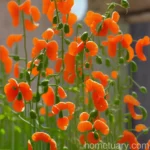
Lathyrus odoratus ‘Mrs Bernard Jones’ (Sweet Pea): A Comprehensive Guide
Lathyrus odoratus ‘Mrs Bernard Jones’, commonly known as Sweet Pea, is a popular flowering plant that is prized for its fragrant, colorful blooms. This article serves as a comprehensive guide to understanding and successfully cultivating Lathyrus odoratus ‘Mrs Bernard Jones’.
Table of Contents
- Introduction to Lathyrus odoratus ‘Mrs Bernard Jones’
- Key Takeaways
- Cultivation
- Water
- Sunlight
- Fertilizer
- Soil
- Pruning
- Propagation
- Container Planting
- Popularity
- Common Diseases
- Common Pests
- Botanist’s Tips
- Fun Facts
- Links to External Resources
Introduction to Lathyrus odoratus ‘Mrs Bernard Jones’
Lathyrus odoratus, commonly referred to as Sweet Pea, belongs to the Fabaceae family. It is an annual climbing plant known for its delicate, sweetly scented flowers. Among its various cultivars, ‘Mrs Bernard Jones’ stands out for its exceptional beauty and fragrance.
Key Takeaways – Lathyrus odoratus ‘Mrs Bernard Jones’
Lathyrus odoratus ‘Mrs Bernard Jones’ is celebrated for the following qualities:
– Fragrant, colorful flowers
– Easy maintenance
– Versatility in both garden planting and container gardening
Now, let’s delve into the specific aspects of cultivating and caring for Lathyrus odoratus ‘Mrs Bernard Jones’.
Cultivation
Water
Proper watering is crucial for the health and vigor of Sweet Peas. These plants prefer consistently moist, well-drained soil to thrive. However, it is important to avoid overwatering, which can lead to root rot and other issues.
Sunlight
Sweet Peas thrive in full sunlight or partial shade. They require at least 6 hours of direct sunlight each day to produce abundant blooms and maintain healthy growth.
Fertilizer
When it comes to fertilizing Sweet Peas, a balanced, all-purpose fertilizer can be applied during planting and periodically throughout the growing season. However, it is important not to over-fertilize, as this can lead to excessive foliage growth at the expense of flower production.
Soil
Well-drained, fertile soil with a slightly alkaline pH is ideal for growing Sweet Peas. Amending the soil with organic matter such as compost can improve its structure and fertility, promoting robust growth and abundant flowering.
Pruning
Regular deadheading of spent flowers is essential to encourage continuous blooming and prevent the formation of seed pods, which can signal the plant to stop producing new flowers. Additionally, the removal of yellowing or diseased foliage promotes overall plant health.
Propagation
Sweet Peas can be propagated from seeds, which should be sown directly into the garden soil after the last frost date. Soaking the seeds in water for a few hours before planting can help soften the hard seed coat and expedite germination. Additionally, providing a trellis or other support structure for the young plants is crucial to guide their climbing growth habit.
Container Planting
Lathyrus odoratus ‘Mrs Bernard Jones’ can be successfully grown in containers, making them an excellent choice for balconies, patios, and small gardens. When planting in containers, it’s important to use well-draining potting mix and provide adequate support for the climbing vines.
Popularity
With its enchanting fragrance and charming blooms, Lathyrus odoratus ‘Mrs Bernard Jones’ has earned a special place in the hearts of gardeners and floral enthusiasts. Its popularity continues to grow as more gardeners discover its unique beauty and ease of cultivation.
Common Diseases
While Sweet Peas are relatively resilient, they can be susceptible to certain diseases, including powdery mildew and botrytis blight. Adequate air circulation, proper watering practices, and vigilant monitoring can help prevent and manage these issues.
Common Pests
Aphids and thrips are among the common pests that may affect Sweet Pea plants. Regular inspection and, if necessary, the application of insecticidal soap or horticultural oil can help control pest populations and protect the plants from damage.
Botanist’s Tips
- To promote bushier growth and more abundant flowering, pinching off the growing tips of young Sweet Pea plants can be beneficial.
- Mulching around the base of the plants helps conserve soil moisture and suppress weed growth, contributing to overall plant health and vigor.
Fun Facts
- The genus name “Lathyrus” is derived from the Greek word “lathyros,” which means “pulse” or “edible legume.” This is indicative of the plant’s classification within the Fabaceae family, known for its many economically important leguminous species.
- Sweet Peas are not true peas (Pisum sativum) and should not be consumed, as they contain toxic compounds if ingested.
Links to External Resources
For further information on Lathyrus odoratus ‘Mrs Bernard Jones’ (Sweet Pea), consider exploring the following resources:
– Royal Horticultural Society – Sweet Pea Growing Guide
– The Old Farmer’s Almanac – Growing Sweet Peas
– University of California Agriculture & Natural Resources – Sweet Pea Pest Management Guidelines
In conclusion, Lathyrus odoratus ‘Mrs Bernard Jones’ (Sweet Pea) is a captivating, fragrant addition to any garden or container planting. By providing the appropriate growing conditions and attentive care, gardeners can enjoy the beauty and fragrance of this beloved flowering plant throughout the growing season. Whether adorning trellises, fences, or containers, the allure of Sweet Peas is sure to captivate all who encounter them.