Larix Laricina (American Larch)
The Larix laricina, commonly known as the American Larch, is a deciduous conifer that belongs to the Pinaceae family. This unique tree species is native to.
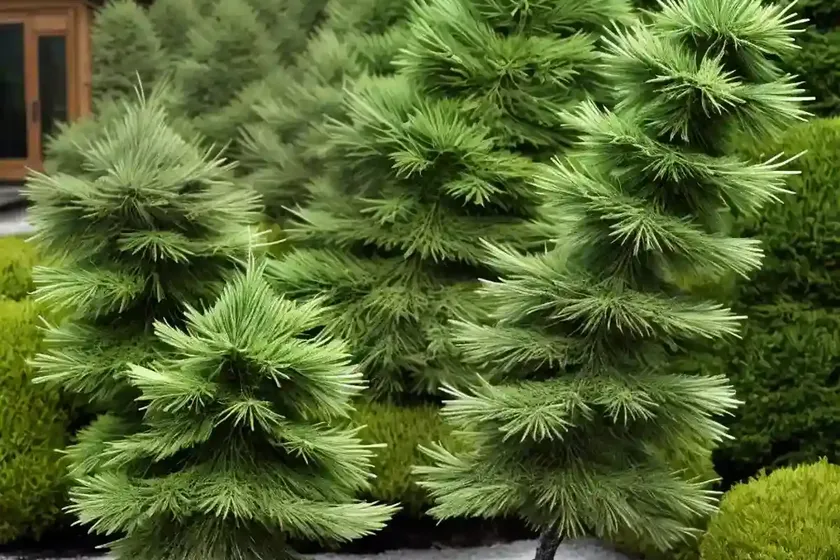

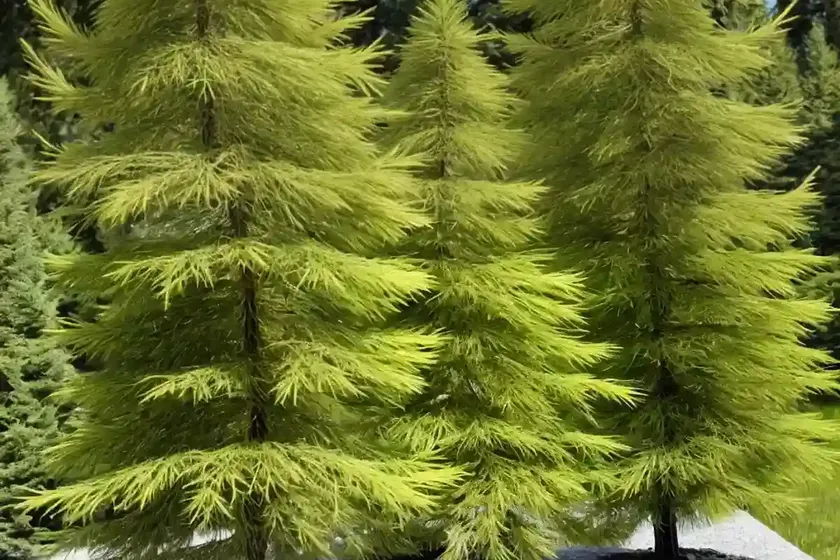
The Larix laricina, commonly known as the American Larch, is a deciduous conifer that belongs to the Pinaceae family. This unique tree species is native to northeastern North America and is renowned for its exceptional beauty, ecological significance, and versatile uses. In this comprehensive guide, we will delve into the various aspects of the Larix laricina, including its characteristics, growth habits, care requirements, uses, ecological importance, landscape design potential, pests and diseases, and much more.
What is Larix Laricina (American Larch)?
Larix laricina, more popularly known as the American Larch, Tamarack, or Eastern Larch, is a medium to large-sized coniferous tree that typically grows to a height of 50 to 75 feet (15 to 23 meters) and a trunk diameter of 1.5 to 2 feet (0.5 to 0.6 meters). It is renowned for its distinctive deciduous nature, shedding its needle-like leaves in the fall, unlike most other coniferous trees which are evergreen. The leaves turn a brilliant golden-yellow before they are shed, creating a stunning visual display in autumn.
This species is well-adapted to thrive in wet, boggy soils and is often found in low-lying areas, along streams, and in marshes, where many other tree species struggle to survive. The American Larch’s ability to grow in such challenging conditions is a testament to its resilience and adaptability.
Key Takeaways – Larix Laricina (American Larch)
Before delving into the specific details about American Larch, here are the key takeaways about this remarkable tree:
- Botanical Name: Larix laricina
- Common Names: American Larch, Tamarack, Eastern Larch
- Family: Pinaceae
- Native Range: Northeastern North America
- Foliage: Deciduous, needle-like leaves that turn golden-yellow in fall
- Ecological Significance: Thrives in wet, boggy soils; important for wildlife habitat
Characteristics of Larix Laricina
The Larix laricina exhibits several remarkable characteristics that make it a unique and valuable addition to various environments. Understanding its distinct traits is crucial for successfully cultivating and appreciating this species.
American Larch Facts
- Deciduous Foliage: Unlike most coniferous trees, the American Larch sheds its needle-like leaves in the fall, resulting in a stunning display of golden-yellow foliage.
- Cone Production: The tree produces small, egg-shaped cones that measure about 1 to 1.5 inches in length. These cones are typically purple when young and turn brown upon maturity.
- Habitat Preference: It is well-adapted to grow in moist, acidic soils and is commonly found in wetlands, bogs, and other waterlogged areas.
- Unique Bark: The bark of the American Larch is reddish-brown and becomes scaly as the tree matures, adding to its visual appeal.
Larix Laricina Growth Habits
Understanding the growth habits of the American Larch is essential for creating a suitable environment for its optimal development.
- Size: Typically, the American Larch grows to a height of 50 to 75 feet and has a spread of about 25 to 35 feet, forming a pyramidal shape when young and becoming more open and irregularly shaped as it matures.
- Rate of Growth: It is considered a moderately fast-growing species, adding about 1 to 1.5 feet in height annually under favorable conditions.
- Fall Color Display: The tree’s transformation in the fall, with its vibrant golden foliage, makes it a standout in autumn landscapes.
In the following sections, we will explore the specific care requirements, ecological benefits, uses, and potential challenges associated with cultivating and maintaining the American Larch in various settings.
Benefits of American Larch
The Larix laricina offers a multitude of benefits, ranging from its ornamental value to its ecological significance and versatile uses. Here are some notable benefits of incorporating this species into landscapes:
- Ornamental Value: The American Larch is prized for its stunning display of golden-yellow foliage in the fall, adding visual interest and a pop of color to landscapes.
- Wildlife Habitat: The tree provides food and shelter for various wildlife species, making it an important component of ecosystem diversity.
- Soil Stabilization: Its extensive root system assists in stabilizing soil in wetland and riparian areas, helping prevent erosion.
- Timber Uses: The wood of the American Larch is highly valued for its durability and is used in construction, fencing, and other outdoor applications.
American Larch Tree Care
Water
The American Larch thrives in consistently moist to wet soil conditions, making it well-suited for wetland and riparian plantings. However, established trees display good drought tolerance once their root systems are well established. When cultivating American Larch, it is important to consider the following watering guidelines:
- Young Trees: Newly planted or young American Larch trees require regular watering, especially during dry periods, to promote healthy root development.
- Established Trees: Once established, the tree can withstand occasional periods of drought, but supplementary watering in extended dry spells can help maintain optimal growth and vitality.
Sunlight
The American Larch performs best in full sun to partial shade, but it tends to exhibit its most vibrant fall coloration when grown in full sun. When selecting a planting site for the American Larch, consider the following factors:
- Full Sun: Choose a location that receives at least 6 to 8 hours of direct sunlight each day for optimal growth and fall color development.
- Partial Shade: While the tree can tolerate partial shade, it may not exhibit as intense fall coloration as those grown in full sun.
Fertilizer
While the American Larch can thrive in nutrient-poor soils, the application of a balanced, slow-release fertilizer in spring can benefit its overall health and growth. Consider the following guidelines for fertilizing American Larch trees:
- Timing: Apply fertilizer in early spring, just before the tree starts its seasonal growth.
- Quantity: Use a general-purpose, slow-release fertilizer, following the manufacturer’s recommended application rates based on the size and age of the tree.
- Spread: Distribute the fertilizer evenly around the base of the tree, avoiding direct contact with the trunk.
Soil
The American Larch exhibits a preference for moist, acidic soils and is commonly found in wetland environments. When planting or cultivating this species, it is important to consider the following soil-related factors:
- pH Level: The tree thrives in acidic soils with a pH range of 4.5 to 6.0. It is important to ensure that the soil pH is within this range for optimal growth and nutrient uptake.
- Drainage: While the American Larch thrives in moist to wet conditions, it is essential to ensure proper drainage to prevent waterlogging, especially in urban or heavily modified landscapes.
In the subsequent sections, we will continue to discuss key aspects of American Larch care, including pruning, propagation, container cultivation, common diseases, and pest management.
Pruning
Pruning the American Larch is typically minimal and is mainly focused on removing dead, damaged, or diseased branches to maintain the tree’s health and appearance. Here are some essential considerations when it comes to pruning American Larch trees:
- Timing: Prune the tree during its dormant season, preferably in late winter or early spring before new growth begins.
- Pruning Type: Maintain a natural, open-grown habit by selectively removing unwanted branches and limbs. Avoid heavy pruning as it can lead to excessive stress on the tree.
- Disease Management: Regularly inspect the tree for signs of disease or pest infestation, and promptly remove affected branches to prevent the spread of pathogens.
Propagation
Propagating American Larch can be achieved through seeds or cuttings, although growing the tree from seeds is the most common method. Proper techniques and attention to detail are essential for successful propagation:
- Seed Propagation: Collect mature cones from the tree, extract the seeds, and sow them in a suitable propagation medium, such as a well-draining, peat-based mix. Provide consistent moisture and warmth to promote germination.
- Cutting Propagation: Select semi-hardwood cuttings from healthy, vigorously growing branches in late summer. Treat the cut ends with a rooting hormone and plant them in a moist, well-aerated rooting medium.
Container Popularity
Given its moderate size and appealing foliage, the American Larch is well-suited for container cultivation in various settings, including patios, decks, and urban landscapes. Its adaptability to container growth makes it a popular choice for those with limited garden space or those seeking to add a unique accent to their outdoor areas.
Container Cultivation
When growing American Larch in containers, there are several key factors to consider to ensure the tree’s health and vigor:
- Container Size: Choose a container that provides ample space for the tree’s root system to expand. A larger container can help promote stable growth and reduce the need for frequent repotting.
- Soil Mix: Use a well-draining, slightly acidic potting mix that mimics the tree’s natural soil preferences. Adding organic matter can help enhance moisture retention while preventing waterlogging.
- Watering and Maintenance: Monitor soil moisture regularly and water the tree as needed, ensuring that excess water can freely drain from the container. Routine pruning and fertilization are also essential for maintaining the tree’s health in a container environment.
As we delve deeper into the versatility and uses of the American Larch, it is important to understand the common diseases and pests that can affect this species and the best practices for disease management and pest control.
Common Diseases
While the American Larch is generally resilient, it can be susceptible to certain diseases, notably needle blight and canker diseases. Understanding the symptoms and management strategies for common diseases is crucial for maintaining the health and vitality of American Larch trees.
Disease Diagnosis
- Needle Blight: This fungal disease can cause browning, wilting, and premature shedding of the tree’s needles. Regular inspection and prompt removal of affected branches can help manage needle blight.
- Canker Diseases: Canker-causing pathogens can result in the formation of sunken, discolored areas on the branches or trunk of the tree. Pruning out infected portions and promoting overall tree vigor through proper care can aid in disease management.
Common Pests
Several insect pests can pose a threat to American Larch trees, including adelgids, caterpillars, and sawflies. Monitoring the tree for signs of pest activity and implementing timely intervention measures can help prevent significant damage to the tree.
In the subsequent sections, we will explore additional aspects of the American Larch, including its landscape uses, ecological importance, and other fascinating details that make this tree species a valuable addition to various environments.
Botanist’s Tips
As a botanist or avid gardener, consider the following tips for successfully cultivating and appreciating the American Larch:
- Site Selection: Choose a planting site with adequate sunlight and well-draining, acidic soil to promote healthy growth and vibrant fall coloration.
- Watering Practices: Maintain consistent soil moisture, especially during the tree’s establishment phase, to support healthy root development.
- Pruning Guidelines: Limit pruning to necessary maintenance, focusing on removing dead or diseased branches while preserving the tree’s natural form.
- Disease and Pest Monitoring: Keep a watchful eye for signs of disease or pest infestation, and promptly address any issues to prevent their spread.
Fun Facts
- Native Range: The American Larch is native to northeastern North America, where it thrives in wetland and riparian environments.
- Ecological Significance: Its ability to stabilize soil and provide habitat for wildlife species contributes to its ecological importance.
- Unique Foliage: The tree’s deciduous nature and stunning fall color display set it apart from most other coniferous species.
Links to External Resources
To further explore the diverse aspects of the American Larch and gain valuable insights into its cultivation, uses, and ecological importance, consider the following external resources:
Conclusion
In conclusion, the Larix laricina, commonly known as the American Larch, is a remarkable tree species with a plethora of unique characteristics, cultural uses, and ecological benefits. Its adaptability to wetland environments, stunning fall coloration, and wildlife habitat value make it a sought-after addition to various landscapes. Understanding the key aspects of American Larch care, such as water, sunlight, soil, and disease management, is essential for successfully cultivating and appreciating this species.
The versatility of the American Larch, including its potential for container cultivation, landscape uses, and timber applications, further enhances its appeal and significance. Whether as a focal point in a garden setting, a stabilizing force in wetland restoration projects, or a valuable timber resource, the Larix laricina continues to captivate and inspire those who encounter it.
As we continue to explore the rich tapestry of plant life, each species, such as the American Larch, offers a window into the intricate web of ecological interactions, cultural significance, and aesthetic beauty that shape our natural world.
By delving into the nuances of the American Larch, we gain a deeper appreciation for the diverse array of plant species that contribute to the richness and resilience of our ecosystems.
As stewards of the land and advocates for biodiversity, let us embrace the intrinsic value of species such as the American Larch and strive to celebrate, protect, and sustain the natural world that sustains us all.


